Home Blog Page 216

Finance Minister pledges support for export-led growth with industry stakeholders

Finance Minister pledges support for export-led growth with industry stakeholders

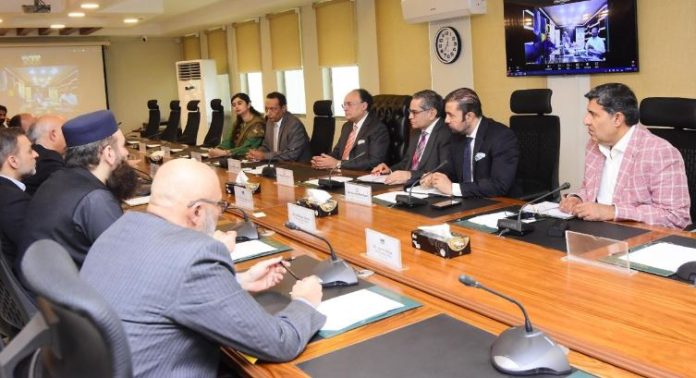
ISLAMABAD, MAR 11 /DNA/ – Federal Minister for Finance and Revenue, Senator Muhammad Aurangzeb, met today with a delegation of leading textile and apparel exporters and industry stakeholders led by Mr. Haroon Sharif, Chairman of the Pakistan Regional Economic Forum, to discuss measures aimed at strengthening export competitiveness, facilitating investment, and supporting industrial growth.

During the meeting, the Finance Minister emphasized that strengthening export-led sectors remains central to Pakistan’s economic revival strategy. He noted that enhancing productivity, encouraging innovation, and improving global competitiveness of Pakistan’s key industries are critical to expanding exports, creating employment opportunities, and sustaining long-term economic growth.

The Minister reaffirmed the Government’s commitment to maintaining close engagement with industry stakeholders to ensure that economic policies remain responsive to the needs of the business community while supporting sustainable and inclusive growth. He observed that policy frameworks are being continuously refined to promote investment, facilitate reinvestment by established exporters, and remove procedural bottlenecks that hinder industrial expansion, while maintaining fiscal discipline and macroeconomic stability.

Highlighting the importance of strengthening Pakistan’s competitive sectors, the Finance Minister stated that the Government recognizes the strategic role of export-oriented industries in driving economic activity and expanding the country’s presence in international markets. He emphasized that creating an enabling environment for exporters through improved policy coordination, regulatory facilitation, and investment promotion remains a key priority.

The Finance Minister also underscored the importance of modernization, technological upgradation, and value addition in strengthening Pakistan’s export competitiveness. He encouraged industry leaders to pursue innovation, adopt new technologies, and expand into higher-value market segments in order to capitalize on emerging opportunities in global supply chains.

Welcoming the delegation, the Finance Minister appreciated the Pakistan Regional Economic Forum’s continued engagement in promoting Pakistan’s most competitive economic sectors and acknowledged the business community’s contribution to export expansion, employment generation, and industrial development.

The delegation briefed the Finance Minister on the Forum’s initiatives aimed at promoting joint ventures, attracting foreign investment partnerships, and strengthening technology collaboration across priority industrial sectors. Participants emphasized the importance of aligning fiscal and regulatory policies with Pakistan’s competitive strengths in order to accelerate export-led growth and enhance industrial productivity.

Industry representatives highlighted the strategic importance of strengthening the competitiveness of key export sectors, particularly value-added textiles, which account for a significant share of Pakistan’s export earnings. They noted that value-added segments require focused policy attention and targeted support in light of evolving global market dynamics and increasing regional competition.

The delegation also emphasized the importance of maintaining a streamlined and growth-oriented taxation and compliance framework that facilitates reinvestment, business expansion, and ease of doing business. Participants stressed the need for policies that encourage modernization through technology adoption and digital transformation, while addressing structural bottlenecks that affect industrial efficiency and export competitiveness.

Business leaders further highlighted the need to review labour-related cost structures and regulatory levies to ensure that Pakistan’s export-oriented industries remain competitive in international markets. Rationalizing such cost structures, they noted, would support increased production capacity, employment generation, and sustained export growth.

Responding to the proposals, the Finance Minister appreciated the constructive suggestions shared by the delegation and noted that many of the issues raised are already under active consideration as part of the Government’s ongoing economic reform agenda.

The meeting was attended by Mr. Javed Bilwani, Chairman of the Pakistan Apparel Forum; Mr. Khurram Mukhtar, Patron-in-Chief of the Pakistan Textile Exporters Association; Mr. Khalid Mansoor, Director of the Pakistan Regional Economic Forum and former SAPM on CPEC Affairs and Minister of State; Mr. Siddique Bhatti, CEO of US Apparel; Mr. Shahzad Asghar Ali, CEO of Style Textile; and Mr. Javed Akhtar, CSO of Style Textile, along with senior officers of the Ministry of Finance.
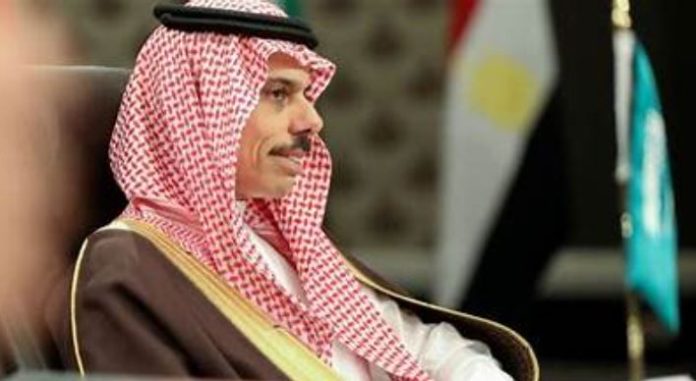
Saudi Foreign Minister, German Counterpart Discuss Regional Developments

Saudi Foreign Minister, German Counterpart Discuss Regional Developments

RIYADH, Mar 11: The Kingdom of Saudi Arabia’s Minister of Foreign Affairs Prince Faisal bin Farhan bin Abdullah and Federal Minister for Foreign Affairs of Germany Dr. Johann Wadephul discussed the current developments in the region and their security repercussions.

The two sides, during their meeting in Riyadh, discussed bilateral relations between the two countries and ways to support and enhance them.

The German foreign minister expressed his country’s condemnation of the aggressive attacks launched by Iran and affirmed Germany’s full solidarity with Saudi Arabia, stressing the need for coordinated regional and international efforts to steer the region toward stability and peace

15 Killed, 42 injured in Israeli airstrikes across Lebanon

15 Killed, 42 injured in Israeli airstrikes across Lebanon

BEIRUT, Mar 11: Fifteen people were killed and 42 others injured in a series of Israeli airstrikes targeting several areas across Lebanon on Tuesday, according to Lebanese health authorities.

Lebanon’s Ministry of Public Health reported that Israeli warplanes carried out airstrikes on the town of Al-Shahabiya in the Tyre district of southern Lebanon, killing seven people and injuring 11 others.

The Ministry’s Emergency Operations Center said that another airstrike targeted the town of Tibnin in the Bint Jbeil district, wounding four people.

The center added that multiple airstrikes in the Bekaa Valley in eastern Lebanon killed seven people and injured 18 others in the town of Tamnin al-Tahta, while five additional people were wounded in the town of Ali al-Nahri.

Separately, one person was killed in a drone strike in the city of Nabatieh in southern Lebanon, while four others were wounded when an Israeli airstrike hit an apartment in the Aisha Bakkar area of Beirut.

Israeli warplanes also launched airstrikes on a number of towns and villages in southern Lebanon, according to local reports.

Lebanon, particularly its southern regions, has been witnessing a sharp escalation in Israeli military strikes since March 2 amid heightened regional tensions.

Pakistan’s Tightrope Diplomacy During the U.S.–Iran War

Qamar Bashir

Qamar Bashir

The war between the United States, Israel, and Iran did not erupt suddenly. Beneath the surface of the conflict lay years of planning, strategic positioning, and diplomatic maneuvering aimed at weakening Iran’s nuclear, missile, and regional influence. When the first strikes were launched, they appeared dramatic and unexpected to the outside world, but the broader geopolitical architecture had already been carefully prepared. Alliances were strengthened, intelligence networks expanded, and regional actors were positioned in ways that limited Iran’s ability to respond effectively. In this unfolding strategic landscape, Pakistan found itself walking a diplomatic tightrope, attempting to maintain balanced relations with Iran, Saudi Arabia, and the United States while safeguarding its own national interests.

One of the earliest signals that the geopolitical chessboard was being rearranged appeared soon after the new American administration assumed office. In an unprecedented gesture, the U.S. president hosted Pakistan’s Field Marshal for a high-profile meeting in Washington. The event was widely interpreted as a recognition of Pakistan’s strategic importance in the region and the central role played by its military leadership in shaping the country’s security policies. The meeting suggested that Washington was carefully engaging key regional players as it prepared for a more assertive approach toward Iran.

Following this engagement, Pakistan’s strategic posture began to shift in noticeable ways. Islamabad strengthened its defense cooperation with Saudi Arabia and Qatar, entering into a broader security framework with Gulf states that host significant American military installations. These arrangements reinforced Pakistan’s role in the Gulf’s defense architecture while simultaneously limiting its freedom to openly align with Iran in the event of a regional confrontation. The diplomatic message was clear: Pakistan remained a close partner of the Gulf states and the United States.

At the same time, another important strategic issue emerged. The United States expressed renewed interest in regaining operational flexibility at key regional facilities, including the strategically located Bagram Airbase in Afghanistan. Although the situation surrounding the base remained complex, the discussion itself highlighted Washington’s desire to strengthen its presence in the region and maintain strategic reach across South and Central Asia.

Parallel to these developments, Pakistan’s relations with Afghanistan began to deteriorate rapidly. For decades, despite periods of tension, the two countries had maintained a relationship rooted in shared culture, history, and geography. Even during difficult times, the narrative of fraternity and mutual interest had prevailed. However, increasing cross-border security incidents and accusations of militant infiltration gradually eroded trust. Preventive military strikes by Pakistan against militant targets inside Afghan territory further strained relations, transforming a historically complex but manageable relationship into one marked by deep suspicion.

The deterioration of Pakistan-Afghanistan relations created new geopolitical openings. Afghanistan’s leadership began exploring stronger ties with other regional actors, particularly India. This shift coincided with an already expanding partnership between India and Israel in areas such as defense technology, intelligence cooperation, and cybersecurity. Gradually, these relationships began to intersect in ways that reshaped the regional security environment.

The growing alignment between India and Israel is a part of Israel’s broader long-term strategic thinking. Israeli leaders have historically viewed nuclear and missile programs of Pakistan as potential threats to their national security. In the past, Israel has been associated with efforts to neutralize such capabilities in countries like Iraq, Syria, and others that were perceived as developing strategic weapons. From this perspective, the dismantling of Iran’s strategic infrastructure during the recent conflict is seen by some analysts as part of a wider effort to remove potential threats to Israel’s security.

Within this evolving landscape, Israel is strengthening its security cooperation with India and Afghanistan to position itself to establish spy and intelligence networks in Pakistan by using Afghanistan as a spring board. Similar methods by Israel have been extremely successful in taking out high profile leadership and kinetic and economic assets of Iraq, Syria, Libya, Lebanon, Qatar Yemen and Iran and the world over.

For Pakistan, these developments highlight the importance of vigilance and preparedness. The experience of Iran demonstrates how advanced intelligence capabilities, combined with technological surveillance, can identify and target critical infrastructure with extraordinary accuracy. Pakistan must therefore strengthen its counterintelligence systems, enhance cybersecurity defenses, and protect sensitive strategic facilities to ensure that its leadership and defense capabilities remain secure.

Meanwhile, the war itself delivered a severe blow to Iran’s strategic capabilities. Several key installations associated with its missile, drone, and nuclear programs reportedly suffered extensive damage. Economic infrastructure was also affected as sanctions tightened and regional instability disrupted trade and energy markets. The cumulative effect significantly weakened Iran’s ability to project power across the region.

The consequences of the conflict were felt far beyond Iran’s borders. Global oil markets experienced dramatic volatility, with prices briefly soaring before gradually stabilizing. For Pakistan, an energy-importing nation already struggling with economic pressures, these fluctuations created additional financial strain. Rising fuel prices translated into inflation, higher transportation costs, and growing hardship for ordinary citizens.

Amid these challenges, Pakistan continued to maintain a carefully balanced diplomatic approach. At international forums such as the United Nations, Pakistani representatives emphasized the principles of sovereignty, dialogue, and peaceful conflict resolution. Islamabad expressed concern about escalating hostilities while avoiding steps that might jeopardize its relationships with key partners in the Gulf or with Washington.

This delicate balancing act illustrates the complexity of Pakistan’s geopolitical environment. Few countries must simultaneously manage such diverse relationships with competing global and regional powers. Maintaining constructive ties with Iran, Saudi Arabia, the United States, and other regional actors requires a level of diplomatic precision rarely seen in international politics.

The broader lesson from the crisis is that modern conflicts are often shaped long before the first shots are fired. Strategic alliances, diplomatic engagements, intelligence networks, and regional realignments gradually build the framework within which military operations eventually unfold. By the time war begins, many of the key variables have already been determined.

Pakistan’s experience during the U.S.–Iran conflict underscores the importance of strategic foresight. While the war reshaped the Middle East’s balance of power, Islamabad managed to avoid direct involvement while preserving its relationships with multiple partners. Through cautious diplomacy and calculated restraint, Pakistan maintained stability at home while navigating one of the most volatile geopolitical crises of the decade.

As the region moves forward, Pakistan’s challenge will be to convert this diplomatic survival into long-term strategic advantage. Strengthening economic resilience, enhancing security infrastructure, and continuing a balanced foreign policy will be essential for navigating an increasingly uncertain global order.

In an era defined by shifting alliances and emerging power struggles, Pakistan’s ability to walk the diplomatic tightrope may prove to be its greatest strategic strength. By combining prudence, vigilance, and diplomatic agility, the country can continue to protect its sovereignty, safeguard its strategic assets, and remain a stabilizing force in a turbulent region.

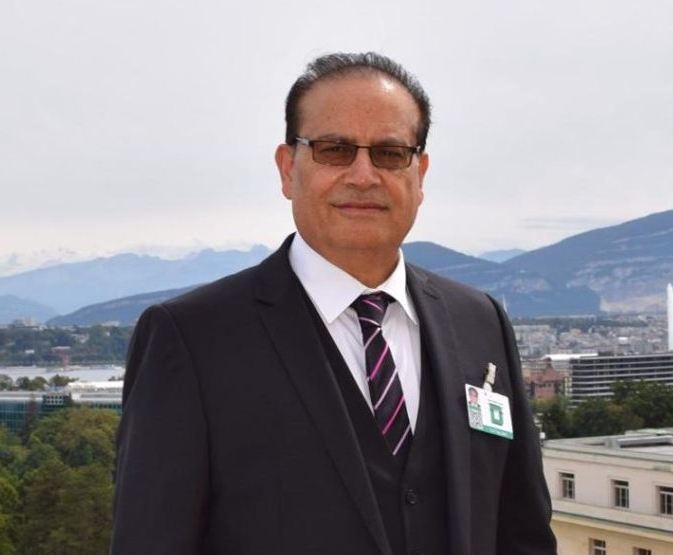
Qamar Bashir

Press Secretary to the President (Rtd)

Former Press Minister, Embassy of Pakistan to France

Former Press Attaché to Malaysia

Former MD, SRBC | Macomb, Michigan

APNS urges PM to approve newspapers’ dues before Eid

APNS urges PM to approve newspapers' dues before Eid

KARACHI, MAR 11 /DNA/ – The APNS has appealed to the Prime Minister Shehbaz Sharif to approve payment of dues of newspapers before Eid which has already been approved by the Economic Coordination Committee.

Senator Sarmad Ali, President of All Pakistan Newspapers Society in a statement has stated that due to non-payment of overdue payments the newspapers across the country are facing acute financial crises and therefore unable to pay the wages of their employees and other obligations before Eid.

He has stated that the liquidity crunch has increased further due to inflation and cost of living caused by unprecedented hike of petroleum prices. He therefore requested the Prime Minister to formally approve the pending payment of long outstanding dues of newspapers, which has already recommended by the Economic Coordination Committee in early this month.

The APNS is confident that the Prime Minister Mian Muhammad Shahbaz Sharif would look in to the matter personally and ask the cabinet to approve the payment of dues to ease the plight of newspaper workers before Eid.

UN women campaign redefines masculinity, challenges violence in Pakistan

Pakistan hockey team not invited to Azlan Shah Cup 2025

ISLAMABAD, MAR 11 /DNA/ – UN Women Pakistan has launched a new campaign titled “Mardangi Nahi, Kamzori Hai Yeh,” aimed at challenging harmful gender norms and promoting positive expressions of masculinity.

The campaign uses powerful storytelling and creative communication to question the normalization of violence and harmful stereotypes associated with masculinity. Through digital storytelling, media engagement, and social media outreach, the initiative seeks to catalyze meaningful dialogue and inspire men and boys to play an active role in advancing gender equality.

The campaign builds on the broader conversation around masculinity and accountability highlighted in a recent opinion piece by Jamshed M. Kazi, Country Representative, UN Women Pakistan published in The News International[1], where he emphasized that violence should never be mistaken for strength and that redefining masculinity is essential to achieving gender equality.

“Gender equality requires more than commitment—it requires a shift in mindsets and behaviours,” said Jamshed M. Kazi. “Through the ‘Mardangi Nahi, Kamzori Hai Yeh’ campaign, we aim to challenge harmful stereotypes and encourage men and boys to stand for respect, accountability, and equality for women and girls.”

The campaign highlights how true strength lies in empathy, responsibility, and standing against violence. By using creative storytelling and relatable narratives, the initiative aims to inspire reflection and dialogue around how societies define masculinity and power.

The campaign will roll out across digital platforms and media channels, encouraging individuals, institutions, and communities to join the conversation and support a culture of equality and non-violence.

By leveraging the power of creative communication, the “Mardangi Nahi, Kamzori Hai Yeh” campaign aims to contribute to a more inclusive society where women and girls can live free from discrimination and gender-based violence.

HEC scholarship programme for GB students achieves 99% utilisation ratio

HEC

ISLAMABAD, MAR 11 /DNA/ – The Higher Education Commission (HEC) Pakistan has successfully completed phase-I of the Undergraduate Scholarship Programme for Students of Gilgit-Baltistan in Top Pakistani Universities/Institutions, achieving a phenomenal scholarship utilisation ratio of 99.4 percent.              

Against the sanctioned target of 335 scholarships under phase-I, HEC provisionally extended scholarship offers to a total of 430 candidates to ensure maximum outreach and merit-based selection. A total of 333 students secured admission and availed the opportunity. Currently, 312 scholars are pursuing undergraduate studies in leading universities, while 11 students have graduated. The programme has also demonstrated encouraging gender participation, with 182 male and 151 female students benefiting from the initiative, maintaining a balanced male-to-female ratio of approximately 55:45.     

The scholarship package covers tuition fee, hostel charges, stipend/living allowance, book and travelling allowance, enabling talented students from Gilgit-Baltistan to access quality higher education opportunities. Scholars have been enrolled in diverse disciplines in reputable public sector institutions of the country.

The programme was initiated in 2021 with the aim to provide scholarships to the students from Gilgit-Baltistan to equip youth with the latest education for upcoming challenges and for the development of their area and the country.

Building upon the success of the phase-I, HEC aims to sustain and further expand opportunities for students from underserved and remote regions of the country.

Pakistan’s fuel price fiasco: a betrayal of the common man

Pakistan's fuel price fiasco: a betrayal of the common man

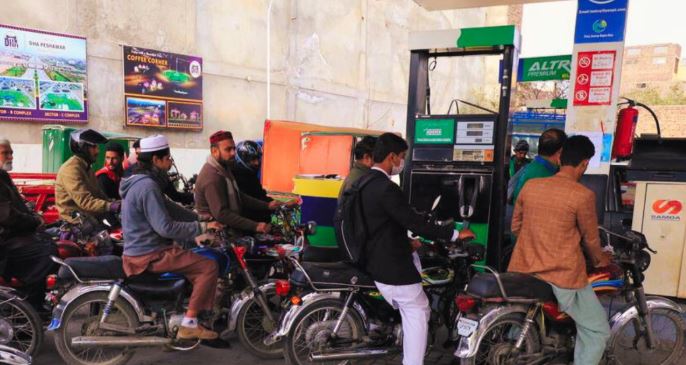
In a decision that has sparked nationwide outrage, the Pakistani government has imposed a staggering Rs 55 per liter increase on petroleum products, effective March 7, 2026. Petrol prices have skyrocketed to Rs 321.17 per liter, while diesel now stands at Rs 335.86 per liter. This abrupt surge comes amid escalating geopolitical tensions in the Middle East, involving Iran, Israel, and the United States, which have led to the closure of the Strait of Hormuz and driven global crude oil prices toward the $100 per barrel mark.

 For millions of ordinary Pakistanis already grappling with economic woes, this hike feels like a punch to the gut, exacerbating hardships while the elite class remains comfortably insulated.

The government’s justification for the increase has been met with widespread skepticism. Petroleum Minister Ali Pervaiz Malik described the move as “under compulsion,” attributing it to volatile international markets. However, critics argue that this rationale falls flat. Pakistan’s existing fuel reserves, procured at lower pre-surge prices, are ample enough to last until the end of March—approximately four weeks from the announcement.

 If the stocks were bought cheaply, why inflict this pain on consumers prematurely? This premature adjustment reeks of opportunism, a calculated effort to extract revenue from the public before global prices truly necessitate it.

Compounding the controversy is the role of the International Monetary Fund (IMF). Amid virtual negotiations for Pakistan’s bailout program, the IMF has insisted on immediate price alignments to enhance revenue collection and phase out subsidies. With inflation surging to a 16-month high and the government faltering on fiscal targets, officials seemingly viewed this as an opportune moment to comply. Yet, this compliance comes at the expense of the vulnerable. Instead of pursuing genuine austerity—such as slashing bloated administrative expenditures or overhauling inefficient state-owned enterprises—the regime has chosen the path of least resistance: burdening the masses with higher fuel costs.

The ripple effects of this decision are profound and far-reaching. Fuel is the lifeblood of Pakistan’s economy, influencing everything from transportation to agriculture and manufacturing. Higher petrol and diesel prices will inevitably lead to inflated transport fares, pushing up the cost of essentials like food, medicine, and utilities.

Low-income households, already stretched thin, will bear the brunt of this “inflation bomb,” as opposition leaders have aptly termed it. Farmers reliant on diesel for irrigation and machinery face diminished yields, while small businesses struggle with elevated operational costs. In a country where over 40% of the population lives below the poverty line, such policies deepen inequality and stifle economic mobility.

What’s particularly infuriating is the glaring hypocrisy in government spending. While ordinary citizens tighten their belts, there’s no corresponding restraint among the elite. Politicians, bureaucrats, and military officers continue to enjoy lavish perks, including free petrol allocations that remain untouched. This disparity underscores a system rigged in favor of the powerful, where the powerless foot the bill for extravagance. The petroleum development levy has been ramped up to Rs 82 per liter on petrol, purportedly to offset subsidies in other areas, such as diesel for agriculture and transport. However, this cross-subsidization from car and bike owners to other sectors does little to rectify underlying inequities. It merely shifts the burden without addressing the root causes of fiscal mismanagement.

Adding insult to injury is the windfall profit handed to oil companies. Estimates suggest that this price hike has funneled approximately Rs 800 billion in profits to these corporations in just one week. Rather than increasing government taxes on fuel—which would transparently direct funds to public coffers and signal accountability—the regime opted to boost the margins of oil marketing companies. This choice speaks volumes about priorities: profits for the elite over relief for the people. In a nation where crony capitalism thrives, such decisions reinforce the notion that Pakistan is governed for the elite, by the elite. Oil companies, often intertwined with influential lobbies, reap massive gains while the average citizen pays the price at the pump.

The regime’s confidence in implementing this hike stems from a sobering reality: mass protests are unlikely. Pakistan, in this cynical view, isn’t a cohesive nation but a fragmented “huddle of people,” divided along ethnic, sectarian, and economic lines. Collective action is rare, hampered by these fissures and a history of suppressed dissent. Social media platforms are alight with fury—hashtags like #FuelPriceTerrorism trending as users decry the move as economic sabotage. Posts lambast the government for prioritizing IMF dictates over domestic welfare, with memes juxtaposing luxury vehicles of ministers against the queues at fuel stations. Yet, this digital outrage has not translated into widespread street demonstrations. Fear of crackdowns, economic precarity, and apathy born from repeated betrayals keep the masses subdued.

This fuel price saga is more than a policy misstep; it’s symptomatic of deeper governance failures. Successive administrations have failed to diversify energy sources, reduce dependency on imports, or invest in renewables, leaving the economy vulnerable to global shocks. The current crisis, fueled by Middle East instability, highlights the urgency for long-term reforms. Instead of reactive hikes, the government could explore strategic hedging in oil markets, subsidize public transport, or incentivize electric vehicles. But such measures require vision and political will—qualities in short supply.

As Pakistan navigates this turbulent period, the fuel hike serves as a stark reminder of the social contract’s erosion. The elite’s insulation from economic pain breeds resentment, eroding trust in institutions. If unaddressed, this could sow seeds for unrest, even in a divided society. For now, the common man endures, hoping for relief that seems perpetually out of reach. In the end, this isn’t just about Rs 55 per liter; it’s about justice, equity, and whether Pakistan can ever truly prioritize its people over its privileged few.

Panel Highlights Protection, Justice, Empowerment on Women’s Day

“Beyond Celebration: Inclusive Protection, Justice & Empowerment for All Women” — Landmark event brings together government, civil society, business, and disability rights leaders

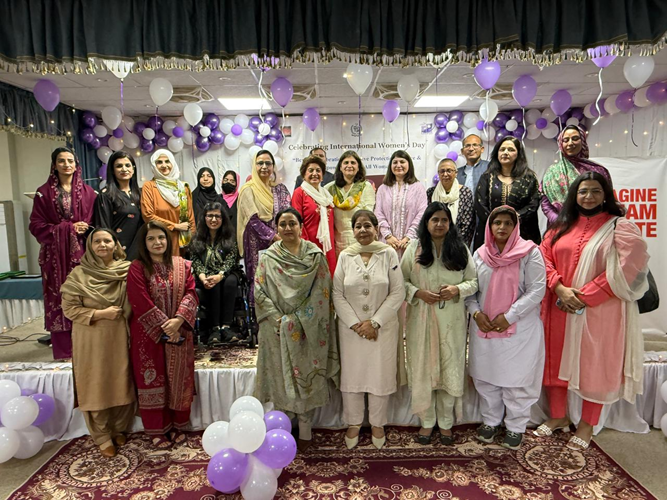
ISLAMABAD, MARCH 11, 2026 – Women Welfare & Development Center, the Ministry of Human Rights (MoHR) in collaboration with Rozan convened a high-level International Women’s Day celebration bringing together senior government officials, civil society leaders, disability rights advocates, and representatives from the private sector. The event, themed “Beyond Celebration: Inclusive Protection, Justice & Empowerment for All Women,” moved beyond ceremonial recognition to deliver substantive dialogue on the structural reforms needed to realize women’s rights across Pakistan.

The gathering featured opening remarks, a multi-stakeholder panel discussion, and closing remarks by Ms. Gulmina Bilal, Chairperson, NAVTTC underscoring the government’s commitment to placing women’s protection and empowerment at the heart of national policy. “Empowering women is not just a social responsibility; it is a national priority that shapes the future of our society.” Said Ms. Gulmina Bilal, Chairperson, NAVTTC.

Ms Asmat Afridi, Deputy Director of Women Welfare & Development Center, opened the event calling for renewed commitment to ensuring every woman regardless of age, ability, or background can access her rights. Ms. Fouzia Yasmin, Director Programmess at Rozan, underscored that empowerment encompasses emotional resilience, informed choice, and the dignity to exercise rights with confidence.  She noted,“I hope today’s discussions inspire us to translate ideas into action, ensuring that empowerment is not just celebrated but realized across every community in Pakistan.”

The centerpiece of the event was a panel discussion on the “Role of Institutions for Advancing Women’s Rights,” moderated by Ms. Meerab Lodhi, Senior Manager at Rozan, featuring five distinguished panelists:

Ms. Shabana Nawaz, Director Social Welfare, MoHR, Ms. Laila Naz Taj, Director, Aga Khan Development Network (AKDN) Pakistan Communications, Ms. Abia Akram, Disability Rights Activist, Ms. Rabia Farhan, Vice President Islamabad Women Chamber of Commerce and Industry, Chairperson Standing Committee on Banking and Finance, CEO Crust and Clusters and Enchanting Horizons of Science , Ms. Sameena Gul, Chairperson, Forum for Awareness and Integrated Development (FAID), Ms. Gulmina Bilal, Chairperson, National Vocational and Technical Training Commission (NAVTTC).

The panel emphaised on strengthening institutional mechanisms for survivor support, inter-agency coordination, and women’s economic and social empowerment through government structures and on amplifying women’s voices in decision-making and supporting young women as leaders and innovators in their communities. The importance of community driven development and ownership and financial inclusion was discussed in detail that allowed for more economic empowerment of women at grass root levels. Discussions focused on the barriers facing women with disabilities and the systemic reforms needed for inclusive protection and economic opportunity. There was an increased focus on intersectional challenges faced by older women and women from marginalized communities, and priorities for advancing women’s rights in Pakistan including GBV survivors, while challenging gender norms through non-traditional training pathways.

FM Dar, Saudi FM discuss ME evolving situation

FM Dar, Saudi FM discuss ME evolving situation

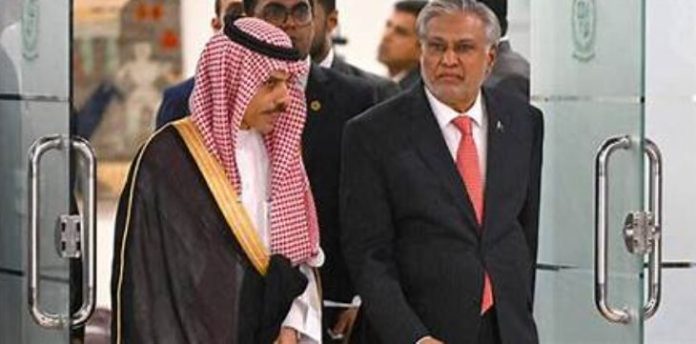
ISLAMABAD, Mar 10: Deputy Prime Minister / Foreign Minister Senator Mohammad Ishaq Dar and Foreign Minister of Saudi Arabia, Faisal bin Farhan Al Saud, Tuesday, discussed evolving developments in the Middle East and the wider region.

They also exchanged views on ongoing deliberations at the United Nations Security Council.

“The DPM/FM shared Pakistan’s perspective, underscoring the importance of continued coordination and diplomatic engagement to support de-escalation and promote peace and stability across the region and beyond,” the Foreign Office Spokespersons said in a press release.

Stay Connected

64FansLike
60FollowersFollow

Latest Reviews

Exchange Rates

USD - United States Dollar
EUR
1.14
GBP
1.34
AUD
0.70
CAD
0.71