Home Blog Page 203

Indonesian peacekeeper kill in Lebanon

Indonesian peacekeeper kill in Lebanon

News Desk

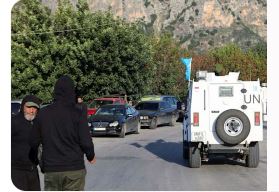
JAKARTA: An Indonesian soldier was killed and three others were injured when artillery fire hit a UN peacekeeping contingent in Lebanon, authorities said on Monday, as Israel expanded its invasion of the country’s south.

The Indonesian unit serving with the UN Interim Force in Lebanon in the southern Lebanese village of Adshit Al-Qusayr was targeted on Sunday evening, amid ongoing exchanges of fire between the invading Israeli forces and armed groups fighting them in the region.

The Indonesian military confirmed the soldier’s identity as Farizal Rhomadhon, a 28-year-old private first class of the army’s 25th Infantry Brigade. A native of Yogyakarta, he is survived by his wife and a 2-year-old daughter.

Armed Forces spokesperson Maj. Gen. Aulia Dwi Nasrullah told state news agency Antara that among the remaining three wounded soldiers, one “sustained serious injuries.”

The Indonesian Ministry of Foreign Affairs called for a “thorough and transparent investigation” and said it reiterated Indonesia’s “condemnation of Israel’s attacks in southern Lebanon and calls on all parties to respect Lebanon’s sovereignty and territorial integrity.”

Israeli forces have been pounding Lebanon with airstrikes and a ground offensive in the south since March 2, after the armed group Hezbollah entered the US–Israeli war on Iran with a retaliatory cross-border attack following the killing of Iran’s former Supreme Leader Ayatollah Ali Khamenei.

Israel’s Prime Minister Benjamin Netanyahu on Sunday instructed its military to expand the invasion, in which at least 1,238 Lebanese have been killed and more than 3,500 wounded, according to Lebanon’s Health Ministry.

UNIFIL peacekeepers have been deployed in Lebanon’s south, which borders Israel, for nearly 50 years.

Indonesia has contributed troops to UNIFIL since 2006, after the operation’s mandate was expanded by the UN Security Council following the Second Lebanon War to help the Lebanese Army keep control over the area.

As of March 2026, the force consists of some 8,200 peacekeepers from 47 troop-contributing countries, with Indonesia contributing more than 750 personnel.

Since the beginning of its latest invasion of southern Lebanon in 2024, Israeli troops have attacked peacekeeping forces multiple times. In October 2024, two Indonesian soldiers were among those wounded when Israeli tanks entered the village of Naqoura, home to UNIFIL headquarters, and fired on peacekeepers.

Mideast crisis: President, PM stress coordinated strategy to tackle challenges

Mideast crisis: President, PM stress coordinated strategy to tackle challenges

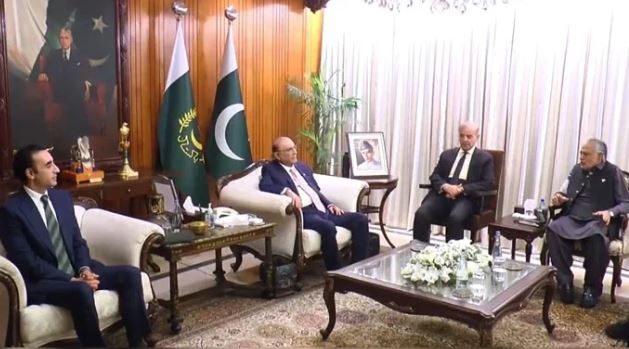
ISLAMABAD: President Asif Ali Zardari and Prime Minister Shehbaz Sharif on Monday stressed the need for a cohesive national strategy and stronger institutional coordination to effectively address key challenges facing the country in the wake of the ongoing US-Israeli war on Iran.

The premier called on the president in Islamabad, where both leaders held detailed consultations on emerging national and regional challenges.

The meeting was attended by Deputy Prime Minister and Foreign Minister Ishaq Dar, former foreign minister Bilawal Bhutto Zardari, Interior Minister Mohsin Naqvi, and National Security Adviser Lieutenant General Asim Malik.

Participants exchanged views on the overall national security situation, with particular focus on the evolving regional environment and its implications for Pakistan. The discussion also covered pressing economic, energy and security challenges confronting the country.

The leadership emphasised the need to adopt a national-level strategy with enhanced institutional coordination to effectively respond to these challenges.

The meeting followed a quadrilateral conference hosted by Islamabad, bringing together the foreign ministers of Pakistan, Saudi Arabia, Turkiye and Egypt to explore ways to de-escalate the Iran conflict.

Pakistan has emerged as a key facilitator between Iran and the United States, serving as an intermediary for messages between the two sides as the war continues.

Sunday talks were attended by Saudi Foreign Minister Prince Faisal bin Farhan, Turkish Foreign Minister Hakan Fidan, and Egyptian Foreign Minister Badr Abdelatty, as Pakistan stepped up diplomatic efforts to help ease tensions in the Middle East.

These efforts come amid attempts to create space for negotiations to end the more than month-long war involving the United States, Israel and Iran, which began on February 28 and has had far-reaching implications across the region.

The conflict has also triggered significant economic repercussions, with disruptions to oil and gas shipments through the Strait of Hormuz exerting pressure on global markets.

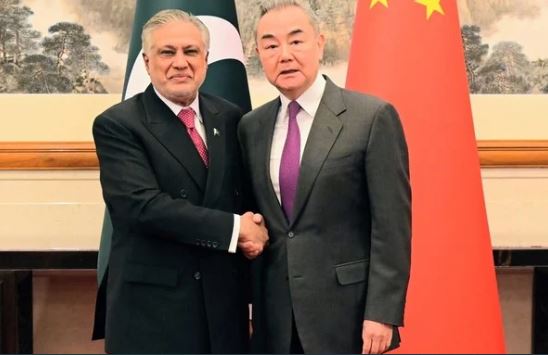
Meanwhile, DPM Dar is set to visit China on March 31 (Tuesday) for in-depth discussions on regional developments, as well as bilateral and global issues of mutual interest, according to the Foreign Office.

Trump signals progress in talks as Iran War enters critical phase

Trump says US military studying 'very strong options' for Iran

The remarks come as Spain has closed its airspace to U.S. military jets involved in strikes on Iran. Spanish Defence Minister Margarita Robles confirmed the decision, which goes beyond an earlier ban on the use of joint U.S.-Spanish bases at Rota and Morón

News Desk

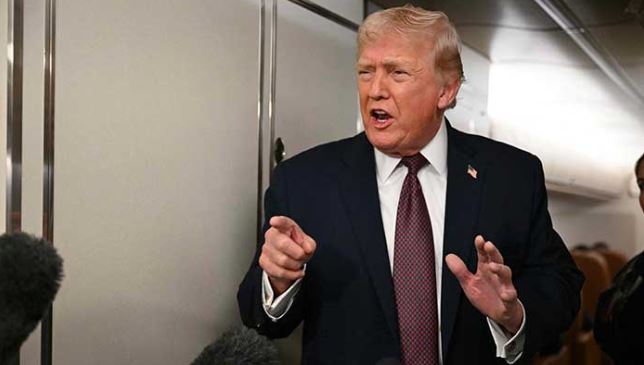
WASHIGNTON, MAR 30 /DNA/ – President Donald Trump announced  that the United States is in “serious discussions” with representatives of a “new regime” in Iran to end ongoing military operations. Speaking from the Oval Office, Trump stated that an agreement “is very much on the cards,” raising hopes for a potential ceasefire amid more than a month of intense conflict.

The remarks come as Spain has closed its airspace to U.S. military jets involved in strikes on Iran. Spanish Defence Minister Margarita Robles confirmed the decision, which goes beyond an earlier ban on the use of joint U.S.-Spanish bases at Rota and Morón. The move forces American aircraft to reroute, highlighting growing European divisions over the war.

In Tehran, Iranian officials are reportedly weighing a withdrawal from the Nuclear Non-Proliferation Treaty (NPT). Semi-official media, including Tasnim, said parliament and other bodies are urgently reviewing the option, arguing the treaty has yielded no benefits for Iran amid the current crisis.

Trump again warned Iran to fully reopen the Strait of Hormuz, threatening to “obliterate” Kharg Island — Iran’s critical oil export terminal — if no deal is reached. He reiterated that the U.S. has multiple options, including possible seizure of the strategic island, to ensure freedom of navigation and protect global oil flows.The developments reflect a mix of diplomatic momentum and continued military pressure as the U.S.-Israel campaign against Iran enters its second month. Markets remain volatile amid fears of prolonged disruption to energy supplies.

US praises Moroccan role in cartel arms network bust

US praises Moroccan role in cartel arms network bust

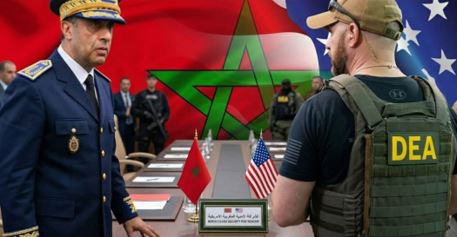
RABAT, MAR 30: /DNA/ – The U.S. Attorney’s Office for the Eastern District of Virginia highlights the operational support provided by the General Directorate of National Security and Territorial Surveillance of Morocco (DGSN-DGST) in two separate investigations targeting an arms trafficking network linked to Latin American cartels and a narco-terrorism operation relying on clandestine financial flows. Court documents describe transnational cooperation involving the U.S. Drug Enforcement Administration (DEA), several African and European agencies, and Moroccan authorities, which led to key arrests and subsequent extraditions to the United States.

The first statement indicates that a Bulgarian arms trafficker, Peter Dimitrov Mirchev, appeared before a federal court after his extradition from Spain, while Kenyan national Elisha Odhiambo Asumo was transferred from Morocco on March 11, 2026, before appearing before a federal judge the following day. The prosecution specifies that the defendants “conspired to illegally supply military-grade weapons to Mexican drug cartels, and in particular to the Jalisco New Generation Cartel, one of Mexico’s most violent and prolific transnational criminal organizations“.

According to the indictment, this network planned to deliver machine guns, rocket launchers, grenades, sniper rifles, anti-personnel mines, and anti-aircraft systems. Investigators state that the defendants “believed the cartel intended to use these weapons to facilitate the illegal trafficking of large shipments of cocaine into the United States .” Clandestine meetings held with individuals presented as representatives of the cartel allegedly facilitated negotiations for arms deals designed to circumvent international controls.

Court documents allege that Mirchev recruited the Kenyan national to obtain a forged end-user certificate. The federal prosecutor’s office maintains that the accomplices “obtained a certificate authorizing the importation of AK-47s before exporting 50 automatic assault rifles from Bulgaria with the intention that the weapons would actually be received by the cartel .” The defendants then allegedly continued discussions to supply larger systems, including surface-to-air missiles, anti-aircraft drones, and ZU-23 batteries.

The statement further specifies that the arrests were carried out simultaneously in several countries. Spanish authorities apprehended Mirchev in Madrid, while Moroccan services arrested Asumo in Casablanca. A Tanzanian national was apprehended in Accra, Ghana, and then extradited to the United States. The prosecutor’s office notes that the investigation was conducted by the DEA’s Bilateral Investigations Unit with the support of international partners, including the Moroccan government, specifically the General Directorate of National Security and the General Directorate of Territorial Surveillance.

Coordinated arrests in an arms trafficking case

The case details a criminal agreement dating back to September 2022, during which several intermediaries allegedly arranged the sale of military-grade weapons to a Mexican cartel. Discussions reportedly involved a list of armaments valued at tens of millions of euros. Prosecutors state that the defendants “continued to conspire to supply even more weaponry to drug cartels, potentially including surface-to-air missiles and other anti-aircraft systems “.

Federal investigators also point out that the Bulgarian arms dealer was allegedly involved in transactions linked to Viktor Bout, who was convicted of terrorist conspiracy and arms trafficking. The prosecution notes that each defendant faces a mandatory minimum sentence of ten years in prison and a potential sentence of life imprisonment. U.S. authorities add that the actual sentences will be determined by a federal judge after reviewing applicable guidelines.

In this case, US authorities attribute a decisive role to Moroccan services in the arrest of the Kenyan national, apprehended in Morocco before his extradition to the United States on March 11, 2026. The statement explicitly mentions cooperation with the Moroccan government, including the DGSN and the DGST, alongside Spanish, Ghanaian authorities and other partners involved in the operation.

Lebanese network and drug trafficking financial transfers

The second statement released by the U.S. Attorney’s Office for the Eastern District of Virginia describes the conviction of a Lebanese-Syrian dual national for narco-terrorist conspiracy and providing material support to a foreign terrorist organization. The prosecution alleges that the defendant, Antoine Kassis, a drug trafficker based in Lebanon, used his political connections to arrange an arms-for-cocaine exchange for armed groups. The prosecution states that Kassis “used his high-level access to the Syrian government to traffic cocaine and weapons, while laundering the proceeds through a Colombian accomplice“.

According to evidence presented at trial, the defendant allegedly negotiated the delivery of weapons from military stockpiles in exchange for hundreds of kilograms of cocaine. U.S. authorities assert that he “intended to oversee the distribution of the cocaine in the Middle East while his accomplices laundered the proceeds on his behalf ” Evidence examined by the jury indicates that members of the network moved nearly one hundred million dollars in less than eighteen months on behalf of criminal organizations.

The statement also mentions a financial transfer operation carried out in August 2024 as part of a controlled delivery coordinated with the DEA. Judicial authorities specify that the investigation involved several regional offices of the American agency, including those in Rabat, Nairobi, Accra, Madrid, and Bogotá. Moroccan services are cited among the partners who provided significant assistance to the investigation. The text indicates that the General Directorate of National Security contributed to the investigations alongside Ghanaian, Kenyan, and Colombian authorities.

Federal prosecutors emphasize that this case relies on extensive international cooperation, involving the DEA’s Special Operations Division and the Justice Department’s Bureau of International Affairs. The statement specifies that partner authorities “provided significant assistance to the investigation, including Morocco’s General Directorate of National Security .” The federal court is scheduled to hand down the sentence on July 2, 2026, with the defendant facing a mandatory minimum sentence of 20 years in prison and a potential sentence of life imprisonment.

UHS–PMAA Drive Empowers Schoolgirls in Self-Defence

UHS–PMAA Drive Empowers Schoolgirls in Self-Defence

By our correspondent

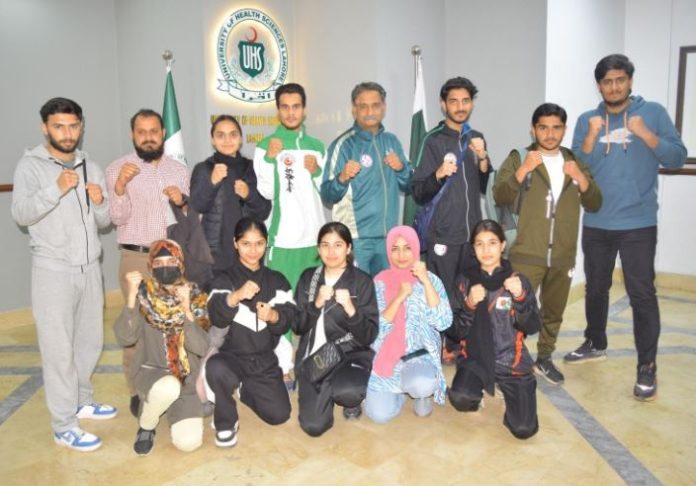
ISLAMABAD: In a significant step toward youth empowerment and grassroots sports development, the University of Health Sciences (UHS) Lahore, in collaboration with the Pakistan Martial Arts Association (PMAA), has launched a large-scale self-defence training initiative for adolescent schoolgirls.

The Adolescent Self-Defence Workshops Program, currently underway in Lahore, Sheikhupura, and Kasur, has already trained more than 2500 students from 30 schools. The initiative leverages martial arts as a structured sporting discipline to enhance physical fitness, agility, and mental resilience, while equipping participants with essential self-defence skills.

Designed as a comprehensive, sports-based training program, the workshops focus on practical combat techniques, situational awareness, and confidence-building exercises. Sessions are being conducted under the supervision of certified PMAA instructors, ensuring both technical precision and strict safety standards.

The training is led by Chief Trainer Anwar Mohiuddin, who also serves as President of PMAA, along with a team of experienced coaches including Abdullah Munir, Muhammad Shakil, Alizae Ijaz, Nimra Nadeem, Hanzla Mohiuddin, Sumaiyya Mohiuddin, Meerab Butt, Ahmed Ali, Mubashir Butt, Javeria, Ayesha Khalid, and Mian Abad. The curriculum integrates discipline, reflex development, controlled sparring, and key elements of modern martial arts, making it both physically engaging and strategically enriching for young athletes.

UHS Vice Chancellor Ahsan Waheed Rathore highlighted the importance of sports in shaping confident and capable youth, noting that the initiative reflects a growing recognition of martial arts as a vital component of girls’ development. “This initiative aligns with the vision of Punjab Chief Minister Maryam Nawaz Sharif to ensure that every girl is trained in self-defence, contributing to a safer, stronger, and more empowered society,” he said.

Prof Dr Sidrah Saleem, Director of the UHS Research and Development Center, emphasised the developmental impact of such programs. “Self-defence education is an essential part of adolescent growth. Through these workshops, UHS is investing in the strength, confidence, and independence of young girls, while promoting resilience, courage, and leadership,” she said.

Chief Trainer Anwar Mohiuddin underscored the broader purpose of the initiative, stating, “Martial arts is not merely a sport; it is a life skill. Our mission is to make every girl strong, prepared, and confident.” He added that the response from students, parents, and schools has been overwhelmingly positive, with participants demonstrating increased confidence and awareness.

PM Shehbaz, António Costa vow dialogue to resolve Gulf, Iran tensions

PM Shehbaz, António Costa vow dialogue to resolve Gulf, Iran tensions

Ansar M Bhatti

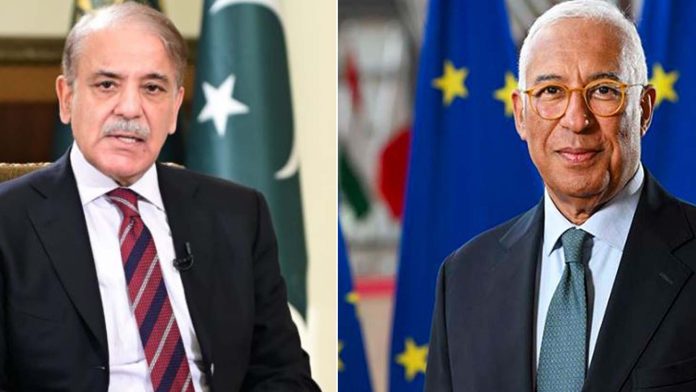
ISLAMABAD, MAR 30 /DNA/ – Prime Minister Muhammad Shehbaz Sharif received a telephone call from António Costa, President of the European Council, this afternoon.

In a warm and cordial conversation, the two leaders discussed the ongoing hostilities in the Middle East, with a particular focus on the escalating crisis involving Iran and Gulf countries. Both expressed deep concern over the conflict’s severe impact on regional stability and the global economy.

They stressed the urgent need to resolve the crisis through sustained dialogue and diplomatic channels. Prime Minister Sharif briefed President Costa on the latest developments in Pakistan’s mediation efforts aimed at de-escalating tensions in the Middle East. President Costa endorsed Pakistan’s peace initiatives and reaffirmed the European Union’s strong support for all diplomatic efforts directed at restoring peace and stability in the region.

The leaders also exchanged views on strengthening Pakistan-EU relations. Highlighting the high importance Pakistan attaches to its partnership with the EU, Prime Minister Sharif recalled that his scheduled visit to Brussels had to be postponed last month. President Costa expressed his anticipation in welcoming the Prime Minister to Brussels at mutually convenient dates.

Prime Minister Sharif underscored the significance of the GSP Plus scheme and conveyed his keen interest in inaugurating the first-ever Pakistan-EU Business Forum, scheduled for April 28-29, 2026, in Islamabad. He also extended his good wishes to H.E. Ms. Ursula von der Leyen, President of the European Commission.

PM vows not to abandon needy masses as efforts underway for further public relief

Shehbaz Sharif

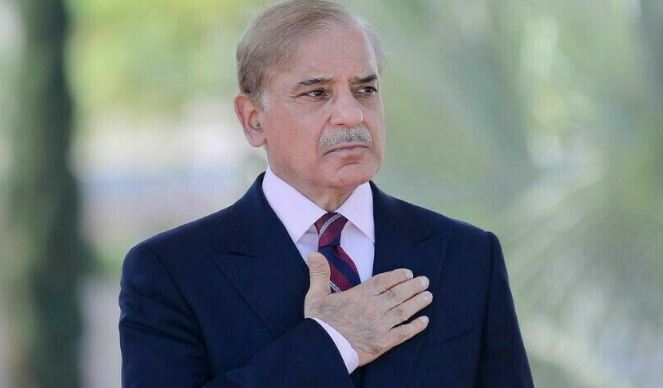
ISLAMABAD, Mar 30: Prime Minister Shehbaz Sharif on Monday said that the government was making every effort to provide further relief to the poor and middle-income class, and vowed not to abandon them in this challenging time.

The prime minister, chairing a meeting to review the impact of the Middle East situation on petroleum products, availability of current stocks, and public relief measures, said that by using digital systems, public relief would be delivered directly to the common man.

He said that government expenditures and the development budget had been slashed, and 60 percent of official vehicles had been grounded to initiate austerity from within.

The prime minister said that the proposals to hike fuel prices had been repeatedly rejected, and the funds saved through austerity measures were being utilized for public relief.

He said that owing to the timely decisions, the disruption in the supply of fuel had been averted despite the global crisis.

He told the participants of the meeting that Pakistan was making vigorous diplomatic efforts to restore regional peace.

A detailed briefing was given to the participants on the implementation of government measures for fuel conservation, future course of action, and the current stock position.

It was told that the coordination was underway with the provincial governments to expedite the ownership registration of motorcycles and rickshaws to provide them with swift relief.

An Intelligence Bureau audit report was also presented to the meeting regarding the implementation of the prime minister’s fuel-saving and austerity campaign.

It was informed that the strict implementation of the prime minister’s austerity and simplicity drive was being ensured.

The meeting was told that sufficient stocks of fuel were available to meet the country’s needs, and arrangements were also being made for the future. Despite an increase in the levy on the high-octane fuel used in the luxury vehicles, the prices of the jet fuel remained unchanged.

It was also informed that an adequate stock of medicines was available to fulfill the country’s requirements, and proposals regarding the future course of action were also presented to the meeting.

The meeting was attended by Deputy Prime Minister and Foreign Minister Ishaq Dar, federal ministers Khawaja Muhammad Asif, Ahsan Iqbal, Dr. Musadik Malik, Ahad Khan Cheema, Syed Mustafa Kamal, Muhammad Aurangzeb, Ataullah Tarar, Ali Pervez Malik, Shaza Fatima Khawaja, Rana Mubashir Iqbal, Sardar Awais Khan Leghari, Advisor to PM Rana Sanaullah, Minister of State Bilal Azhar Kiani, special assistants Tariq Fatemi and Talha Burki, MNAs Engineer Qamar-ul-Islam, Riaz-ul-Haq and Hafiz Muhammad Numan, and other senior officials.

After quad talks, PM thanks FMs for confidence in Pakistan’s peace efforts

After quad talks, PM thanks FMs for confidence in Pakistan’s peace efforts

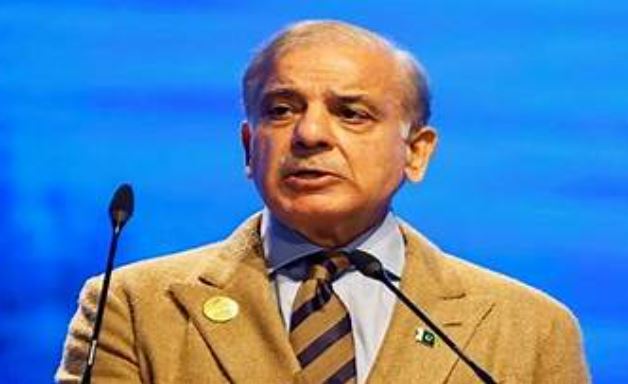
ISLAMABAD, Mar 30: Prime Minister Shehbaz Sharif on Monday thanked the foreign ministers of Saudi Arabia, Turkiye and Egypt for expressing confidence in Pakistan’s sincere efforts for peace and stability in the region.

The prime minister, who met with Foreign Minister of Saudi Arabia Prince Faisal bin Farhan, Turkish Foreign Minister Hakan Fidan and Dr. Badr Abdelatty of Egypt on Sunday, expressed pleasure to receive them for the quadrilateral meeting to discuss the situation in the Middle East.

On two different posts on his X timeline, the prime minister said that during the meeting with the foreign ministers of Turkiye and Egypt, he stressed the need for collective efforts to urgently bring an end to hostilities that were causing heavy loss of life, economy, and property not only in Iran, but across several brotherly Muslim countries.

While appreciating the valuable contributions of Turkiye and Egypt, Prime Minister Shehbaz reaffirmed Pakistan’s strong commitment and resolve to play a positive role in bringing both Iran and the US to the negotiating table.

“Grateful for their confidence in Pakistan’s sincere efforts for regional peace and stability,” he remarked.

During the meeting with Saudi Foreign Minister Prince Faisal bin Farhan, the prime minister conveyed his respectful regards to Saudi King Salman bin Abdulaziz Al Saud and warm greetings to Saudi Prime Minister and Crown Prince Mohammed bin Salman.

He reaffirmed Pakistan’s unwavering solidarity with the Kingdom and appreciated Saudi Arabia’s remarkable restraint in these challenging times.

Recognizing the Kingdom’s leadership role in the Muslim Ummah, Prime Minister Shehbaz underscored the importance of unity among Islamic countries.

Both sides also agreed to remain in close coordination in our shared pursuit of peace and stability in the region.

DPM Dar set to visit China after Pakistan pushes for regional peace amid ME tensions

DPM Dar set to visit China after Pakistan pushes for regional peace amid ME tensions

ISLAMABAD: Deputy Prime Minister and Foreign Minister Ishaq Dar will visit China on March 31 at the invitation of Chinese Foreign Minister Wang Yi, as Pakistan steps up diplomatic engagement amid the ongoing war involving Iran, the United States and Israel.

A statement released by the Foreign Office on Monday said Pakistan and China enjoy an all-weather strategic cooperative partnership, marked by close coordination and regular consultations on regional and international issues.

The FO said Dar’s visit would provide an opportunity for both sides to hold in-depth discussions on regional developments, as well as bilateral and global issues of mutual interest.

The statement added that Dar’s decision to proceed with the visit despite medical advice to rest following a hairline shoulder fracture suffered yesterday reflected the importance Pakistan attaches to its relationship with China.

The visit comes at a time when Pakistan has emerged as a key facilitator between Iran and the United States, serving as an intermediary for messages between the two sides as the war continues.


Pakistan has also intensified efforts to help reduce tensions in the region through broader diplomatic engagement.

On Sunday, DPM Dar said a quadrilateral meeting of the foreign ministers of Pakistan, Saudi Arabia, Türkiye and Egypt had called for an immediate and permanent end to the ongoing war in the Middle East.

In a televised address after the meeting in Islamabad, Dar said Pakistan had hosted the talks to discuss a range of issues, including efforts to ease rising regional tensions caused by the US-Israeli war on Iran.

The meeting was attended by Saudi Foreign Minister Prince Faisal bin Farhan, Turkish Foreign Minister Hakan Fidan, and Egyptian Foreign Minister Badr Abdelatty, and came as Islamabad stepped up efforts to help de-escalate the situation in the Middle East.

The diplomatic push comes amid attempts to create a window for negotiations to end the more than month-long war between the United States, Israel and Iran, which began on February 28 and has affected the wider Middle East.

The conflict has also had serious economic consequences, with Iran’s effective blockade of oil and gas shipments through the Strait of Hormuz since the attacks began causing economic pain across the world.

As the war entered its second month, there were no signs of a slowdown. According to reports, Israel’s military launched more than 140 air strikes over a 24-hour period on central and western Iran, including Tehran, targeting ballistic missile launch sites and storage facilities, among other locations.

The war has killed thousands of people and has also affected other countries in the region. Over the weekend, major aluminium plants in Bahrain and the United Arab Emirates were damaged in air strikes.

The UAE is also seeking reparations from Iran for attacks on civilians and critical facilities, along with guarantees to prevent any repeat of such incidents.

The conflict widened further after Yemen’s Iran-aligned Houthis joined the war on Saturday by launching their first attacks on Israel, raising fears that they could target and potentially block another key shipping route, the Bab el-Mandeb Strait. Israeli authorities said on Sunday they had intercepted two drones launched from Yemen.

Iran vs U.S.: When Demands Collide, Can Peace Survive?

Qamar Bashir

Qamar Bashir

The Middle East today is not witnessing a single war, but a convergence of multiple battlefields—each feeding into the other and pushing the region toward a dangerous tipping point. What began as a confrontation between Iran, Israel, and the United States has now expanded into a multi-front conflict involving Lebanon, Yemen, the Gulf states, and beyond. The war is no longer linear; it is layered, interconnected, and increasingly uncontrollable.

One of the most intense theaters of this conflict is southern Lebanon, where Israeli operations have escalated dramatically. Infrastructure—bridges, homes, businesses—has been systematically targeted under the justification of creating a “buffer zone” to prevent missile threats. The humanitarian cost has been devastating: over a thousand civilians killed and more than a million displaced, forced into survival conditions that resemble a humanitarian catastrophe.

This front is deeply linked with the broader Iran-Israel confrontation. Analysts like Scott Ritter argue—controversially—that Lebanon’s political leadership has failed to defend its sovereignty, enabling external aggression. While such claims remain debated, they reflect a growing perception of state fragility in the region.

Ritter also warns that if Israel commits to a ground invasion, it risks repeating its past miscalculation, when Hezbollah forced Israeli withdrawal from southern Lebanon. In that sense, Lebanon could become a strategic trap—just as Iraq and Afghanistan became prolonged quagmires for the United States.

Against this volatile backdrop, Iran has articulated a five-point framework for negotiation. This proposal comes in direct response to what Tehran considers a “one-sided” and “maximalist” U.S. plan that demands strategic capitulation.

The first Iranian demand is simple and fundamental: an immediate cessation of attacks by the United States and Israel. From Tehran’s perspective, no negotiation can take place under active bombardment.

The second demand, however, is the most critical—and the most transformative. It calls for binding guarantees that Iran will not be attacked again. On the surface, this appears reasonable. But its implicit meaning is far deeper and far more consequential.

Iran is not asking for verbal assurances—it is demanding structural change. In essence, this demand implies that the United States must dismantle the very infrastructure that makes repeated attacks possible. This includes the network of U.S. military bases spread across the Middle East—particularly in the Gulf Cooperation Council countries and other regional states—that have historically been used to project power toward Iran.

From Tehran’s perspective, as long as these bases exist, any promise of peace is hollow. A missile launched from a distant continent is one thing; a missile launched from a nearby base is an immediate existential threat. Therefore, Iran’s logic is uncompromising: peace cannot coexist with a permanent war infrastructure positioned at its doorstep.

This makes the second demand the cornerstone of Iran’s entire proposal. It is not just about security—it is about redefining the regional balance of power. Accepting it would require the United States to rethink decades of military strategy in the Middle East, potentially withdrawing or significantly reducing its forward presence.

For Washington, this is a strategic red line. Its military bases are not only about Iran but about securing energy routes, maintaining alliances, and projecting global influence. Removing them would reshape the geopolitical order of the region.

This is why this clause is likely to become the breaking point in negotiations. It is binary—either the infrastructure of threat is removed, or it remains. There is little room for compromise. And if it remains, Iran believes that history will repeat itself: negotiations will occur, promises will be made, and attacks will follow.

The third demand introduces an economic dimension. Iran seeks recognition of its rights over the Strait of Hormuz—one of the most critical energy corridors in the world. Tehran proposes imposing transit or security fees on ships passing through, arguing that such a mechanism would help it recover war-related losses and assert sovereign control.

The fourth demand focuses on reparations. Iran calls for compensation for civilian casualties and infrastructure destruction, proposing an international mechanism to assess damages and enforce payments. This reframes Iran not as an aggressor, but as a state seeking justice under international law.

The fifth demand expands the scope of peace. Iran insists that Israel must cease attacks not only on Iran but also on regional actors aligned with it—in Lebanon, Syria, Iraq, and Yemen. This reflects Iran’s broader strategic vision: that regional peace cannot be achieved through isolated agreements but requires a comprehensive de-escalation.

When compared with the United States’ 15-point plan—which includes dismantling Iran’s nuclear program, restricting its missile capabilities, and ending its regional alliances—the gap becomes stark.  The U.S. framework seeks to limit Iran’s power; Iran’s framework seeks to remove threats against it.

Both sides are effectively boxed into opposing paradigms. For the United States, compromise risks weakening its strategic dominance. For Iran, compromise risks surrendering sovereignty and deterrence.

In this rigid standoff, any concession by either side would be perceived not as compromise but as capitulation. This is precisely why diplomacy has stalled and why the risk of escalation continues to intensify. This evolving reality also reflects a broader and more troubling pattern in U.S. strategic behavior.

From the prolonged engagement in the Vietnam War, to nearly a decade of conflict following the Iraq War, and two decades of entanglement in the War in Afghanistan, the United States has repeatedly found itself embedded in extended conflicts. Now, with Afghanistan no longer serving as a theater of engagement, a new front appears to be taking shape—one that risks drawing Washington into another prolonged and complex confrontation. This raises a critical question: whether sustained geopolitical engagement through conflict has become an embedded feature of U.S. strategic doctrine, where controlled instability in key regions is perceived as serving long-term national interests, even if those interests are not always clearly articulated.

At this critical juncture, what is required is not conventional diplomacy, but a deliberate, sincere, and strategically articulated effort to bring both parties out of their entrenched positions. A meaningful resolution will not emerge from forcing one side to surrender, but from crafting a mutually acceptable, win-win framework—one that preserves sovereignty while addressing security concerns.

Without this shift, the trajectory is clear. The war will expand, new fronts will open, and the region will descend deeper into instability. The pattern is not new. From Vietnam to Iraq to Afghanistan, history has shown that wars born out of strategic rigidity often evolve into prolonged quagmires. The danger now is that the Middle East is on the verge of becoming the next chapter in that pattern.

And while states negotiate, calculate, and posture, it is the civilians—from Lebanon to Iran and beyond—who continue to pay the price.

In the end, this is not just a war of missiles and military might. It is a war of narratives, perceptions, and strategic visions. And unless those visions can be reconciled through genuine diplomacy, the region risks remaining trapped in a cycle of conflict with no clear end.

Qamar Bashir

Press Secretary to the President (Rtd)

Former Press Minister, Embassy of Pakistan to France

Former Press Attaché to Malaysia

Former MD, SRBC | Macomb, Michigan

Stay Connected

64FansLike
60FollowersFollow

Latest Reviews

Exchange Rates

USD - United States Dollar
EUR
1.14
GBP
1.34
AUD
0.70
CAD
0.71