Home Blog Page 198

Iran values Pakistan’s role, insists on war termination terms

Iran values Pakistan’s role, insists on war termination terms

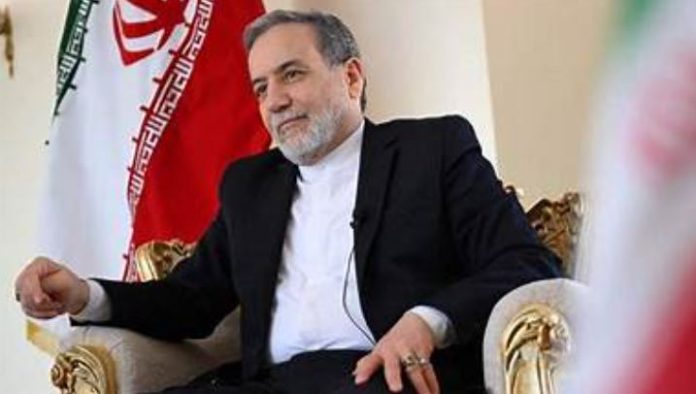
ISLAMABAD, APR 4 /DNA/ – Foreign Minister of Iran, Seyyed Abbas Araghchi, has expressed deep gratitude for Pakistan’s diplomatic efforts while clarifying that Tehran has never refused to travel to Islamabad. Speaking on the sidelines of ongoing engagements, Araghchi stated, “We are deeply grateful to Pakistan for its efforts and have never refused to go to Islamabad. What we care about are the terms of a conclusive and lasting END to the illegal war that is imposed on us.”

His remarks, shared via the official X handle of the Embassy of the Islamic Republic of Iran in Pakistan (@IraninIslamabad), underline Iran’s readiness for dialogue but with a firm precondition: a definitive and sustainable conclusion to what it terms an externally imposed conflict.

The statement signals a nuanced diplomatic stance, appreciating Pakistan’s mediation role while reiterating Tehran’s core demand for war termination on clear terms. Analysts suggest this could pave the way for high-level talks in Islamabad if both sides align on ceasefire and resolution frameworks.

Climate Change and Erratic Weather in Pakistan

Climate Change and Erratic Weather in Pakistan

By Oshaz Fatima

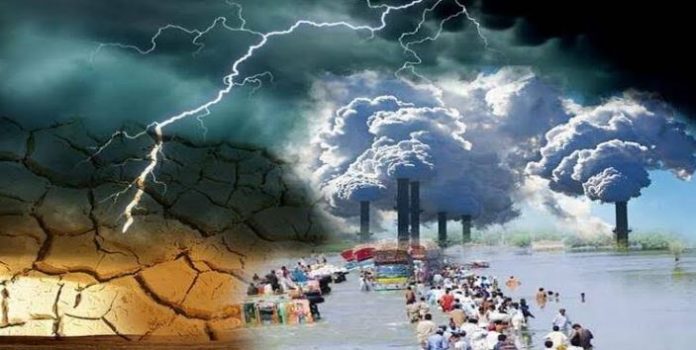
This April, across Punjab and much of Pakistan, the weather has not followed its usual rhythm. Instead of a steady transition into summer, many regions have been caught between bursts of heat, overcast skies, and repeated spells of nighttime rain. For people accustomed to predictable seasonal shifts, this pattern feels unfamiliar and difficult to explain, especially when warm afternoons are followed by cool, rain-soaked evenings. What once appeared to be a reliable progression from spring to summer now seems unsettled, raising an important question about whether this is simply unusual weather or part of a deeper and more persistent change.

Under normal conditions, the transition from March to April in Punjab is relatively consistent. March brings moderate temperatures, with average highs ranging between 25°C and 28°C, along with occasional rainfall. By April, temperatures typically rise above 32°C, while rainfall declines significantly to an average of 15 to 25 millimeters for the entire month. However, recent observations suggest a departure from this pattern. Data from the Pakistan Meteorological Department has indicated higher-than-average rainfall events in early April in several parts of Punjab, along with unusual fluctuations in temperature. In some areas, short heat spells have been interrupted by sudden rainstorms, creating a pattern that does not align with historical climate behavior.

These changes are not limited to Pakistan alone. According to the Intergovernmental Panel on Climate Change, global surface temperatures have already risen by approximately 1.1°C above pre-industrial levels, a shift that is sufficient to disrupt long-established weather systems. Warmer air holds about 7 percent more moisture for every 1°C increase in temperature, which directly contributes to more intense and unpredictable rainfall. This explains why regions that would typically experience dry conditions during this time of year are now witnessing sudden and sometimes heavy precipitation.

In Pakistan, the situation is further influenced by western disturbances, which are weather systems originating from the Mediterranean region. Historically, these systems have brought winter and early spring rainfall that supports agriculture and replenishes water resources. However, recent trends indicate that their frequency and intensity are changing. Research published by the World Bank highlights that South Asia has seen an increase in erratic precipitation patterns, with rainfall events becoming more concentrated and less evenly distributed. This means that instead of light, spread-out rain, regions are more likely to experience sudden downpours followed by dry spells, a pattern that aligns closely with what is currently being observed.

The consequences of these shifts extend well beyond daily inconvenience. Agriculture, which contributes nearly 19 percent to Pakistan’s GDP and employs about 38 percent of the workforce, is highly dependent on predictable weather. Crops such as wheat, which is harvested in April, are particularly vulnerable to unexpected rainfall. Even a few days of untimely rain can damage grain quality and reduce yields, affecting both farmers’ incomes and national food security. A report by the Food and Agriculture Organization has warned that climate variability is already impacting crop productivity in Pakistan, with increasing risks expected in the coming decades.

Urban areas across Punjab face a different set of challenges. Rapid urbanization has reduced green cover and increased the amount of concrete infrastructure, which absorbs and retains heat. This creates urban heat islands, where temperatures can be several degrees higher than surrounding rural areas. At the same time, drainage systems in many cities are not designed to handle sudden, heavy rainfall. According to estimates from local government assessments, even moderate rain can lead to water accumulation in low-lying areas, disrupting traffic and increasing the risk of waterborne diseases. The combination of rising temperatures and erratic rainfall places additional strain on already stretched urban systems.

Pakistan’s vulnerability to climate change is widely recognized at the global level. Despite contributing less than one percent to global greenhouse gas emissions, the country ranks among the top ten most climate-vulnerable nations, according to the Global Climate Risk Index. The floods of 2022 provided a stark illustration of this vulnerability. Triggered by extreme monsoon rainfall, the disaster affected more than 33 million people and caused economic losses exceeding 30 billion US dollars. While such large-scale events draw international attention, smaller but persistent changes, such as shifting rainfall patterns and temperature variability, are equally significant because they gradually reshape living conditions and economic stability.

The science behind these changes is well established. Greenhouse gases such as carbon dioxide and methane trap heat in the atmosphere, leading to a rise in global temperatures. This warming affects atmospheric circulation, altering the movement of weather systems and making them less predictable. At the same time, increased evaporation due to higher temperatures adds more moisture to the atmosphere, which can result in heavier rainfall when conditions trigger precipitation. Urbanization and deforestation further intensify these effects by reducing natural cooling processes and weakening the environment’s ability to absorb excess water.

Addressing these challenges requires a combination of mitigation and adaptation strategies. One of the most immediate priorities is improving urban infrastructure. Cities across Punjab need to upgrade drainage systems to manage heavier rainfall and reduce flooding risks. Expanding green spaces can help absorb rainwater and lower temperatures, while improved building designs can enhance resilience against heat. These measures are essential in preparing urban areas for increasingly variable weather conditions.

Energy transition is another critical area. Pakistan’s reliance on fossil fuels contributes to both local pollution and global emissions. Shifting toward renewable energy sources, particularly solar power, offers a practical solution. With high levels of solar radiation across much of the country, Pakistan has significant potential to expand solar energy use. According to the International Renewable Energy Agency, increasing renewable energy capacity could significantly reduce emissions while also improving energy security. Government incentives and supportive policies can accelerate this transition and encourage wider adoption.

Protecting natural ecosystems is equally important. Forests and wetlands play a vital role in regulating climate by absorbing carbon dioxide and maintaining ecological balance. Pakistan’s forest cover remains relatively low, at around 5 percent of total land area, compared to the global average of about 31 percent. Increasing forest cover through reforestation initiatives can help mitigate climate change while also improving local environmental conditions. Wetland conservation is also essential for managing water resources and reducing flood risks.

Agriculture must adapt to changing conditions to remain sustainable. Developing crop varieties that can withstand temperature fluctuations and irregular rainfall is crucial. Adjusting planting and harvesting schedules based on updated climate data can help reduce losses. Improving irrigation efficiency is also necessary, as water availability is becoming increasingly uncertain. Supporting farmers through education, financial assistance, and access to technology will be key to ensuring resilience in the agricultural sector.

Public awareness and behavioral change are fundamental to long-term progress. While individual actions may seem small, they collectively contribute to significant impact. Reducing energy consumption, conserving water, and minimizing waste are practical steps that can be taken at the household level. At the same time, raising awareness about climate change encourages broader societal engagement and supports policy measures aimed at environmental protection.

Effective governance is essential in coordinating these efforts. Environmental regulations must be enforced consistently, and investments in research and data collection should guide decision-making. Collaboration with international organizations can provide access to resources and expertise, helping Pakistan strengthen its response to climate challenges. Policies must be adaptable and forward-looking, reflecting the evolving nature of climate risks.

Adaptation is equally important, as some impacts of climate change are already unavoidable. Early warning systems for extreme weather events can reduce risks and save lives. Strengthening public health systems can address climate-related illnesses, including heat stress and waterborne diseases. Infrastructure must be designed to withstand a wider range of weather conditions, ensuring long-term resilience.

The changing nature of April across Punjab and Pakistan is a clear indication that climate change is no longer a distant concern. The increasing unpredictability of weather patterns reflects a broader transformation that is already underway. While occasional rain in April may seem like a minor deviation, it is part of a larger shift that has far-reaching implications. Recognizing this change is the first step toward addressing it. The responsibility now lies in taking informed and decisive action to ensure that future generations inherit a climate that remains manageable rather than one that continues to grow more uncertain.

The author can be reached at [email protected]

1,000 Pakistani agricultural professionals trained in China 

1,000 Pakistani agricultural professionals trained in China 

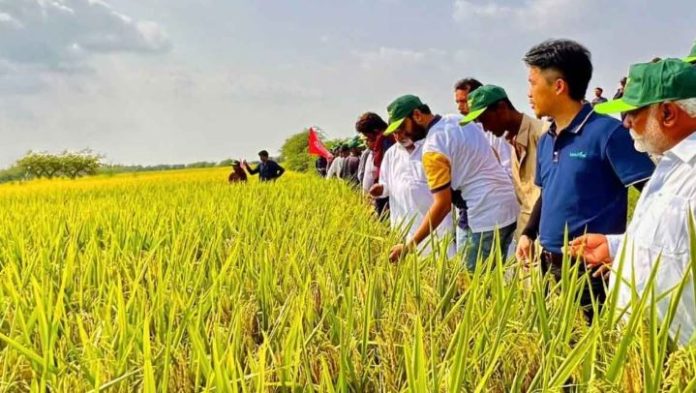
ISLAMABAD/LAHORE, APR 4 /DNA/ – A ‘Pakistan Achievement Showcase’ was held in Lahore to highlight the successful training of 54 agricultural professionals in China in advanced seed production and processing.   

The initiative was taken under the Prime Minister’s Initiative: Short-Term Training of 1,000 Pakistani Agricultural Professionals in China, in continuation of the roadmap for effective utilisation of trained graduates.     

Organised by Wuhan Qingfa Hesheng Seed Co., Ltd., the showcase demonstrated the transition from training to practical application in Pakistan through field-based sessions, knowledge sharing, and engagement with local stakeholders. The trainees presented the outcomes of applied learning and China-Pakistan collaboration, showcasing progress in workforce development and seed sector modernisation.

The event underscored a model of two-way cooperation, linking international training with local innovation, and reaffirmed the initiative’s role in enhancing agricultural productivity, food security, and rural development in line with national priorities.

This achievement reinforces the commitment of HEC and its partners to transform “Trained in China” into “Utilized in Pakistan”, turning knowledge into impact and partnerships into progress.

FPCCI welcomes petrol relief, warns HSD threatens exports

FPCCI welcomes petrol relief, warns HSD threatens exports

ISLAMABAD, APR 4 /DNA/ – Atif Ikram Sheikh, President of the Federation of Pakistan Chambers of Commerce & Industry (FPCCI), has welcomed the Prime Minister’s decision to provide partial relief in petroleum prices through halving the petroleum development levy (PDL).

President FPCCI, however, maintained that the apex trade body urgently calls for the implementation of a safety net for the country’s export sectors – warning that high-speed diesel (HSD) prices and compounded operational costs continue to threaten Pakistan’s global competitiveness.

Mr. Atif Ikram Sheikh stated that, while the last night’s downward revision in petrol prices offers some breathing room to the public and the business community following a historic price shock, it is not enough to secure the nation’s macroeconomic stability. We appreciate the government’s intervention to pull petrol prices back down to Rs. 378 per liter. It shows a willingness to listen to the distress calls of the industry, he added

FPCCI Chief stressed that, with High-Speed Diesel remaining at an astronomical Rs. 520 per liter, our flagship export industries are still staring at a complete loss of competitiveness on the global stage. We desperately need a dedicated safety net for exporters to prevent widespread de-industrialization, he added.

Mr. Atif Ikram Sheikh has reiterated that there will be catastrophic ripple effects that prolonged high freight and logistics costs will have on export targets. Textile and manufacturing sectors are facing multiplied transportation charges that have drastically inflated production overheads. Without a targeted safety net, inevitable factory closures, shift reductions and unemployment will follow, he warned.

Mr. Saquib Fayyaz Magoon, SVP FPCCI, elaborated that Small and Medium Enterprises (SMEs) – which form the backbone of our export supply chain – lack the financial muscle of larger enterprises. They are facing an immediate liquidity crisis that a partial reduction in petrol alone cannot solve, he added.

Mr. Saquib Fayyaz Magoon pointed out that regional competitors such as India, Bangladesh, China and Vietnam have managed their energy crises with significantly lower domestic fuel price hikes – putting Pakistani exporters at a severe disadvantage.

Mr. Saquib Fayyaz Magoon added that, for industry to survive, the government must devise a strategic safety net. This should include a complete suspension of the Petroleum Development Levy (PDL) for export-oriented manufacturing and a fast-tracked transition to alternative energy sources. We cannot afford to erode our foreign exchange earnings at this critical juncture, he added.

FPCCI leadership concluded by urging an emergent, consultative dialogue with the Ministry of Finance, the Ministry of Commerce and the Ministry of Petroleum. The Federation stressed that protecting the export sector is not just an industrial priority; but, a matter of national economic security.

Traffic Police issued travel advisory amid rainfall

Traffic Police issued travel advisory amid rainfall

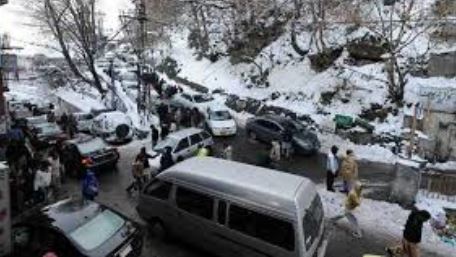
RAWALPINDI, Apr 03: Intermittent rainfall continued throughout Friday in Murree, making roads slippery and hazardous for commuters. In view of the prevailing weather conditions, the City Traffic Police Murree has issued a special travel advisory for residents and tourists.

According to the directives issued by Chief Traffic Officer (CTO) Murree, Imran Razzaq, drivers have been urged to exercise extreme caution while driving in the rain. Citizens have been advised to maintain low speeds and avoid sudden braking to prevent accidents.

The advisory emphasizes the proper use of vehicle wipers and headlights, while maintaining a safe distance from the vehicle ahead. Drivers have also been strictly cautioned against overtaking on slippery roads and instructed to take extra care while taking sharp turns in hilly areas.

Authorities further advised motorists to ensure that their vehicles are in proper condition before traveling, particularly checking tires, brakes, and wipers. In cases of fog or heavy rain, the use of fog lights has been strongly recommended.

The City Traffic Police has also urged the public to avoid unnecessary travel and stay updated on weather conditions. In case of any emergency, citizens can contact the traffic helpline at 051-9269200.

A spokesperson for the City Traffic Police Murree stated that adherence to these guidelines can help ensure the safety of precious lives.

Islamabad jolted by earthquake

Islamabad jolted by earthquake

Mahnoor Ansar

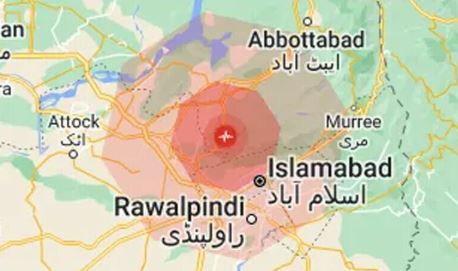
ISLAMABAD, APR 3: /DNA/ – Islamabad was jolted by noticeable earthquake tremors on Friday, April 3, 2026, with strong shaking reported across the federal capital and the twin city of Rawalpindi, sending residents rushing out of homes and offices in panic. The tremors were also widely felt in Lahore and several other districts of Punjab province, causing momentary fear among people in densely populated urban areas.

According to initial reports from residents and local authorities, the shaking lasted for a noticeable duration in many places, with people describing it as moderate to strong in intensity. Social media platforms quickly filled with real-time accounts from Islamabad, Lahore, and various parts of Punjab as citizens shared their experiences and checked on loved ones.

Fortunately, no casualties or major structural damage have been reported so far. Emergency services and rescue teams remain on high alert while teams from the Pakistan Meteorological Department (PMD) and the National Seismic Monitoring Centre assess the situation and gather precise data on the quake’s magnitude, epicenter, and depth.

Pakistan lies in a seismically active zone, and such tremors serve as a reminder for residents to stay prepared for possible aftershocks. Officials have advised people to follow standard earthquake safety measures: drop, cover, and hold on during shaking; stay away from buildings if outdoors; and avoid using elevators.

Middle East war UAE asks Pakistan to return loan

Middle East war UAE asks Pakistan to return loan

The input also notes that Saudi Arabia and China have reportedly asked Pakistan to repay their loans as well. This aligns with Pakistan’s heavy reliance on rollovers from “friendly countries.

Safiullah Ansar

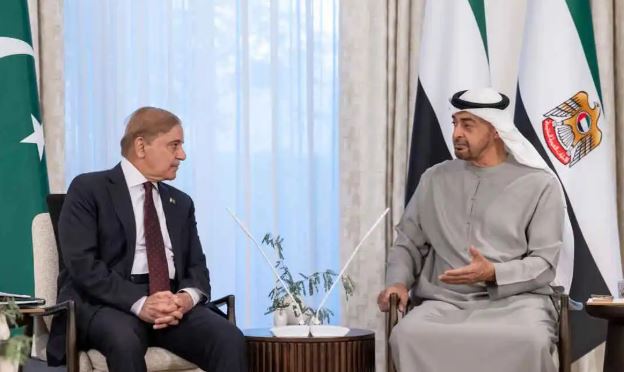
ISLAMABAD: Pakistan has decided to repay a $2 billion deposit to the UAE by the end of April 2026, according to sources, amid shifting dynamics in its bilateral financial relations and broader regional tensions.

 Islamabad plans to return the $2 billion—held as a safe deposit with the State Bank of Pakistan (SBP)—to Abu Dhabi by the end of this month. Pakistan has been paying around 6% interest on the facility (recent short-term rollovers were at approximately 6.5%). The UAE had previously rolled over the deposit on an annual basis, but shifted to short-term extensions in late 2025 and early 2026: first a one-month rollover, then a two-month extension until April 17, 2026, following outreach by Deputy Prime Minister Ishaq Dar.

 This $2 billion forms part of a larger $3 billion placement by the Abu Dhabi Fund for Development in three $1 billion tranches. Two tranches matured in January 2026 and received brief rollovers; the third is due in July 2026. Pakistan had sought a longer-term rollover (up to two years at a lower rate), but received only short-term relief ahead of key IMF reviews under the $7 billion Extended Fund Facility.

 The input also notes that Saudi Arabia and China have reportedly asked Pakistan to repay their loans as well. This aligns with Pakistan’s heavy reliance on rollovers from “friendly countries.” For the current fiscal year, Islamabad is seeking to roll over approximately $12 billion in external deposits, including:~$5 billion from Saudi Arabia , ~$4 billion from China

$3 billion from the UAE (of which $2 billion is now under repayment pressure)

These facilities have been critical for bolstering SBP reserves and meeting IMF conditions, but they are often renewed annually or short-term rather than converted to longer-term, lower-cost arrangements despite Pakistani requests (e.g., converting Saudi deposits to a 10-year facility or expanding deferred oil payments).

 Pakistan’s external debt management remains fragile, with significant maturing obligations. While SBP officials have previously stated there is “no demand” for immediate full repayment of the UAE facility and that talks continue, the latest sources indicate a decision to repay the $2 billion tranche soon. A third $1 billion UAE tranche remains due in July.

This development highlights Pakistan’s ongoing dependence on bilateral support from Gulf and Chinese partners to stabilize reserves, especially amid global and regional shocks. Repaying the UAE could ease immediate bilateral tensions but may add pressure on foreign exchange reserves unless offset by new inflows, successful IMF disbursements, or rollovers from Riyadh and Beijing.

Japanese ambassador opens Sogetsu Ikebana spring exhibition

Japanese ambassador opens Sogetsu Ikebana spring exhibition

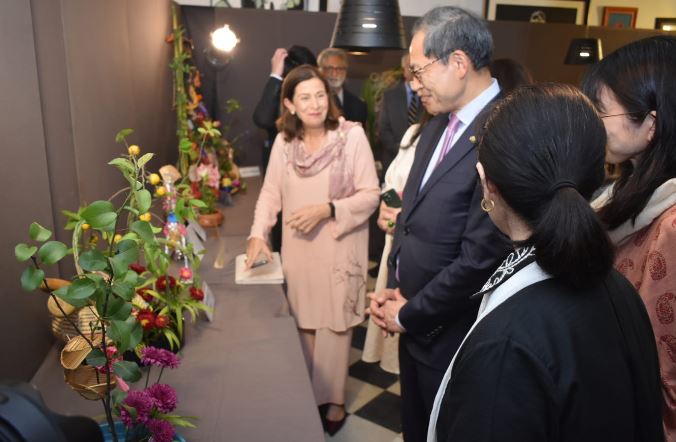
LAHORE, APR 3 /DNA/ – The Sogetsu Ikebana Annual Spring Exhibition, titled “Spring Reverie: Crafts of Pakistan,” opened at The Residency Hotel Lahore on Friday, April 3rd , in celebration of 100 years of Sogetsu Ikebana.

Organized by The Lahore Floritage Sogetsu Study Group under the leadership of Ms. Neveen Syed, Director of the Group, and held in collaboration with Blue Pine Residences, the exhibition highlights the works of Sogetsu Ikebana artists inspired by Pakistan’s rich and diverse craft traditions.

The exhibition will open for public viewing today from 6pm till 10pm and on Saturday, April 4, from 10 am to 5 pm.

The chief guest H.E. Mr. Akamatsu Shuichi, the Ambassador of Japan to Pakistan, inaugurated the exhibition along with Mr. Aamir Shirazi, Honorary Consul General of Japan in Lahore, Mrs. Ghazala Irfan, President of the Pakistan-Japan Cultural Association (PJCA) Lahore and Mr. Ibrar Mumtaz, President of the Horticultural Society of Pakistan.

This year’s exhibition drew inspiration from the rich and diverse craft traditions of Pakistan, celebrating the country’s cultural heritage through the innovative medium of Sogetsu Ikebana. Participating artists researched and interpreted a wide range of traditional crafts, including Multani pottery, Hala ceramics, and Ajrak textiles.

Ambassador AKAMATSU, while speaking at the inaugural ceremony, expressed his appreciation to The Lahore Floritage Sogetsu Study Group for holding an impressive spring exhibition on the 100th anniversary of Sogetsu Ikebana.

While congratulating the Sogetsu on achieving the remarkable milestone of hundred years, the Ambassador said this exhibition not only embodies the spirit of cultural exchange but also offers an opportunity to rediscover tradition of Ikebana through the refined and creative expressions of Sogetsu Ikebana by blending the freshness of spring with the rich crafts of Pakistan.

“Born in Japan, Sogetsu Ikebana finds fresh expression in Pakistan, harmonizing with local craftsmanship”, remarked Ambassador Akamatsu.

Middle East crisis Kuwait reports Iranian strike on power and desalination plant

Trump has indicated the conflict could wind down in 2–3 weeks but tied any pause or ceasefire to Iran reopening the strait for commercial shipping

News Desk

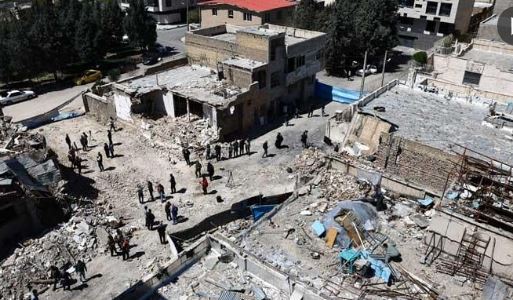
TEHRAN: Kuwaiti authorities stated that an Iranian attack early on April 3 damaged a power generation and water desalination plant, causing material damage to parts of the facility. Emergency and technical teams responded immediately under contingency plans, with officials emphasizing that electricity and water networks remain stable overall.

This follows an earlier Iranian strike (around March 30) on another Kuwaiti power and desalination site, which killed one Indian worker and damaged a service building. Kuwait described it as part of “Iranian aggression.” Desalination plants are critical in the Gulf, where most drinking water comes from such facilities. Iran has denied responsibility for some strikes or blamed Israel in related incidents.

These attacks highlight the broadening of the conflict to Gulf infrastructure, raising concerns over energy and water security in the region. Iran Warns UN Security Council Against “Provocative Action”Iranian Foreign Minister Abbas Araghchi warned the UNSC against any “provocative action,” particularly regarding the Strait of Hormuz.

The statement came ahead of a (later postponed) vote on a Bahrain-sponsored draft resolution that would authorize defensive measures to protect shipping through the strait. Araghchi said such moves by “aggressors and their supporters” would only complicate the situation further.

Iran has effectively disrupted or restricted traffic in the strait—a vital chokepoint for global oil flows—in response to US-Israeli strikes, contributing to soaring energy prices. Trump Steps Up Threats Against Iran and Comments on Hormuz President Donald Trump has intensified rhetoric, threatening to target Iranian energy assets (including power plants, oil wells, Kharg Island, and possibly desalination plants) if the Strait of Hormuz is not reopened. He has suggested the US could help “easily” open the strait “with a little more time” or that it might “open up naturally” once the war ends, while urging allies to “step up,” “grab it,” or secure their own oil supplies rather than relying on the US.

Trump has indicated the conflict could wind down in 2–3 weeks but tied any pause or ceasefire to Iran reopening the strait for commercial shipping. He has alternated between signaling possible talks and warning of broader strikes if demands are unmet.

Pope Leo Urges End to the War in Meeting with Israel’s Herzog Pope Leo XIV has repeatedly called for an urgent ceasefire, hostage releases, humanitarian aid access, and respect for international law amid the conflicts involving Gaza and the wider region. During meetings and statements related to Israeli President Isaac Herzog, he has emphasized a two-state solution as the path to lasting peace and expressed hope for the war’s end (including the US-Israel actions against Iran) before Easter in some remarks.

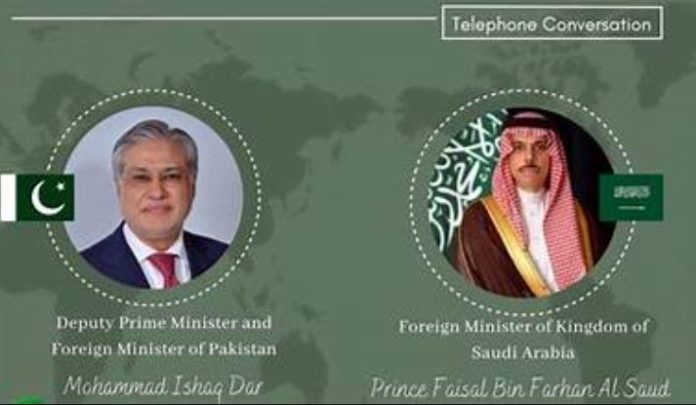
Dar, Saudi FM discuss regional de-escalation, five-point initiative

Dar, Saudi FM discuss regional de-escalation, five-point initiative

ISLAMABAD: /DNA/ – Deputy Prime Minister/Foreign Minister, Senator Mohammad Ishaq Dar @MIshaqDar50 spoke with Saudi Foreign Minister HH Prince Faisal bin Farhan @FaisalbinFarhan.

The two leaders exchanged views on the latest developments in the regional situation, emphasizing the urgent need for de-escalation and dialogue. The Pak-China Five-Point Initiative for peace in the Gulf and Middle East was also discussed.

Both leaders reaffirmed the strong, fraternal Pakistan–Saudi Arabia relationship and agreed to remain in close contact.

Stay Connected

64FansLike
60FollowersFollow

Latest Reviews

Exchange Rates

USD - United States Dollar
EUR
1.14
GBP
1.34
AUD
0.70
CAD
0.71