Home Blog Page 186

SCCI leaders offer condolences to Minister Armaghan Subhani

Deadly crash near Athal chowk Islamabad leaves four dead, four injured

SIALKOT, Apr 12: President of the Sialkot Chamber of Commerce and Industry (SCCI), Syed Ahtesham Mazhar, along with Senior Vice President Muhammad Murad Arshad and Chairman SCCI Fair and Exhibition/Delegation Committee Qaiser Baig, visited Minister of State for Planning, Development and Special Initiatives, Armaghan Subhani, to offer condolences on the demise of his mother.

The SCCI delegation expressed deep sorrow over the loss and conveyed their heartfelt sympathies to the bereaved family, praying for the eternal peace of the departed soul and strength for the family to bear this irreparable loss.

‘Imperative’ for US, Iran to uphold ceasefire, says DPM Dar as Islamabad talks conclude

'Imperative' for US, Iran to uphold ceasefire, says DPM Dar as Islamabad talks conclude

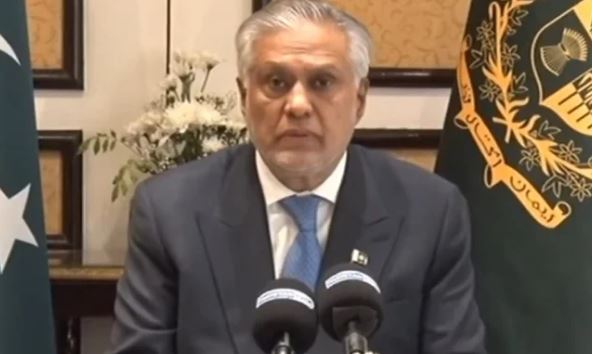
ISLAMABAD: Deputy Prime Minister and Foreign Minister Ishaq Dar on Sunday said it was “imperative” for the United States and Iran to uphold their ceasefire commitments, following the conclusion of the Islamabad talks after intensive negotiations.

The trilateral ‘Islamabad talk’, culminated almost 21 hours after they began on Saturday afternoon, with US Vice President JD Vance — who headed the American delegation — saying that intensive negotiations with Iran had failed to produce an agreement. Vance said talks with Iran lasted around 21 hours and covered a range of critical issues. “The bad news is that we have not reached an agreement, and I think that’s bad news for Iran much more than it’s bad news for the United States of America,” he added.

Following the presser, Vance departed Islamabad with what he described as his country’s “final and best offer,” adding that it remained to be seen whether Iran would accept it.

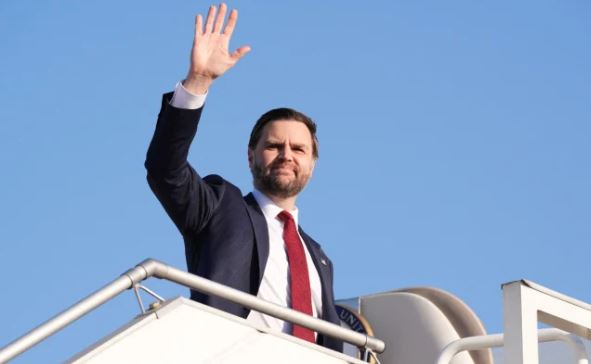
He boarded Air Force Two at 7:08am and waved to Pakistani officials from the top of the stairs. Deputy Prime Minister and Foreign Minister Ishaq Dar, Chief of Army Staff and Chief of Defence Forces (CDF) Field Marshal Asim Munir, Interior Minister Mohsin Naqvi among others were present on the occasion. Addressing the conclusion of the talks, Dar expressed gratitude to both sides, saying he was “deeply grateful to the Islamic Republic of Iran and the United States of America for responding to the call made by the Prime Minister Muhammad Shehbaz Sharif for an immediate ceasefire in the region.”

He also thanked both countries “for accepting prime minister’s invitation for holding peace talks in Islamabad.”

Dar said the US delegation, headed by Vance, and the Iranian delegation, led by Speaker of Parliament Bagher Ghalibaf, had arrived in Pakistan to participate in the talks.

“I along with the Chief of Defense Forces and Chief of Army Staff Field Marshal Syed Asim Munir helped mediate several rounds of intense and constructive negotiations between the two sides, that continued through the last 24 hours and ended this morning,” he said.

On behalf of Pakistan, Dar said he would “like to express gratitude to the two sides for appreciating Pakistan’s efforts to help achieve the ceasefire and its mediatory role.”

He expressed hope that both parties would maintain momentum, stating: “We hope that the two sides continue with the positive spirit to achieve durable peace and prosperity for the entire region and beyond.”

“It is imperative that the parties continue to uphold their commitment to ceasefire,” he stressed.

Dar reiterated Pakistan’s role going forward, saying: “Pakistan has been and will continue to play its role to facilitate engagement and dialogue between the Islamic Republic of Iran and the United States of America in the days to come.”

The conflict, which began on February 28 following coordinated US-Israeli strikes targeting Iran’s leadership and infrastructure, has resulted in more than 2,000 deaths and widespread regional instability. Tehran responded with retaliatory operations, including the disruption of shipping through the Strait of Hormuz and attacks on Israeli and US targets in the region.

A ceasefire was eventually announced on April 8, with Pakistan playing a central role in mediation. However, key disagreements persist. Washington has proposed a 15-point framework focusing on nuclear and missile issues, sanctions relief, and reopening of the Strait of Hormuz, while Tehran has presented a 10-point plan seeking greater control over the waterway, transit fees, and comprehensive sanctions removal.

The international community has broadly welcomed Pakistan’s diplomatic role, backing its efforts to de-escalate tensions and facilitate negotiations aimed at achieving lasting peace.

VP Vance departs Pakistan, says no deal reached with Iran after ’21-hour talks’

VP Vance departs Pakistan, says no deal reached with Iran after '21-hour talks'

ISLAMABAD: US Vice President JD Vance departed Pakistan on Sunday after announcing that intensive negotiations with Iran had failed to produce an agreement, despite more than 21 hours of discussions.

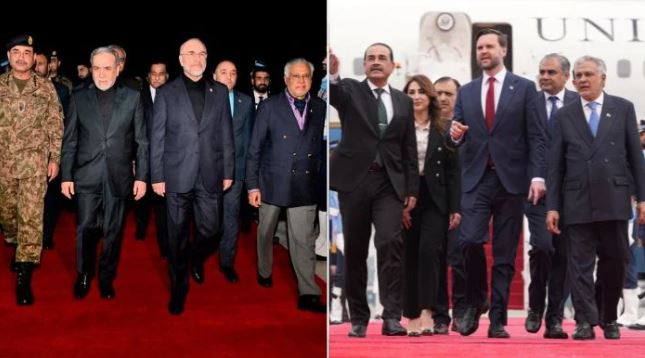
Vance boarded Air Force Two at 7:08am and waved to Pakistani officials from the top of the stairs. Deputy Prime Minister and Foreign Minister Ishaq Dar, Chief of Army Staff and Chief of Defence Forces (CDF) Field Marshal Asim Munir, Interior Minister Mohsin Naqvi among others were present on the occasion.


His departure came almost an hour after he addressed a press conference after the trilateral ‘Islamabad talks’, mediated by Pakistan, which continued for almost 21 hours after they began on Saturday afternoon.

During the press conference, Vance said talks with Iran lasted around 21 hours and covered a range of critical issues. “The bad news is that we have not reached an agreement, and I think that’s bad news for Iran much more than it’s bad news for the United States of America,” he added.

“We have made very clear what our red lines are, what things we are willing to accommodate them on and what things we are not willing to accommodate them on,” said Vance, adding that the Iranian delegation had “chosen not to accept our terms”.

At the outset of the presser, Vance thanked Prime Minister Shehbaz Sharif and Field Marshal Munir for their hospitality, acknowledging Pakistan’s efforts to bridge differences between Washington and Tehran.

He said any shortcomings in the negotiations were not due to Pakistan, which had “done an amazing job” in facilitating dialogue.

Responding to questions, Vance said Washington’s core demand remained an “affirmative commitment” from Iran that it would neither pursue nuclear weapons nor develop capabilities enabling rapid weaponisation.

“That is the core goal of the President of United States, and that’s what we’ve tried to achieve through these negotiations,” he added.

He said the key issue remained a long-term commitment from Iran, stating: “Do we see a fundamental commitment of will for the Iranians not to develop a nuclear weapon, not just now, not just two years from now, but for the long term? We haven’t seen that yet. We hope that we will.”

On the scope of discussions, Vance said: “We talked about all those issues… and we talked about a number of issues beyond that,” adding, “we just could not get to a situation where the Iranians were willing to accept our terms.”

He maintained that the US delegation had shown flexibility: “I think that we were quite flexible. We were quite accommodating.”

Vance said the team remained in close contact with Washington throughout the negotiations. “We were talking to the president consistently… a half dozen times, a dozen times over the past 21 hours,” he said, adding that they were also in touch with the wider national security team.

He said Washington was leaving Islamabad with what he described as its “final and best offer,” adding that it remained to be seen whether Iran would accept it.

Vance, special envoy Steve Witkoff and Jared Kushner met Iranian Parliament Speaker Mohammad Bagher Ghalibaf and Foreign Minister Abbas Araghchi for about two hours before a break, according to a source familiar with Pakistan’s mediation efforts.

The US departure came as a setback, after earlier indications that talks between the United States and Iran would continue despite remaining differences, with negotiations in Islamabad entering a second day and moving into a technical phase involving the exchange of written proposals.

In a post on X, the Government of Iran said another round of talks concluded after about 14 hours and that technical teams from both sides were now sharing detailed “expert texts” following high-level discussions in Islamabad.

“The talks will resume on Sunday after a break,” it added.

It added that negotiations would continue despite outstanding gaps, signalling a shift into a more detailed drafting stage aimed at narrowing differences on key issues.

‘No deal expected in one meeting’
Meanwhile, Esmail Baghaei, spokesperson for Iran’s foreign ministry, said that the Iran and the US have “reached an understanding on a number of issues” and that there were “differences of opinion on two to three important” matters.

“These negotiations were held after 40 days of imposed war and were held in an atmosphere of mistrust and suspicion. It is natural that we should not have expected from the beginning to reach an agreement within one meeting,” he said.

Earlier, Iranian state broadcaster IRIB reported that “unreasonable demands” by the United States scuppered talks in Islamabad to end the war in the Middle East.

“The Iranian delegation negotiated continuously and intensively for 21 hours in order to protect the national interests of the Iranian people; despite various initiatives from the Iranian delegation, the unreasonable demands of the American side prevented the progress of the negotiations. Thus the negotiations ended,” IRIB said on Telegram.

On the other hand, Iran’s Tasnim news agency citing an informed source said, “As long as the US does not agree to a reasonable deal, there will be no change in situation in Strait of Hormuz.”

Various issues including Strait of Hormuz, nuclear rights have been among the points of contention in the talks, Iran’s Press TV reported.

The conflict, which began on February 28 following coordinated US-Israeli strikes targeting Iran’s leadership and infrastructure, has resulted in more than 2,000 deaths and widespread regional instability. Tehran responded with retaliatory operations, including the disruption of shipping through the Strait of Hormuz and attacks on Israeli and US targets in the region.

A ceasefire was eventually announced on April 8, with Pakistan playing a central role in mediation. However, key disagreements persist. Washington has proposed a 15-point framework focusing on nuclear and missile issues, sanctions relief and reopening of the Strait of Hormuz, while Tehran has presented a 10-point plan seeking greater control over the waterway, transit fees, and comprehensive sanctions removal.

The international community has broadly welcomed Pakistan’s diplomatic role, backing its efforts to de-escalate tensions and facilitate negotiations aimed at achieving lasting peace.

Delegations from the two countries had arrived in Islamabad for the negotiations.

The high-powered American team, headed by Vice President JD Vance and comprising Special Envoy Steve Witkoff and President Donald Trump’s son-in-law Jared Kushner, arrived in Islamabad on Saturday to participate in the negotiations.

Separately, a senior Iranian delegation led by Parliament Speaker Mohammad Baqer Ghalibaf also arrived in Islamabad ahead of the talks. The delegation includes Foreign Minister Abbas Araghchi, who is expected to play a key role in the negotiations.

PM vows mediation efforts
Late in the day, PM Shehbaz held a meeting with the Iranian delegation. The Iranian side was led by the Speaker of the Iranian Consultative Assembly, Mohammad Bagher Ghalibaf, assisted by Foreign Minister Abbas Araghchi.

Appreciating Iran’s engagement in the Islamabad Talks, PM Shehbaz affirmed Pakistan’s sincere resolve to continue playing its role as a mediator to help build momentum towards achieving meaningful results in the interest of regional and global peace and stability.

DPM Dar, Chief of Army Staff and Chief of Defence Forces Field Marshal Asim Munir and Interior Minister Naqvi attended the meeting from Pakistani side.

Ahead of the talks, Ghalibaf stressed that Washington must fulfil prior commitments, including easing restrictions on Iranian assets and ensuring a ceasefire in Lebanon, warning that progress would otherwise be difficult.

Vice President Vance expressed cautious optimism about the outcome but warned that any attempt by Iran to undermine the process would draw a firm response.

Shortly after the two delegations held separate meetings with PM Shehbaz, Iranian media said that negotiations with the US had begun, though the format of the talks remained unclear.

The Fars and Tasnim news agencies said “it was decided to begin negotiations” following “progress made during preliminary talks and the reduction of attacks” by to Israel.

Iranian agencies Mehr and Isna also announced the start of negotiations, after PM’s Office said the peace talks had “commenced”.

What’s on the table?
As delegations from the US and Iran sit down for critical negotiations in Islamabad, a wide-ranging but complex issues are expected to dominate the discussion, The News reported.

Negotiations are structured around two competing proposals: a 10-point framework presented by Iran and a 15-point plan advanced by the United States. While both sides have expressed willingness to engage, significant differences remain.

At the heart of the negotiations is Iran’s nuclear programme. Washington is pressing for firm guarantees that Tehran will not develop nuclear weapons, alongside strict limits on uranium enrichment and intrusive monitoring by the IAEA.

Iran, however, is seeking recognition of its right to pursue peaceful nuclear activities, including enrichment, which it considers a matter of national sovereignty.

Economic sanctions are another central issue. Iran is demanding the immediate and complete lifting of all US and international sanctions, along with the release of its frozen financial assets abroad.

The US position differs sharply, favouring a phased easing of sanctions tied directly to verifiable Iranian compliance on nuclear and security commitments.

Control and access to the strategically vital Strait of Hormuz is also a major point of contention. Iran is seeking formal recognition of its regulatory role over the passage, citing its geographic and economic significance.

The US, on the other hand, insists on fully open and secure international shipping lanes without restrictions, given the strait’s importance to global energy supplies.

Regional influence remains a sensitive topic. Washington is pushing for an end to Iran’s support for allied armed groups across the Middle East, while Iran is demanding a halt to military actions against those groups and broader de-escalation in regional conflicts.

Iran has called for the withdrawal of US forces from the region and a formal guarantee of non-aggression. The US has not indicated a willingness to scale back its military footprint, citing security commitments to allies.

Another contentious issue is Iran’s ballistic missile programme. The US is seeking limits on missile development and broader defence capabilities, while Iran views such demands as an infringement on its sovereign right to self-defence.

Tehran has also raised the issue of compensation for damages resulting from recent conflicts, while the US is expected to push for accountability mechanisms addressing attacks on its interests and allies.

When Pakistan Reaches Its Defining Moment

When Pakistan Reaches Its Defining Moment

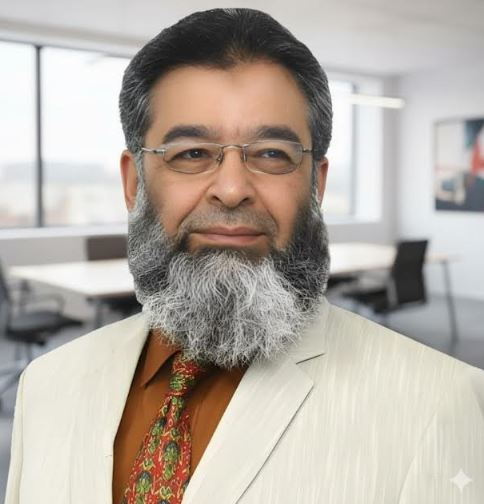
by Muhammad Mohsin Iqbal

Today, Pakistan shines as a beacon of peace in a world often shaken by turmoil, earning a level of respect and admiration unlike any other time in its modern history. Through tireless diplomacy, steadfast resolve, and a profound commitment to harmony, the nation has carved out a role as an indispensable mediator, venturing to extraordinary and often unimaginable lengths to bring warring parties to the table. This sacred endeavour has not merely eased immediate tensions but has ushered in an entirely new chapter for Pakistan—one marked by accelerated development, profound national contentment, and an elevation of its global stature that fills every patriotic heart with pride. In the coming days, observers across the world will witness Pakistan assuming the steering seat of regional affairs, particularly within the vast expanse of the Islamic world, guiding it toward unity and stability with wisdom and grace.

The recent diplomatic initiatives hosted in Islamabad have elevated Pakistan’s prestige and credibility to heights that once seemed distant. Fully cognisant of the intense pressures and complex ground realities, the United States extended a gesture of confidence by dispatching a high-powered delegation under the personal leadership of its Vice President. Similarly, the Islamic Republic of Iran, recognising Pakistan’s unique position, sent its own distinguished representatives to the Pakistani capital. Although these crucial negotiations did not culminate in a final, binding accord, the earlier groundwork meticulously laid by Pakistan’s seasoned diplomatic expertise had already begun to melt the ice of longstanding animosities and foster an atmosphere of cautious hope.

It soon became apparent that the path to complete success was obstructed by formidable obstacles; the unrelenting blackmail and aggressive posture of Israel, the intransigent stance maintained by elements within the American establishment, and a host of other complicating factors beyond Islamabad’s control. Yet even without a definitive breakthrough, Pakistan emerged triumphant in the court of world opinion, its reputation as a sincere and capable peacemaker burnished brighter than ever before.

From the very inception of these efforts, Pakistan’s adversaries—ever vigilant and opportunistic—spared no exertion in attempting to sabotage the process. They employed every conceivable means to dissuade the contending parties from placing their trust in Islamabad, weaving intricate webs of misinformation and intrigue. But divine mercy, manifesting from the unseen realms, stood as Pakistan’s invisible shield. Through the boundless grace of Allah Almighty, every conspiracy crumbled into dust, and the enemies’ schemes dissolved like morning mist before the rising sun. This heavenly assistance not only preserved the sanctity of the mediation but also paved the way for a subsequent triumph that resounded across continents.

In a decisive confrontation on the battlefield, Pakistan delivered a resounding defeat to its eternal adversary, India. This victory was no mere military achievement; it was a resounding affirmation of national honour and sovereignty that simultaneously shielded the entire region—and indeed the wider world—from descending into a catastrophe of unimaginable proportions.

By its courageous actions, Pakistan has dealt a mortal blow to the long-cherished “Greater Israel” plan, that audacious design which once threatened to redraw the map of the Middle East through coercion and expansion. The Arab nations, long accustomed to viewing security from afar, have now come to a profound realization; true safety cannot be guaranteed by geographic distance or fleeting alliances alone. In an era of fluid geopolitics and rising uncertainties, closer bonds of fraternity among Muslim countries have become not only prudent but imperative.

Herein lies Pakistan’s unique and formidable strength. Endowed with a brave, intelligent, and professionally led armed forces—under the command of visionary leadership—and fortified by a credible nuclear deterrent, Pakistan possesses the military backbone essential for anchoring a new era of collective security. When this formidable capability is fused with the abundant natural and economic resources of fellow Islamic nations, the result could mirror the successful model of the European Union; a robust alliance wherein each member stands as guarantor of the other’s peace and territorial integrity.

Such a fraternity would render any aggressive designs against any Islamic state unthinkable, deterring even the most ambitious adversaries. A formal and auspicious beginning to this noble vision has already been forged. Pakistani warplanes, accompanied by a dedicated military contingent, have proudly landed on Saudi Arabian soil, serving as a living testament to Islamabad’s solemn pledge to safeguard the Holy Land’s security and sovereignty. This gesture resonates deeply, symbolising Pakistan’s readiness to extend its protective umbrella across brotherly lands.

In the fullness of time, Muslim nations in Pakistan’s immediate neighbourhood—especially the prosperous Gulf states—will increasingly regard the country as their steadfast pillar of support and strategic anchor. This aspiration finds its most eloquent endorsement in the timeless words of the Holy Quran: “Hold firmly to the rope of Allah all together and do not become divided.” Unity, after all, is the greatest source of strength for the Ummah, transforming potential weakness into an unassailable fortress of faith and fraternity.

Through these multifaceted endeavours—diplomatic, military, and spiritual—Pakistan has not only burnished its own image but has rendered an enduring service to the cause of regional tranquillity and Islamic solidarity. Challenges undoubtedly remain on the horizon, yet the foundations so carefully laid in these momentous times herald a future radiant with greater respect, unshakeable security, and shared prosperity for Pakistan and its fellow Muslim brethren.

In rising to its responsibilities with courage, sagacity, and an abiding trust in divine providence, Pakistan has reminded a watching world that authentic leadership often resides in the quiet, persistent pursuit of mediation and the resolute defence of justice. As it takes its rightful place at the helm of regional and Islamic affairs, the nation carries with it the fervent prayers and aspirations of millions who see in its ascent the promise of a brighter, more harmonious dawn for the entire Ummah.

Iran president backs delegation ahead of Islamabad Talks

Iran president backs delegation ahead of Islamabad Talks

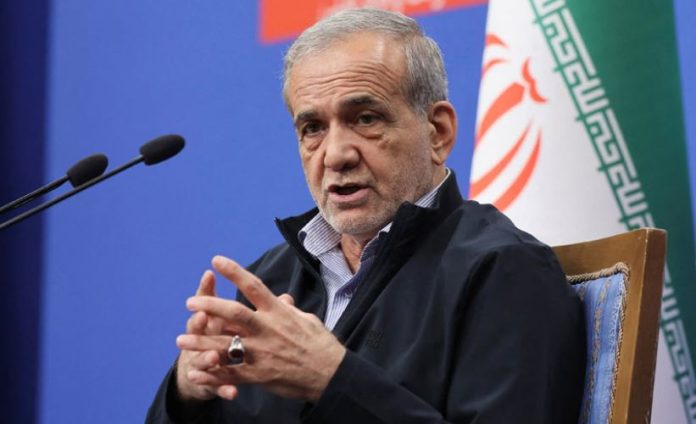
ISLAMABAD, APR 11: Iranian President Masoud Pezeshkian has said that regardless of the outcome of negotiations, the government will stand by its people in all circumstances.

In a statement on the social media platform X regarding the Islamabad Talks, Pezeshkian said the Iranian negotiating delegation was firmly defending national interests. He said the delegation would conduct talks in Pakistan with courage and resolve, adding that the mission to serve the public would not be halted under any circumstances.

The Iranian president said there would be no compromise on Iran’s interests during the Islamabad negotiations, reiterating that the government would remain alongside its people irrespective of the result.

Pezeshkian also expressed full support for the negotiating team currently in Pakistan.

Tarar welcomes foreign journalists, ensures one-roof facilities

Tarar welcomes foreign journalists, ensures one-roof facilities

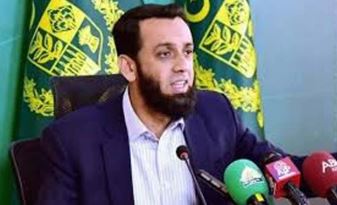
ISLAMABAD, Apr 11 (DNA): Federal Minister for Information and Broadcasting Attaullah Tarar announced on Saturday that comprehensive facilities were being ensured at the Jinnah Convention Center for seamless coverage of the historic Islamabad peace talks.

The minister, while talking to the media, said that Deputy Prime Minister and Foreign Minister Ishaq Dar had already announced that the journalists from the United States and Iran arriving in Islamabad for coverage of the peace talks would be granted visa-on-arrival.

More than 50 journalists from around the world have arrived in Islamabad, the minister said, adding that journalists from China, Saudi Arabia, Japan, Germany, South Korea and others had already submitted applications for a visa to cover such a significant event.

Welcoming the foreign journalists in Islamabad, he said the government’s primary goal is to provide all necessary facilities under one roof so that the journalists could perform their duties with maximum efficiency. The media center established at the Jinnah Convention center has been equipped with high-speed internet connectivity, modern computing workstations, and advanced printing facilities to ensure that technical barriers do not hinder global reporting, he noted.

The minister said red zone is located in close proximity to the Jinnah Convention center which provides easy access to key event venues for comprehensive coverage of the peace talks.

Iran Central Bank Chief meets Deputy PM Dar in Islamabad

Iran Central Bank Chief meets Deputy PM Dar in Islamabad

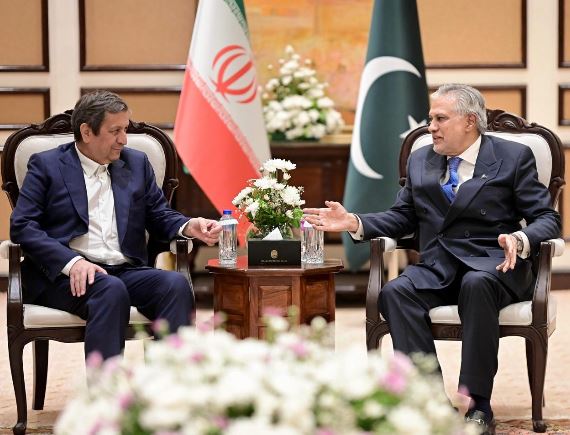
ISAMABAD, APR 11 /DNA/ – Governor of the Central Bank of Iran, Dr. Abdolnasser Hemmati, called on Deputy Prime Minister and Foreign Minister Senator Mohammad Ishaq Dar here today, on the sidelines of the ongoing #IslamabadTalks.

During the meeting, both sides emphasized the importance of sustained dialogue to deepen bilateral economic cooperation. They noted that peace and stability in the region remain essential for shared progress and mutual prosperity.

The discussion reflected a shared commitment to strengthening financial and diplomatic channels between Iran and Pakistan. The meeting was also attended by officials from the Iranian Ministry of Foreign Affairs (@IRIMFA_EN).

The engagement is part of the broader #IslamabadDiplomacy efforts aimed at fostering regional connectivity and economic resilience.

Iran envoy blasts US ‘Illegal War’ as Pakistan mediates in Islamabad

Iran envoy blasts US ‘Illegal War’ as Pakistan mediates in Islamabad

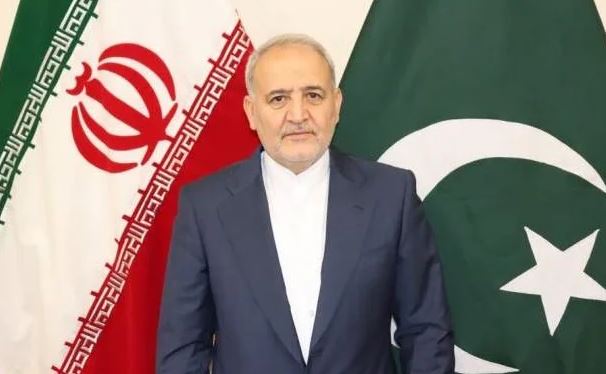
ISLAMABAD, APR 11 /DNA/ – Iran’s Ambassador to Pakistan, Reza Amiri Moghadam, on Saturday accused the United States of waging an “illegal war” against Iran, even as Pakistani-brokered peace talks between the two sides continued in Islamabad.

In a pointed post on X (formerly Twitter), Ambassador Moghadam wrote:

“Today, Islamabad is host to Pakistan’s good offices to help end an illegal war against the Iranian nation; a war that is not only a blatant crime against the Iranian nation and civilization, but also has endangered the security of the region and the world. It remains to be seen whether the U.S. honors the mediation efforts of the host in good office or…?!”

The remarks came shortly after Prime Minister Shehbaz Sharif met with U.S. Vice President JD Vance, alongside Special Envoy Steve Witkoff and Jared Kushner. On the Pakistani side, Deputy Prime Minister and Foreign Minister Ishaq Dar and Interior Minister Mohsin Raza Naqvi were present.

While the U.S. delegation has described the talks as a step toward “durable peace,” Iran’s envoy cast doubt on Washington’s intentions, questioning whether the United States would genuinely respect Pakistan’s mediation.

Iran has reportedly proposed a 10-point framework for negotiations. The talks, which also involve Israeli-related security concerns, follow weeks of heightened military tensions, including threats near the Strait of Hormuz.

Tehran has previously praised Pakistan’s role as “positive and productive,” noting that mediation has reached a “critical, sensitive stage.” However, Moghadam’s latest statement reflects deep Iranian skepticism about U.S. commitments.

There was no immediate response from U.S. officials to the ambassador’s post.

As the Islamabad Talks proceed, Pakistan continues to position itself as a neutral facilitator. But with Tehran publicly branding the conflict an “illegal war,” the path to a ceasefire remains uncertain, and all eyes are on whether Washington will match Iran’s conditional openness to diplomacy.

Pakistan hopes US, Iran to engage ‘constructively’ in Mideast peace talks

Pakistan hopes US, Iran to engage ‘constructively' in Mideast peace talks

ISLAMABAD: After the arrival of a high-level US delegation led by Vice President JD Vance, Pakistan has expressed hope that Washington and Tehran will “engage constructively” in Islamabad talks to secure a durable end to the Middle East conflict.

The high-powered American team, headed by Vice President JD Vance and comprising Special Envoy Steve Witkoff and President Donald Trump’s son-in-law Jared Kushner, arrived in Islamabad on Saturday to participate in the negotiations. The foreign delegation was received at the airport by Deputy Prime Minister and Foreign Minister Ishaq Dar, Chief of Defence Forces (CDF) and Chief of Army Staff (COAS) Field Marshal Syed Asim Munir, and Interior Minister Mohsin Naqvi. Welcoming the US vice president, Dar appreciated Washington’s commitment to promoting regional and global peace, expressing optimism that both sides would engage meaningfully in the Islamabad talks. He reiterated Pakistan’s resolve to continue facilitating dialogue towards a lasting and durable settlement of the Middle East conflict.

Prime Minister Shehbaz Sharif has described the Islamabad talks as a “make-or-break” opportunity to convert the existing truce into a permanent ceasefire.

The negotiations follow a two-week ceasefire announced by President Trump after weeks of conflict that saw US and Israeli strikes on Iran.

Despite the pause, tensions remain high, particularly over the Strait of Hormuz and ongoing hostilities involving Israel and Iran-backed Hezbollah in Lebanon.

Earlier, a senior Iranian delegation led by Parliament Speaker Mohammad Baqer Ghalibaf also arrived in Islamabad ahead of the talks. The delegation includes Foreign Minister Abbas Araghchi, who is expected to play a key role in the negotiations.

They were received by Dar, National Assembly Speaker Sardar Ayaz Sadiq, Field Marshal Munir and Mohsin Naqvi. During the reception, Pakistan’s leadership conveyed its expectation of constructive engagement and reaffirmed its commitment to facilitating dialogue.

Ahead of the talks, Ghalibaf stressed that Washington must fulfil prior commitments, including easing restrictions on Iranian assets and ensuring a ceasefire in Lebanon, warning that progress would otherwise be difficult.

Vice President Vance expressed cautious optimism about the outcome but warned that any attempt by Iran to undermine the process would draw a firm response.

The conflict, which began on February 28 following coordinated US-Israeli strikes targeting Iran’s leadership and infrastructure, has resulted in more than 2,000 deaths and widespread regional instability. Tehran responded with retaliatory operations, including the disruption of shipping through the Strait of Hormuz and attacks on Israeli and US targets in the region.

A ceasefire was eventually announced on April 8, with Pakistan playing a central role in mediation. However, key disagreements persist. Washington has proposed a 15-point framework focusing on nuclear and missile issues, sanctions relief and reopening of the Strait of Hormuz, while Tehran has presented a 10-point plan seeking greater control over the waterway, transit fees, and comprehensive sanctions removal.

The international community has broadly welcomed Pakistan’s diplomatic role, backing its efforts to de-escalate tensions and facilitate negotiations aimed at achieving lasting peace.

PM Shehbaz, JD Vance meet as Islamabad Talks begin

PM Shehbaz, JD Vance meet as Islamabad Talks begin

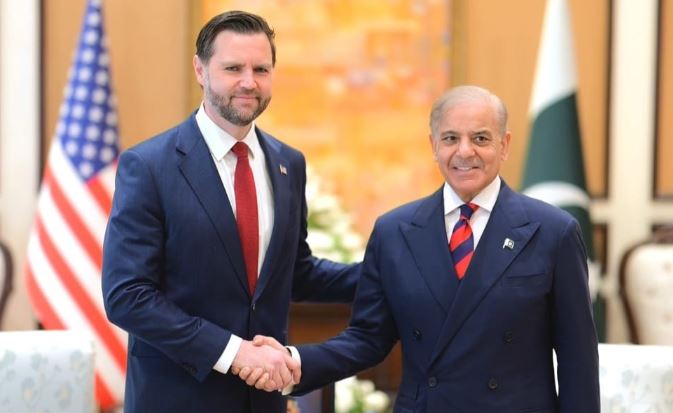
ISLAMABAD, APR 11: /DNA/ – As the Islamabad Talks commenced today, the Prime Minister of Pakistan, Muhammad Shehbaz Sharif held a meeting with JD Vance, Vice President of the United States of America.

The U.S. Vice President was assisted by Special Envoy Steve Witkoff and Mr. Jared Kushner.

The Prime Minister was assisted by Deputy Prime Minister & Foreign Minister Sen. Mohammad Ishaq Dar and Interior Minister Sen. Syed Mohsin Raza Naqvi.

Commending the commitment of both delegations to engage constructively, the Prime Minister expressed the hope that these talks would serve as a stepping stone toward durable peace in the region.

The Prime Minister reiterated that Pakistan looks forward to continue its facilitation of both sides in making progress towards sustainable peace in the region.

Stay Connected

64FansLike
60FollowersFollow

Latest Reviews

Exchange Rates

USD - United States Dollar
EUR
1.14
GBP
1.34
AUD
0.70
CAD
0.71