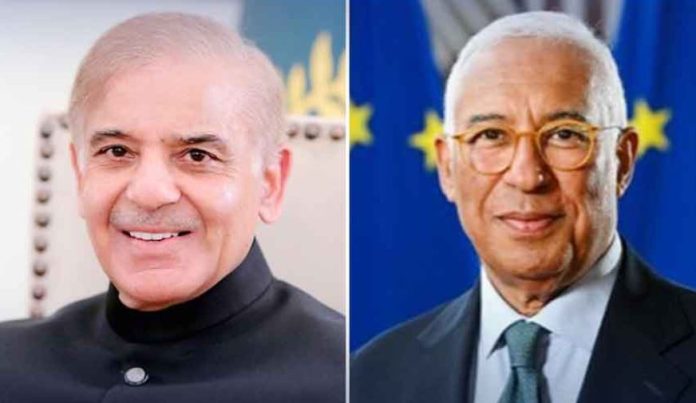
ISLAMABAD, APR 20 /DNA/ – Prime Minister Muhammad Shehbaz Sharif received a telephone call this evening from H.E. António Costa, President of the European Council.
During their cordial conversation, the two leaders exchanged views on the current situation in the Middle East. The Prime Minister shared with President Costa the latest updates on Pakistan’s diplomatic outreach and peace efforts.
President Costa expressed deep appreciation for Pakistan’s constructive role in promoting dialogue and stability in the region, and said that the EU was ready to support this process, in every possible manner.
Both leaders stressed on the need to continue with dialogue and diplomacy to ensure lasting regional and global security. In this regard, the two leaders also agreed to remain in touch.
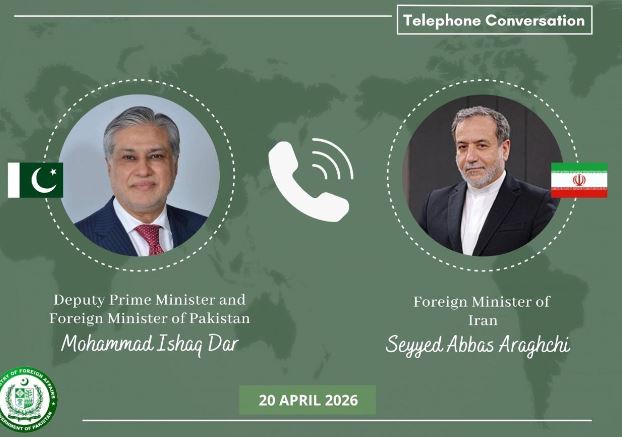
ISLAMABAD, APR 20 /DNA/ – DPM/FM Senator Mohammad Ishaq Dar @MIshaqDar50 spoke with Foreign Minister of Iran, Abbas Araghchi @Araghchi.
DPM/FM emphasized the importance of continued dialogue and engagement at the earliest to resolve all pending issues, in order to promote regional peace and stability. Both agreed to remain closely engaged.
ISLAMABAD, APR 20 /DNA/ – Prime Minister Muhammad Shehbaz Sharif received a telephone call this evening from H.E. António Costa, President of the European Council.
During their cordial conversation, the two leaders exchanged views on the current situation in the Middle East. The Prime Minister shared with President Costa the latest updates on Pakistan’s diplomatic outreach and peace efforts.
President Costa expressed deep appreciation for Pakistan’s constructive role in promoting dialogue and stability in the region, and said that the EU was ready to support this process, in every possible manner.
Both leaders stressed on the need to continue with dialogue and diplomacy to ensure lasting regional and global secur.
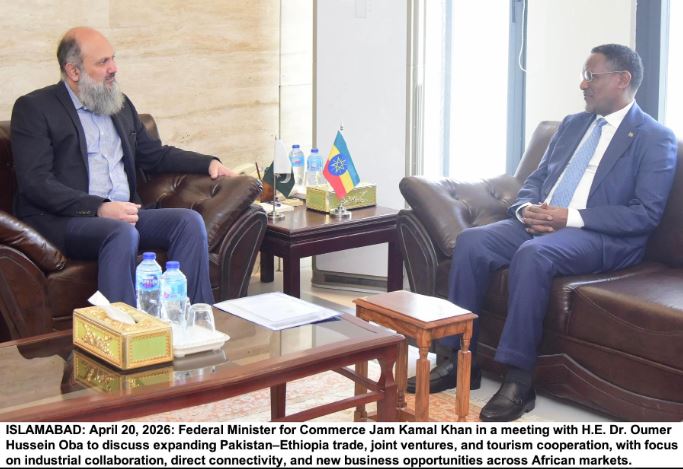
ISLAMABAD, Apr 20: /DNA/ – Federal Minister for Commerce Jam Kamal Khan and Dr. Oumer Hussein Oba held a detailed meeting to explore new avenues for strengthening bilateral trade, industrial collaboration, and regional connectivity between Pakistan and Ethiopia, with a particular focus on expanding engagement across African markets.
During the meeting, both sides expressed satisfaction over the growing momentum in Pakistan–Ethiopia relations and emphasized the need to transform this engagement into practical, results-oriented partnerships. The Commerce Minister highlighted that recent bilateral interactions have created a “fresh foundation” to jointly explore not only each other’s markets but also broader opportunities across Africa.
The Minister proposed organizing a multi-country business forum in Islamabad, inviting East African nations to witness Pakistan’s industrial capabilities firsthand. He stressed that direct exposure would help reshape global perceptions about Pakistan and unlock new trade and investment partnerships.
Highlighting Pakistan’s strengths, the Minister underscored the country’s robust small and medium enterprise (SME) sector, which produces a wide range of goods including home appliances, engineering products, agricultural machinery, and consumer goods.
He specifically emphasized the strong potential for cooperation in agriculture, engineering industries, and tractors, noting that Pakistan has developed significant expertise in these sectors which can support mechanization and productivity in African economies.
A key area of discussion was the cosmetics and personal care industry, where the Minister noted significant growth in Pakistan over the past four to five years.
He proposed joint ventures between Pakistani and Ethiopian firms in cosmetics, perfumes, and related products to tap into rising consumer demand in both regions.
Referring to Pakistan’s industrial success stories, the Minister invited the Ethiopian delegation to visit Sialkot, describing it as a unique example of private-sector-led development.
He noted that the city’s business community, led by the Sialkot Chamber of Commerce and Industry, has independently built infrastructure including an international airport.
Sialkot remains a global hub for sports goods, surgical instruments, leather, and footwear, with exports reaching billions of dollars annually, including to the European Union.
On trade logistics, the Minister stressed the importance of improving connectivity and reducing reliance on third-country transshipment hubs such as Jebel Ali Port.
He proposed enhancing direct maritime links through feeder vessels to African ports, which could significantly reduce transit time from over 10–12 days to just 2–3 days.
He further highlighted Pakistan’s geographic advantage, particularly Karachi, as a gateway for African exports to Central Asia through regional maritime corridors including Djibouti Port.
The Federal Minister also highlighted the immense tourism potential in both countries, stating that Ethiopia’s natural beauty and climate are “truly amazing,” while Pakistan remains a “sleeping giant” in tourism.
During the discussion, Dr. Oumer Hussein Oba informed the Minister that a Single Country Exhibition of Ethiopia is planned to be held in Islamabad by the end of this year, following the successful exhibition earlier organized in Ethiopia.
The Commerce Minister welcomed the initiative and appreciated the success of the previous exhibition, terming it an important step toward strengthening bilateral trade ties.
The Ambassador further shared that Ethiopian Airlines plans to launch direct flights to Lahore, which will significantly enhance business-to-business (B2B) linkages, improve connectivity, and promote cultural exchange between the two countries.
The Ethiopian side appreciated Pakistan’s economic progress and acknowledged the country’s skilled human resource base and strong hospitality sector.
Dr. Oba emphasized that human capital remains the most critical resource and called for deeper cooperation in education, skills, and institutional development.
Both sides agreed that Pakistan and African countries stand at a pivotal moment, where diversification, industrial cooperation including agriculture, engineering, and tractor manufacturing, tourism promotion, and practical business engagement can unlock significant economic opportunities.
They reaffirmed their commitment to enhancing bilateral trade, promoting joint ventures, and developing a long-term, quality-driven economic partnership.
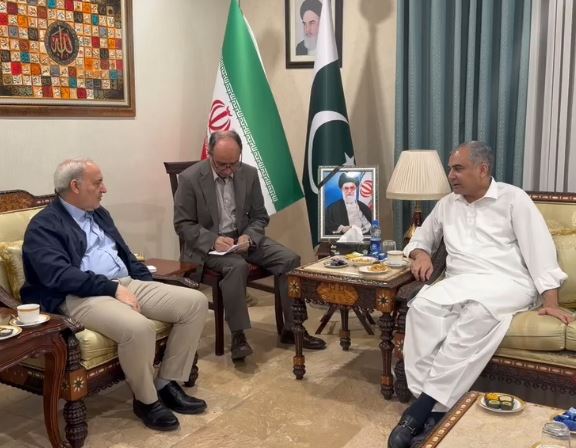
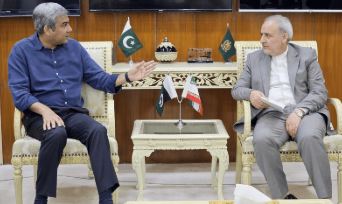
ISLAMABAD, APR 20: /DNA/ – Federal Interior Minister Mohsin Naqvi met with Iranian Ambassador Dr. Reza Amiri Moghadam, during which arrangements for the second phase of the Islamabad talks were discussed. The meeting emphasized the need for a sustainable solution through diplomatic and negotiation channels to reduce tensions. He also briefed the Ambassador about his recent visit to Iran. The Iranian Ambassador appreciated Pakistan’s positive and constructive role in de-escalating tensions in the region. Interior Minister Mohsin Naqvi stated that preparations for the second phase of the Islamabad talks have been completed and foolproof security arrangements have been made for foreign delegations. He added that Pakistan–Iran relations span decades and are valued as brotherly ties. Mohsin Naqvi further stated that Pakistan advocates resolving the Iran–U.S. conflict through dialogue, and that a lasting solution is essential for regional stability and peace. The Chief Commissioner Islamabad, IG Islamabad Police, and Deputy Commissioner Islamabad were also present on the occasion.
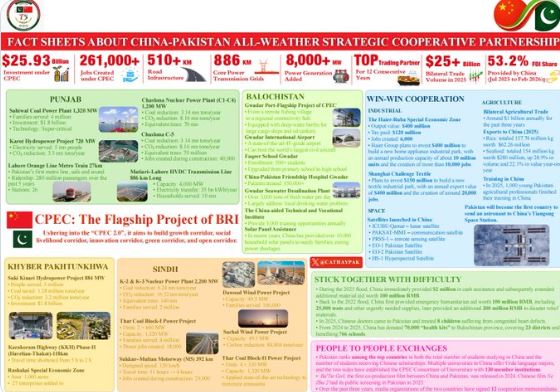
BEIJING/ISLAMABAD: /DNA/ – This year, the People’s Republic of China and the Islamic Republic of Pakistan mark the 75th anniversary of the establishment of their diplomatic relationship. From the very first exchange of recognition in 1951 to the present day, the two nations have evolved from close partners into what is widely described as an “Iron Brotherhood” – a unique bond of mutual trust, strategic coordination, and unwavering support.
To highlight the depth and resilience of this relationship, the Chinese Embassy in Pakistan (alongside official channels such as @CathayPak) has released a commemorative factsheet. The document underscores how China and Pakistan, as all-weather strategic cooperative partners, have set a benchmark for peaceful coexistence and common development among nations with different social systems.
In a joint press release, the diplomatic missions quoted a senior official: “Seventy-five years ago, our founding leaders chose trust over doubt. Today, the China-Pakistan Iron Brotherhood is not just a diplomatic term—it is a living reality, seen in the energy powering Lahore, the cargo ships docking at Gwadar, and the solidarity that never wavers. This model of interstate relations proves that mutual respect and win-win cooperation are the only true paths to shared prosperity.”
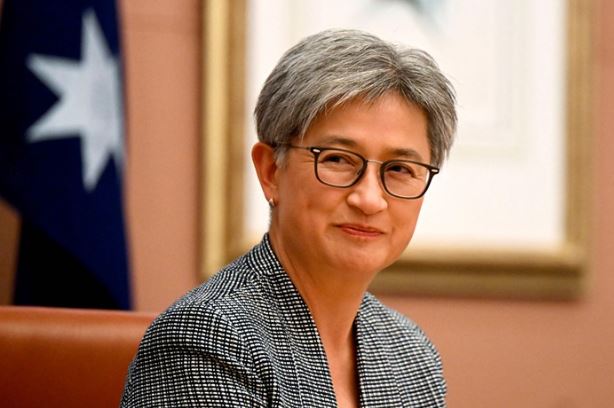
ISLAMABAD, Apr 20: Deputy Prime Minister and Foreign Minister Senator Mohammad Ishaq Dar on Monday held a telephone conversation with Foreign Minister of Australia Penny Wong, with the latter appreciating Pakistan’s constructive role in facilitating dialogue between Iran and the United States.
During the conversation, the Australian FM also lauded the deputy prime minister’s efforts, as well as Pakistan’s continued commitment to promoting diplomatic engagement in this regard.
Dar apprised her of the Islamabad Talks held on April 11-12, and reiterated Pakistan’s resolve to continue encouraging dialogue and constructive engagement.
The two leaders expressed concern over the broader implications on the global economy, particularly for developing countries, and emphasized the importance of peaceful resolution of conflicts.
In hindsight, Islamabad may have overestimated both its influence and the readiness of the parties to engage. Diplomacy is as much about reading signals as it is about facilitating dialogue
Ansar Mahmood Bhatti
The sudden refusal of Iran to participate in the second round of talks scheduled for April 21 in Islamabad has not only disrupted a sensitive diplomatic initiative but has also raised serious questions about Pakistan’s preparedness and judgment. Tehran’s decision to stay away citing the ongoing blockade of the Strait of Hormuz by the United States was a major blow to Islamabad’s efforts to position itself as a credible mediator in a high-stakes geopolitical crisis.
From Iran’s perspective, the stance is consistent: no negotiations under pressure. However, from Pakistan’s standpoint, the more troubling aspect is not Iran’s refusal per se, but the sequence of events leading up to it. If Islamabad had prior indications that Iran was unlikely to attend, why was the federal capital effectively shut down? The sweeping measures closure of the Red Zone, suspension of public transport, shutdown of educational institutions, and heightened security protocols across Islamabad and Rawalpindi caused significant inconvenience to ordinary citizens and created an atmosphere of unnecessary alarm.
Reports suggest that Pakistan’s top civil and military leadership remained in close contact with Iranian officials. Prime Minister Shehbaz Sharif himself spoke with Iranian President on Sunday evening, during which Tehran is believed to have conveyed its reservations. If that was indeed the case, the decision to proceed with full-scale lockdown measures appears questionable.
There are, however, two possible explanations. Either Iran did not clearly communicate its final decision until the eleventh hour, or Pakistan chose to remain optimistic despite warning signs. Pakistani officials seem to believe that progress was being made until a dramatic development on Monday when US forces reportedly seized an Iranian vessel changed the entire equation. This incident may have hardened Tehran’s position overnight, making participation politically untenable.
Even so, the episode exposes a deeper issue: over-ambition without adequate contingency planning. Pakistan appeared determined to play peacemaker between two deeply entrenched adversaries the United States, a global superpower that often relies on coercive leverage, and Iran, a state equally resolute in resisting external pressure. Mediating between such extremes requires not just goodwill, but precise timing, clear communication, and realistic expectations.
In hindsight, Islamabad may have overestimated both its influence and the readiness of the parties to engage. Diplomacy is as much about reading signals as it is about facilitating dialogue. When signals are mixed or ignored the result is exactly what unfolded: confusion, disruption, and a dent in credibility.
Pakistan must now reflect on where things went wrong. Was it a communication gap, a misreading of intent, or simply an overreach? Whatever the answer, future diplomatic endeavors must be grounded in pragmatism rather than hope. The cost of miscalculation is not just political it is borne by the public, who find their daily lives disrupted in the name of initiatives that may never materialize.
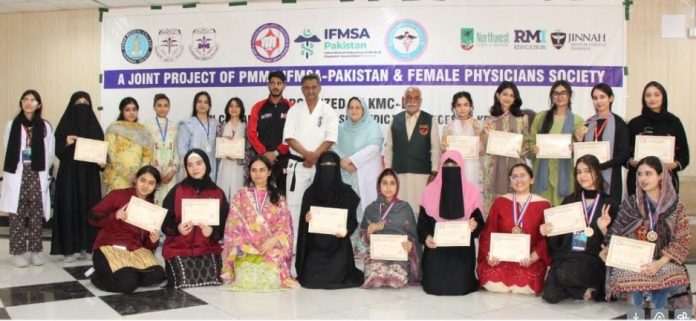
ISLAMABAD: The Pakistan Martial Arts Association (PMAA) organised a two-day Quwwat-e-Niswan Martial Arts Boot Camp in Peshawar, promoting women’s empowerment and personal safety through practical self-defense training.
Held at Khyber Medical College in collaboration with IFMSA-Pakistan, the camp brought together over 200 female medical students and professionals from institutions across Khyber Pakhtunkhwa, including students from Khyber Medical College, Khyber Girls Medical College, Rehman Medical College, North West School of Medicine, Kabir Medical College, Jinnah Medical College, Gajju Khan Medical College Swabi, and Pak-International Medical College along with members of the Female Physicians Society Pakistan.
The initiative supports IFMSA-Pakistan’s goal of training 10,000 women by 2028 in partnership with PMAA, aiming to build a nationwide network of confident and self-reliant female healthcare professionals. A larger training event is scheduled in Lahore next month with around 500 participants.
Training was led by Chief Trainer Sensei Anwar Mohiuddin and his team, focusing on both physical self-defense and psychological readiness to handle real-life threats, including assaults and unsafe public situations.
The event was organised by the IFMSA-KMC team, with participants undergoing six hours of daily training. Prof. Dr. Aliena Badshah termed the initiative a “historic milestone.”
At the closing ceremony, ShinKyokushin Karate figure Muhammad Zakariya Khan distributed certificates and medals, with top performers receiving gold medals.
ISLAMABAD: Federal Interior Minister Mohsin Naqvi held an important meeting with Iranian Ambassador Dr. Reza Amiri Moghadam on Monday to discuss arrangements for the second round of US-Iran peace talks in Islamabad.
During the meeting, both sides emphasized the need to use diplomatic and negotiation channels to reduce tensions and find a durable solution to the current crisis. Minister Mohsin Naqvi briefed the Iranian ambassador about his recent visit to Iran and Pakistan’s efforts to de-escalate the situation.
The Iranian Ambassador appreciated Pakistan’s positive and constructive role in lowering tensions between Iran and the United States. Minister Mohsin Naqvi said that all preparations for the second round of negotiations in Islamabad have been completed and fool-proof security arrangements have been made for the foreign delegations. Chief Commissioner Islamabad, Inspector General of Islamabad Police, and Deputy Commissioner Islamabad were also present on the occasion.
Mohsin Naqvi reiterated that Pakistan-Iran relations span decades and are based on deep brotherly ties, which Pakistan greatly values. He added that Pakistan strongly supports the resolution of the US-Iran dispute through peaceful negotiations.
“A lasting solution to this conflict is essential for the stability and peace of the entire region,” the Interior Minister stated.
In the grand tradition of democratic governance, where the elected voices of the people gather in solemn assembly to chart the course of nations, parliament stands as the sacred forum for debate, aspiration, and the pursuit of a brighter tomorrow. It is here that the grievances and hopes of ordinary citizens find expression, and the foundations of stability and progress are laid with care and foresight. Across the world, this parliamentary system commands profound respect, serving as a beacon of collective wisdom.
Thus, it was that the Speaker of the Iranian Parliament, Mohammad Baqir Qalibaf, came to lead important peace discussions in the Middle East alongside the United States, demonstrating how legislative voices can bridge divides even in the most delicate matters of statecraft. In like manner, nations have long recognised the value of uniting their parliaments in common cause, and none more so than through the esteemed Inter-Parliamentary Union, that venerable body which provides a global stage for addressing the pressing concerns of our age.
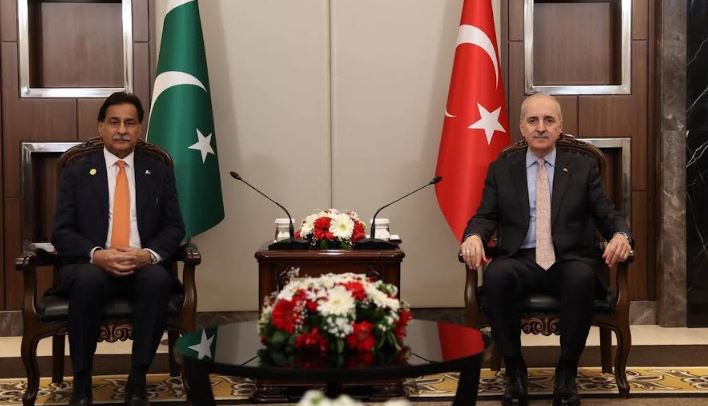
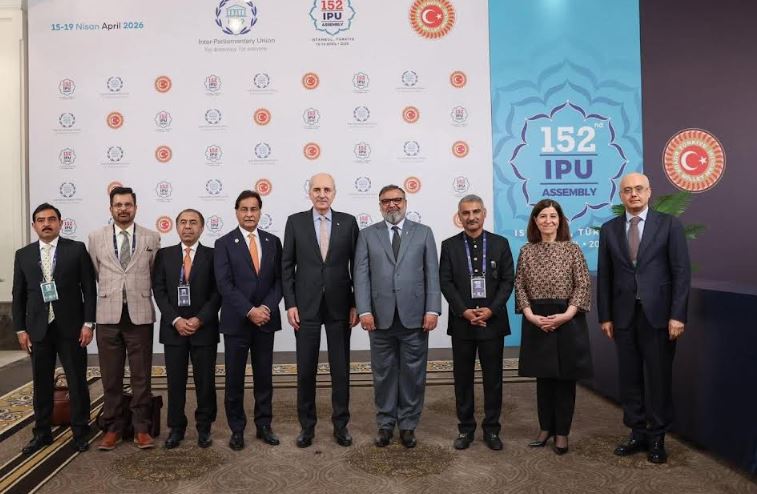
The recently concluded 152nd session in Istanbul, hosted by Türkiye’s Grand National Assembly, offered a telling illustration of both the promise and the limitations of parliamentary diplomacy in an era marked by unresolved conflicts and shifting power dynamics.
The assembly’s overarching theme — nurturing hope, safeguarding peace and ensuring justice for future generations — struck a resonant chord amid ongoing global turmoil. Discussions spanned post-conflict governance, the restoration of lasting peace, and the imperative of building a fairer, more sustainable global economy, including measures to curb corporate tax avoidance.
These topics underscored a broader recognition that parliaments must move beyond rhetoric to play a more substantive role in bridging divides and shaping multilateral responses.
Yet, as Speaker of Pakistan’s National Assembly Sardar Ayaz Sadiq aptly observed in his address, the international system established eight decades ago now stands at a critical inflection point. Persistent wars, forced displacements and selective application of UN Charter principles continue to erode trust in global institutions, highlighting the urgent need for more consistent and inclusive diplomatic mechanisms. Pakistan’s participation reflected a principled yet pragmatic approach to these challenges. Accompanied by Pakistan’s legislators, Speaker Ayaz Sadiq used the forum to articulate Islamabad’s longstanding positions with clarity and conviction.
On Jammu and Kashmir, he reiterated that the disputed territory’s final status must be determined through UN Security Council resolutions and the aspirations of the Kashmiri people, while criticising unilateral measures and aggressive posturing. Sardar Ayaz Sadiq always speaks with a voice firm in resolve and unwavering in conviction on the question of Kashmir. It is the same Sardar Ayaz Sadiq who, in 2015, declared without hesitation that Pakistan’s principled position on Kashmir outweighed the considerations of the Commonwealth Parliamentary Association (CPA) meeting. With equal clarity, he affirmed that the Speaker of the Assembly of Indian-occupied Kashmir would not be invited to Islamabad.
Speaker Sadiq remarks on the Indus Waters Treaty — describing the decision to hold it in abeyance as irresponsible and a violation of international norms — carried particular weight, given the treaty’s foundational role in regional stability. The weaponisation of shared resources, he warned, risks escalating tensions in an already volatile South Asia.
The Speaker’s intervention on Palestine was equally forthright. Highlighting the staggering human cost — over 71,000 Palestinians killed in the past two years, predominantly women and children — he drew attention to the realities of occupation, dispossession and systemic violence. At the same time, he acknowledged emerging diplomatic pathways, including recent UN initiatives and efforts toward a Gaza peace plan supported by the United States and several Arab and Islamic states, including Pakistan. Islamabad’s consistent stance, he emphasised, remains anchored in the establishment of a viable, independent Palestinian state on pre-1967 borders with Al-Quds Al-Sharif as its capital. These positions align with Pakistan’s broader commitment to the right of self-determination and the peaceful resolution of disputes through multilateral frameworks.
Speaker Ayaz Sadiq reaffirmed Pakistan’s unwavering faith in parliamentary diplomacy as a vital instrument for cultivating trust, encouraging cooperation, and preventing or resolving strife. He insisted that the core tenets of the United Nations Charter – the renunciation of force, the right of self-determination, sovereign equality, respect for territorial integrity, non-interference in internal affairs, and the peaceful settlement of disputes – must remain the unshakeable pillars of international conduct. True and lasting peace, he observed, cannot spring from displays of power, but only from patient dialogue, mutual respect, and inclusive engagement. Regrettably, the Charter’s mechanisms for amicable resolution have too often lain dormant or been applied with regrettable selectivity.
A particularly noteworthy aspect of Pakistan’s engagement was its emphasis on recent diplomatic breakthroughs. Speaker Sadiq commended the positive responses from Iran and the United States to the ceasefire call advanced by Prime Minister Shehbaz Sharif, Deputy Prime Minister Ishaq Dar and Chief of Defence Forces Field Marshal Asim Munir. The Islamabad talks of April 11-12 were described as a historic step, conducted in a constructive atmosphere that could pave the way for sustained regional dialogue. This initiative underscores Pakistan’s evolving role as a credible interlocutor capable of facilitating engagement between adversaries — a capacity rooted in its strategic location, historical ties and policy of balanced relations.
On Afghanistan, the Speaker struck a note of cautious realism, expressing concern over the persistent threat posed by terrorist sanctuaries while reaffirming Pakistan’s preference for dialogue alongside its right to defensive measures. Similarly, his remarks on climate change highlighted Pakistan’s acute vulnerability and national efforts — such as ecosystem-based flood management and green economy initiatives — as contributions to a shared global responsibility. These points illustrated a holistic foreign policy perspective that integrates security, development and environmental imperatives.
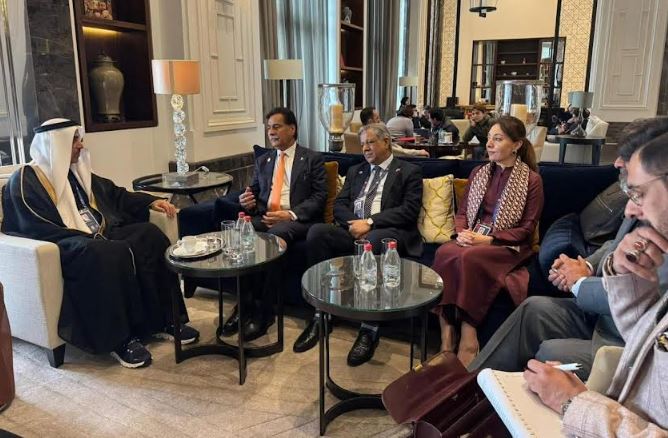
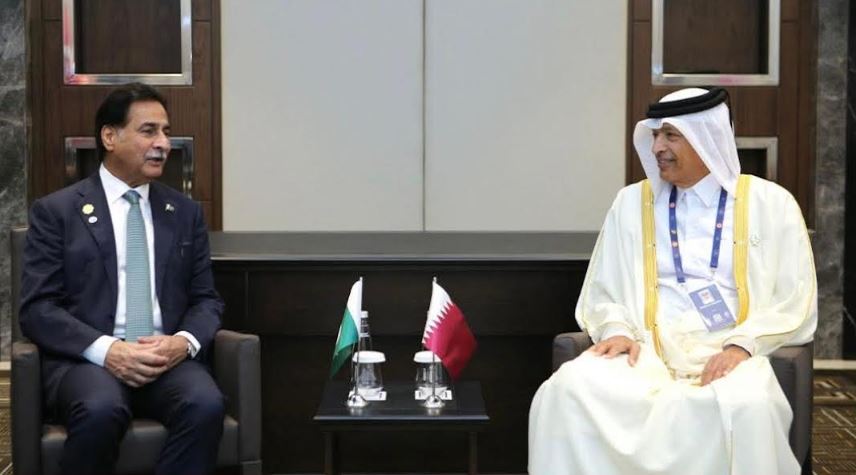
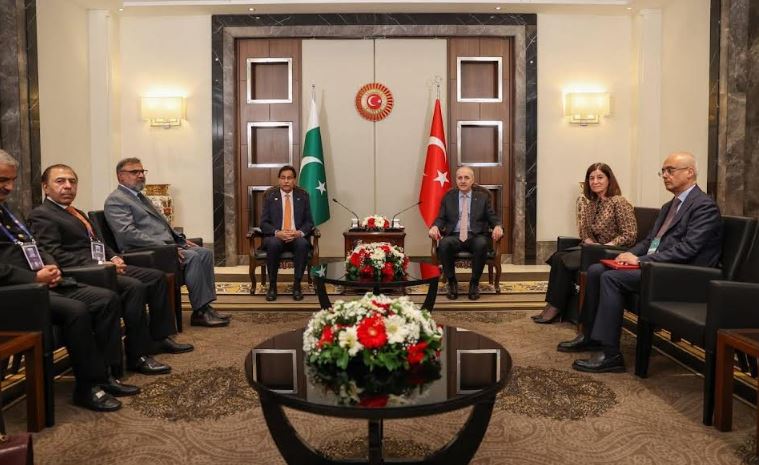
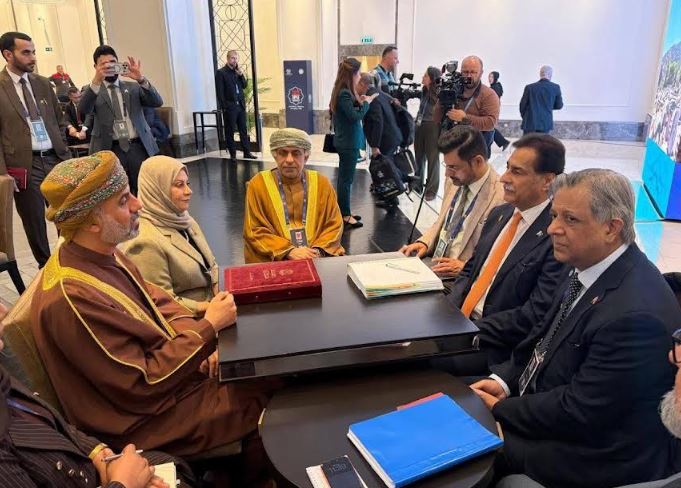
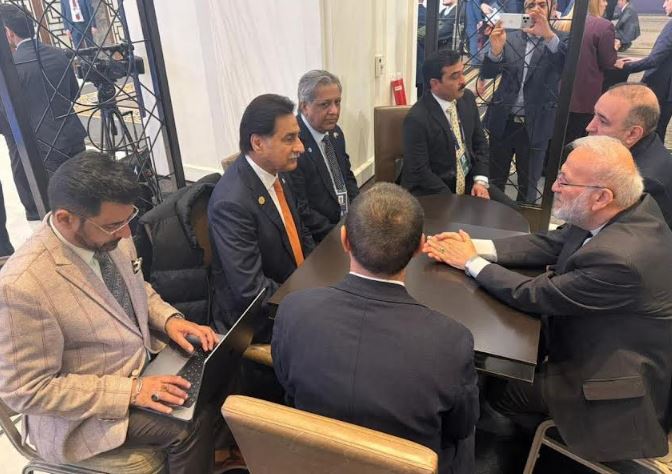
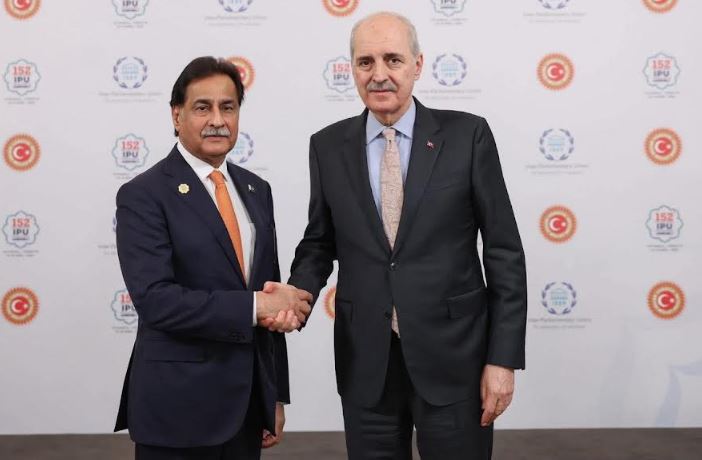
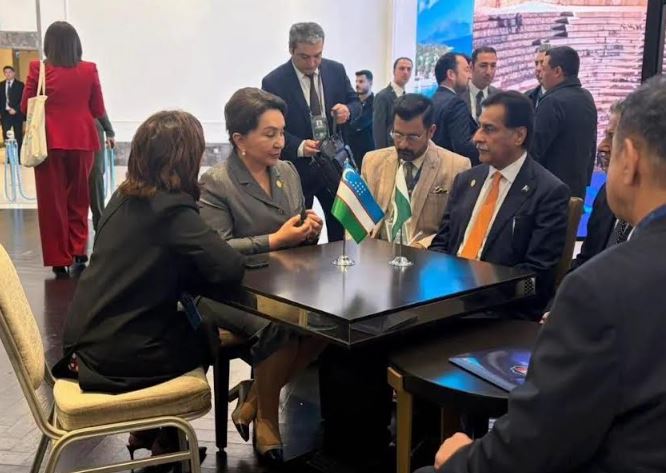
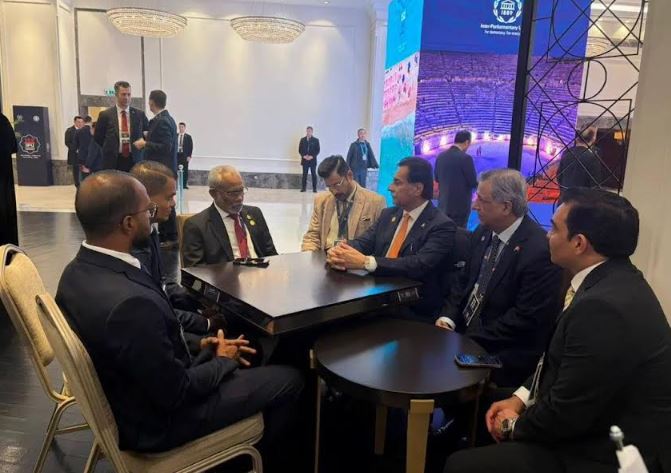
Beyond the plenary, Speaker Sadiq’s bilateral meetings on the sidelines added depth to Pakistan’s parliamentary outreach. Engagements with counterparts from Uzbekistan, Oman, Qatar, Türkiye, Maldives and Russia reinforced longstanding fraternal ties, particularly within the Muslim world, while eliciting appreciation for Islamabad’s peace initiatives. Leaders from Oman and Qatar, for instance, viewed Pakistan’s efforts as a source of pride for the Ummah and a model for fostering unity amid divisive regional tensions. Such interactions suggest that parliamentary diplomacy can serve as a valuable complement to traditional state-to-state channels, building trust and opening avenues for cooperation even when formal negotiations face hurdles.
Analytically, Pakistan’s performance at the IPU session reveals both strengths and strategic nuances. By consistently invoking UN principles while highlighting selective enforcement, Islamabad positions itself as a defender of a rules-based order that often falls short in practice. Its mediation role in the Iran-US context, though modest, demonstrates the value of quiet diplomacy and goodwill in a polarised landscape. At the same time, challenges remain; translating rhetorical commitments into tangible outcomes requires sustained follow-through, robust domestic consensus and skilful navigation of great-power rivalries.
In an age where multilateral forums risk becoming echo chambers, the Istanbul gathering served as a reminder that parliamentary engagement can still inject fresh perspectives into global discourse. For Pakistan, the session offered an opportunity to project a mature, peace-oriented foreign policy while advancing core national interests on Kashmir, Palestine and regional security. Whether these efforts will translate into concrete progress depends not only on the eloquence of speeches but on the collective political will of nations to move from declarations to deeds. In that sense, the true test of nurturing hope and ensuring justice lies in the actions that follow such gatherings.