Home Blog Page 170

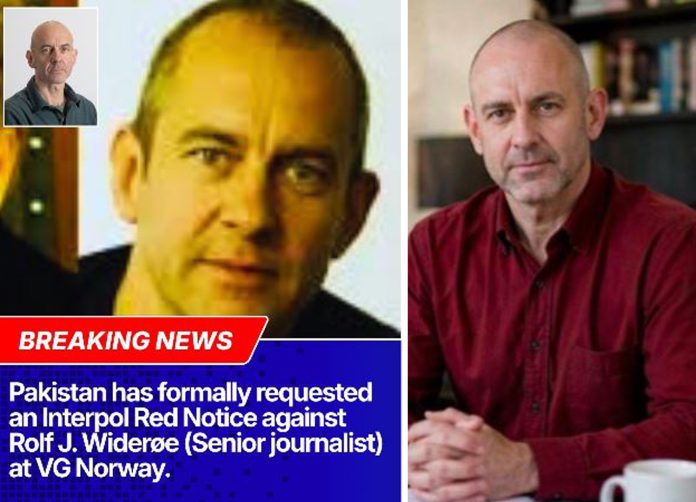
Sindh govt asks interior ministry to issue red warrant for absconding Norwegian editor 

Sindh govt asks interior ministry to issue red warrant for absconding Norwegian editor 

Staff Reporter

KARACHI, APR 24 /DNA/ – The Sindh government has urged the Ministry of Interior for issuance of a red warrant against Norwegian journalist Rolf J. Wideroe in connection with a criminal case registered in Shaheed Benazirabad involving corruption of around 10 million Rs.

An official letter issued by the Home Department, Government of Sindh, on April 23, 2026, states that the department has previously written to the federal authorities including in November 2022, 2024 and 2025 about Rolf J. Wideroe, Chief Editor of Norway’s extreme-right tabloid Verdens Gang (VG) who has been a proclaimed offender in Pakistan since 2015

According to the document, Rolf J. Wideroe is wanted in FIR No. 225/2015 registered at Police Station A-Section Nawabshah under sections 420, 406, 506/2 of the Pakistan Penal Code, along with provisions of the Telegraph Act.

A criminal case bearing No. 222/2015 was registered against him for depriving a Pakistani citizen Maqsood Ali of 10 million rupees by making a false promise of getting him a Norwegian passport during his visit to Nawabshah, Pakistan. A Pakistani court document says, “After receiving hefty payment Rolf J. Widerøe firstly threatened Maqsood Ali of dire consequences and finally managed to flee from Pakistan.

The law enforcement agency managed to secure non-bailable arrest warrants of Rolf. J. Widerøe from the competent court of law. Subsequently, request for issuance of Red Warrants was made for Rolf. J. Widerøe. He is still absconding from the process of law and wanted by the law enforcement agencies of Pakistan.”

Sindh Police have confirmed that it continues to look for Widerøe who fraudulently took Rs10 million from Maqsood Ali of Nawabshah, promising to give him Norwegian immigration papers.

Maqsood Ali had registered a complaint against Widerøe on 14 January 2016 at the Dhamrah Road Police Station, Nawabshah, but he had left Pakistan by that time.

According to the Sindh Police and the publicly available record, Widerøe was visiting Pakistan on a journalist visa when he committed the alleged fraud of theft by deception.

According to the police record, Maqsood Ali s/o Abdul Ghafoor Arain lodged an FIR at Dhamrah Road Police Station and nominated Widerøe as the accused who took 10 million rupees in the presence of eyewitnesses from the Pakistani national for Norwegian passport but “committed cheating and criminal breach of trust.”

Maqsood Ali also told the police that Widerøe threatened him with death and dire consequences over the phone after he left Pakistan, when he asked him to either facilitate him in getting the Norwegian passport or return his money.

After registration of the FIR and non-compliance by the Norwegian national, the Court of the Civil Judge & Judicial Magistrate- III Nawabshah issued Non-Bailable Arrest Warrants (NBWs) against Widerøe, declaring him an absconder of Pakistani laws.

Roshan Ali Bhugio, Civil Judge and Judicial Magistrate-111 Nawabshah, issued both the Non-Baialble Warrant of Arrest (NWA) and execution of the same warrant in “The State vs Raolf J. Winderoe” case on 27 February 2016. The Judge Roshan Ali Bhugio had ordered arrest of Widerøe in the fraud case against him.
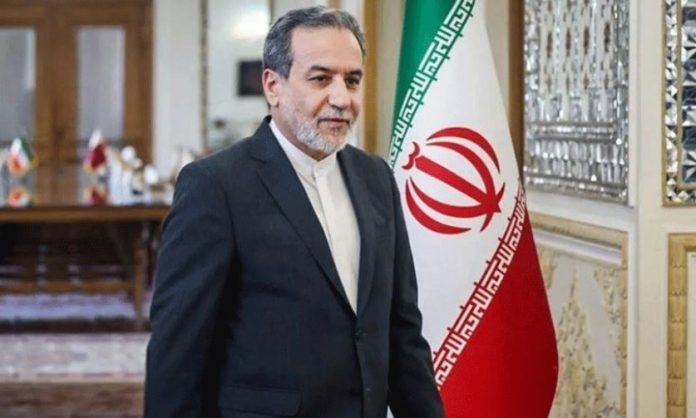

BREAKING: Iranian FM, team expected in Islamabad tonight

BREAKING: Iranian FM, team expected in Islamabad tonight

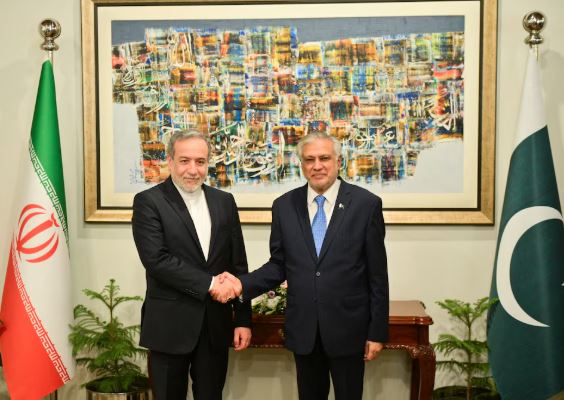
TEHRAN: The government sources said that Iranian Foreign Minister Abbas Araghchi is expected to arrive in Islamabad tonight (Friday) with a small delegation.

Sources divulged that following significant discussions with the Pakistani mediation team, a second round of Islamabad peace talks between the United States and Iran is anticipated.

Officials said that a US logistical and security team is already present in Islamabad to support the negotiation process.

According to sources, the latest development follows substantive engagement with Pakistan’s mediation team.

Earlier, Iranian Foreign Minister Abbas Araghchi held a telephone conversation with Pakistan’s Deputy Prime Minister and Foreign Minister Senator Ishaq Dar, during which the regional situation, ceasefire efforts and diplomatic initiatives were discussed.

A Foreign Office spokesperson stated that the two leaders exchanged views on recent regional developments, ceasefire prospects and Islamabad’s diplomatic efforts in the context of US-Iran relations.

On the occasion, Ishaq Dar said that sustained dialogue and diplomatic engagement remain vital for lasting peace and stability, so that all outstanding issues may be resolved at the earliest.

Abbas Araghchi acknowledged Pakistan’s positive and constructive role in the region, while both leaders agreed to remain in close contact.

It is noted that Pakistan continues diplomatic efforts aimed at reducing tensions between the United States and Iran and promoting a ceasefire.

Prime Minister Shehbaz Sharif, Foreign Minister Ishaq Dar and the military leadership remain engaged with various countries to prevent further escalation of the situation.

Dar briefs Prime Minister after telephone call with Iranian counterpart
Meanwhile, Deputy Prime Minister Ishaq Dar contacted the Prime Minister following a telephone conversation with his Iranian counterpart.

Mr Dar informed the Prime Minister of the details of his discussion with Abbas Araghchi.

Matters relating to the regional security situation and fears of an escalation in tensions were discussed.

There was also a detailed exchange of views on the second round of Iran–United States talks.

The deputy prime minister apprised Shehbaz Sharif of recent diplomatic developments.

Pakistan intensifies hunt for Norwegian journalist in old fraud case

Pakistan intensifies hunt for Norwegian journalist in old fraud case

ISLAMABAD: The Sindh government has pressed Pakistan’s Ministry of Interior for the issuance of a red warrant against Norwegian journalist Rolf J. Wideroe in connection with a criminal case registered in Shaheed Benazirabad involving alleged corruption of around Rs 10 million.

An official letter issued by the Home Department, Government of Sindh, on 23 April 2026, stated that previous correspondence was sent to federal authorities in November 2022, 2024 and 2025 regarding Rolf J. Wideroe, Chief Editor of Norway’s tabloid Verdens Gang (VG).

According to official documents, Rolf J. Wideroe is wanted in FIR No. 225/2015 registered at Police Station A-Section Nawabshah under sections 420, 406 and 506/2 of the Pakistan Penal Code, along with provisions of the Telegraph Act.

He has been declared a proclaimed offender in Pakistan since 2015.

A separate case, FIR No. 222/2015, alleges that he deprived a Pakistani citizen, Maqsood Ali, of Rs 10 million after promising to arrange Norwegian immigration documents during a visit to Nawabshah.

Court records state that after receiving payment, the accused allegedly issued threats and later left Pakistan. Non-bailable arrest warrants were issued by the competent court after his departure.

Maqsood Ali lodged a complaint on 14 January 2016 at Dhamrah Road Police Station, Nawabshah, though the accused had already left the country.

According to police records, Wideroe was visiting Pakistan on a journalist visa at the time of the alleged incident.

The complainant has stated that he was threatened over the telephone after the accused left Pakistan, when he demanded either the return of his money or fulfilment of the alleged promise.

Civil courts in Nawabshah later issued non-bailable arrest warrants and declared him an absconder. Judicial records confirm that execution of warrants could not be carried out as the accused had left Pakistan.

An Inspector General of Police report dated February 27, 2016 confirmed that Wideroe had been declared an absconder and had not returned to Pakistan despite repeated requests.

Police officials maintained that efforts to trace him continue.

SCCI, Argentine chamber explore avenues to boost bilateral trade

SCCI, Argentine chamber explore avenues to boost bilateral trade

SIALKOT, Apr 24: The Sialkot Chamber of Commerce and Industry (SCCI) on Friday held a webinar with the Argentine Chamber of Commerce for Asia and the Pacific in collaboration with the Embassy of Pakistan in Argentina to explore avenues for enhancing bilateral trade.

According to a spokesperson,SCCI President Syed Ahtesham Mazhar, along with business representatives from both sides, attended the session.
The participants discussed opportunities to increase Pakistan’s exports to Argentina and explored the potential for joint ventures between the two countries.
During the interactive session, representatives highlighted sector-specific strengths and exchanged views on market potential in both countries.
They also emphasized the need to strengthen institutional linkages to promote sustainable trade partnerships.
The speakers expressed optimism that enhanced cooperation between the business communities of Pakistan and Argentina would pave the way for long-term economic collaboration.

Borrowed Survival Pakistan’s Debt Dependency: Survival Strategy or Structural Trap?

Borrowed Survival Pakistan’s Debt Dependency: Survival Strategy or Structural Trap?

Umer Shehzad

The Pakistani economy has become increasingly dependent on foreign loans to meet its financial needs and maintain balance of payments equilibrium. What was intended as a temporary solution to cope with economic difficulties has gradually turned into a long-term pattern. Repeated negotiations with foreign creditors, especially the IMF, suggest that the problem is not temporary but deeply embedded in Pakistan’s economic structure.

This reliance extends beyond financial concerns. Rising debt servicing obligations limit government spending on development areas such as education, health, and infrastructure. At the same time, they reduce fiscal flexibility and weaken the government’s ability to make independent economic decisions. These effects are felt most strongly by lower-income groups through inflation, higher taxes, and reduced access to public services. Therefore, the issue is important not only for policymakers but also for businesses and citizens.

This article argues that Pakistan’s reliance on external borrowing is no longer just a survival strategy, but a structural trap shaped by internal weaknesses, external pressures, and the limitations of creditor-driven policies.

Pakistan’s rising debt can be linked to persistent fiscal deficits, weak revenue generation, and external imbalances. Public debt now exceeds 70% of GDP, with a large portion owed to external creditors (World Bank, 2023). At the same time, more than half of government revenue is used for debt servicing, leaving limited resources for development (State Bank of Pakistan, 2024).

Another key factor is Pakistan’s repeated participation in IMF programs. Since 1958, the country has entered more than 20 such programs (IMF, 2023). These programs typically involve reducing subsidies, increasing taxes, currency devaluation, and tightening monetary policy. While intended to stabilize the economy, such measures often slow growth and increase short-term economic pressure.

Institutionally, economic decision-making is influenced by the Ministry of Finance, the State Bank of Pakistan, and international financial institutions. A major structural issue is the narrow tax base, with only around 1.2 to 1.5% of the population paying income tax (Federal Board of Revenue, 2025). This limits domestic revenue generation and increases reliance on borrowing.

Access to external funding has also been shaped by geopolitical considerations. While this has helped Pakistan avoid immediate crises, it has reinforced long-term dependence rather than encouraging structural reform.

This study uses secondary data from institutional sources, including reports from the World Bank (2023), IMF (2023), State Bank of Pakistan (2024), and Federal Board of Revenue, along with UNDP assessments. It combines economic indicators such as debt-to-GDP ratios, revenue data, and external accounts with concepts of debt sustainability and conditionality.

Pakistan’s debt dependency stems from structural deficiencies rather than isolated policy failures. A key issue is the limited ability of the government to generate domestic revenue. Weak tax systems, a large informal economy, and the influence of powerful groups reduce effective revenue collection. The role of international lenders adds further complexity. IMF policies aim to stabilize the macroeconomic environment, but their focus on fiscal deficits and inflation can place pressure on lower-income groups while limiting investment in growth-oriented sectors.

External factors further worsen the situation. Dependence on imported energy and a narrow export base create persistent balance of payments pressures and increase demand for foreign exchange. Currency depreciation raises the cost of repaying external debt, adding strain to public finances.

This situation can be understood as a debt dependency cycle, where new borrowing is used to repay existing debt, increasing future obligations and reinforcing reliance on external lenders. It is closely linked to balance of payments pressures, where persistent trade deficits are financed through borrowing.

Borrowing helps maintain short-term stability and prevents default, but it limits policy flexibility and creates long-term dependence. A large share of government revenue is directed toward debt repayment, leaving fewer resources for development and human capital investment.

Current policy responses have not fully resolved the issue because they focus on short-term stabilization. While they may provide temporary relief, they do not address underlying problems such as inefficiency, weak exports, and governance challenges. As a result, Pakistan continues to rely on external support, repeating the same cycle.

Breaking this cycle requires a shift toward long-term structural reform. First, improving the tax system is essential by expanding the tax base, reducing exemptions, and strengthening enforcement.

Second, Pakistan must move toward export-led growth. Investment in value-added industries, improved productivity, and greater competitiveness can help generate foreign exchange and reduce trade imbalances.

Third, better management of government spending is needed. Instead of broad cuts, the focus should be on reducing inefficiencies while protecting key sectors such as education, healthcare, and infrastructure.

However, these reforms are difficult to implement. Political resistance, weak institutions, and economic uncertainty can slow progress. Rapid changes may also create short-term instability, so reforms must be gradual and supported by strong institutions.

Pakistan’s continued reliance on external borrowing reflects deeper structural challenges within its economy. While debt provides short-term relief, it creates long-term constraints on growth and policy independence. Pakistan now faces a clear choice: remain dependent on external support or pursue the structural changes needed for sustainable and independent economic growth.

The author is a researcher in AXIS- youth led think tank at TNS Beaconhouse.

Hurriyat urges UN, rights groups to free Kashmir detainees

Hurriyat urges UN, rights groups to free Kashmir detainees

ISLAMABAD, Apr 24: The All Parties Hurriyat Conference has called on the United Nations and international rights groups to urge India’s BJP-led government to free Kashmiri political detainees, including Hurriyat leaders, alleging they are held on politically motivated charges in poor prison conditions.


According to Kashmir Media Service, APHC spokesperson Abdul Rashid Minhas voiced deep concern over the condition of Kashmiri detainees, many of whom have remained imprisoned for over two decades in various
jails.


The statement also denounced what it described as a long-standing fabricated case against senior APHC leader Shabbir Ahmed Shah, calling it an example of political targeting.


It further alleged that the BJP-led Indian government is persecuting Kashmiri prisoners for opposing its control over the region, while depriving them of basic rights, including access to proper food and medical treatment.
The APHC spokesman said reopening what he termed “fabricated cases” was an attempt to extend the detention of Kashmiri leaders and activists and to suppress political dissent in the region.


He expressed concern over detainees who have spent decades in prison, naming several individuals including Mohammad Qasim Fakhtoo and Ghulam Qadir Butt among others.


He added that people in Indian-administered Jammu and Kashmir take pride in Hurriyat leaders and activists, whether imprisoned or continuing their efforts for a peaceful resolution of the dispute in line with UN resolutions.
The APHC urged António Guterres and organizations including Amnesty International, International Committee of the Red Cross and Human Rights Watch to press for the release of detainees and a resolution of the Kashmir issue.

Russian general hails Iran’s ‘shining example’ of defense against US-Israeli aggression

Russian general hails Iran's 'shining example' of defense against US-Israeli aggression

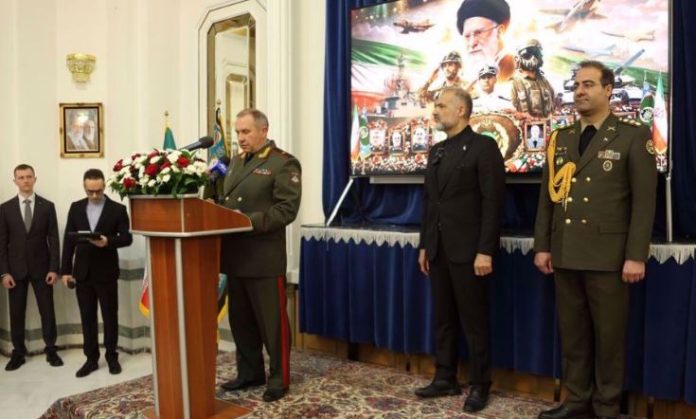
MOSCOW, APR 24: The first deputy head of the Main Directorate of International Military Cooperation of the Russian Defense Ministry says Iran demonstrated a “shining example” of defense during the recent illegal US-Israeli war of aggression.

“Iranian Armed Forces showed to the world a shining example of their firm resolve to defend their country’s interests,” Major-General Yevgeny Ilyin said during a ceremony in Moscow on Thursday, marking Iran’s National Army Day.

Iranian forces, he added, stand ready to deliver a proper and proportionate response to emerging challenges and threats.

The Russian military official said the Islamic Republic of Iran Army, with its steadfastness and courage, has protected the country’s defense and security and turned into a reliable guarantor for the nation’s independence and stability.

The unprovoked US-Israeli aggression on Iran began on February 28 with airstrikes that assassinated senior Iranian officials and commanders.

Iranian armed forces unleashed 100 waves of successful retaliatory strikes against sensitive and strategic American and Israeli targets throughout the region.

On April 8, forty days into the war, a Pakistan-brokered two-week ceasefire went into effect but the first round of Tehran-Washington negotiations failed to reach an agreement.

Referring to the strategic partnership pact signed between Iran and Russia, Ilyin said that both states have maintained their cooperation in many fields.

Iran-Russia defense relations are multifaceted, encompassing areas from the deep sea to space, he added.

The military official also reiterated Russia’s resolve to implement previous agreements with Iran and continue working on plans for bilateral military cooperation.

During the ceremony, Iran’s military attaché to Russia Sadeq Rezaei Moqaddam said Iranian Armed Forces have always been committed to moral principles and differentiated between military and civilian targets.

On the contrary, he said, the US and the Israeli regime perpetrated horrible war crimes by killing 170 students and teachers at an elementary school in the city of Minab, and targeting the Iranian Dena destroyer which was returning home from a naval drill in India.

The attacks on civilian infrastructure and educational centers represent the enemies’ strategic failure to deal a blow to the will of the Iranian nation, Rezaei Moqaddam asserted.

The perfect coordination of the Army units and other forces caused the aggressors to step back and thwarted their calculations, he said.

He further stressed that enhanced technical and military cooperation between the Iranian and Russian armed forces not only guarantees the national security of both nations, but is also the main pillar to safeguarding stability in Eurasia and countering unilateralism and organized international crimes.

BREAKING: Iranian Foreign Minister to visit Pakistan tonight with a small delegation for 2nd round of talks

BREAKING: Iranian Foreign Minister to visit Pakistan tonight with a small delegation for 2nd round of talks

TEHRAN, APR 24 /DNA/ – Iranian Foreign Minister to visit Pakistan tonight with a small delegation for 2nd round of talks.

KSrelief feeds 8,500 needy families in Punjab’s final phase

KSrelief feeds 8,500 needy families in Punjab’s final phase

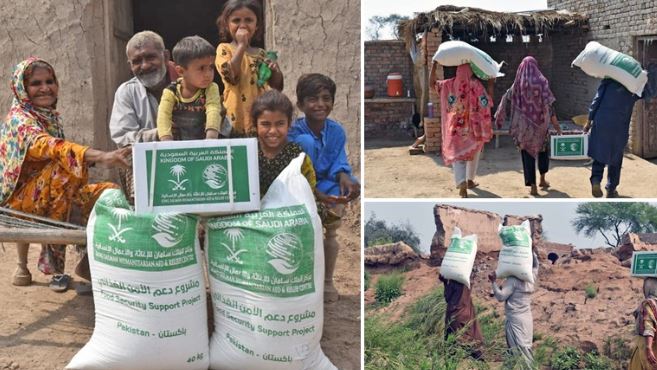
ISLAMABAD, Apr 24: The King Salman Humanitarian Aid and Relief Centre (KSrelief) has successfully completed the distribution of food packages to 8,500 families in Punjab under the final phase of the Food Security Support Project in Pakistan. The initiative was aimed at ensuring the provision of essential food supplies to food-insecure and deserving populations.

Under this intervention, food packages weighing 97 kilograms each were distributed among vulnerable communities in Punjab, most of whom were affected by recent floods. A total of 8,500 food packages were distributed across 10 districts, including Multan (Jalalpur Pirwala) 1,000, Bahawalpur 1,000, Muzaffargarh (Alipur) 900, Bahawalnagar 1,600, Rajanpur 500, Nankana Sahib 500, Khanewal (Kabirwala) 700, Rahim Yar Khan 700, Chiniot 800, and Toba Tek Singh 800.

Each package included 80 kilograms of flour, 5 liters of cooking oil, 5 kilograms of sugar, 5 kilograms of Daal chana, and 2 kilograms of dates, ensuring essential nutritional support for beneficiary families.

The distribution process was carried out in a transparent and well-coordinated manner with the support of the National Disaster Management Authority (NDMA), Provincial Disaster Management Authority (PDMA), district administrations, and KSrelief’s implementing partners, Hayat Foundation and the Peace and Development Organization.

This initiative reflects KSrelief’s continued commitment to strengthening food security across Pakistan by providing timely assistance to vulnerable communities. It further underscores KSrelief’s broader humanitarian mission to alleviate suffering and promote sustainable development worldwide.

President, PM pay tribute to security forces

President, PM pay tribute to security forces

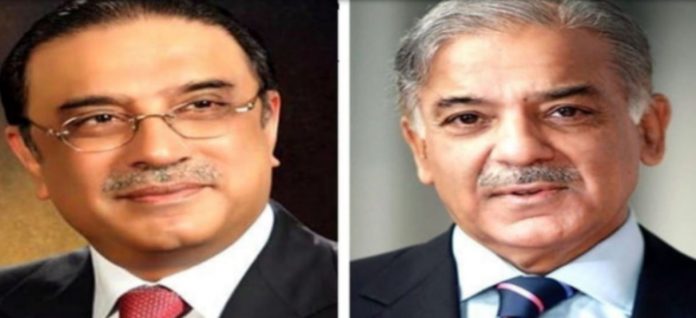
ISLAMABAD, APR 24 (DNA): President Asif Ali Zardari and Prime Minister Shehbaz Sharif on Friday paid tribute to the security forces for killing 22 terrorists of Fitna Al-Khawarij during a joint intelligence-based operation in Khyber district.

In separate statements, both leaders reaffirmed their resolve to continue the fight against terrorism until its complete elimination from the country.

President Zardari stated that terrorists were attempting to undermine Pakistan’s leadership efforts to ensure lasting peace in the region.

“We will defeat terrorism and continue to play a leading role in maintaining peace in the region and across the world,” the president said.

He also expressed deep grief over the martyrdom of a 10-year-old child during the operation and extended heartfelt condolences to the bereaved family.

Prime Minister Shehbaz Sharif also expressed sorrow over the child’s martyrdom, which occurred as a result of unprovoked firing by the terrorists.

Strongly condemning the act, the prime minister prayed for strength and patience for the grieving family.

“The cowardly terrorists’ unprovoked firing, carried out in an attempt to save themselves, which resulted in the martyrdom of a child, is an irreparable crime against humanity,” he added.

Stay Connected

64FansLike
60FollowersFollow

Latest Reviews

Exchange Rates

USD - United States Dollar
EUR
1.14
GBP
1.34
AUD
0.70
CAD
0.71