Home Blog Page 17

Minister inaugurates advanced crop speed breeding facilities at NARC

Minister inaugurates advanced crop speed breeding facilities at NARC

ISLAMABAD, JAN 2 /DNA/ – Federal Minister for National Food Security and Research, Rana Tanveer Hussain, on Friday inaugurated multiple state-of-the-art research facilities at the National Agricultural Research Centre (NARC), Islamabad. The newly inaugurated facilities include the National Wheat Speed Breeding Facility, Pulses Speed Breeding Facility, and an Intelligent & IoT-based Smart Greenhouse.

These modern facilities aim to significantly reduce the time required for crop variety development from 10 years to nearly 5 years. By providing controlled environments and advanced technologies, the speed breeding facilities will enable researchers to harvest 5–6 generations per year and rapidly develop new crop lines with desirable traits such as high yield, disease resistance, and climate resilience.

The Intelligent Smart Greenhouse is equipped with advanced technologies including artificial intelligence (AI), IoT-based monitoring systems, speed breeding modules, genome and risk assessment tools, vertical gardening, and high-throughput phenotyping. These features will support crop improvement, efficient resource use, and sustainable agricultural practices.

Speaking to the media after the inauguration, Federal Minister Rana Tanveer Hussain said that research is the core mandate of the Ministry of National Food Security and Research. He emphasized that agriculture is a priority sector for the government, and continuous efforts are being made to bring national research institutions at par with international standards.

He stated that the Pakistan Agricultural Research Council (PARC) is a key stakeholder in the agriculture sector, with a mandate to enhance crop productivity while addressing the challenges posed by climate change. Under the Prime Minister’s Green Pakistan Initiative, the government is introducing reforms to strengthen agricultural research and innovation.

The Minister further highlighted that experts from the Chinese Academy of Agricultural Sciences (CAAS) and the Ministry of Agriculture and Rural Affairs, China, have visited Pakistan to support agricultural reforms. In addition, Pakistani agricultural graduates have been sent to China to gain exposure to modern agricultural technologies.

Mr. Rana Tanveer Hussain noted that while agricultural research is a long-term process, the introduction of speed breeding and intelligent smart greenhouses will bring a major transformation in the seed development sector. He added that the government is also working on improving the seed certification system and developing climate-resilient, high-yielding oilseed and pulse crops to reduce the country’s import bill. The Minister reiterated that Ministry’s objective is to achieve self-sufficiency in key commodities and eventually move towards exports. We also aim to reduce production costs and ensure maximum benefits for small-scale farmers.

Chairman PARC, Dr. Syed Murtaza Hassan Andrabi reaffirmed the Council’s commitment to the Prime Minister’s vision of a Green Pakistan. He said that the introduction of speed breeding and smart greenhouse technologies will prove to be a game changer for crop variety development in Pakistan. He further said that the adoption of advanced breeding and digital technologies will allow our scientists to respond more effectively to the challenges of climate change. He added that PARC is focusing on developing high-yielding, climate-smart crop varieties and strengthening collaboration with national and international research partners.

He further stated that these facilities will not only enhance the capacity of researchers but will also contribute to sustainable agriculture, food security, and economic growth. PARC remains dedicated to providing scientific solutions that support farmers, improve productivity, and ensure a resilient agricultural future for Pakistan.
Ambreen Jan to become new PEMRA chairman

Ambreen Jan to become new PEMRA chairman

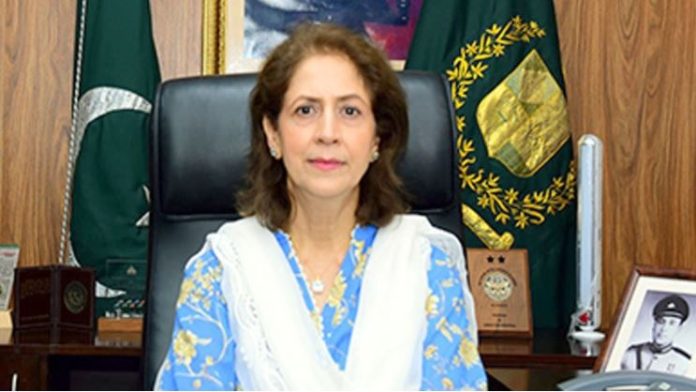
ISLAMABAD, JAN 2 /DNA/ – Former Information Secretary Ambreen Jan is poised to take charge as the new Chairman of the Pakistan Electronic Media Regulatory Authority (PEMRA). The committee responsible for appointing the PEMRA chief convened on Friday and unanimously nominated her for the position.

According to sources, PTI Senator Ali Zafar did not attend the meeting. However, Senator Sarmad Ali and MNA Shahbaz Babar both endorsed Ambreen Jan’s nomination, paving the way for her appointment. The decision reflects a rare consensus across the committee, underscoring confidence in her professional credentials.

Ambreen Jan recently retired from her role as Secretary Information, where she earned a reputation for her professional attitude and commitment to institutional integrity. Her career in public service has been marked by a steady rise through the ranks, with colleagues often praising her balanced approach to media regulation and policy implementation.

If formally appointed, Ambreen Jan will be stepping into a critical role at a time when PEMRA faces mounting challenges. The authority is tasked with regulating Pakistan’s broadcast and electronic media landscape, which has become increasingly complex amid rapid technological changes and heightened political sensitivities. Issues such as content regulation, licensing, and maintaining a balance between freedom of expression and responsible broadcasting remain central to PEMRA’s mandate.

Observers note that her nomination comes at a pivotal moment. With political tensions running high and media outlets under scrutiny, the new chairman will need to navigate competing pressures while ensuring that PEMRA maintains credibility and impartiality. Ambreen Jan’s professional background and reputation for fairness may help her steer the organization through these challenges.

Her expected appointment also signals continuity in the government’s approach to media regulation, while potentially introducing reforms aimed at strengthening institutional capacity. For many in the media industry, her leadership could provide much-needed stability and clarity in regulatory affairs.

As the process moves forward, Ambreen Jan’s nomination is likely to be confirmed, making her one of the few women to lead a major regulatory authority in Pakistan. Her tenure will be closely watched, both by policymakers and the media fraternity, as she takes on the responsibility of shaping the country’s broadcast environment.

Excise Department launches one-stop facilitation desk at ICCI

Excise Department launches one-stop facilitation desk at ICCI

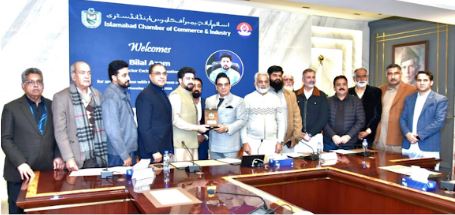
ISLAMABAD, JAN 2 /DNA/ – In a major step towards facilitating the business community and promoting ease of doing business, the Excise and Taxation Department Islamabad has announced the establishment of a dedicated Facilitation Desk at the Islamabad Chamber of Commerce and Industry (ICCI) to provide on-the-spot services to ICCI members and their families.

The announcement was made by Director Excise and Taxation Islamabad, Bilal Azam, during an impressive interactive session held at the ICCI. He was accompanied by Magistrates Ali Hassan Peerzada and Mir Yameen.

Bilal Azam informed the participants that the Facilitation Desk at ICCI will provide services related to token tax payments, renewal of tobacco licenses, professional tax matters, registration and transfer of vehicles, registration of real estate dealers and motor vehicle dealers, under one roof. He further stated that an Excise and Taxation Department mobile vehicle will also visit the ICCI premises as and when a reasonable list of vehicles requiring registration, transfer or related services is provided by the ICCI focal person.

Highlighting the department’s digital transformation initiatives, the Director Excise and Taxation shared that so far over 600,000 vehicles have been issued M-Tags in Islamabad. He said the department is committed to expanding M-Tag service points across the federal capital to ensure maximum public convenience. In the same spirit, M-Tag installation facilities will be made available at the ICCI premises to facilitate chamber members and their families.

He encouraged motorists to obtain M-Tags and cooperate with the department as responsible citizens to help make Islamabad a secure, regulated and safe city. He also announced that mobile excise service vehicles can be deployed to commercial markets on the demand of respective Traders Welfare Associations (TWAs) presidents.

Bilal Azam categorically assured the business community that there will be no double taxation, clarifying that the Excise and Taxation Department and Capital Development Authority (CDA) will collect taxes strictly within their respective domains. He also announced the revival of the issuance of official cards to real estate dealers, which had long been demanded by the sector.

The Director further added that through automation and real-time system upgrades, the department has significantly enhanced service delivery, generating Rs. 21.3 billion in revenue, while ensuring transparency and efficiency.

Earlier, in his welcome address, President ICCI Sardar Tahir Mehmood highlighted the proactive role of ICCI in advocating for ease of doing business. He appreciated the facilitation already being extended by the Excise and Taxation Department but stressed the need to further enhance services, particularly in M-Tag issuance, token tax payments, vehicle registration and transfer, and the revival of card issuance for real estate dealers. He strongly demanded the establishment of a dedicated Excise and Taxation Desk at ICCI, which was warmly welcomed by the department.

ICCI Senior Vice President Tahir Ayub, Vice President Irfan Chaudhry, Executive Committee members Zulqurnain Abbasi, Waseem Chaudhry, Chairman ICCI Standing Committee on Administration Raja Abdul Majeed, and prominent trade leaders including Yousuf Rajput, Khalid Chaudhry, Israr Mashwani, Chaudhry Arshad and Shahid Abbasi along with a large number of ICCI members, actively participated in the question-and-answer session and appreciated the department’s facilitation-oriented approach.

Gilani urges investment in Balochistan’s infrastructure and mineral resources

Gilani urges investment in Balochistan's infrastructure and mineral resources

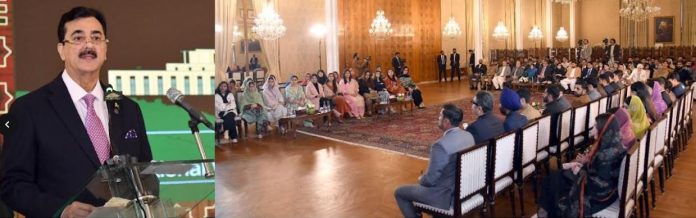
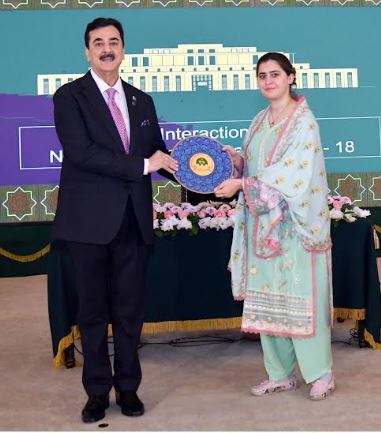
ISLAMABAD, JAN 2 /DNA/ – Chairman Senate Syed Yousuf Raza Gilani on Friday highlighting Balochistan’s strategic role in regional connectivity and its rich natural resources, urged investments in infrastructure, trade, minerals, and connectivity to uplift local communities, create employment, and promote shared national progress.

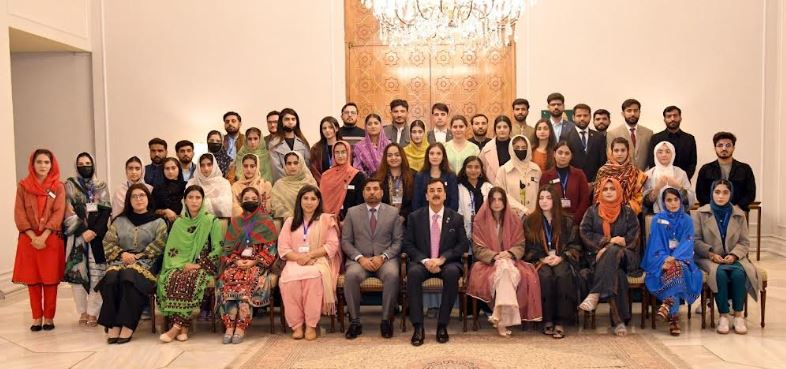
The Senate chairman, addressing the participants of National Workshop Balochistan (NWB-18) at President’s House, said that Balochistan occupied a pivotal position in regional connectivity, linking South Asia with Central Asia and the Middle East.

Its coastline, natural resources, and strategic location make it central to Pakistan’s economic future and national security, he added.

Gilani also reaffirmed the state’s unwavering commitment to peace, development, inclusion, and constitutional rights of the people of Balochistan.

He noted that the Special Investment Facilitation Council (SIFC) provided an important platform for coordinated investment, while projects like Reko Diq and CPEC-related initiatives would ensure economic growth, capacity-building, and enhanced investor confidence, with due regard to provincial interests.

Gilani emphasised that the people of Balochistan, with their rich culture, history, and traditions, were an inseparable part of the national identity, and called for development, opportunity, and inclusion throughout the province.

The Senate chairman also drew attention to the challenges faced by Balochistan due to climate change and natural disasters, including floods and heavy rainfall, causing loss of life and livelihoods. He stressed the need for sustained humanitarian support, rehabilitation, and long-term planning to address climate-induced challenges.

He termed the resilience of Balochistan’s people amidst the challenges a source of strength and optimism, and called for equipping the youth of Balochistan with education, skills, and opportunities to enable them to become agents of peace, progress, and national unity.

Recalling his recent visit to the Pakistan Navy War College, where he underscored the importance of maritime security and the blue economy, he noted that such engagements were vital for a holistic understanding of national defence and development priorities.

Gilani recalled prioritizing Balochistan during his tenure as prime minister, highlighting 2009 Aghaz-e-Huqooq-e-Balochistan Package, unanimously approved by Parliament, as a historic democratic initiative to resolve political, economic, and administrative issues.

He said the package aimed to rebuild trust, boost provincial autonomy, ensure fair resource sharing, enhance Baloch youth employment and civil service representation, and prioritize education via scholarships and expanded institutions.

The Senate chairman noted special development measures for resource-extraction areas to benefit local communities and that political reconciliation and dialogue were key to lasting peace through inclusion.

He said that the Senate of Pakistan remained committed to protecting provincial rights, strengthening the federation, and promoting balanced development across all regions through oversight, transparency, and dialogue.

Welcoming participants to the federal capital, the Senate chairman praised the National Workshop Balochistan as a commendable initiative by the Government of Balochistan, in collaboration with Headquarters 12 Corps, Quetta, to promote national cohesion, informed leadership, and constructive dialogue on provincial issues.

He appreciated the organisers for uniting policymakers, academics, professionals, and young leaders, noting such engagements fostered mutual understanding, national integration, and capacity-building.

Urging the participants to respect diversity, uphold constitutional values, and work within democratic frameworks, Gilani expressed hope that the workshop would deepen their understanding of parliamentary democracy and inspire them to play a constructive role in national development.

The interaction also featured the question-answer session, wherein the Senate chairman discussed various issues related to inclusive development, national security, parliamentary legislation, and political reconciliation.

AFP fails to submit Rs 107.5m govt grant records

AFP fails to submit Rs 107.5m govt grant records

By our correspondent

ISLAMABAD: Serious questions have emerged over the financial transparency of the Athletics Federation of Pakistan (AFP) after it failed to submit adjustment accounts and supporting records of Rs 107.50 million in federal government grants received over the last three financial years.

According to official documents, the Pakistan Sports Board (PSB)—working under the Ministry of Inter-Provincial Coordination (IPC)—released grants to AFP amounting to Rs 24.126 million in Fiscal Year (FY) 2022–23, Rs 69.250 million in FY 2023–24, and Rs 14.175 million in FY 2024–25.

Despite repeated reminders and official correspondence, AFP has yet to provide complete adjustment accounts or documentary evidence explaining the utilization of these public funds.

An official communication issued by PSB on December 19, 2025, states that the federation was repeatedly directed to submit original receipts, vouchers, invoices, audited financial statements, and bank statements, but failed to comply. Multiple notices were issued between September 2024 and December 2025, however, no satisfactory response was received from AFP.

Expressing serious concern, PSB noted that the continued failure to submit mandatory financial records has raised grave transparency and accountability concerns regarding the federation’s financial affairs. The Board has now treated the latest communication as a final notice, directing AFP to submit complete adjustment accounts for the period from July 1, 2022 to December 15, 2025 within seven days.

PSB has further warned that failure to comply will result in withholding of future funding requests, suspension of facilitation, and initiation of legal and regulatory action under relevant laws—without any further notice.

The development has triggered concern within Pakistan’s athletics community, particularly at a time when athletes and technical officials have repeatedly complained about delayed allowances and lack of financial support. The situation has renewed calls for strict financial oversight, accountability, and governance reforms within national sports federations.

Local govt elections postponed again: a blow to democracy

Local govt elections postponed again: a blow to democracy

Editorial

ISLAMABAD: The federal cabinet’s decision on Friday to once again postpone local government elections in Islamabad has sparked widespread disappointment and concern. This marks the third time the polls have been delayed, raising serious questions about the government’s willingness to empower grassroots democracy. Local governments are often described as the “true governments of the people,” yet citizens in the capital remain deprived of this fundamental democratic right.

The repeated postponements appear to stem from political calculations. Analysts argue that the ruling coalition fears a strong showing by Pakistan Tehreek-e-Insaf (PTI) in Islamabad, which could expose the government’s declining popularity. After two years in power, the administration seems reluctant to face the electorate at the local level, worried that voters may punish it for poor governance, inflation, and unmet promises. This hesitation reflects not only a lack of confidence but also a troubling disregard for democratic norms.

The tragedy of this decision lies in its impact on ordinary citizens. Local governments are designed to address everyday issues—clean water, sanitation, education, and municipal services—that directly affect people’s lives. By postponing elections, the government denies citizens the opportunity to choose representatives who can respond to their immediate needs. Instead, bureaucratic control continues to dominate, often leaving communities frustrated and voiceless.

This is not an isolated incident. In Balochistan, local government elections were postponed just days before polling was scheduled, leaving candidates and voters in limbo. Punjab too faces similar uncertainty, with repeated delays undermining the credibility of the electoral process. These patterns suggest a broader reluctance across provinces to devolve power to the grassroots, despite constitutional obligations.

Critics argue that such postponements weaken democracy and erode public trust. When governments avoid elections out of fear of losing, they signal insecurity and poor performance. Citizens begin to question whether their leaders truly believe in democratic accountability or merely seek to cling to power. The longer these delays persist, the greater the risk of alienating the public and fueling political instability.

Ultimately, democracy thrives when governments trust the people and allow them to decide. Postponing local government elections again in Islamabad—and elsewhere—sends the opposite message. It reflects a government unwilling to face its citizens, fearful of backlash, and hesitant to embrace the very system it claims to uphold. For Pakistan’s democracy to strengthen, local governments must be empowered, not sidelined.

Islamabad Local govt polls once again postponed

Islamabad Local govt polls once again postponed

PM Shehabaz-led meeting greenlights legislation for elections in federal capital on same lines as Punjab

Saifullah Ansar/DNA

ISLAMABAD: The federal cabinet during a meeting headed by Prime Minister Shehbaz Sharif, approved the postponement of local government elections in Islamabad, the sources said on Friday.

During the meeting today, the forum ratified the decisions made on December 3, and December 30, 2025, by the cabinet committee on legislation.

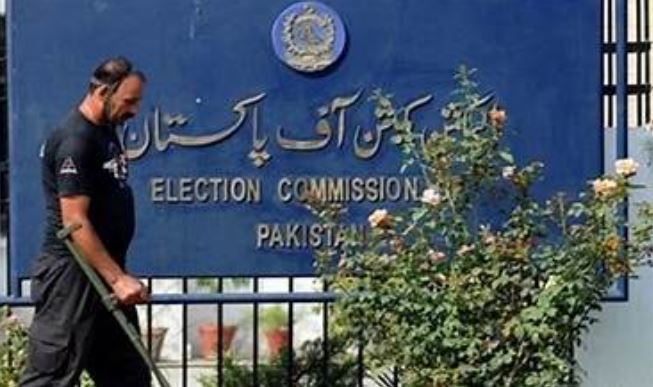
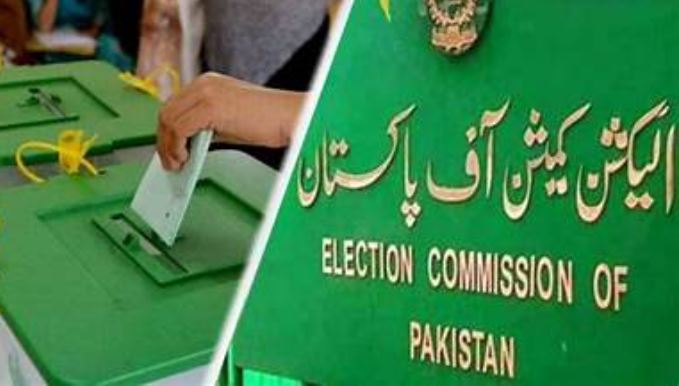
The development comes as the Election Commission of Pakistan (ECP) had earlier announced holding the local body polls in Islamabad on February 15.

Meanwhile, the scrutiny of the nomination papers will take place from December 30th 2025 to January 3 2026.

Appeals against the scrutiny can be filed from January 5 to 8, and election tribunals were to hear and dispose of these appeals between January 9-13.

Candidates can withdraw their nomination papers until January 15, while the final list of candidates will be displayed on January 16. The election symbols will also be allotted on January 16 2026.

The results were to then be compiled from February 16 to 19.

The sources say that the federal cabinet today mulled over new legislation related to local government elections in the federal capital, with the CEC Islamabad briefing the meeting on the matter.

Furthermore, the forum, sources added, has approved the legislation for local government elections in Islamabad on the same lines as Punjab.

Bangladesh’s national airline ‘receives’ Pakistan’s nod for Karachi–Dhaka direct flights

Bangladesh's national airline 'receives' Pakistan's nod for Karachi–Dhaka direct flights

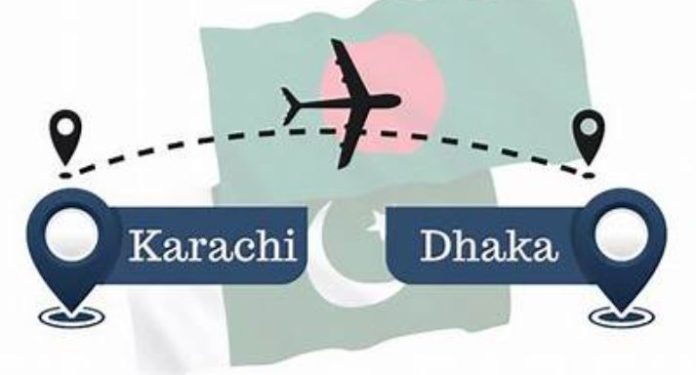
DHAKA, JUN 2: Direct flights between Pakistan and Bangladesh are set to resume after the federal government granted permission to Bangladesh’s national airline to operate flights between Dhaka and Karachi, sources told Geo News on Friday.

Pakistan and Bangladesh have drawn closer in recent months, and this renewed bonhomie appears to have paved the way for the decision to resume direct flight services. Currently, travellers between the two countries rely on connecting flights via Dubai or Doha.

The sources said that the Civil Aviation Authority (CAA) granted approval to the Bangladeshi national airline after receiving clearance from the federal government. The permission was issued by the Director General of the CAA.

They said that Bangladesh’s national flag carrier has initially been allowed to operate flights until March 30, 2026. The airline has also been granted permission to use Pakistan’s airspace on approved routes.

Sources within CAA said the airline will be required to operate strictly on designated air routes while flying through Pakistan’s airspace. They added that complete flight details must be shared with Karachi airport authorities before departure from Dhaka.

“Flights between Pakistan and Bangladesh are expected to begin later this month,” the sources added.

Bangladesh High Commissioner to Pakistan Iqbal Hussain Khan had earlier confirmed that Biman Bangladesh Airlines is preparing to launch three weekly flights to Karachi.

He made these remarks while speaking to The News on the sidelines of his address at the Foreign Services Academy.

“Yes, we are starting direct flights with Pakistan. Our national airline will operate three weekly flights to Karachi”, the Bangladesh high commissioner had said when asked about the development.

Pakistan regards Taiwan as inalienable part of China: FO

Pakistan regards Taiwan as inalienable part of China: FO

ISLAMABAD, Jan 2 (DNA): Pakistan on Friday reiterated that it would continue to adhere to the One China Policy and regard Taiwan as an inalienable part of China.

Foreign Office Spokesperson Tahir Andrabi, responding to the media queries on developments related to the Taiwan Strait, said that Pakistan and China were iron-clad friends and all-weather strategic cooperative partners.

He reiterated Pakistan’s consistent support to China on all matters of its core interests, including Taiwan.

“We will continue to adhere to the One-China principle and regard Taiwan as an inalienable part of China,” Andrabi added.

Adil Raja, Haider Mehdi, others sentenced to two life terms over ‘digital terrorism’

Adil Raja, Haider Mehdi, others sentenced to two life terms over 'digital terrorism'

ISLAMABAD, JAN 2 – An anti-terrorism court in the federal capital on Friday awarded multiple life sentences to Adil Raja, Haider Mehdi, Wajahat Saeed, Sabir Shakir and Moeed Pirzada for “committing digital terrorism” in a case related to the May 9, 2023 riots.

The verdict, announced by ATC Judge Tahir Abbas Sipra, relates to a case registered at the Aabpara Police Station against Syed Akbar Hussain and journalists Shakir and Pirzada.

Whereas Mehdi, Saeed and Shaheen Sehbai were sentenced in a case lodged at the Ramna Police Station.

Apart from the life sentences, the court also handed down a total of 35 years’ imprisonment under other provisions and imposed a fine of Rs1.5 million.

During the case hearing, Raja Naveed Hussain Kiani appeared on behalf of the prosecution, whereas the convicts were represented by Advocate Gulfam Goraya — who was appointed by the court as the defence counsel.

During the case, the prosecution presented a total of 24 witnesses before the court, which completed the trial in absentia upon the former’s request.

The ATC judgment comes days after the federal cabinet declared Raja, a former Pakistan Army major, a proscribed person under Section 11[EE] of the ATA 1997.

Raja, who is based in the United Kingdom, was among the two retired Pakistan Army officers convicted and sentenced under the Army Act for violations of the provisions of the Official Secrets Act in 2023.

Along with him, Captain (retd) Haider Raza Mehdi was also sentenced for the same offence via Field General Court Martial in November 2023.

Meanwhile, the journalists sentenced in the ATC verdict today, namely Shakir, Pirzada, Saeed and Sehbai, are also currently abroad.

Stay Connected

64FansLike
60FollowersFollow

Latest Reviews

Exchange Rates

USD - United States Dollar
EUR
1.16
GBP
1.34
AUD
0.67
CAD
0.72