Home Blog Page 154

Al-Kharj pilgrims center ready to serve 35,000 Hajj travelers

Al-Kharj pilgrims center ready to serve 35,000 Hajj travelers

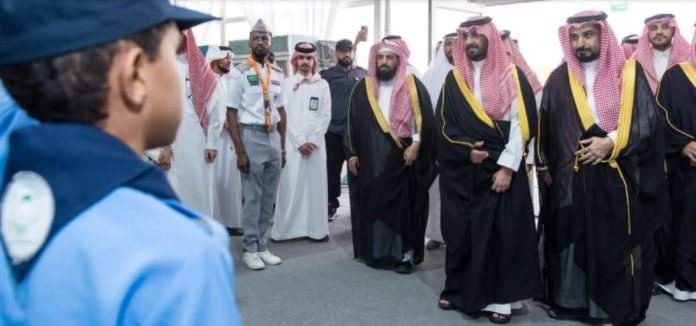
ISLAMABAD, May 6: Prince Fahd bin Mohammed bin Saad bin Abdulaziz on Wednesday inspected the Pilgrims Service Center in Al-Kharj, designated to receive pilgrims arriving through land border crossings on their way to the holy sites.

According to SPA, the governor reviewed the center’s operational readiness and facilities spread over more than 50,000 square meters, with the capacity to serve up to 35,000 pilgrims.

During the visit, he inspected service, healthcare and volunteer operations being carried out in coordination with the relevant authorities to ensure smooth assistance for pilgrims.

Prince Fahd stressed the importance of integrated efforts and coordinated work among all departments to provide the best possible services, care and comfort for pilgrims during their journey to perform Hajj obligations.

FFC announces financial results of First Quarter 2026

FFC announces financial results of First Quarter 2026

ISLAMABAD, MAY 6 /DNA/ – Fauji Fertilizer Company (FFC) has announced its financial results for the first quarter ended March 31, 2026, at its Board of Directors’ meeting.

The Company reported a net profit of PKR 17.5 billion, translating into earnings per share (EPS) of PKR 12.1, compared to PKR 9.3 per share in the corresponding period of last year.

During the quarter, the FFC produced 654 thousand tonnes of urea and 166 thousand tonnes of DAP, while 42 thousand tonnes of DAP were also imported to meet market requirements. The Company recorded urea and DAP offtake of 601 thousand tonnes and 182 thousand tonnes, respectively. FFC achieved a urea market share of 58%, while DAP market share stood at 63%.

The Company continued to ensure uninterrupted business operations while upholding the highest standards of health and safety across its operations.

Board of Directors has declared a first interim cash dividend of PKR 8.5 per share for the first quarter of 2026.

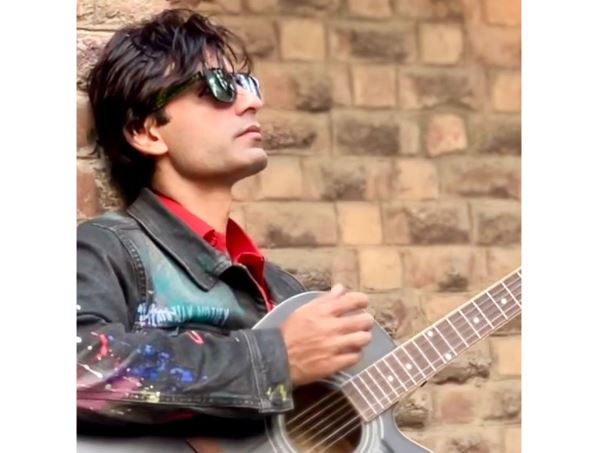
Babar Ornate — The Voice of Elegance With his popular hit — London Ki Mehki Hawa

On a breezy London evening, the city’s lights shimmered against the Thames, and somewhere in a tucked-away studio, Babar Ornate was weaving melodies that carried both the scent of nostalgia and the thrill of modern romance. Known for his ability to blend genres effortlessly, Babar has emerged as one of the most distinctive voices in today’s independent music scene.

Babar Ornate, a singer, composer, and lyricist, has carved a unique niche in the modern music landscape. With works like London Ki Mehki Hawa and the upcoming Lakhon Mein Tum Pasand Aye, he blends British ambience with South Asian sensibilities, creating a sound that is both globally appealing and deeply personal.

Some artists chase trends; others create them. Babar Ornate belongs to the rare breed who transcends both. His music is not just a collection of notes — it’s an emotional language, a bridge between cultures, and a testament to the timeless power of melody.

The Journey

Babar Ornate’s rise is a story of persistence, experimentation, and a refusal to be boxed into a single genre. From his early days experimenting with acoustic arrangements to producing lush, cinematic soundscapes, his work reflects a deep understanding of both Eastern and Western musical traditions.

His breakout track London Ki Mehki Hawa showcased his signature style—romantic, atmospheric, and layered with intricate instrumentation. The song’s composition and lyrical depth revealed an artist who values storytelling as much as melody.

Musical Style & Influences

Babar’s music often blends:

* Romantic lyricism with poetic imagery

* Western orchestration with South Asian melodic sensibilities

* Ambient textures that create a cinematic listening experience

He draws inspiration from 90s melodic era film scores, and even contemporary pop, resulting in a sound that feels both familiar and refreshingly new.

Beyond the Studio

On social media platforms, Babar shares glimpses of his creative process — whether it’s a late-night jam session or a candid conversation about the emotions behind a song. His upcoming release, Tum Ho Dharkan Mein, promises to explore deeper emotional territory, continuing his tradition of heartfelt storytelling.

Impact & Future

In an era where music is often consumed in fleeting moments, Babar Ornate’s work invites listeners to slow down and immerse themselves. His ability to merge cultural influences positions him as a bridge between audiences, and his growing international fanbase suggests that his journey is only beginning.

Closing Thought

Babar Ornate is not just making songs — he’s crafting experiences. Each track is a chapter in an unfolding story, one that resonates with anyone who has ever loved, lost, or dreamed.

ICCI, Ministry of Education join hands to develop market-driven curriculum

ICCI, Ministry of Education join hands to develop market-driven curriculum

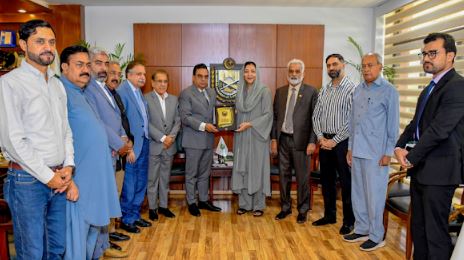
ISLAMABAD, MAY 5 /DNA/ – The Ministry of Federal Education and Professional Training and the Islamabad Chamber of Commerce and Industry have agreed to jointly evolve a comprehensive mechanism for developing a market-driven curriculum aimed at transforming Pakistan’s youth into job creators rather than merely job seekers.

This understanding was reached during the visit of Minister of State for Federal Education and Professional Training Ms. Wajiha Qamar to ICCI on Wednesday, where she was warmly received by the Chamber’s leadership and members. Both sides agreed to constitute a Joint Working Group along with the appointment of focal persons to ensure regular coordination between academia and industry for achieving tangible outcomes.

Addressing the gathering, Ms. Wajiha Qamar stressed the urgent need for stronger industry-academia linkages and urged the business community to come forward with practical and implementable proposals to align education with market requirements.

She observed that rapid transformations taking place across the global economic landscape demand collaborative policymaking to equip Pakistani youth with modern skills capable of generating employment opportunities and earning valuable foreign exchange for the country.

The Minister emphasized that professional training, internationally recognized certifications, and skill development have become the need of the hour. She stated that both public and private sectors must work collectively for developing certification mechanisms and modern training frameworks capable of preparing youth for emerging global markets.

Speaking on the occasion, ICCI President Sardar Tahir Mehmood reaffirmed the Chamber’s commitment to strengthening collaboration between academia and industry for designing a market-oriented curriculum and conducting awareness sessions in partnership with relevant stakeholders.

He emphasized the importance of focused engagement, regular interaction, and policy continuity for economic diversification and sustainable growth. He also highlighted the need for confidence-building measures and consistent economic policies to attract both local and foreign investment.

Chairman ICCI Founder Group Tariq Sadiq said that the availability of a highly skilled workforce is essential to meet the growing demands of modern industries and international markets. He stressed that educational institutions must focus on practical learning, innovation, and entrepreneurship instead of relying solely on conventional academic models.

Former ICCI President Mian Akram Farid observed that Pakistan’s economic progress largely depends upon preparing a technically competent workforce capable of competing at international standards. He emphasized that vocational training institutes should be modernized in accordance with evolving industrial requirements and global technological trends. 

Former President Mian Shaukat Masud underlined the importance of imparting technical training in fields such as laptop repairing and emerging technologies to create self-employment opportunities for youth.  He added that empowering youth with practical skills would help strengthen Pakistan’s digital economy and reduce dependence on traditional employment sectors.

ICCI Vice President Muhammad Irfan Chaudhry, senior members Dr. Mohammad Usman and Azaz Mohammad, Secretary General Ghulam Murtaza, Executive Committee Member Ishaq Sial and others also shared their insights during the interactive session.

Pakistan’s deterrence credibility reinforced after Indian aggression: Experts

Pakistan’s deterrence credibility reinforced after Indian aggression: Experts

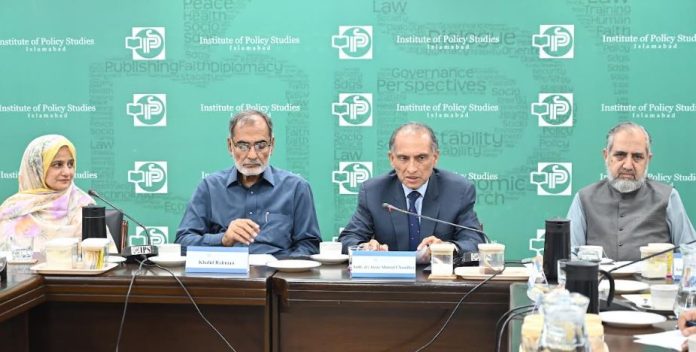
ISLAMABAD, MAY 6 /DNA/ – The May 2025 conflict fundamentally altered the regional balance of power in South Asia by reasserting Pakistan’s credible conventional and strategic deterrence against India. This provided Pakistan with an opportunity to capitalize on this strategic momentum through economic resilience and proactive diplomacy in an increasingly polarized global order, in which two trends are emerging among nations: building national strength and collaborating with like-minded countries.

This was discussed during a session titled “Reassessing Global Order Post-May 2025 Pakistan-India War” at the Institute of Policy Studies (IPS), which brought together diplomats, strategic experts, security analysts, and academics to deliberate on the regional and global implications of the conflict. The speakers included Amb (r) Aizaz Ahmad Chaudhry, former foreign secretary; Khalid Rahman, chairman IPS; Amb (r) Syed Abrar Hussain, vice-chairman IPS; Farzana Yaqoob, former minister, AJK; Dr. Khuram Iqbal, associate professor, QAU; Brig (r) Said Nazir, security analyst; Dr. Asma Shakir Khawaja, executive director, CISS AJK; Dr. Waleed Rasool; executive director, IDDDS; and Zohaib Altaf, researcher at CISS AJK.

In his keynote address, Amb (r) Aizaz Ahmad observed that the events of May 2025 significantly reshaped the regional strategic calculus and enhanced Pakistan’s diplomatic and military confidence. He noted that the conflict demonstrated Pakistan’s ability to effectively employ a combination of conventional deterrence, diplomatic outreach, cyber capabilities, and information warfare in response to Indian aggression.

He highlighted that India attempted to establish a “new normal” by linking any terrorist incident in India or Illegally Occupied Jammu and Kashmir (IIOJK) to Pakistan. However, Pakistan’s calibrated response during Operation Bunyan al-Marsoos challenged this doctrine and reinforced the credibility of Pakistan’s deterrence posture. Nevertheless, he warned that chances of future misadventures by the Indian government for domestic political consumption should not be ruled out.

Amb Aizaz also pointed out four key arenas of competition where geopolitical rivalries are intensifying and shaping the global order. These include the US-China strategic competition, emerging Middle Eastern alliances amid US-Iran tensions, South Asian security dynamics, and growing divergence between Europe and the US.

Furthermore, the discussants emphasized that the region had increasingly moved toward a unipolar regional order dominated by India; however, developments following the conflict indicated the emergence of a more balanced and competitive regional environment. Thus, India’s long-standing aspiration to project itself as an uncontested regional power had encountered significant resistance.

Several speakers warned that despite the current pause in hostilities, tensions between Pakistan and India remain fragile. They cautioned that political considerations within India could lead to future provocations or escalatory behavior. They also stressed that Pakistan should continue to maintain preparedness against conventional, cyber, and hybrid threats.

Furthermore, speakers reiterated that the Kashmir conflict had once again brought international attention to the unresolved dispute. They expressed concerns regarding restrictions on freedom of expression, demographic changes, digital surveillance, and cultural marginalization in IIOJK. Similarly, the Middle East situation also received attention during the deliberations, with speakers pointing toward increasing instability and changing alignments in the region.

In light of these, participants underlined that Pakistan must capitalize on the strategic opportunities emerging from the changing global order by strengthening its economy, pursuing structural reforms, diversifying trade partnerships, and deepening regional connectivity. Special emphasis was placed on the importance of economic resilience, technological advancement, and diplomatic engagement as essential pillars of national power. Likewise, experts stressed the need for Pakistan to strategically utilize critical minerals and artificial intelligence by strengthening cooperation with strategic partners in these sectors.

Concluding the session, Khalid Rahman noted that Pakistan’s May 2025 achievement has created a feel-good factor among the public, underscoring the need to sustain this positive momentum. He added that the world is a chessboard, and every move carries broader implications, requiring policymakers to adopt an interdependent and comprehensive approach.

Premature deindustrialization hurting youth employment, warns PIDE Seminar

Premature deindustrialization hurting youth employment, warns PIDE Seminar

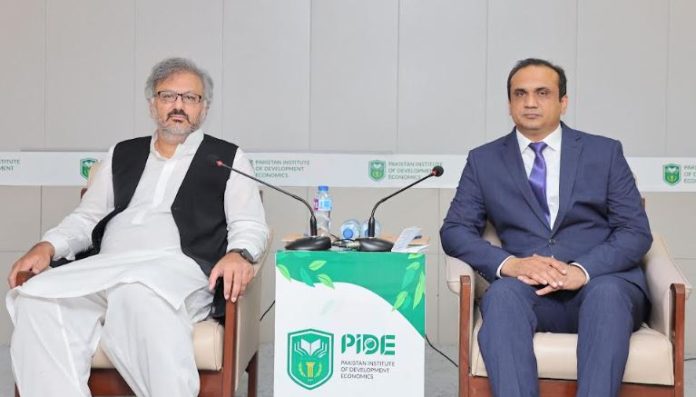
ISLAMABAD, MAY 6: /DNA/ – The Pakistan Institute of Development Economics (PIDE) organized a seminar on “Industrial Competitiveness in Pakistan” today in Islamabad, featuring Usman Khan, Deputy Team Lead – REMIT and Director of the Technology for People Initiative (TPI) at LUMS, as the keynote speaker. The session was moderated by Dr. Amjad Masood, Chief of Research and Director of CEI, PIDE, and was also attended virtually by participants from across the country.

Dr. Masood opened the seminar by emphasizing that sustainable economic growth depends on a competitive industrial sector capable of producing goods that meet global standards in both quality and price, while remaining integrated into international supply chains. He underscored the critical role of innovation, technology, and industrial transformation in shaping Pakistan’s economic future.

In his address, Usman Khan highlighted that despite the global focus on digitalization and services, manufacturing remains a central driver of economic growth, employment generation, and export competitiveness. He observed that Pakistan, once ahead of countries such as Vietnam, Bangladesh, India, and South Korea in GDP per capita and exports, has gradually lost its economic edge. Over the past several decades, the industrial sector has stagnated, and labor has shifted directly from agriculture to low-productivity informal services instead of transitioning through manufacturing, a phenomenon he described as premature deindustrialization, adversely affecting youth employment, export diversification, and long-term productivity.

Mr. Khan noted that Pakistan’s export basket remains narrow and heavily dependent on low-value-added products, particularly textiles and primary commodities, with limited diversification into advanced sectors like electronics and machinery. He stressed that modern exports are increasingly driven by capabilities and innovation rather than products alone, making human capital development and technical skills critical for competitiveness.

The seminar examined structural and policy constraints hindering industrial growth, including high energy costs, policy inconsistency, limited access to credit, burdensome taxation and regulation, low investment in research and development, and weak institutional support. Mr. Khan emphasized that effective industrial policy should go beyond short-term subsidies to focus on productivity enhancement, technological upgrading, worker training, strategic sector support, and active engagement in global value chains.

He also highlighted lessons from global experience, emphasizing the strategic use of tariffs, foreign direct investment, state-owned enterprises, and public-private dialogue to create globally competitive firms, foster innovation, and drive export growth. Mr. Khan noted emerging opportunities in sectors such as electric vehicles, where Pakistan can leverage existing capabilities to participate in global production networks without overextending into fully finished product manufacturing.

The seminar concluded with an engaging discussion on the future of industrial policy, youth employment, technology adoption, and Pakistan’s path toward a more competitive, diversified, and resilient economy. PIDE reaffirmed its commitment to fostering research, dialogue, and evidence-based policy recommendations to strengthen Pakistan’s industrial base and ensure sustainable economic growth.

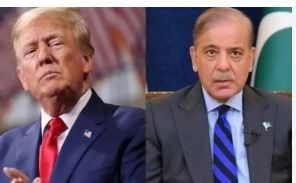
PM welcomes Trump’s decision to pause Project Freedom at Pakistan’s request

PM welcomes Trump's decision to pause Project Freedom at Pakistan's request

ISLAMABAD, May 6 /DNA/ – Prime Minister Shehbaz Sharif on Wednesday welcomed the announcement by US President Donald Trump regarding a pause in Project Freedom in the Strait of Hormuz at Pakistan’s request.

In a post on X, the prime minister expressed gratitude to President Trump for a courageous leadership and a timely decision to de-escalate tensions in the region.

“I am grateful to President Donald Trump for his courageous leadership and timely announcement regarding the pause in Project Freedom in the Strait of Hormuz,” he wrote.

PM Shehbaz noted that President Trump’s response to requests from Pakistan and other countries, particularly the Saudi Arabia and its Crown Prince and Prime Minister Mohammed bin Salman, would contribute positively to regional peace, stability, and reconciliation during a sensitive period.

The prime minister reiterated Pakistan’s commitment to supporting efforts aimed at restraint and the peaceful resolution of conflicts through dialogue and diplomacy.

“We are very hopeful that the current momentum will lead to a lasting agreement that secures durable peace and stability for the region and beyond,” he added.

Earlier, President Trump, in a post on his social media platform Truth Social, stated that the decision was made following requests from Pakistan and other nations. He cited “tremendous military success” during a campaign against Iran, along with significant progress toward a comprehensive agreement with Iranian representatives.

Trump added that while the blockade would remain in effect, Project Freedom, described as the movement of ships through the Strait of Hormuz, would be paused temporarily to allow time for a potential agreement to be finalized and signed.

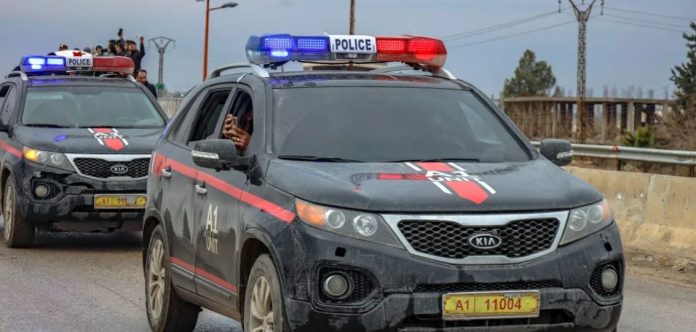
Syria thwarts Hezbollah-affiliated plot to assassinate gov’t officials, Interior Ministry announces

Syria thwarts Hezbollah-affiliated plot to assassinate gov’t officials, Interior Ministry announces

Hezbollah put out a statement denying the “false accusations” that it was behind the cell, asserting it had no presence on Syrian territory.

DAMASCUS, MAY 6: Damascus thwarted a plot by a Hezbollah-affiliated cell to assassinate government officials, the Syrian Interior Ministry announced on Tuesday night.

“Its members had infiltrated Syrian territory after receiving intensive specialized training in Lebanon,” the ministry asserted.

Hezbollah put out a statement denying the “false accusations” that it was behind the cell, asserting it had no presence on Syrian territory. A similar statement was made after Damascus announced it thwarted a Hezbollah-affiliated attack on a rabbi.

“The repetition of these claims by Syrian security authorities despite our repeated declarations that Hezbollah has no presence inside Syrian territory… raises major questions,” the terrorist group wrote, alleging it was part of a wider attempt to divide the Lebanese and Syrian people.


Members of the cell were detained during a “series of simultaneous security operations” in Damascus countryside, Aleppo, Homs, Tartus, and Latakia provinces, according to the official statement.

Authorities also seized a large weapons cache, including explosive devices, rifles, and ammunition, the ministry claimed.

MoI: Group entered Syria from Lebanon
Interior Ministry spokesperson Nour al-Din al-Baba told Syria’s al-Ikhbariya television that investigations began after authorities learned of a plot to target an internal security unit in Aleppo with an explosive device. The continued investigations led authorities to learn that the group entered Syria from Lebanon using forged documents after receiving military training, including training on how to use drones and explosive devices.

The cell was allegedly led by Mohammad Mahmoud Abdul Hamid, known as Abu Yaarub, who previously worked with the Assad regime’s military intelligence branch in Aleppo and was later recruited by Hezbollah, Baba claimed.

Sowing Courage, Reaping Honour

Sowing Courage, Reaping Honour

By Muhammad Mohsin Iqbal

From plowing the stubborn earth to sowing the precious seeds, from carrying water under the burning sun to gathering the golden harvest at last, the farmer pours out his sweat and places his quiet trust in Almighty Allah. He knows that the soil yields not to the idle but to the patient and the persevering. In time, he beholds the fruits of his labour filling his stores. So, it is with individuals and with nations. Where honest toil, unflinching courage, and a steadfast spirit are shown, reward follows as surely as the seasons turn. We reap what we sow—an ancient truth that found vivid expression in Pakistan’s journey through trial and triumph in the days of May last year.

When India unleashed unprovoked aggression, Pakistan responded with firmness and dignity. It was no reckless rush to conflict but a measured defence of sovereignty rooted in years of discipline and national resolve. The world watched as Pakistani forces displayed professional excellence and strategic restraint. Those with vested interests in Pakistan’s isolation were left astonished, while the spirit of truth and justice elevated the nation’s name far and wide. Honour came unbidden, successes followed one upon another, and Pakistan secured for itself a place of rare respect upon the global stage.

This transformation shone brightest in Washington. In a historic first, Pakistan’s Army Chief, Field Marshal General Asim Munir, was hosted at the White House itself—a distinction rarely granted to a serving military leader who is not head of state. President Donald Trump engaged warmly and at length with Pakistani leadership, openly crediting General Asim Munir and the civilian government with preventing the 2025 crisis from escalating into a catastrophe that might have threatened the peace of entire regions, even the spectre of nuclear danger. In characteristic bluntness, the American President spoke of the Prime Minister and the Army Chief as “two fantastic people,” praise that carried diplomatic weight and signalled renewed regard for Pakistan’s judgment and maturity.

Meetings held in a spirit of mutual respect brought together both civilian and military figures, most notably Prime Minister Shehbaz Sharif standing alongside Field Marshal Syed Asim Munir. This seamless unity projected a strong and coherent national image, restoring Pakistan’s diplomatic credibility. Concrete outcomes emerged: a trade understanding that reduced burdensome US tariffs on Pakistani exports, alongside promising discussions on energy cooperation and fresh avenues for American investment. In a remarkably short period, Pakistan moved from relative diplomatic solitude to the position of a valued strategic partner in the eyes of Washington.

Yet Pakistan’s rising influence has stretched well beyond any single capital. The country has gracefully assumed the role of a bridge state, trusted by rival powers seeking channels of communication. In the tense standoff between the United States and Iran, Pakistani diplomacy has worked quietly and effectively, helping to open lines of dialogue and supporting efforts toward ceasefire and de-escalation, particularly in the vital waters of the Strait of Hormuz. Such responsibilities demand credibility, neutrality, and wisdom—qualities Pakistan has demonstrated with growing confidence.

New lights of cooperation were lit with Qatar, Bahrain, Egypt, and other Islamic and European countries. Not only the relevant region but the entire world appreciated Pakistan’s policy of reconciliation to reduce tensions in the Gulf. Nations across continents sang anthems and songs in their own languages, paying sincere tribute to Pakistan’s mature and peace-loving approach.

Traditional bonds have grown deeper and more fruitful. With Saudi Arabia, high-level visits have been marked by genuine warmth and practical vision. Security cooperation has been broadened, while collaboration in energy projects and investment has injected new vitality into a relationship long rooted in shared faith and fraternity.

With the People’s Republic of China, the strategic partnership has entered a dynamic new phase. The China-Pakistan Economic Corridor advances with fresh momentum, bringing infrastructure, energy, and connectivity projects ever closer to completion. Beijing has found in Pakistan a reliable and battle-tested ally, whose military resilience and diplomatic poise have only heightened its value amid shifting global alignments. Pakistan has thus skilfully maintained multi-alignment, balancing important relationships without compromising its independence.

Friendship with Turkey has likewise flourished. Defence cooperation has expanded through joint exercises and technology sharing, while diplomatic coordination on international forums has grown more effective. Cultural exchanges and trade links have enriched the human dimension of this brotherhood, and Turkey’s consistent political support has been a source of strength. The solidarity shown in the wake of last year’s conflict has forged these ties even more firmly.

Underpinning all these gains stands the enhanced credibility of Pakistan’s armed forces. The military response of May 2025 was hailed at home as a shining success that strengthened deterrence and national morale. Internationally, Pakistan earned recognition as a responsible nuclear state, a highly professional military force, and a stabilising actor that prefers restraint to recklessness. Bilateral military exercises with diverse partners have further polished this reputation, turning respect for Pakistan’s soldiers into an established global reality.

None of these achievements arrived without cost. Like the farmer who endures long days and uncertain skies, Pakistan has laboured through adversity with courage and unity. The harvest is now evident: a stronger voice in world councils, revived friendships, renewed economic hope, and a quiet pride that swells every Pakistani heart. Yet vigilance remains essential. The field of nations demands constant care if future seasons are to prove still more abundant. For in the eternal order of things, what a people sow with sincerity, sacrifice, and faith, they shall surely reap in honour, dignity, and lasting prosperity.

EU, UN women push gender budgeting in justice sector

EU, UN women push gender budgeting in justice sector

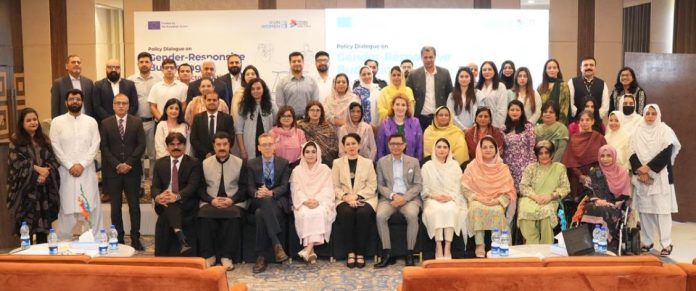
ISLAMABAD, MAY 6 /DNA/ – Through  European Union financing and support, UN Women Pakistan convened a high-level policy dialogue on gender-responsive budgeting in justice sector institutions in Khyber Pakhtunkhwa and Balochistan, bringing together key stakeholders to strengthen equitable, accountable and evidence-based public finance systems.

The dialogue focused on translating fiscal evidence into actionable reforms by examining how provincial budget allocations shape women’s access to justice and protection services. Insights from the Gender Analysis of Provincial Budgets FY 2025–26 underscored a critical gap between increased overall spending and limited targeted investment in gender-responsive services within the justice sector.

In his keynote remarks, Jeroen Willems, Head of Cooperation to the European Union Delegation to Pakistan, underscored the importance of aligning financial systems with justice sector reform and said, “Gender-responsive budgeting is not merely a technical exercise, it is a governance imperative. Ensuring that justice sector resources are allocated and utilized in ways that respond to the needs of women and girls is essential to building equitable, transparent and effective institutions.”

Speaking at the event, Ms. Fahmida Iqbal Khan, Deputy Country Representative, UN Women Pakistan, emphasized the need to translate investments into justice outcomes and stated,

“While justice sector allocations have increased, the key challenge lies in ensuring that these investments lead to improved access to justice for women and girls. Gender-responsive budgeting is critical to ensuring that justice systems are not only strengthened, but also inclusive and responsive to those most in need.”

In his remarks, Mr. Abdul Khaliq Sheikh, Secretary, Ministry of Human Rights, highlighted the importance of institutional accountability within justice systems and said,

“Integrating gender perspectives into justice sector budgeting processes is essential to ensure that institutions effectively respond to the needs of all citizens, particularly women and vulnerable groups. Strengthening accountability across justice institutions will be key to delivering equitable justice outcomes.”

The dialogue featured technical presentations and a moderated discussion on strengthening gender-responsive budgeting within justice sector institutions, including police, prosecution and judiciary systems. Technical experts presented key findings from the gender budget analysis, highlighting critical gaps between increased overall sector allocations and limited targeted investment in gender-responsive services, such as survivor support, reporting mechanisms and gender-sensitive infrastructure.

These insights informed a panel discussion titled “From Fiscal Growth to Gender Outcomes: What Must Change in Upcoming Development Budgets?”, which brought together representatives from provincial finance and planning departments, justice sector institutions, civil society and development partners. Participants identified priority reforms for upcoming development cycles, including strengthening gender budget tagging within justice portfolios, improving data and tracking systems, and enhancing coordination across institutions responsible for justice delivery.

The event concluded with a shared commitment to advance gender-responsive public finance reforms within the justice sector, ensuring that future provincial budget allocations translate into improved access to justice, protection services, and institutional responsiveness for women and girls in KP and Balochistan.

The dialogue was convened under the European Union-funded programme “Promoting Rule of Law and Enhancing the Criminal Justice System in Khyber Pakhtunkhwa, Newly Merged Districts and Balochistan,” with a total value of approximately USD 20 million, implemented by UNDP, UN Women and UNODC to strengthen rule of law and expand equitable access to justice, particularly for women and marginalized groups.

Stay Connected

64FansLike
60FollowersFollow

Latest Reviews

Exchange Rates

USD - United States Dollar
EUR
1.14
GBP
1.34
AUD
0.70
CAD
0.71