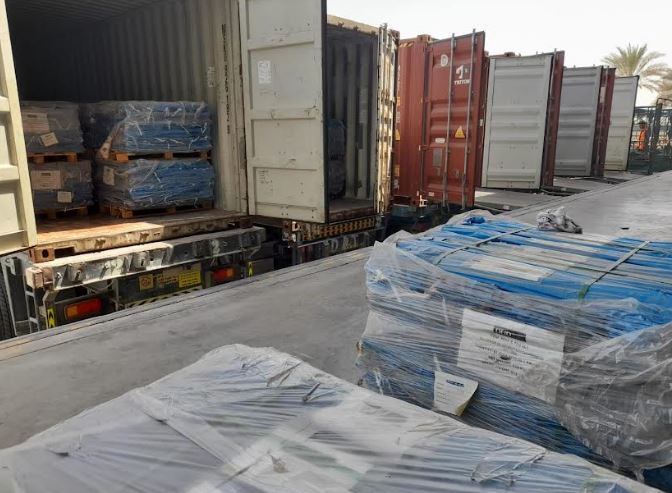
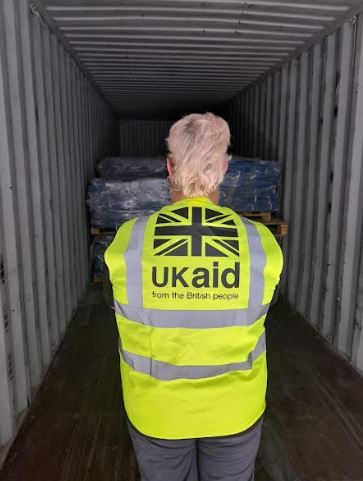
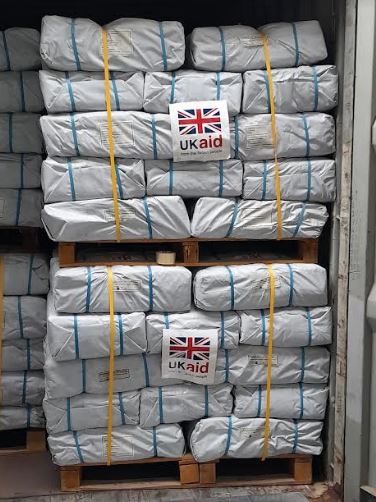
Karachi, SEP 28 /DNA/ – As part of the UK’s aid package, £2 million worth of relief items for the most vulnerable people affected by the devastating floods arrived in Pakistan from the UAE on Tuesday.
The relief items include emergency shelters for up to 194,300 people, and blankets and mats for up to 10,000 people. The emergency shelters include coverage and fixing kits, poles and peg sets. The UK will also provide water filters and hygiene supplies for 32,495 people to mitigate health risks. The first shipment of 19 containers arrived at the Karachi port on Tuesday with another26scheduled to follow in the coming days and weeks.
To date, the UK has committed a total of £16.5m to support flood relief efforts and the British public have donated over £25m via the Disasters Emergency Committee’s Pakistan Appeal. This appeal has notably been supported by the England men’s cricket team, who are currently touring Pakistan for the T20s, with the team making a personal donation which was then matched by the England Cricket Board.
In addition to this, earlier this month a UK Royal Air Force flight delivered 8 boats and 10 portable generators gifted in kind by the UK’s Ministry of Defence for use in flood relief operations.Meanwhile, British Airways and Virgin Atlantic are also offering free relief shipments in their cargo.
British Deputy High Commissioner, Karachi, Sarah Mooney, said: “This UK aid shipment is the first of multiple consignments addressing the immediate needs of the people of Pakistan affected by the devastating floods. The UK will continue to provide assistance both in cash and in kind to ensure that communities not only rebuild but are also resilient to future calamities.”
Open in browser Muslim piety in Southeast Asia mirrors increased religious traditionalism in the Middle EastJames M. DorseySep 28 ▷ LISTENSAVEThank you to all who have demonstrated their appreciation for my column by becoming paid subscribers. This allows me to ensure that it continues to have maximum impact. Maintaining free distributions means that news website, blogs, and newsletters across the globe can republish it.
I launched my column, The Turbulent World of Middle East Soccer, 12 years ago. To borrow a phrase from an early proprietor of The Observer, it offers readers, listeners, and viewers ‘the scoop of interpretation.’ If you are able and willing to support the column, please become a paid subscriber by clicking on Substack on the subscription button and choosing one of the subscription options.To watch a video version of this story on YouTube please click here.The Turbulent World of Middle East Soccer is a reader-supported publication. To receive new posts and support my work, consider becoming a free or paid subscriber.
Mr. Al-Qaradawi died on Monday in Doha at the age of 96.Intriguingly, Mr. Al-Jufri, a senior member of Indonesia’s Brotherhood-affiliated Prosperous Justice Party (PKS), also represents the World Assembly of Muslim Youth (WAMY) in East and Southeast Asia, a Saudi government-funded organization initially established in the 1970s to promote Saudi religious ultra-conservatism globally. Since 2016, the group has been redirected to promote Crown Prince Mohammed Bin Salman as a reformer pushing the kingdom towards a more moderate and tolerant interpretation of Islam.The publication also came as Nahdlatul Ulama, the world’s largest Muslim civil society organisation in the world’s most populous Muslim-majority country and democracy, forged an unlikely alliance with Saudi Arabia’s Muslim World League.Like WAMY, the League, once a prime vehicle globally propagating Wahhabism, has become Mr. Bin Salman’s primary vehicle in his effort to garner religious soft power and propagate an autocratic version of Islam that is socially liberal, but that demands absolute obedience to the ruler.Neither event will have influenced the responses of the 1,000 people covered in the survey of Southeast Asian Muslims.
But the events put the poll into a context in which Muslim organisations, whether state-controlled or not, are pushing different concepts of a moderate interpretation of Islam and making political Islam’s perceived legitimacy or illegitimacy one of their key drivers.Mr. Bin Salman, who pushes social reform against the background of a history of promoting ultra-conservative dominance, may be more concerned about the growing importance of traditional Islam than governments in Southeast Asia, whose history and encounter with Islam are often influenced by local culture, tradition, and mysticism.Even so, political and business leaders in Southeast Asia, home to 276.5 million Muslims who account for 40 per cent of the region’s population, are likely to take note of the Southeast Asian survey as well as recent polling in the Middle East amid perceptions of greater religious conservatism in their countries that are not only aligned with trends in other parts of the Muslim world but also in major non-Muslim faith groups across the globe.
Malaysia and Indonesia, together with Saudi Arabia and the United Arab Emirates, emerged as the top four halal markets on this year’s Global Islamic Economy Indicator compiled by US-based research and consultancy company DigiStandard.The Indicator considers various sectors, including halal food, Islamic finance, Muslim-friendly travel, recreation, and media. Malaysia maintained its long-standing top position because of a 20 per cent jump in investment in Shariah-compliant funds and the success of its Islamic cartoons for children.Ninety-one per cent of the respondents of the Southeast Asian survey conducted by two New York-based consultancies, Wunderman Thompson Intelligence and the Muslim Intel Lab established last year by YMLY&R, described a strong relationship with Allah as very important.Lagging in importance was wealth, which was of significance to only 34 per cent of those surveyed, followed by 28 percent who cared about their passions and 12 percent to whom fame was a concern.Eighty-four per cent of the respondents in Malaysia and Indonesia said they prayed five times daily. Thirty-three per cent described themselves as more observant than their parents, 45 per cent said they were just as observant as their parents, and 21 per cent stated that they were less observant.Religion’s increasing importance stroked with the polling in the Middle East where 41 per cent of 3,400 young Arabs in 17 Arab countries aged 18 to 24 said religion was the most important element of their identity, with nationality, family and/or tribe, Arab heritage, and gender lagging far behind. That is 7 per cent more than those surveyed a year earlier.The Middle Eastern polls further showed that a majority disagreed with the notion that “we should listen to those among us who are trying to interpret Islam in a more moderate, tolerant, and modern way.”In many ways, the Southeast Asian survey was more granular because it focused on Muslim consumer behaviour.The poll put into perspective a decision in March by the Indonesian ministry of religious affairs headed by a prominent Nahdlatul Ulama figure to deprive the once-powerful Indonesian Ulema (Islamic scholars) Council of its de facto monopoly on halal certification by opening the sector to competition.Halal certificates are big business. The Halal Product Assistance Agency issues the certificates based on a fatwa issued by the Council to companies in food, fashion, education, pharmaceuticals, cosmetics, tourism, media, travel, medical, health, art, culture, and finance.The overwhelming majority of respondents in the Southeast Asia survey, 91 per cent, said whether a product was halal was very important in their decision to purchase. At the same time, 83 percent identified halal with certification by an Islamic body.Sixty-one percent factor halal into their banking and investment preferences. Seventy-seven percent said the availability of halal facilities was important in their choice of travel destinations. Eighty-five per cent wanted a metaverse that caters specifically to Muslims, and 53 percent used prayer and Qur’an apps.All in all, comparing the polls suggests that religion plays an increased role in people’s lives in the Muslim world beyond the Middle East.In Southeast Asia, the survey underlines the importance of efforts by groups like Nahdlatul Ulama to promote a humanitarian interpretation of Islam that is tolerant, pluralistic, and respectful of human and minority rights.In the Middle East, the surveys challenge autocratic leaders whose concept of moderate Islam is social reform needed to cater to youth aspirations, enable economic diversification, and provide religious legitimation of their absolute power as part of a strategy for regime survival.As a result, Southeast Asia, rather than the Middle East, could emerge as the cradle of religious reform in the Muslim world.Nahdlatul Ulama appears to believe it can achieve that if it convinces the likes of the Muslim World League that reform has to be genuine and holistic rather than self-serving. That’s an if with a capital I in a strategy that is as risky as it is bold.Dr. James M. Dorsey is an award-winning journalist and scholar, an Adjunct Senior Fellow at Nanyang Technological University’s S. Rajaratnam School of International Studies, and the author of the syndicated column and blog, The Turbulent World of Middle East Soccer.
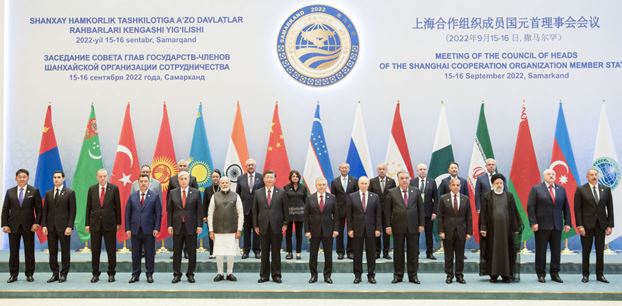
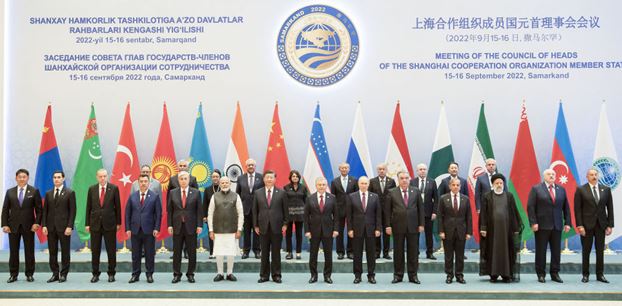
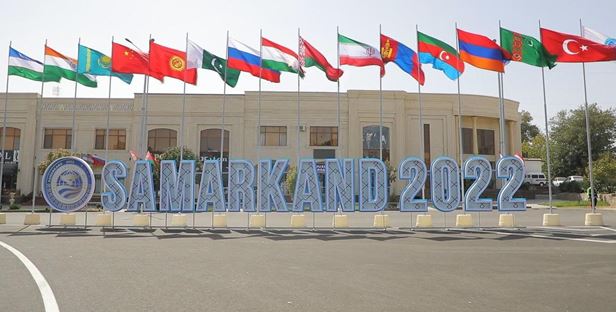
On 15-16 September this year, the city of Samarkand hosted the 22nd summit of the Shanghai Cooperation Organisation.
It is not by chance that the city which has been the centre of interethnic dialogue, cultural and spiritual cooperation as well as trade and scientific exchanges was chosen for the comprehensive and prestigious event, which attracted the attention of the entire world. This way the emphasis was placed on the Uzbek statehood and its historical potential.
At a time when complex situations are observed in the world, the spirit of diplomacy is changing and the space and opportunities for constructive dialogue are shrinking, the SCO is emerging as an efficient and practical mechanism for cooperation, which is free from political games and avoids conflicts.
Under the chairmanship of Uzbekistan, the SCO has become a truly multifaceted organisation of cooperation, mutual trust and free dialogue, rediscovering its potential. At the same time, the open and constructive diplomacy of New Uzbekistan, which has become unprecedentedly active in recent years, has been able to demonstrate its capabilities on a wide regional scale.
The major conference, which was held in the form of dialogue for the first time in the past three years since the beginning of the pandemic, was attended by the leaders of 14 countries, high-ranking representatives of Saudi Arabia, Qatar and Egypt as well as the heads of international and regional organisations.
The summit emphasized the fact that the SCO’s composition has been expanding and partnership relations have been developing. The memorandum on the obligations of the Islamic Republic of Iran as a fully-fledged member of the organisation as well as the memorandums on granting the status of dialogue partners to Egypt and Qatar testify to the fact that the scope of cooperation is expanding.
A decision was also made to start the procedure for granting Belarus the status of a fully-fledged member, the Kingdom of Bahrain, Kuwait, the Republic of Maldives, the United Arab Emirates and the Republic of the Union of Myanmar the status of dialogue partners of the SCO.
In his speech at the summit, President Shavkat Mirziyoyev put forward a number of important and urgent initiatives. Especially, based on the principle of “Shanghai spirit” and given the current international situation, his proposal to start drafting the development strategy of the SCO until 2040 was unanimously supported by the members of the organisation. That is because this document covers all directions of multifaceted cooperation and outlines priority areas of the SCO’s long-term development.
Uzbekistan’s chairmanship period: indication of the SCO’s success
On 17 September 2021, Uzbekistan took over the chairmanship of the SCO. Our country’s chairmanship of the organisation coincided with a time when severe consequences of the pandemic were being dealt with, when there was a high uncertainty in the world and when geopolitical contradictions and conflicts intensified. It could be for this reason that most experts and specialists thought that Uzbekistan’s chairmanship of the SCO was just a formality or “just for the sake of it”, and they made pessimistic predictions about this.
Uzbekistan did not make declarative statements on that day, on the contrary began to implement clearly defined actions in the conditions of an essentially complex historical period. President Shavkat Mirziyoyev developed new “Roadmaps” for the era of new opportunities. The issue of developing cooperation based on a constructive dialogue and trust was defined as a strategic task.
Over 80 events were successfully held and over 30 documents were adopted by the heads of relevant ministries and agencies to implement priority tasks set by President Shavkat Mirziyoyev within the framework of the SCO chairmanship.
For the first time, under the auspices of Uzbekistan, important events dedicated to information security, industrial development and gender issues were held. For example, if the first forum of women entrepreneurs helped bring the women working in the business circles of the member states close to one another and discover their untapped potential, the scientific-expert forum of the SCO on information security determined “anchor points” based on the joint fight against modern challenges and common threats.
At present the world entered the era of the fourth industrial revolution. In this historical situation, the SCO countries realise that they should support the digital entrepreneurship of young people and help them realize their ideas. Therefore, for the first time, cyber-sports championships and the competition of start-up projects were held among the SCO youth.
Practical meetings were organized not only in Tashkent, but also in other regions of the country. For example, meetings of the council of the SCO national coordinators were held in the cities of Nukus and Bukhara, an international conference on poverty reduction was held in Bukhara and Khiva hosted meetings of the transport ministers, where cooperation plans were discussed in detail and the issues on the agenda of the organisation which need to be resolved were clarified.
There is no doubt that the Inter-regional Trade Development Plan, the SCO Strategy to Develop Transport Dependence and Infrastructure Development Programmes have opened a new era in strengthening cooperation. Uzbekistan also supported the efforts to pay special attention to the effective use of transport potential of the SCO region and to identify it as one of the main strategic tasks. For these purposes, the construction of the China-Kyrgyzstan-Uzbekistan and Termez-Mazar-i-Shariff-Kabul-Peshawar railway lines, which are of special strategic importance in the geoeconomic situation, creates a historical opportunity to provide the Central Asian countries with a short route to the world markets.
The period of Uzbekistan’s chairmanship was able to enrich in terms of content the SCO development strategy by boosting cooperation. According to international experts, Uzbekistan goes down in the SCO history as the most enterprising country. In one year alone, many international documents were agreed upon, and a total of 44 documents – agreements, blueprints, programmes and other decisions – were adopted at the Samarkand summit. This is a record figure in the organisation’s history.
A venue for specific proposals and practical initiatives
The SCO’s Samarkand Summit unlike other summits in the world has become a venue where practical solutions are found to problems, and this can be seen in the initiatives and ideas put forward in it. These initiatives are in line with the goals and interests of the SCO’s “big family” in terms of peace and sustainable development.
The initiatives of President Shavkat Mirziyoyev are exactly of this nature. The proposals with regard to forming common space of industrial and technological cooperation, holding an international conference on food security, supporting beneficial railway corridors, setting up an SCO climate council, adopting comprehensive practical measures to prevent young people from involvement in extremist organisations, creating a joint platform to combat cyber-crime, establishing a special fund to provide humanitarian support to Afghanistan and declaring next year as the “Year of developing tourism in the SCO space” are not only in line with the SCO goals and principles, but also serve to ensure security and stability in the broader Eurasian space.
In line with President Shavkat Mirziyoyev’s initiatives to create a common space for industrial and technological cooperation, Indian Prime Minister Narendra Modi noted the need to develop reliable and diversified supply chains in the region and ensure the right to mutual transit in the face of energy and food shortages. A proposal was made to set up a working group for SCO start-ups to share India’s experience in developing start-ups.
Speaking at the meeting of the Council of the Heads of the SCO member states, Kazakh President Kasym-Zhomart Tokayev noted that the difference of the present time was the acute shortage of mutual trust, and thanks to the absence of contradictions and division into blocs in the SCO ideas, with every passing year the organisation’s prestige has been increasing and its geography expanding. It was also proposed to develop cooperation between the defence bodies and security services of the SCO member states.
President of the People’s Republic of China Xi Jinping emphasized that the world was in a state of turbulence, and in this situation, it was necessary to strengthen unity and turn the SCO into a community with a common destiny. To this end, the need was noted to strengthen mutual support, expand cooperation in the field of security and counter efforts by external forces to interfere in the internal affairs of the SCO member states. Proposals were made with regard to establishing a SCO development bank and a China-SCO cooperation centre in the field of “big data” in order to expand practical cooperation.
In his speech, Kyrgyz President Sadyr Japarov once again said that the SCO is an example of the coexistence of countries with different cultural and humanitarian traditions, which is an attractive organisation for many countries wishing to become its members. The Kyrgyz president put forward the initiative to open in Bishkek an international centre for fighting crime.
Pakistani Prime Minister Shehbaz Sharif noted that peace in Afghanistan also affects the situation in Afghanistan and called for the lifting of restrictions on Afghan assets. Expressing gratitude to the SCO countries for the assistance provided to Pakistan following the heavy floods, he said that he has not seen such a disaster in his 40 years of public administration.
President Shavkat Mirziyoyev’s proposal to appeal to the world community on behalf of the SCO to help Pakistan has once again shown that this organisation is a venue of practical steps.
Russian President Vladimir Putin noted that new power centres, cooperating in keeping with the principles of international law and the UN Charter, had emerged in world politics and economy, and focused on the priorities of the organisation’s activities – fighting terrorism and extremism, drug trafficking and illegal armed groups, resolving the Afghan issue through political and diplomatic means and developing trade and investment relations. He made a proposal with regard to developing cooperation in the cultural and humanitarian spheres, creating an association of SCO sports organisations and signing agreements on tourism and museum issues.
The issues raised at the Samarkand summit were also reflected in Tajik President Emomali Rahmon’s speech. The Tajik president suggested that a special SCO ant-drug body be established to counter the flow of narcotics from Afghanistan. The heads of state invited to the Samarkand summit also talked about the problems facing their countries and outcomes expected from cooperation with the SCO and potential of cooperation.
In particular, Belarusian President Alyaksandr Lukashenka emphasized that the “Shanghai Spirit” was capable of becoming the foundation of a new world architecture and noted that there is potential for cooperation with the SCO in the fields of industry, artificial intelligence, green economy, peaceful nuclear power, elimination of unreasonable trade barriers and the banking system. In addition to that, a proposal was made to hold SCO summer and winter sports competitions in 2024 and 2026. In his speech, Alyaksandr Lukashenka said “unexpectedly for us, the SCO is turning from a regional organisation into a global one. The important thing is not to miss this opportunity”.
Ebrahim Raisi, president of the Islamic Republic of Iran, which is about to become an SCO member, said it was important to develop cooperation within the organisation in the field of trade, banking and communication infrastructure. He said that through membership in this organisation, Iran was striving to be in the centre of the creation of a fairer world based on cooperation.
Mongolian President Ukhnaagiin Khurelsukh said that his country will continue to actively cooperate with the SCO and noted that in particular it is ready to implement large projects in the fields of trade, investment, energy, transport and logistics, tourism, information technologies, agriculture and food security.
Turkish President Recep Tayyip Erdogan particularly noted that Turkey has ancient ties with Central Asia and that in 2019, the initiative to restore these historical ties was put forward. He said that Turkey was ready to support any initiative aimed at expanding cooperation with the SCO in the sphere of security and ensuring the security of food supply chains.
Azerbaijani President Ilham Aliyev emphasized the country’s transit potential. In particular, he said that the transit from Azerbaijan increased by 50% in the first seven months of this year and spoke about efforts to develop the country’s transport and communication infrastructure. In this regard, President Shavkat Mirziyoyev said that the SCO was interested to cooperate with Azerbaijan in the fields of transport and communication as well as trade and economy.
Turkmen President Serdar Berdimuhamedov said that he was ready to establish multifaceted relations with the SCO in politics, trade, security as well as cultural and humanitarian spheres, and to participate in the construction of transit roads and to carry out systemic energy cooperation.
SCO Secretary-General Zhang Ming reiterated the need to strengthen solidarity, mutual cooperation and active actions in the context of large-scale changes taking place worldwide.
Director of the Executive Committee of the SCO’s Regional Anti-Terrorism Structure Ruslan Mirzayev said that in 2021, 40 terrorist attacks and over 1,400 crimes were prevented. Noting that joint fight against international terrorism was being successfully carried out, he reiterated that there was a need for collective approach to threats.
A UN under-secretary-general for political and peacebuilding affairs, Rosemary DiCarlo, noted that it was important for the UN to develop effective multilateral cooperation with regional and subregional organisations. She believes that at present the SCO is the most convenient platform in Eurasia to discuss regional security and peace issues. In particular, the two organisations are cooperating in the fight against extremism and terrorism.
The SCO summit ended with the adoption of the SamarkandDeclaration. The main document of the summit reflected the common approaches of the sides to intensifying practical cooperation, ensuring regional security and stability as well as economic development, boosting transport dependence and strengthening cultural dialogue.
In order for the new pace and trends set in the development of the SCO in Samarkand to continue under the chairmanship of India next year, the Uzbek side put forward a Samarkand solidarity initiative for common security and prosperity, and it was unanimously supported.
* * *
One can say openly that the Samarkand summit was a unique example of establishing a new, inclusive dialogue based on the principles of mutual respect, trust and constructive cooperation for the sake of common security and development. Of course, the place and role of Uzbek diplomacy, which has acquired a completely new look in terms of quality in recent years, is immeasurable. This situation made the state’s international reputation more positive or moderate.
In short, the implementation of the initiatives put forward within the SCO states and Uzbekistan’s successful chairmanship are the fruits of President Shavkat Mirziyoyev’s political will. Uzbekistan had the opportunity to fulfil its historical mission of achieving its all goals in a timely manner and efficiently, and solid foundations were created for ensuring security, taking multifaceted cooperation to a new level in terms of quality and for sustainable development. As a result, remaining true to its principles, the SCO did not yield to attempts to turn the organisation into a military or political bloc.
In the meantime, it is true to say that the documents and decisions adopted at the Samarkand summit as well as the initiatives put forward by President Shavkat Mirziyoyev serve to increase the organisation’s prestige aimed at ensuring regional and global security for the development and prosperity of our countries and peoples.
The Writer is a Doctor of Political Sciences, Professor
If a country like Switzerland can earn several billion dollars from tourism, Pakistan can certainly take meaningful steps to attract tourists. However, for transforming Pakistan into tourism it requires some practical steps to create a culture of tourism which requires a mindset of locals, tour operators, hotels and authorities attached with the ministry of tourism.
Let’s understand the “Culture of Tourism”. By the word culture it means, philosophy, background or refinement and here it comes in the area of tourism, it means how we can refine then promote it. However, it can be done by following four simple and significant steps.
First, the attitude and behavior of those who are delivering the guidance and facilities to tourists. The vision, how they see Pakistan, what they project to the world.
Second, observance to the standards of cleanliness and hygiene at restaurants, cafes, toilets and hotels at tourist attraction spots. Which is obviously a striking issue, I can give my personal experience of Murree, Northern area and even motorway resting areas where using public toilet is the disaster, even the paid ones, moreover the sitting areas, eating desks are disgusting. I really want to see Nagarparkar, Chitral and Kalash however cannot due to the fear of non-availability of fine hotels. This factor I believe is of grave importance since it creates a very negative impression of tourist.
Third, availability of economic accommodation, food and basic necessities. Since, it a known fact that in every tourist season, the hotel owners take advantage of the situation and charge excessive rates. Ironically there’s no check on the part of concerned authorities. Let’s say Pearl Continental Burban on New Year’s Eve charged me 45,000 for micro room, like a train compartment. Another thing I wanted to ask from the Hotel Association, “when you guys are operating in Pakistan then why charging in dollars?” The examples can be seen almost all over Pakistan.
Conclusively, I would say in Pakistan there is completely the absence of tourism culture and it has much to do with corruption and inefficiency on the part of tourism departments in various provinces of the country who are mostly irresponsible in their duties, taking bribery from under the tableand having lack proper training on providing concentrated facilities to tourists at affordable prices.
Disgracefully, that unlike India, China, the UAE and Sri Lanka, where there is a culture of tourism, one can observe the absence of proper work ethics and pursuance of a professional approach to attract foreign tourists. Truly, reasoning the COVID-19 pandemictourist industry all over the world has suffered however such a crisis should have been used as an opportunity by articulating short- and long-term policies to train those who are related to the tourism industry. In the year 2020 and early 2021, tourist places in Pakistan were closed and only reopened during the summer of 2021. It brought the rush in tourist destinations during the summer which led to the shortage of accommodation and overcharging of hotel accommodation.
For international tourists, Pakistan is an appealing destination with spellbinding attractiveness of landscape, diverse culture, historical heritage sites besides places of religious importance. Known for its extraordinary peaks, in North withsilvery glaciers, heart shaped lakes, cold desert and pine forests with which not only local but international tourism can flourish. Likewise, the historical sites of Taxila, Mohenjo-Daro, Indus Civilizationand glorious Lahore. The deserts of Tharparkar and Nagarparkar in Sindh and Cholistan in Punjab, as well as the coast of Gwadar and Karachi, particularly the magical sights Makran, including Spinix and Princess of Hope in Balochistan, and most importantly the regional foods.
Major requirement is the make sure that adequate facilities are provided. Along there are few more issues to reconsider. Mainly the Corruption which give birth to “tourist mafia” that is very common practice in North, acts of cheating, fraud and overcharging have been in recorded by numerous travels, plus the inability better to say failure of providing proper infrastructure, let’s say road to Khaplu in Sarkdu is more than dangerous since its broken at several places. And the road to Lake Saiful Muluk, why it’s never been considered? Because of “Jeep Mafia” indeed.
Another thing I should mention is the tourism education required attention for the population, which will enhance the ideology as well as hospitality for the international travelers. As we all can understand how uncomfortable a person would be if he/she may become a center of attention for every passer, we lock our sisters and daughters behind walls and took pleasure in disrespecting the privacy of others. I wonder when Pakistanis would learn this.
In my opinion hectic efforts should be made both at federal and provincial levels to create the culture of tourism by taking measures which have been highlighted above. When there was civil war going on in Sri Lanka from 1983 till 2009 and foreign tourism dropped, the government encouraged local tourism which tried to bridge the gap in income from foreign tourism. Pakistan needs to promote homegrown tourism and take practical steps to provide safety, security, privacy, better hygienic, infrastructure and accommodation facilities so that both local and foreign tourismmay uplift.
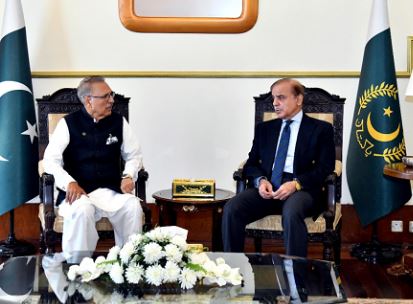
ISLAMABAD, Sep 28 (DNA): Prime Minister Muhammad Shehbaz Sharif called on President Dr Arif Alvi here at the Aiwan-e-Sadr on Wednesday.
The news about the meeting was shared by the media wings of the President House and the Prime Minister Office.
The meeting took place after the prime minister witnessed the oath-taking ceremony as President Alvi administered oath of office to Senator Ishaq Dar as federal minister.
Periodic observance of World Heart Day held on September 29 is intended to increase public mindfulness of cardiovascular conditions, including their forestallment and their global impact. Cardiovascular conditions are a major trouble prevailing in the world community at a massive scale that have eventually posed serious morbidity and mortality across the globe.
As much as it isanillness of pressing attention, it stems from veritably simple root causes similar as the mundaneness of life, and general physical behaviors. Obesity, diet, cigarette smoking, poor income and sedentary habits are highrisketiologies leading to deterioration of cardiovascular health. The current profitable recession is making it more delicate for the community to cover their health due to lack of coffers and vacuity of primary health care. People in low- and middle- income countries who suffer from CVDs and other noninfectious conditions have lower access to effective and indifferent health care services which respond to their requirements.
As a result, for numerous people in these countries discovery is frequently lateduring the period of disease and people die at an early age from CVDs and other noninfectious conditions, frequently in their most productive times.
The poorest people in low- and middle- income countries are most affected. At the ménage position, substantiation is arising that CVDs and other noninfectious conditions contribute to poverty due to disastrous health spending and high out- of- fund expenditure. At the macro-economic position, CVDs place a heavy burden on the husbandry of low- and middle- income countries.
The WHO has estimated that17.9 million people (about the population of New York)have failed from CVDs in 2019, representing 32 of all global deaths. Of these deaths, most were due to heart attacks and strokes. Over three diggings of CVD deaths take place in low- and middle- income countries. It is imperative to descry cardiovascular complaint as early as possible so that operation with comforting and drugs can begin. There are also several underpinning determinants of CVDs. These reflect the major forces driving social, profitable, and artistic change – globalization, urbanization, and population ageing. Other determinants of CVDs include poverty, stress, and heritable factors.
Cessation of smoking, reduction of salt in the diet, eating further fruit and vegetables, regular physical exertion and avoiding dangerous use of alcohol have been shown to reduce cardiovascular associated morbidity. Health programs that produce conducive surroundings for making healthy choices affordable and available are essential for motivating people to borrow and sustain healthy behaviors.
Common symptoms of cardiovascular diseases
Often, there are no symptoms of the underlying disease of the blood vessels at an early stage. A heart attack or stroke may be the first alarming sign of abnormal functioning. Symptoms of a heart attack include
· Pain or discomfort in the center of the chest; and/or
· Pain or discomfort in the arms, the left shoulder, elbows, jaw, or back.
In addition, the person may witness difficulty in breathing or shortness of breath; nausea or vomiting; light-headedness or feebleness; a cold sweat; and turning pale. Women are more likely than men to experience shortness of breath, nausea, vomiting, and back or jaw pain.
The most common symptom of a stroke is unforeseen weakness of the face, arm, or leg, most frequently on one side of the body. Other symptoms include unforeseen onset of
· Impassiveness of the face, arm, or leg, especially on one side of the body;
· Confusion, difficulty speaking or understanding speech;
· Difficulty seeing with one or both eyes;
· Difficulty walking, dizziness and/ or loss of balance or collaboration;
· Severe headache with no given cause; and/ or
· Fainting or unconsciousness.
People passing these symptoms should seek medical care incontinently.
The key to cardiovascular complaint reduction lies in the addition of cardiovascular complaint operation interventions in universal health content packages, although in a high number of countries health systems bear significant investment and reorientation to effectively manage CVDs.
Substantiation from 18 countries has shown that hypertension programs can be enforced efficiently and bring effectiveness at the primary care position which will eventually mitigatethe probability of coronary heart disease and stroke. Cases with cardiovascular complaint should have access to applicable technology and drug.
Nonetheless, a healthy, balanced diet is recommended for a healthy heart. Grown- ups are advised to do at least 150 minutes (about 2 and a half hours) of moderate exertion a week, similar as cycling or brisk walking for 40 minutes, as for most of us the age-old adage “Your Greatest wealth is your health” stands true.
Healthy physical activity is a hack to life. In short, be healthy, prioritize life, live strong and before it is too late, go and take advice!
With a healthy heart. The beat goes on.
The author is a 4th Year MBBS student, an aspiring researcher, her field of interests revolvearound cardiovascular diseasesand public health.
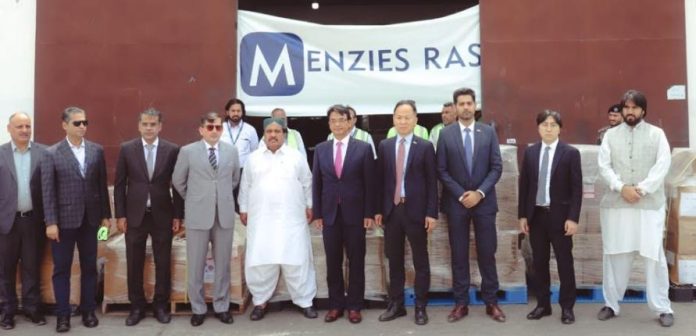
ISLAMABAD, SEP 28 /DNA/ – The Ambassador of Korea, Suh Sangpyo, Wednesday, at Jinnah International Airport, Karachi, held a ceremony to hand over the first batch of urgently needed relief items for flood victims with the Provincial Minister for Relief Rehabilitation, Mr. Rasool Bax Chandio.
Director General of Ministry of Foreign Affairs, Mr. SaqibRauf, Consul General of the Korean Consulate in Karachi, Mr. Kim Haksung, and Senior officials of the National Disaster Management Authority were also present at the ceremony.
The Ambassador stated that this first shipment of relief items donated by the Government of Korea arrived in Pakistan on 17th September and it consists of approximately three hundred thousand water purification tablets, thirty thousand emergency blankets, and various other essential relief items.
He went on to say that a second shipment of relief items consisting of family sized tents, collapsible water bags, and thermal blankets is also on route via a cargo ship that will be docked at Karachi Sea Portno later than 16th October.
The Ambassador apprised the media that in addition to the in-kind donations by the Government of Korea, which amounts to USD 300,000and Korean private sector companies and associations working in Pakistan, have collectively donated over USD 500,000 so far for the flood victims.
The Ambassador whilst greatly appreciating the crucial role being played by the NDMA and the Government of Pakistan to alleviate the suffering of the flood victims, also extended his sincere appreciation to the Korean Association of Pakistan, Jogye Order, K-Water, Mira Power, LH, KOAK, KA-Power, PK International Food, KEPCO Plant Services & Engineering, Samsung Electronics Pakistan, Lotte Chilsung Beverages, Lotte Engineering & Construction, and Lotte Chemical, who in addition to their cash donations, have also continued to distribute essential food items, shelters, and medicines directly to the affected local populations and to the non-governmental organizations involved in the relief efforts.=DNA
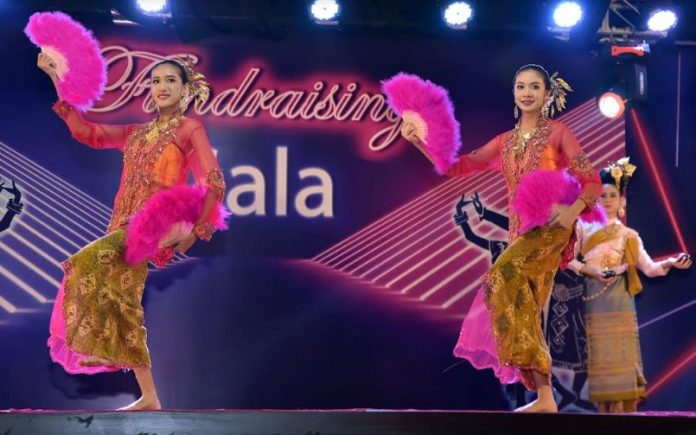
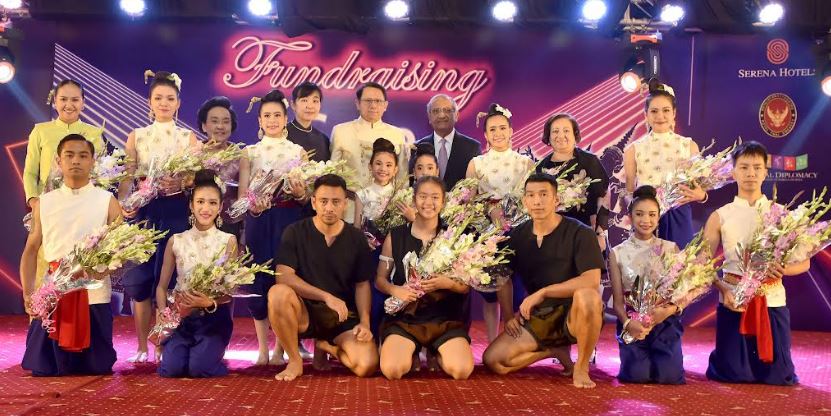
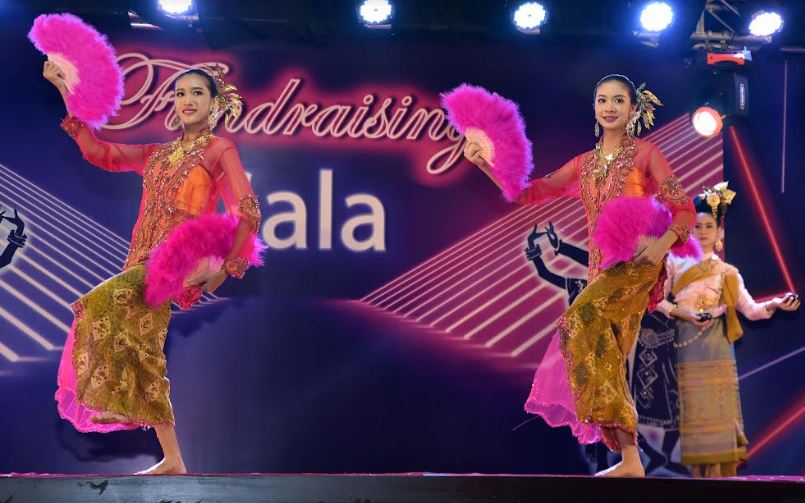
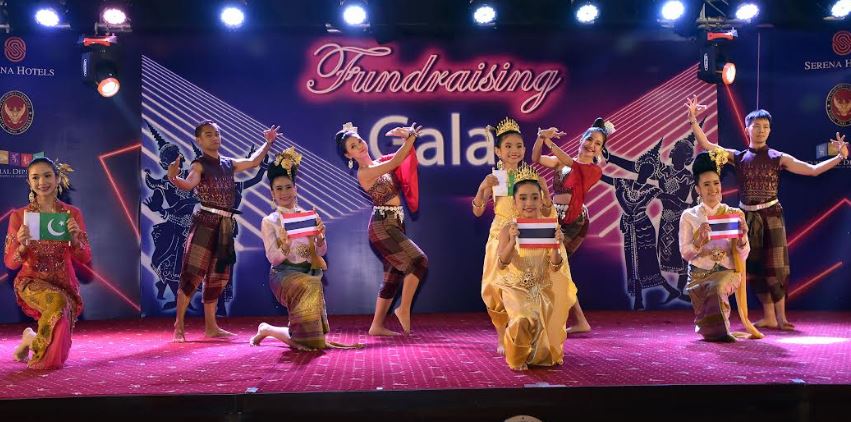
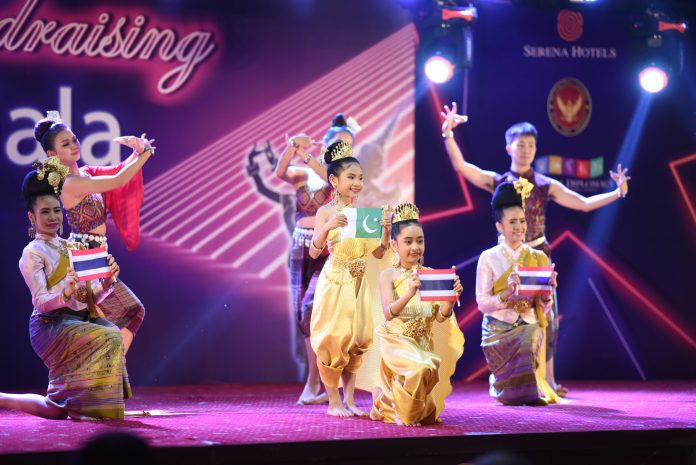
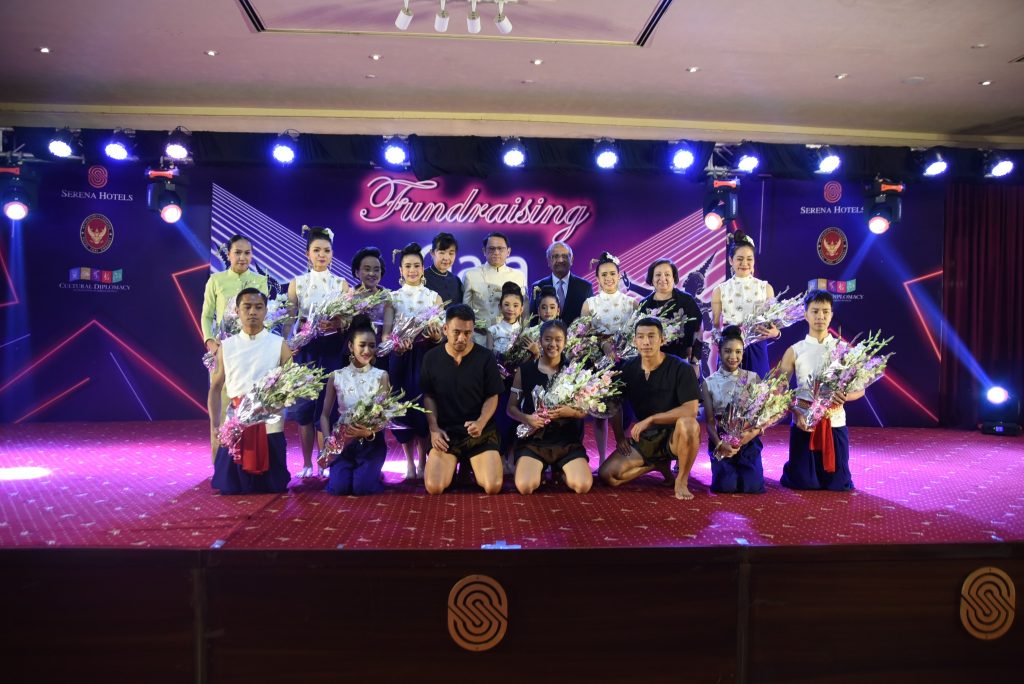
ISLAMABAD: Serena Hotels in collaboration with the Royal Embassy of Thailand organised a fundraising event to raise funds for the relief and rehabilitation for the people affected by the floods across Pakistan.
The fundraising event was well attended by all walks of life, including members of the diplomatic community, corporate sector, and business community, where a troupe of performers from the Phattayakul Thai Music & Drama School presented a traditional cultural dance adorned in beautifully crafted traditional attire, an affair originally staged for the Royal Court.
Alongside Muay Thai, the National Sport of Thailand which translates to Thai Boxing, was a delightful feat of agility and endurance by the Champion of Muay Thai, AnusornInjai. The event would not have been successful without the full support of the Ambassador of Thailand to Pakistan, Chakkrid Krachaiwong.
Aziz Boolani, CEO of Serena Hotels, appreciated the generosity extended by the guests and associates in raising of the funds for the flood affectees. Serena Hotels as a responsible corporate citizen has been active in supporting the flood affectees. The Company is matching the funds donated by the Hotels’ Guests and Associates.
Ambassador of Thailand to Pakistan, Chakkrid Krachaiwong in his remarks thanked the Serena Hotels for taking lead in the noble cause of extending support to the flood affected people. He said two days colorful Thai Food, Fun, and Music Festival was held at a local mall in Lahore, which drew huge attention.
It may be mentioned here that the relief goods, i.e. food supplies, and tents, are being distributed directly as well as through international NGOs under the banner of “Jazba-e-Khidmat– in the Spirit of Compassion” initiative.
This special event featured the exotic taste of Thailand, and the guests were thrilled by the authentic taste of Thai cuisine, along with cultural performances.
ISLAMABAD: Serena Hotels in collaboration with the Royal Embassy of Thailand organised a fundraising event to raise funds for the relief and rehabilitation for the people affected by the floods across Pakistan.
The fundraising event was well attended by all walks of life, including members of the diplomatic community, corporate sector, and business community, where a troupe of performers from the Phattayakul Thai Music & Drama School presented a traditional cultural dance adorned in beautifully crafted traditional attire, an affair originally staged for the Royal Court.
Alongside Muay Thai, the National Sport of Thailand which translates to Thai Boxing, was a delightful feat of agility and endurance by the Champion of Muay Thai, AnusornInjai. The event would not have been successful without the full support of the Ambassador of Thailand to Pakistan, Chakkrid Krachaiwong.
Aziz Boolani, CEO of Serena Hotels, appreciated the generosity extended by the guests and associates in raising of the funds for the flood affectees. Serena Hotels as a responsible corporate citizen has been active in supporting the flood affectees. The Company is matching the funds donated by the Hotels’ Guests and Associates.
Ambassador of Thailand to Pakistan, Chakkrid Krachaiwong in his remarks thanked the Serena Hotels for taking lead in the noble cause of extending support to the flood affected people. He said two days colorful Thai Food, Fun, and Music Festival was held at a local mall in Lahore, which drew huge attention.
It may be mentioned here that the relief goods, i.e. food supplies, and tents, are being distributed directly as well as through international NGOs under the banner of “Jazba-e-Khidmat– in the Spirit of Compassion” initiative.
This special event featured the exotic taste of Thailand, and the guests were thrilled by the authentic taste of Thai cuisine, along with cultural performances.
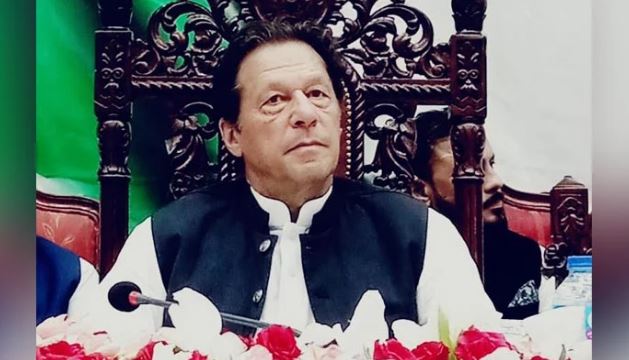
PESHAWAR: PTI Chairman Imran Khan Tuesday warned that he will obstruct PML-N leader Ishaq Dar’s plans, saying that Pakistan’s treasury is being handed over to someone who had been an “absconder for the last five years.”
Dar, who landed in Pakistan a day earlier along with Prime Minister Shehbaz Sharif, will take an oath as the country’s new finance minister tomorrow.
Speaking during the Ulema and Mashaikh Convention in Peshawar, the former prime minister alleged that Dar had made a deal under National Reconciliation Ordinance (NRO) before returning to Pakistan.
“It is unfortunate that the justice system could not stop Ishaq Dar,” he added. “A fugitive, after stealing billions of rupees, was roaming freely abroad and was taking decisions for Pakistan.”
Comparing Muslim states with European countries, Khan said that there was only 20% of rule of law in Muslim countries. “If you want to see justice, then go to Switzerland. There is a 100% rule of law there,” he added.
He continued to say that those who want to see a welfare state should go to Sweden and Britain.
Speaking about his aide Shahbaz Gill’s arrest and alleged torture, the former premier said that JUI-F chief Fazl-ur-Rehman was part of a government where these cruel acts were taking place. “Sixty per cent of people belonging to this cabinet are out on bail,” he said.
Khan also spoke about the country’s economy while taking a jibe at the leaders in the government. He said that the economy has deteriorated while unemployment was increasing and these leaders have only come to hide their corruption cases and not to serve the nation.