Home Blog Page 1401

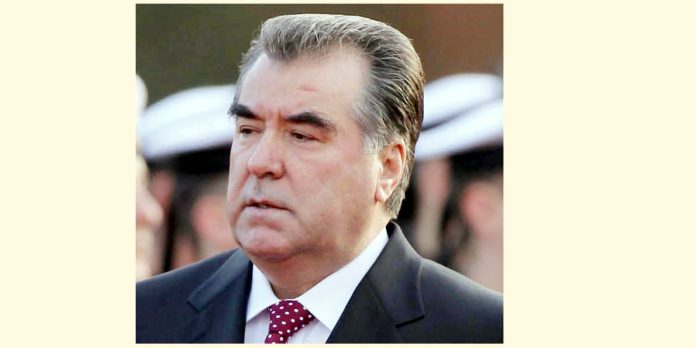
The Islamabad Marriott Hotel hosts President of Tajikistan

ISLAMABAD, DEC 14 /DNA/ – Islamabad Marriott Hotel is delighted to have hosted Emomali Rahmon the honorable President of Tajikistan.

General Manager of Islamabad Marriott hotel David Richard O Hanlon received President Rahmon upon his arrival to The Marriott Hotel; during this high-profile state visit Rahmon is expected to sign multiple high profile agreements with the Govt of Pakistan, Marriott Hotel Islamabad is exuberant to have been given an opportunity to serve the visiting dignitary along with his delegation and facilitate their stay while they conduct State to State Business.

Nation must honour its heroes: Mushahid Hussain

Col. Amjad Hussain Sayed remembered, Newly-elected Vice Chairman of Nazriya Pakistan Trust, Senator Mushahid Hussain, urges ‘political ceasefire’ on key national issues

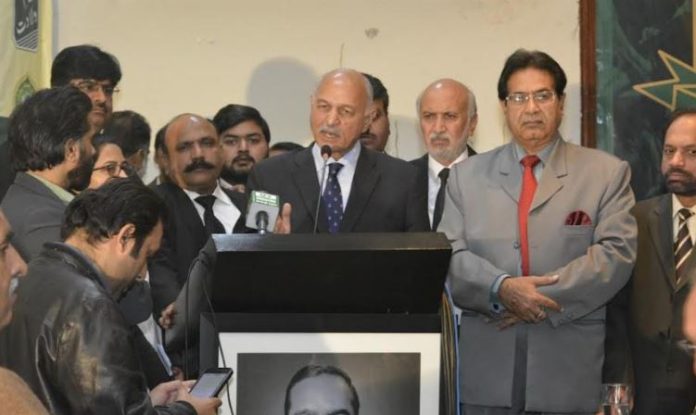
Lahore, 14 /DNA/ – Speakers at Seminar of Nazriya Pakistan Trust said ‘the nation must honour its heroes’ while remembering the role, contributions and services in the freedom movement of student leader, Colonel Amjad Hussain Sayed, on the occasion of his birthday centennial.

The Seminar, held at the Nazriya Pakistan Trust (NPT), which is dedicated to promoting the vision and ideology of the Quaid e Azam, was chaired by NPT Chairman of Chief Justice (retired) Ejaz Nisar and had a keynote speech by NPT Senior Vice-Chairman Mian Altaf Farooq. A diverse and distinguished audience of 200 persons also complimented Senator Mushahid Hussain on his election as Vice Chairman of Nazriya Pakistan Trust.

Ms Tahseen Sayed, daughter of Colonel Amjad Hussain, who recently retired as the senior most Pakistani in the World Bank, spoke of her father’s strong commitment to female education and inculcating values of ‘Rizq e Halal’ & ‘Kalima e Haq’. Chaudhry Javed Ellahi termed him as an extraordinary example of Pakistani nationalism.

Chief Justice (r) Ejaz Nisar termed Col Amjad Hussain as a ‘loyal foot soldier of Allama Iqbal and Quaid e Azam’ at whose behest he attended the 2 historic sessions of the All India Muslim League, Lucknow 1937 and Lahore 1940, while Mian Farooq Altaf urged ‘the nation must never forget its heroes’.

Senator Mushahid Hussain thanked the Board of Governors and General Council of NPT for reposing confidence in him through his unanimous election as Vice Chairman of  Nazriya Pakistan Trust. He termed it as ‘a unique national non-governmental organisation dedicated to the promotion of the vision of the Founding Fathers of Pakistan, especially Allama Iqbal and Quaid e Azam, as well as Madar e Millat Mohtrama Fatima Jinnah’.

Later, while speaking to the media, Senator Mushahid Hussain urged the need for a ‘political ceasefire’ on such pressing national issues as Economy, Energy, Environment,Extremism and Education’, adding ‘no one person, party, government or institution alone can solve the problems of Pakistan’.

He said the political forces in Pakistan had demonstrated maturity by ensuring a smooth military transition and there was no reason why General elections in 2023 should also be fair, free and transparent leading to a smooth political transition.=DNA

============

Moroccan ambassador visits Naval headquarters

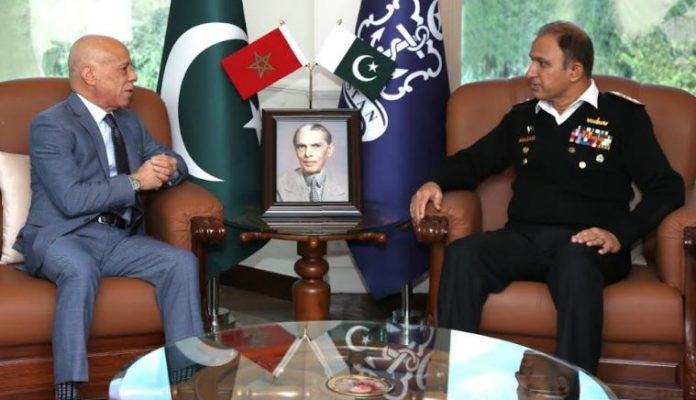
ISLAMABAD, DEC 14 /DNA/ – Ambassador of Morocco to Pakistan Mohamed Karmoune visited Naval headquarters, Islamabad and called on Chief of the Naval Staff Admiral Muhammad Amjad Khan Niazi.  

Matters of mutual interest, regional maritime security and bilateral collaboration were discussed during the meeting. The dignitaries agreed upon enhanced maritime cooperation and collobartion between the brotherly countries. DNA

Cross-border e-commerce injects new impetus into China’s foreign trade development

By Luo Shanshan, People’s Daily

China’s foreign trade has shown strong resilience and vitality this year. In particular, cross-border e-commerce, with its advantages in online transactions, contactless delivery and short transaction chains, has become key to stabilizing foreign trade and promoting consumption.

Recently, China’s State Council approved the establishment of comprehensive pilot zones for cross-border e-commerce in another 33 cities and regions across the country.

It marks the seventh batch of comprehensive pilot zones for cross-border e-commerce set up in China, as well as the second time the country approves the establishment of such pilot zones this year.

This move has brought the tally to 165, covering 31 provincial-level regions across the country.

Today, these pilot zones have become an ecosystem and carrier for the development of cross-border e-commerce featuring synergetic innovation in institutions, management and services.

They have set up information sharing, financial service, smart logistics, credit, statistical monitoring and risk prevention systems, as well as a policy framework centering around the online platform of single window services and brick-and-mortar industrial parks.

Besides, nearly 70 measures of mature experiences and innovative practices have been promoted nationwide.

Hangzhou, east China’s Zhejiang province is home to China’s first comprehensive pilot zone for cross-border e-commerce. Over the past seven years, the city has nurtured 49,000 cross-border e-commerce sellers, who registered over 2,000 trademarks overseas and reported a total export value of 100 billion yuan ($14.24 billion). 

In east China’s Jiangsu province, the average annual growth of the cross-border e-commerce scale reaches more than four times in the past three years, and over 90 industrial parks and incubators have been established. Besides, relevant enterprises in the province have built some 280 overseas warehouses in major markets along the Belt and Road. The prospering cross-border e-commerce sector has injected new impetus into stabilizing Jiangsu’s foreign trade amid COVID-19.

Driven by the pilot zones, China’s cross-border e-commerce enjoyed rapid development. According to statistics released by Chinese customs, the scale of cross-border e-commerce surged nearly tenfold in the past five years. It accounted for 4.9 percent of China’s total foreign trade last year, up from less than 1 percent in 2015.

In 2021, the import and export scale of cross-border e-commerce reached 1.92 trillion yuan, up 18.6 percent year-on-year, marking a consecutive high growth after it made a 25.7 percent stride in 2020.

In the first six months of this year, the import and export transaction volume of the cross-border e-commerce grew 28.6 percent year-on-year to maintain steady and rapid growth.

A batch of small- and medium-sized foreign trade enterprises are embracing the international market thanks to relevant policies rolled out by local governments.

Chinese coffee machine maker HiBREW, turning from original equipment manufacturer to original brand manufacturer, is gaining a reputation in more and more foreign countries; a smart rangefinder made by Chinese tool producer HOTO reported an annual turnover of 4.17 million yuan($600,000); fishing gear producer SeaKnight based in Hangzhou has sold its products to more than 200 countries and regions; WEWATCH, a Chinese tech company specialized in LED projectors, saw its export value reaching 40 million yuan($575,515) from zero in just a year.

Sheng Qiuping, China’s vice minister of commerce, said cross-border e-commerce has significantly lowered the threshold of international trade and involves large numbers of micro- and small-sized entities. So far, over 30,000 enterprises have registered on the online integrated service platform of the comprehensive pilot zones for cross-border e-commerce, according to him.

Logistics is a key factor in the efficiency and stability of cross-border e-commerce services. Over the recent years, new logistics models have kept emerging, such as overseas warehouses, return center warehouses and high-quality goods warehouses for export. They have become comprehensive service complexes that offer warehousing, logistics, customs clearance, return and exchange, processing and repairing, as well as packaging and distribution services.

According to statistics released by the China’s Ministry of Commerce, the coungtry has built over 2,000 overseas warehouses that cover a total area of 16 million square meters.

Sheng Chaoxun, director of the strategic policy office of the Academy of Macroeconomic Research affiliated with China’s National Development and Reform Commission, told People’s Daily that China’s cross-border e-commerce is in an important development period for innovation. Relevant policies and measures need to be further improved to make overseas warehouses an important pillar for the development of the sector, Sheng explained.

Ecological research leads to better environmental protection in China

By Wang Yinxin, Yao Xueqing, People’s Daily

Ecological research is a task that investigates, monitors and evaluates various types of ecosystems and biological species. It is a key measure to get a clear picture of the ecology, understand its variation, and evaluate the weaknesses and achievements in ecological conservation.

Over the recent years, local authorities across China have made constant efforts to carry out ecological research and innovate investigation methods. The outcomes are widely applied in resource census, policy-making and science popularization, which forcefully drives the progress of ecological conservation.

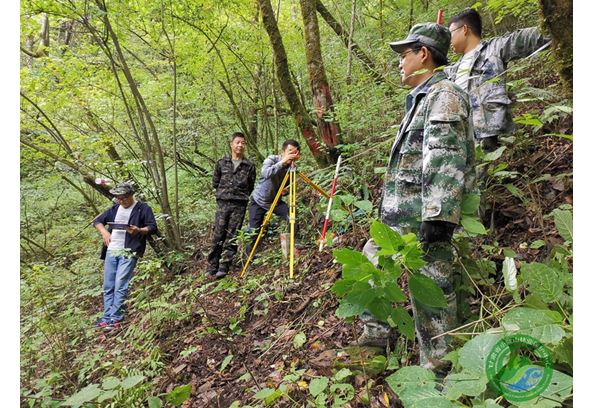
East China’s Jiangsu province has established a multi-dimensional technical system that integrates water, land and air monitoring methods for water ecological surveys.

The system employs satellite remote sensing, unmanned aerial vehicles (UAVs) and ground monitoring facilities to acquire ecological data for evaluation. Such ecological research is launched multiple times a year covering the province’s major rivers, lakes and sea waters.

During a recent investigation, a UAV was employed by ecological investigators from the environment monitoring center of the Department of Ecology and Environment of Jiangsu province to build a 3D model of a section of the Yangtze River bank. Another one was sent to take water samples at designated locations in the river.

At the same time, a multispectral UAV was launched to examine the vegetation along the banks of the Yangtze River.

“Natural banks play a very important role in water ecology,” said Zhang Yue, an ecological investigator at the environment monitoring center.

Based on data obtained by the multispectral UAV, over 80 percent of the area along the investigated section of the river was covered by vegetation, which indicated sound ecological recovery.

“By inputting over 6,000 photos taken by the 3D-modeling UAV into a software, a 3D model of the investigated section will be built, and then we will work to check and improve the model,” said Zhang.

She told People’s Daily that every model can be compared vertically, which can even tell how many trees are newly planted in parks.

As regards the water samples taken during the investigation, some were used for water quality tests, and the rest for environmental DNA sequencing, a type of analysis that provides clues about the bio-species in the water.

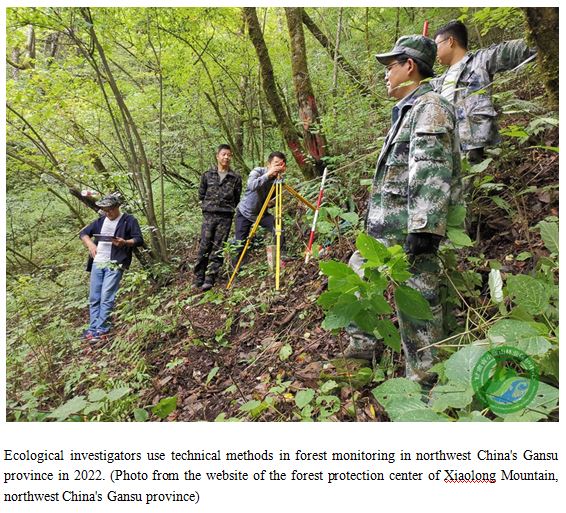
Information technology has significantly facilitated ecological research across China. According to statistics released by the China’s National Forestry and Grassland Administration, in 2021, China dispatched about 17,000 personnel to 31 provinces and autonomous regions so as to finish monitoring 457,000 sample areas and about 470 million remote detection spots.

In that year, the administration for the first time had realized full coverage of forest, grassland and wetland monitoring in the country.

The Longqi Mountain National Nature Reserve in southeast China’s Fujian province has launched constant biodiversity monitoring programs with infrared cameras and other technologies to provide scientific support for conservation and management. The cameras have captured a number of wildlife species such as black bears and mainland serows in thousands of photos and videos.

Since 2017, the nature reserve has spotted 125 new animal distributions and 27 new plant distributions. It has published biological atlases, built museums and held outdoor education activities to bring more and more people closer to nature.

South China’s Guangxi Zhuang autonomous region employs digital information obtaining and analysis methods for the monitoring of grassland resources and ecology. Since 2020, the autonomous region has started using satellite images and base maps for the establishment of observation plots in the grassland resources census, to observe the changes in ecological factors and further analyze the ecological status and annual variation of grasslands.

The autonomous region’s investigation outcomes not only offer data for the evaluation of its ecological services, green development index system and “forest chief” scheme, but also provide basic statistics for relevant departments to make grassland protection and recovery policies.

As more and more technical methods are developed and applied, China will keep enhancing its efforts in ecological protection, monitoring and management.

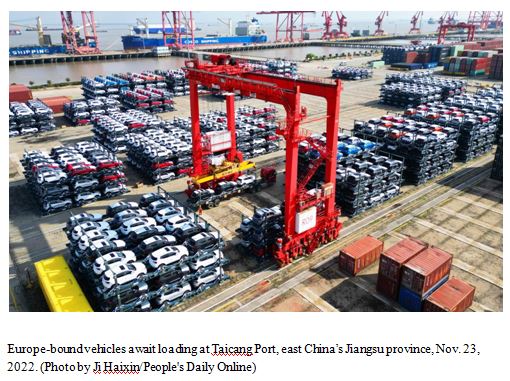
China sees big increase in vehicle exports

By Kong Dechen

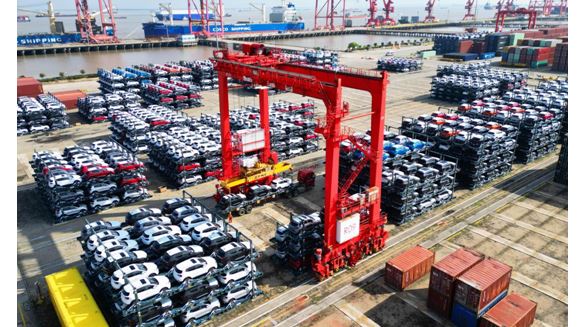
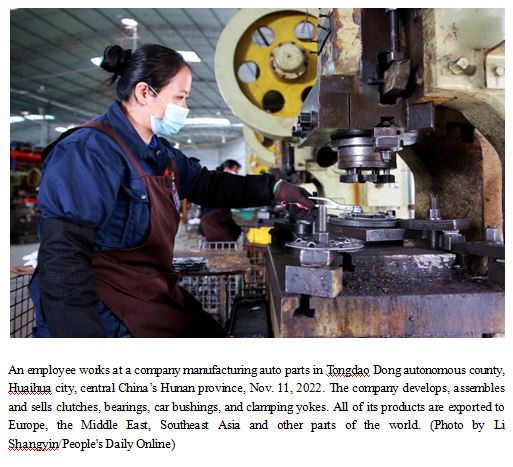
The Chinese auto industry has hit new highs in terms of exportation. According to statistics released by the China Association of Automobile Manufacturers (CAAM), Chinese vehicle exports set a new record in October with a total of 337,000 Chinese vehicles, up 12.3 percent from September and 46 percent from a year ago.

In the first ten months of 2022, China exported over 2.61 million vehicles, which was also a new record. Over 2.45 million were exported by automakers, up 54.1 percent year-on-year.

This figure, which outnumbered that of Germany, made China the second largest exporter of vehicles during the period, only after Japan, said Xu Haidong, deputy chief engineer of the CAAM.

China is expected to export a total of more than 3 million vehicles this year, Xu added.

Export destinations of Chinese vehicles have been gradually expanded to North America and Europe, from the traditional markets in Africa and the Middle East.

Cui Dongshu, secretary general of the China Passenger Car Association, told People’s Daily that China’s exports of finished automobiles to Europe, North America, and Asia increased rapidly during the January-October period this year, while Mexico, the Philippines and Belgium saw a big rise in the number of imported vehicles from China in October.

The recognition came from the strength of Chinese vehicles and the constantly improving supply chain. Chinese carmakers, continuously enhancing their innovation efforts to better the design of their products, quality control and services, have significantly lifted their competitiveness.

Besides, Chinese enterprises have established supply chain systems overseas including R&D, marketing, logistics, spare parts, manufacturing, finance, and used car supply chain systems, which have also laid a solid foundation for the development of Chinese auto manufacturers in overseas markets.

“Exported vehicles have turned from lower-tier products to higher-tier ones. Their appearance, quality, technologies and marketing strategies can satisfy the diversified market demands around the world,” Cui said.

The exports of new energy vehicles (NEVs) were a highlight. In the first ten months, 499,000 NEVs were exported, surging 96.7 percent year-on-year. China, ranking first in the world for consecutive years in terms of the production and sales of NEVs, has entered a new period of global market expansion.

The robust performance of NEVs was a major force driving the high-quality growth in vehicle exports.

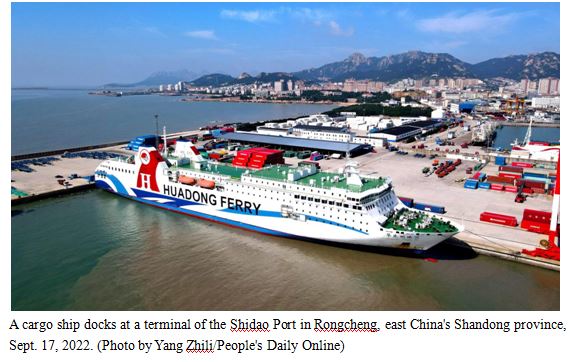
Major ports in China witnessed the global expansion of Chinese electric vehicles (EVs) and relevant industrial chains. In the first three quarters of this year, the exports of EVs via the north Chinese port city of Tianjin skyrocketed 667.7 percent year on year. In the same period, the combined exports of electric passenger vehicles, lithium batteries and solar batteries via Shanghai surged 143.3 percent from a year ago.

According to statistics released by the General Administration of Customs, 34 percent of the new energy passenger vehicles exported by China went to Western Europe in the first half of 2022. In particular, Belgium is the largest export destination for Chinese NEVs during this period. The European market has become a major emerging export destination for Chinese EVs.

Given the rapid rise in exports and the constantly improving competitiveness of products, the Chinese automobile industry has entered a new stage.

Recently, the Ministry of Industry and Information Technology, together with other relevant departments, rolled out 17 specific measures, including further expanding automobile consumption, continuing the exemption of NEV purchase tax and launching pilot programs to electrify all public vehicles in some cities.

Experts estimated that as the 17 measures are implemented, Chinese automakers will achieve the goal to produce 10 million vehicles overseas and export 5 million from home each year in 2031.

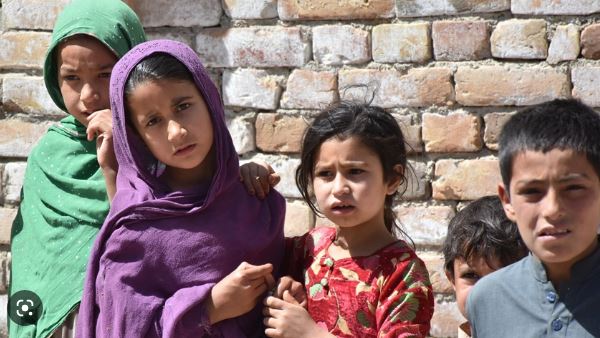
Children not only the future but present of Pakistan

National Consultative Workshop in Islamabad stresses upon elimination of child labour

Mahnoor Ansar

ISLAMABAD, DEC 14 (DNA): A strong common collaboration among all the stakeholders is required to define and achieve the common goal of preventing child labour. Thus concluded ‘National Consultative Workshop on Elimination of Child Labour in Agriculture/Cotton, Textile and Garment Value Chains in Pakistan” held in Islamabad on Tuesday.

The workshop was organized by Food and Agriculture Organization of the United Nations (FAO) in collaboration with International Labour Organization (ILO).

The workshop was held under the “CLEAR Cotton Project: Eliminating child labour and forced labour in the cotton, textile and garment value chains” (2018-2023). The Project was mainly funded by the European Union. Pakistan is among the four countries including Burkina Faso, Mali, and Peru where the CLEAR Cotton Project is being implemented. In Pakistan, the project is being co-implemented by FAO and ILO.

Speaking on the occasion, Ms. Khemphone Phaokhamkeo, ILO Country Director (Officer in Charge) in Pakistan said that fighting child labour is important for ILO and has been a priority since its establishment in 1919. Pakistan has also ratified 36 international conventions including the ones on the elimination of child and forced labour. As a member state of ILO, Pakistan should take steps to respect compliance of these conventions.

The issue of child and forced labour in Pakistan requires our attention amongst other on three areas; Firstly, we need to ensure that all children have access to the quality education; not only up to the primary level but till the time they attain the legal age of being eligible to work. Secondly, a healthy, safe and protective work environment must be provided for the youth. Thirdly, poor should be protected under social safety nets and social protection. All adults must be provided decent work so that they don’t have to pull their children into work.

Florence Rolle, FAO Representative in Pakistan while addressing the inaugural session said that; “Looking at the statistics of the out of school children and stunting rate in Pakistan, we realize that these are the key issues that we need to address. Nonetheless, the question is how? It is often said that children are the future. In my opinion, they are the present.

We need to address the present so that they become the future of Pakistan. Almost 70 percent of the child labour in Pakistan is involved in agriculture, therefore, for FAO this is a major concern. The project was first of its kind in Pakistan where we worked with the awareness raising in communities. Child labour in agriculture is not only about children being out of school, but it is also a major health issue as they are exposed to pesticides.

FAO through its various initiatives is also trying to increase the outcomes of the smallholder farmers so that the vicious circle of child labour is broken.”  She reiterated that FAO will mainstream the outcomes of this project in all other projects as well. She concluded on the point that “it is always good to forge partnerships so that difficult subjects like child labour are tackled at multiple levels from different angles”.

Azhar Iqbal Malik, Deputy Secretary, Ministry of Overseas Pakistanis, and Human Resource Development and Mr. Syed Khalid Gardezi, Additional Secretary, Ministry of National Food Security and Research, also represented the government and their respective ministries. They appreciated the project for being inclusive by involving all stakeholders to end the threat of child labour.

Malik said that currently, child labour survey is ongoing. The findings of the survey will help to find the root causes. Meanwhile, the survey is ongoing, government is committed to end child labour.  Articles 11, 25A and 37 of the Constitution guarantee free and compulsory education for all, end of child, forced labour and slavery. Pakistani government has also ratified all the relevant ILO conventions.

A strong legal environment is also prevailing at provincial level in forms of various laws. Further to this, we need suggestions for key interventions to scale up our efforts.  Mr. Malik while thanked the developing partners, specially, European Union reassured Government’s fullest support.

Mr. Gardezi appreciated the efforts made under the project. He concluded that Pakistan is seriously committed to achieve the SDG target 8.7 to end child labour by 2025. We are progressing in a right direction. However, we also expect our partners to play a positive role to support us to achieve this end. The issue of child labour requires complete attention and must be addressed with problem solving outlook with the participation of all the stakeholders.

Dr. Ulrich Thiessen, First Secretary, EU Delegation, Pakistan while sharing his thoughts said that child and forced labour fall under the eight ILO core conventions and Pakistan ratified the forced labour convention already since 1957 and child labour conventions in 2001 and 2006. These conventions are also part of the list of 27 international conventions and agreements in the EU GSP+ regulations, which offers tariff and quota free access of the Pakistani exports to the EU market constituting 66% of all exports from Pakistan to EU.

Pakistan’s compliance with these 27 international conventions and agreements is also being under EU funded project “International Labour and Environmental Standards Application in Pakistan’s Small and Medium Enterprises”” implemented also by ILO together with WWF since 2016. These actions fall under the EU delegation of Pakistan’s priority areas ‘Poverty reduction’ and ‘Green economic growth.

A results oriented monitoring report of 2022 termed the project a well-designed intervention, with good reflection in the country action plans and for addressing the key needs of the target groups and beneficiaries and having a balanced approach. However, it also raised concerns on slow progress and limited anchorage with relevant global platforms on child and forced labour. The report also highlighted the room for improving the flow and meaningfulness of communications on this intervention.

It is time for us to reflect on whether or not these concerns are valid or not and to what extend they can be addressed. At the same time, Pakistan needs to work on a global mandatory corporate social security standard for supply chain due diligence which includes child and forced labour in the garment value chains.

Project partners and beneficiaries’ representatives concerned government collaborators, donors and development partners, civil society organizations (CSOs) and other stakeholders relevant to agriculture/cotton, textile, and garment value chains participated in this workshop and presented their achievement as part of clear cotton project across Pakistan.=DNA

=========

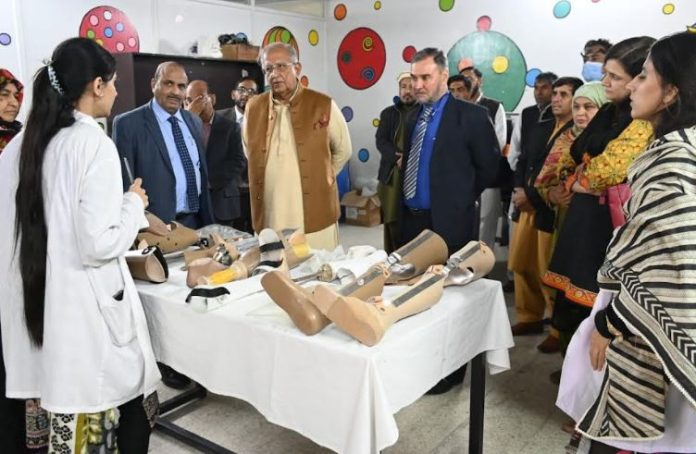
Orthopedic workshop inaugurated for Physically Handicapped Children

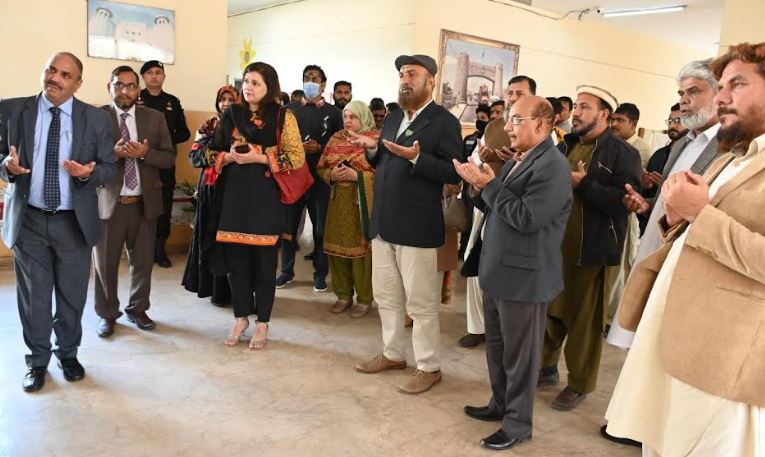
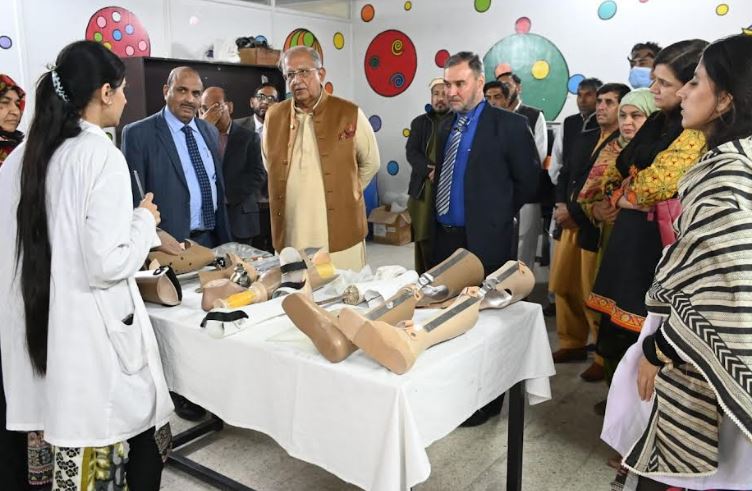
ISLAMABAD, DEC 14 (DNA): Federal Minister for Ministry of Human Rights Islamabad Mian Riaz Hussain Pirzada inaugurated the Orthopedic Workshop at National Special Education Centre for Physically Handicapped Children under the Directorate General of Special Education (DGSE) on 14th December, 2022.

Representatives of M/O Human Rights, Govt. officials, renewed NGOs, social workers and staff of this centre attended the ceremony. While talking to audience Chief guest Mian Riaz Hussain Pirzada said that Persons with Disabilities are facing the challenges of accessibility, empowerment, rehabilitation and inclusion.

Further, he appreciated the efforts of Directorate General of Special Education persons with disabilities and showed his pleasure on such initiatives by the Director General. He said that provision of artificial limbs, prosthetics, and orthotic devices to the children and adults with physical impairment & deformity will change their life.

The worthy Minister emphasis the need of expansion of such services and provision of state of the art World class facilities to the Persons with Disabilities. He further talks about regarding the need of new avenues and projects for facilitation of Persons with Disabilities.

Sheikh Azhar Sajjad Director General of Special Education in his welcome address, said that the DGSE and its allied institutions are engaged in rehabilitation, education and training of PWDs/CWDs. They are also enhancing their present capacity to uplift the living standards and functional mobility of the individuals with disabilities.

The Director General (SE) said that Directorate General of Special Education is contributing in the training and capacity building of the professionals, teachers and supporting staff in the field of special education. He emphasized that provision of artificial limbs, prosthetics and orthotic devices will swap the life of persons with physical disabilities.=DNA

===============

IHC suspends actions under FIRs against Secy. Information, MD PTV

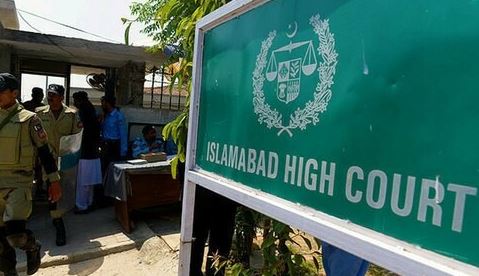
ISLAMABAD, Dec 14 (DNA): The Islamabad High Court (IHC) on Wednesday suspended the terrorism FIRs proceeding against the secretary of information, MD PTV and others in a petition against their harassment.

The bench also conditioned the registration of an FIR against the petitioners with the court’s permission, and served notices to Pakistan Bar Council, Islamabad Bar Council and Advocate General Islamabad for assistance in the above case.

Justice Tariq Mehmood Jahangiri remarked that it had to be settled once of all if several FIRs could be registered across the country on one TV program or vlog.

The bench heard the case against the registration of FIR against Secretary Information & Broadcasting Shahera Shahid, Managing Director PTV Sohail Ali Khan and others for on-airing the press conference of Federal Minister Mian Javed Latif.

The court remarked on what was the fault of MD PTV if a federal minister held a talk on a TV channel.

Justice Jahangiri questioned whether an FIR would also be registered against the president of the bar council if someone held a talk in the bar.

The court observed that these people used to criticize and shout when cases were registered against Azam Swati but what were they doing on their side?

Justice Jahangiri further noted that FIRs were registered under the anti-terrorism act as they were the world’s top terrorists. On the instruction of the bench, the petitioners’ counsel read out the contents of the FIR. 

Additional Attorney General Munawar Dogal informed the court that the federal government had received the details of FIRs from provinces except for Punjab.

He said that the federation had no control over provincial police after the 18th amendment to the constitution. Expressing annoyance, Justice Tariq Jahangiri asked how it was so; the citizens of the federal capital also had some rights. A new trend of registration of FIRs across the country had been promoted, he remarked. He questioned whether there was any law or procedure in the country.

The court ordered to make the complainants to the two FIRs respondents in the petition and suspended actions against the petitioners under the said FIRs.=DNA

==========

Ethiopia to develop coop with Pakistan in education

Staff Report

ISLAMABAD, DEC 14 /DNA/ – Ambassador of  Ethiopia to Pakistan Jemal Beker Abdula has said that Ethiopia was looking forward to developing cooperation with Pakistan in the education sector.

He made these remarks during a meeting with a delegation from the education sector led by Special Assistant to the Prime Minister and Minister of State Romina Khurshid Alam. The delegation which includes the University of Sialkot Executive Director Muhammad Rehan Younas and its Chairman Board of Governors Faisal Manzoor, was called on him here at the Embassy of the Federal Democratic Republic of Ethiopia in Islamabad.

“We want our youth to be educated and skillful as our government under the leadership of Prime Minister of Ethiopia H.E. Dr. Abiy Ahmed Ali is fully committed to promoting education in our country,” the ambassador said while requesting the delegation to offer scholarships for the Ethiopian students in their university.

Suggesting the start of the exchange programmes between the two countries, he said it was high time to develop south-south cooperation for the betterment, progress and prosperity of the people living in the southern regions of the world.

University of Sialkot Executive Director Muhammad Rehan Younas extended full assurance to the ambassador in this regard and said his university would look forward to offering scholarships to the Ethiopian students.

He said his institution had been developing a curriculum in consultation with the chambers of commerce to bridge a gap between academia and the industrial sector.

Rehan Younas said the work on establishing an Africa House in Islamabad was also underway which would promote ties between Pakistan and the African countries in diverse sectors including education, business, trade and investment.

The ambassador suggested the delegation to establish an Africa Study Center within the planned Africa House to boost the cooperation between Pakistan and the African countries in the education sector.

He also briefed them about the business, trade and investment opportunities in Ethiopia for Pakistani businessmen. A plan for arranging a visit of a Pakistani business delegation to Ethiopia was underway which would enhance business ties between the two countries by linking business communities of both countries.

Special Assistant to Prime Minister H.E. Romina Khurshid Alam, who is also Convenor of the National Parliamentary Taskforce on Sustainable Development Goals (SDGs), said she would look forward to arranging a workshop cum conference on Pakistan and Ethiopia Relations in Sialkot to sensitize the business community on the opportunities offered by the Ethiopian markets in general and visit of business delegation to Ethiopia in particular.=DNA

==========

Stay Connected

64FansLike
60FollowersFollow

Latest Reviews

Exchange Rates

USD - United States Dollar
EUR
1.17
GBP
1.35
AUD
0.67
CAD
0.72