Home Blog Page 1186

Petrol price may fall after ‘decline in dollar value,’ says info minister

Petrol price

As the Pakistani rupee gained massively against the US dollar, interim Information Minister Murtaza Solangi hinted at the reduction in petroleum prices in the next fortnight’s review — scheduled for September 30.

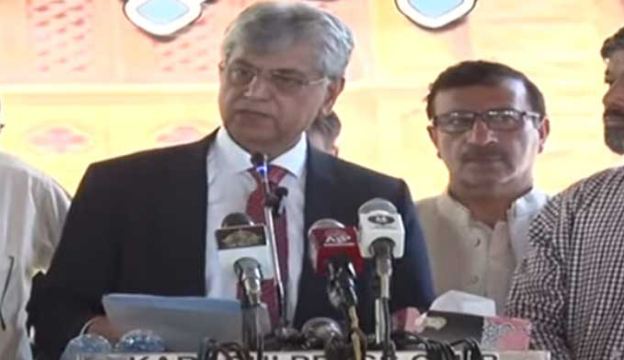
Speaking to the media at the Karachi Press Club on Saturday, the information minister responded to the news report saying that the rupee gained Rs30 to Rs35 against the greenback due to administrative measures taken by the interim government in the last few days.

He was referring to the military-backed crackdown launched by the authorities against hoarders, currency smugglers and black marketeers after the rupee fell to a historic low of Rs308 in interbank and beyond Rs330 in the open market earlier this month.

The crackdown has helped the rupee gain significantly, recovering to 291.76 per dollar in the interbank market, its highest level since Sept 5.

The currency has gained 5% or Rs15 since then, supported by dollar inflows from exporters and remittances, as well as measures by the central bank to encourage legal channels for foreign exchange transactions.

“There are enough chances that the oil prices will be reduced in the next [fuel prices] announcement,” the minister said adding that the interim government has no role in fuel prices as they are linked with international oil rates.

“[…] people will get some benefit of reduction in the value of the dollar,” he remarked.

In the last fortnight review on Sept 16, the fuel prices reached a historic high after the caretaker government jacked up the petrol price by more than Rs26 and diesel price by over Rs17 per litre.

Currently, petrol is being sold at Rs331.1 per litre while high-speed diesel is available at Rs329.19 per litre.

‘Rupee likely to recover to 250’

Earlier this week, Chairman Exchange Companies Association of Pakistan (ECAP) Malik Bostan expressed hope that the country’s remittances may increase by 10-20% in the backdrop of the government’s crackdown against hoarders, black marketeers and smugglers of dollars.

Talking to The News, he said because of the crackdown the foreign exchange companies, which earlier used to get around $5 million per day, are now getting $15 million per day i.e., 200% increase. For the same reason, he said the interbank and open market dollar rate has considerably come down.

He assured if the crackdown continued, the dollar would come down to below Rs250.

Bostan disclosed the crackdown against hoarders, black marketeers and smugglers of dollars has also exposed a nexus between black marketeers and banking staff.

Huge amount of dollars, he said, was stashed in lockers of different banks, and the bank staff in coordination with the black marketers, used these dollars for hawala/hundi. 

Keys of these lockers were with the corrupt bank staff members, Bostan said, adding upon receiving messages from black marketers concerned, they (bankers) used to do the illegal trading of US dollars.

China-built power plants using high-quality imported coal in Pakistan: officials

China-built power plants

DNA

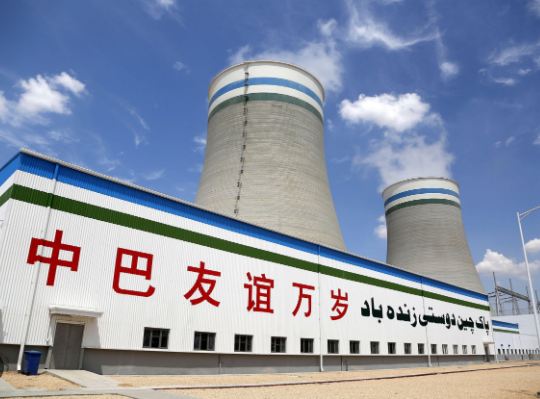
ISLAMABAD, Sept 23: All coal-fired power plants built by Chinese companies in Pakistan have been consistently using high-quality coal imported from other countries, officials said.

Commented on a news item raising a question about the coal quality, the officials said basic knowledge about the power industry based on facts can clearly show and prove that the Chinese power plants cannot run on low-quality coal like a fighter jet cannot start and run on regular fuel.

There is no classification of coal as “superior” or “inferior” based on the difference in thermal energy.

“If “less than 6000CV” is the definition of “inferior coal” according to an ignorant bureaucrat, then the coal mines in Thar of Pakistan have only 2000CV coal. So, under their parameter, should it be defined as extremely inferior coal,” sources said.

At the hearing site, the Chinese company had carried out detailed science popularization and explanation and introduced the correct and scientific concepts in the industry to the NEPRA officials who raised this issue.

The Chinese engineers and experts have briefed the Pakistani side about a clear scientific definition of the coal thermal zone set by the agency itself. According to the scientific design of the boiler, different power plants need to adapt to different calorific value zones of coal.

For example, according to the regulations of the Pakistani side, the Port Qasim coal-fired power station needs to use coal produced in Indonesia in the range of 4500-5500CV, and according to this calorific value range, the corresponding boiler has been designed.

There is no positive correlation with coal prices. There is no high or low calorific value affecting the price of coal, and the pricing power is not in the hands of Chinese companies, but in the hands of international coal exchanges, said the source.

The relevant media report written without proper knowledge has forcefully mixed the two together, neither seeking confirmation on the issue nor from the relevant departments of NEPRA, relying only on one-sided information and misguided and confused common people.

World Bank launches ‘Reforms for a Brighter Future Time to contribute on development priorities

World Bank launches ‘Reforms for a Brighter Future Time to contribute on development priorities

Pakistan has been facing numerous economic hardships including inflation, rising electricity prices, severe climate shocks, and insufficient public resources to finance development and climate adaptation: World Bank

Mahnoor Ansar

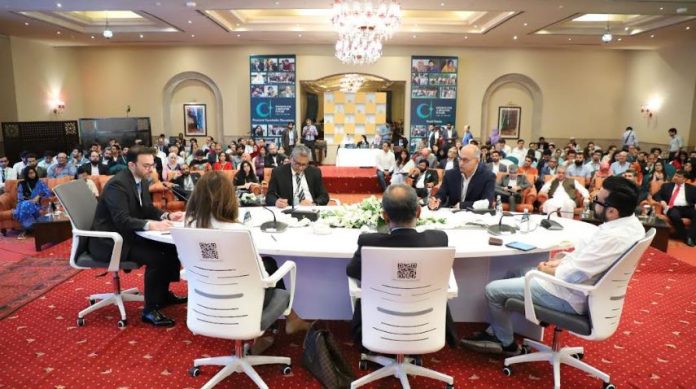
Islamabad, Sept 23 —The World Bank has launched a new program to foster debate on the critical development policy issues facing Pakistan. ‘Reforms for a Brighter Future: Time to Decide’ is intended to engage in discussions with a broad range of stakeholders on what fundamental policy shifts are most needed to durably steer the economy towards stronger, more climate-resilient and sustainable growth and development. This consultation program includes the publication, today, of a series of draft Discussion Notes.

These will be progressively enriched by feedback received from a broad range of stakeholders. The Notes, which draw on international experience as well as a large body of evidence on Pakistan, propose fundamental policy shifts that are needed to move away from the current low-growth, anti-development status quo:

• From underfunded, inefficient, and fragmented service delivery and social protection systems towards coordinated, efficient, and adequately financed service delivery, targeting the most vulnerable—in particular to reduce abnormally high child stunting rates and to increase learning outcomes for all children, especially for girls.

• From wasteful and rigid public expenditures benefiting a few, towards tightly prioritized spending on public services, infrastructure, and investments in climate adaptation, benefiting populations most in need.

• From a narrow, distortive, and inequitable tax system towards one that is broad-based, efficient, progressive, and equitable—generating sufficient revenues to significantly increase public investment in human development, infrastructure, and climate adaptation.

• From a protected, stagnant, and unproductive economy with a large state presence towards a dynamic open economy driven by private investment and exports.

• From agriculture sector policies that lock farmers into a low-value, low-productivity farming towards a more market-driven, productive agricultural system, including value chains that are resilient to climate change impacts and water scarcity.

• From energy sector policies that drive high energy costs, environmental harms, and unsustainable accumulation of debt, towards efficient, sustainable, and resilient generation and distribution, based on accurate price signals, increased competition and private participation, and a cleaner energy mix.

• From a public sector that is inefficient, often ineffective, and vulnerable to capture by vested interests towards accountable, efficient, and transparent government, including at the local level.

“Pakistan has been facing numerous economic hardships including inflation, rising electricity prices, severe climate shocks, and insufficient public resources to finance development and climate adaptation—when the country is among the most vulnerable to climate change impacts. It is also facing a “silent” human capital crisis: abnormally high child stunting rates, low learning outcomes, and high child mortality.”, said Najy Benhassine, Country Director for the World Bank in Pakistan.

“These discussion notes contribute to debates on long standing policy issues that are muting Pakistan’s high economic and development potential. There is reasonable consensus on priorities and challenges. Determining specific solutions requires open debates on concrete, fundamental policy decisions. We hope this program of discussions will help build a consensus around a path towards inclusive, sustainable, and climate-resilient development”.

As part of the ‘Reforms for a Brighter Future’ engagement program, the World Bank together with the Pakistan Institute of Development Economics, conducted extensive consultations across the country to seek inputs and feedback on the recommendations included in the draft Discussion Notes. These have included discussions with students across 21 universities and provincial roundtables with thinkers from academia, and the public and private sectors. Participants in all four provinces have shared insights and perspectives that have helped shaped the understanding of what it would take to put Pakistan back on a path towards sustainable, climate-resilient, and inclusive growth. The ‘Reforms for a Brighter Future’ program will continue over the following months both online and at in-person events across the country, including the national conversation that will take place in Islamabad today and tomorrow.

A Row costing $9 billion to India & Canada 

A Row costing $9 billion to India & Canada 

By Qamar Bashir

During his address to the 78th Session of the United Nations General Assembly (UNGA), caretaker Prime Minister Mr. Anwar-ul-Haq Kakar raised concerns over the Hindutva ideology in India while citing the recent killing of a Canadian citizen, Hardeep Singh  Nijjar of Khalistan Tiger Force, on June 18, in Vancouver, British Columbia, Canada. He asserted that this ideology is being employed to justify the persecution of religious and ethnic minorities in India. In a call for international action, he urged the global community to hold India accountable for its alleged human rights abuses while characterizing Mr. Nijjar killing as “extrajudicial.” This condemnation was accompanied by a critique of what was described as India’s “intolerance” towards minority communities.

It’s worth noting that historical tensions between India and Canada have roots dating back to the 1980s. Since then India has been expressing its  concerns about Canada allegedly harboring Sikh separatist elements and facilitating the promotion of the Khalistan issue. Canada is home to one of the world’s largest Sikh populations outside India, comprising nearly 770,000 people, or approximately 2.1% of the country’s population.

In 2015, relations between Canada and India faced heightened tensions when Justin Trudeau assumed power as Prime Minister and appointed four Sikh ministers to his 30-member cabinet. These appointments raised concerns in India, which had previously expressed apprehensions about Sikh Canadians who openly support the Khalistan movement seeking a separate Sikh homeland in India. Additionally, incidents such as the vandalism of a Hindu temple in Canada with graffiti reading “death to India” in Urdu and “Khalistan,” as well as local referendums organized by Sikh Canadians advocating Sikh independence from India, further strained diplomatic ties.

In February 2018, during Justin Trudeau’s address to the Canadian Parliament, he delivered a presentation, complete with graphics, pictures, and videos, in which he described his official visit to India. Trudeau recounted how, despite the Indian Prime Minister’s outward politeness and warm photo opportunities, carefully planned and orchestrated events appeared to be aimed at insulting, humiliating, and disrespecting the Canadian Prime Minister. Notably, India neither issued an apology nor expressed regret for these perceived slights.

Justin Trudeau’s trip was also marred by several controversies and criticisms. One notable issue was related to the attire worn by him and his family throughout the visit. They chose to don elaborate traditional Indian outfits, which some observers perceived as excessive and politically tone-deaf. This choice led to accusations of cultural appropriation.

Later, in June 2023, India’s Minister of External Affairs, S. Jaishankar, expressed concerns during a press conference about Canada’s accommodation of Sikh separatists, warning that it was detrimental to the bilateral relationship. He termed Canada’s approach to the Khalistani issue as driven by domestic politics and vote-bank considerations. Ten days after Jaishankar’s warnings, Hardeep Singh Nijjar was fatally shot at a Sikh temple in Vancouver.

Canada reacted to this incident by taking significant diplomatic measures. On September 1, just eight days before the G-20 Summit, Canada paused trade negotiations with India and canceled a planned trade mission to India, affecting the US$9 billion trade relationship between the two countries.

Tensions escalated further during the G-20 Summit in New Delhi, held from September 9th to 10th, 2023. Unlike other Western leaders, Prime Minister Trudeau did not engage in formal bilateral talks with Indian Prime Minister Narendra Modi. Instead, the two leaders expressed their serious concerns on the sidelines of the summit. Modi raised issues related to “anti-India activities of extremist elements in Canada” and accused Canada of fostering sympathy for a Sikh separatist movement. Canada, in turn, accused Indian officials of interfering in its domestic politics.

The relationship between the two nations deteriorated significantly on September 18, 2023. Prime Minister Trudeau made a sensational statement before the Canadian Parliament, disclosing that Ottawa was actively pursuing “credible allegations” from Canadian intelligence regarding New Delhi’s involvement in the assassination of prominent Sikh Canadian leader Hardeep Singh Nijjar on Canadian soil in June. In response to Trudeau’s comments, the Canadian government expelled a senior Indian diplomat. India swiftly denied any involvement in Nijjar’s death and issued a statement to that effect. In retaliation, India also expelled an unnamed senior Canadian diplomat.

The combination of increasing Sikh activism in Canada, but also in the U.K., U.S., and Australia, including widespread protests held in March over the manhunt for another Sikh separatist leader, Amritpal Singh. “The stepped-up activism has sharpened New Delhi’s concerns while Canada, citing freedom of speech, has held back, and its unwillingness to address Indian concerns has plunged bilateral relations into a deep crisis.

On Tuesday 19 Sept, 2023, U.S. National Security Council spokesperson Adrienne Watson said the White House was “deeply concerned” about the Canadian allegations. “It is critical that Canada’s investigation proceed and the perpetrators be brought to justice,” Watson said in a statement.

Derek J. Grossman, a senior defense analyst at the RAND Corporation, says it will be interesting to see how the Biden Administration handles the situation. “Taking a stand either way—for India or for Canada—would anger the other,” he says. “Regardless, I think the Biden Administration wants to keep India at its side at all costs to help counter China through the Indo-Pacific strategy.

The United Kingdom said it is in close touch with its Canadian partners about “serious allegations” from Ottawa that the Indian government was involved in the murder of a Sikh separatist leader in British Columbia province earlier this year.

The spokesperson for Australian foreign minister Wong said Australia is “deeply concerned by these allegations and notes ongoing investigations into this matter”. “We are closely engaged with partners on developments. We have conveyed our concerns at senior levels to India,” said the Australian official.

India has faced criticism for its human rights record, particularly in the context of its handling of the situation in the illegally occupied region of Jammu and Kashmir. In this region, there have been concerns about the restriction of the Kashmiri population’s movements and liberties, leading to claims that it resembles one of the largest human incarcerations in the world. India has also faced criticism for its treatment of religious and ethnic minorities, as well as issues related to its treatment of low-caste Hindus.

Some observers argue that India has not faced sufficient international scrutiny or accountability for these alleged violations. They believe that geopolitical factors, such as the Western world’s concerns about China’s rise, have led to a strategic alignment with India. This alignment, they argue, has sometimes resulted in a lenient approach toward India’s human rights issues. Critics argue that this approach can, in the long run, prove detrimental, as the same nation being supported today may pose challenges in the future. If you feed a crocodile, it will eventually eat you.

By Qamar Bashir

Former Press Secretary to the President

Former Press Minister to the Embassy of Pakistan to France

Former MD, SRBC

PAF contingent returns triumphant

PAF

DNA
ISLAMABAD: Pakistan Air Force contingent has landed back at an operational air base after successful participation in the multinational tri-services air exercise Bright Star 2023, held in Egypt. The exercise brought together 30 nations from across the globe, fostering camaraderie and showcasing the prowess of participating armed forces. The distinguished event showcased the remarkable performance of PAF’s contingent, consisting of skilled combat pilots, proficient air defence controllers, and adept technical ground crew, who demonstrated pride and professional excellence as a unified team while operating advanced JF-17 Thunder fighter jets.

The primary objective of the Bright Star Exercise was to promote interoperability and facilitate knowledge sharing among participating countries. Throughout the exercise, PAF’s air and ground crew consistently demonstrated exceptional air combat capabilities, effectively highlighting the impressive strengths of Pakistan’s esteemed asset, the JF-17 Thunder fighter aircraft. Engaging in rigorous training and immersive, realistic aerial warfare scenarios, the PAF contingent reaffirmed its preparedness to address contemporary air warfare challenges, underlining its unwavering commitment to serving the cause of global peace and security.

The resounding triumph of PAF’s crew in the Bright Star exercise within the realm of aerial warfare serves as a testament to their unwavering dedication and operational proficiency. Pakistan Air Force’s participation in the exercise underscores its ability to adapt to cutting-edge advancements in air combat and its willingness to establish strong partnerships with the international community in order to effectively address the evolving challenges of aerial warfare in the modern world.

Thailand ready to finalize FTA with Pakistan to improve trade ties – Ambassador

Ambassador of Thailand

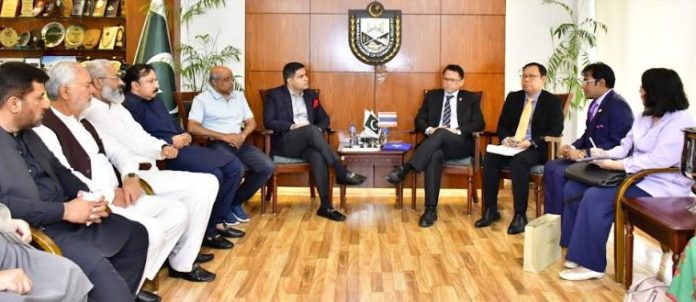
Islamabad, Sept 23: /DNA/ – Chakkrid Krachaiwong, Ambassador of Thailand said that his country is ready to finalize a free trade agreement with Pakistan as negotiations on it have reached the final stage and it is now up to Pakistan to expedite it. He revealed that Thai Air is resuming its flights from Karachi, Lahore, and Islamabad. He said that many Pakistanis visit Thailand and stressed that they should also play a role to increase bilateral trade between the two countries. He said that both countries should focus on promoting bilateral investment to achieve mutually beneficial outcomes. He said that the Pakistani business community should display its products in Thailand Industrial Fair 2024 in January next year, which would help them to improve their business prospects. He said that many Thai investors want to invest in Pakistan, but they don’t know where to invest. He identified seafood, mangoes, the halal food and halal cosmetics as potential areas for two-way trade. He expressed these views during an interaction with the business community at Islamabad Chamber of Commerce & Industry (ICCI).  Ms. Kamolwan Siriposil, Thai Economic Counsellor and Deputy Head of Mission, Khemathat Archawathamrong, Thai Counsellor and also accompanied him on the occasion.

Speaking on the occasion, Ahsan Zafar Bakhtawari, President, Islamabad Chamber of Commerce & Industry said that ICCI would take up the issue of FTA with relevant Pakistani authorities for swift progress on it as it would help increase bilateral trade between Pakistan and Thailand. He said that Thailand’s annual exports in 2022 were over US$ 285 billion and imports were around US$300 billion, but its bilateral trade with Pakistan in 2022-23 was less than US$ 1 billion. He said that both countries are doing trade in limited items and stressed that they should diversify trade to achieve better results. He said that Pakistan can export many other products to Thailand including value-added textiles, leather goods, sports items, pharmaceuticals, surgical instruments and food products. Similarly, Pakistan can import more products from Thailand.

Ahsan Bakhtawari said that the government has established a Special Investment Facilitation Council to facilitate new investments in defense, agriculture, minerals, IT & Telecom, energy and other sectors and stressed that the Thai investors should take advantage of these opportunities in Pakistan. He said that tourism sector is another promising area of mutual cooperation as Pakistan’s rich cultural heritage and diverse landscapes offer great attractions to Thai tourists. He said that learning from Thailand’s successful tourism industry, Pakistan can also develop its tourism sector along modern lines.

Aamir Hussain, Maqsood Tabish, Ch. Muhammad Ali, Malik Najeeb, Khalid Chaudhry, Fiazan Shehzad, Kashif Chaudhry, Ms. Parveen Khan, Ch. Tahir and others were also present on the occasion. 

Serena hotels launches green impact cleanup drive

Serena hotels launches green impact cleanup drive

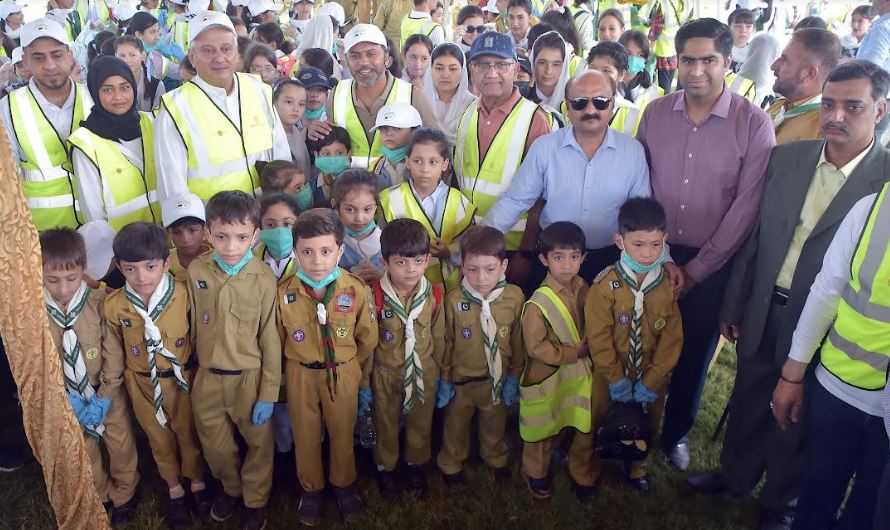
The inaugural ceremony was attended by the Ambassador of the United Arab Emirates to Pakistan, Hamad Obaid Ibrahim Salem Al-Zaabi, Ambassador of Kuwait to Pakistan, Nassar  Abdul Rahman Almutairi and President of Ismaili Council for Central region , Dr. Nadir Anjum along with other dignitaries

DNA

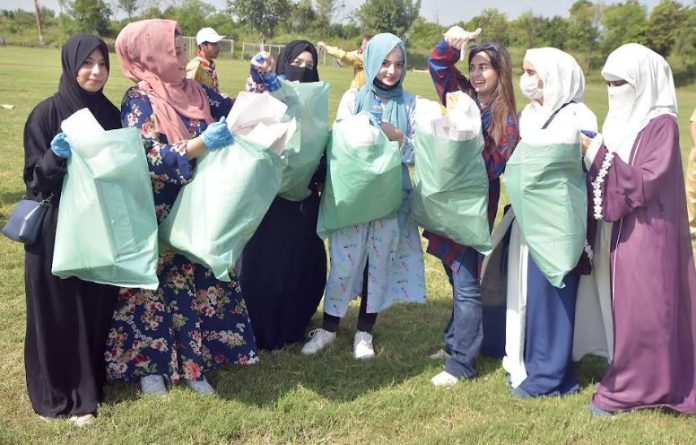
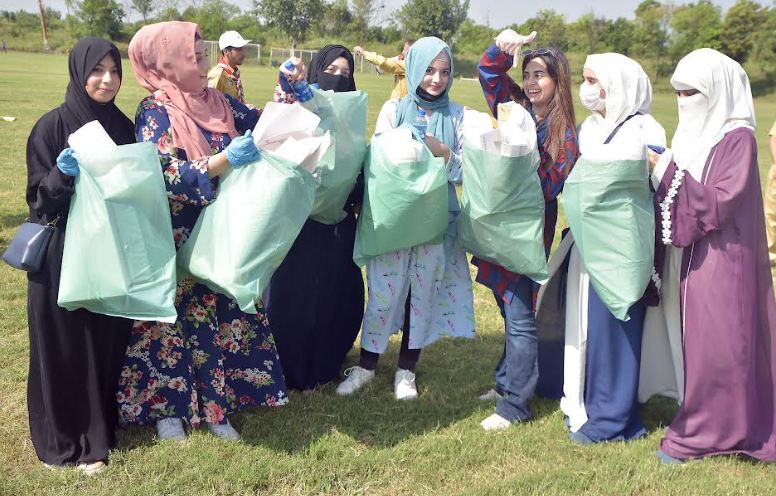
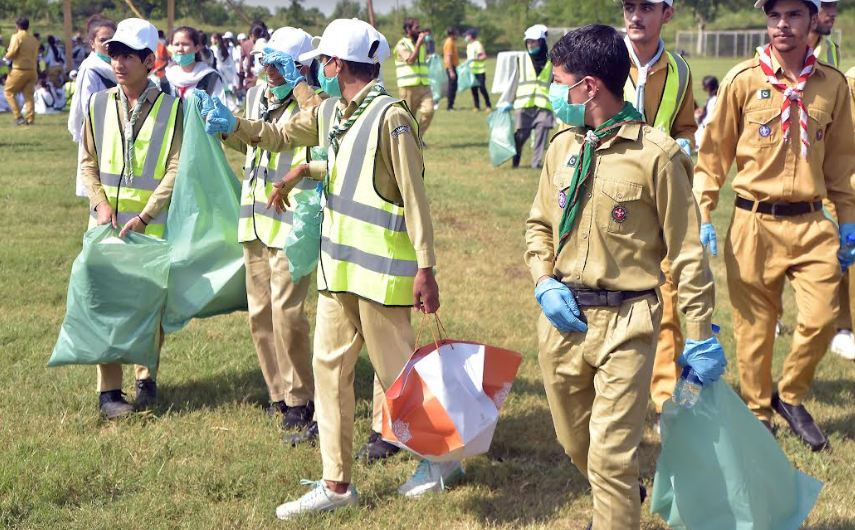
ISLAMABAD, 23 SEPT: Serena Hotels launched its sustainable initiative “Green Impact Cleanup Drive,”  which is aimed at promoting environmental protection, sustainable practices along with raising awareness against littering and use of single use plastic. This inspiring event took place at F-9 Park Islamabad and Saidpur Village simultaneously and was made possible through a collaborative effort between Serena Hotels, the UAE Embassy, Ismaili Civic Pakistan, and the Capital Development Authority (CDA).

The activity was organized simultaneously across all Serena Hotels’ units in Pakistan. Quetta Serena Hotel and  Rotary International carried  the cleanup drive activity. Faisalabad Serena Hotel joined hands with WWF, whilst Gilgit Serena Hotel, Serena Shigar Fort, Serena Khaplu Palace and Serena Altit Fort Residence collaborated with schools, NGOs and local governments to conduct the activity.

Serena Hotels is taking a proactive stance by organizing this Green Impact Cleanup Drive due to the recent climate and environmental disasters. The event not only served as a practical demonstration of their commitment to sustainability but also provided an opportunity for the community to get involved in a meaningful environmental initiative.

A diverse group of volunteers united to restore the natural beauty of F-9 Park by removing litter and waste. CEO, Serena Hotels, Aziz Boolani  highlighted the need for environmental protection, recycling, sustainable practices and waste reduction by educating the participants at the opening ceremony.

The inaugural ceremony was attended by the Ambassador of the United Arab Emirates to Pakistan, H.E. Hamad Obaid Ibrahim Salem Al-Zaabi, Ambassador of Kuwait to Pakistan, H.E. Nassar  Abdul Rahman Almutairi and President of Ismaili Council for Central region , Dr. Nadir Anjum along with other dignitaries.

This initiative by Serena Hotels’  is expected to catalyze change, motivating communities to take proactive steps towards preserving the environment and reducing litter. Members of the diplomatic corps, corporate sector including GIZ and UNDP, civil society, and the general public attended the event and joined the effort to create a cleaner, more sustainable Pakistan.

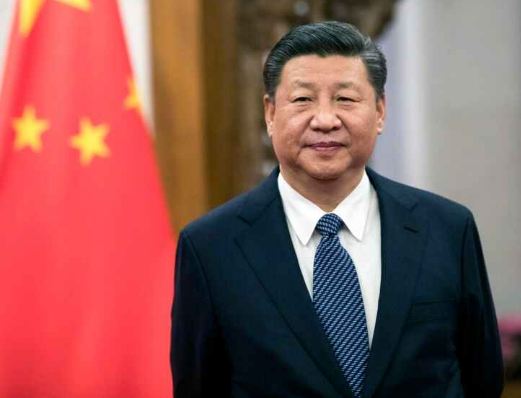
President Xi emphasizes the Asian Games’ role in promoting peace, unity in Asia

President Xi emphasizes the Asian Games' role in promoting peace

DNA

HANGZHOU, Sept 23 — President Xi Jinping of the People’s Republic of China extended a warm welcome to an esteemed gathering of international dignitaries during the opening ceremony of the 19th Asian Games held by the scenic West Lake in Hangzhou.

In his address, President Xi expressed his delight at joining both familiar faces and new friends for this grand occasion. He conveyed greetings and hospitality on behalf of the Chinese government and its people, along with his personal greetings and those of his wife.

The President’s presence at the ceremony underscored the importance of this international sporting event and China’s commitment to fostering unity, friendship, and cooperation across the Asian continent.

The 19th Asian Games, hosted by Hangzhou, China, have brought together athletes and sports enthusiasts from across Asia to participate in various sporting disciplines, showcasing their talent and promoting cultural exchange.

The ceremony, attended by distinguished guests including the Acting President of the Olympic Council of Asia (OCA), Raja Randhir Singh, and the President of the International Olympic Committee (IOC), Thomas Bach, was marked by a spirit of camaraderie and celebration.

The 19th Asian Games in Hangzhou are poised to be a spectacular showcase of athletic prowess, sportsmanship, and cultural diversity, with President Xi Jinping extending an invitation for all to enjoy and celebrate this momentous occasion.

The games, which will run from September 10 to September 25, 2023, promise to be a memorable event promoting harmony and unity among Asian nations through sports.

Today is the Autumn Equinox, known as Qiufen on the Chinese lunar calender. On this day of harvest and reunion, the cauldron of the Asian Games will light up again in China. Since being honored with the right to host the Games, China has earnestly fulfilled its commitments and made every effort for its preparation.

We look forward to working closely together with the Olympic Council of Asia (OCA) and delegations from all countries and regions to deliver to the world a great event that is distinctly Chinese, uniquely Asian and spectacular and to make new contribution to the Olympic Movement in Asia and the world.

The Asian Games embodies the Asian people’s shared desire for peace, unity and inclusiveness.

Over decades, Asia has enjoyed overall stability as well as sustained rapid economic growth, creating the Asian Miracle that is incomparable across the world. The Asian Games has not only been a witness to this achievement, but also a participant and a contributor. As a community with a shared future connected by mountains and rivers as well as cultural affinity, we should use sports to promote peace, pursue good neighborliness and mutual benefit, and reject Cold War mentality and bloc confrontation. We should make Asia an anchor of world peace.

The 19th Asian Games has set a new record in the numbers of registered athletes and events, reflecting the great expectations and firm support of the Asian people for the Hangzhou Games. As humanity faces unprecedented global challenges, we should use sports to promote unity, seize the historic opportunity, and jointly stand up to the challenges. We should honor the OCA motto of “Ever Onward,” and open up broader prospects for the Asian road toward common development, openness and integration.

As an important birthplace of human civilization, Asia has fostered splendid cultures. The 19th Asian Games has included many disciplines with distinctive Asian features. It provides a platform to celebrate sports and culture, and showcases Asian culture that is inclusive, vibrant and always keen to learn from others. We should use sports to promote inclusiveness, enhance confidence in our civilizations, pursue exchanges and mutual learning, and renew the glory of Asian civilizations.

For centuries, Hangzhou has been known for its breathtaking natural beauty, rich endowment and a thriving cultural life. Marco Polo described it as “the City of Heaven, the finest and the noblest in the world.” I once worked in Zhejiang Province for quite a few years. Committed to reform and opening up, the Province is now fast-tracking toward high-quality development. It is building a demonstration zone for common prosperity, and has become a pioneer in Chinese modernization. I wish you all an unforgettable experience in the picturesque Zhejiang and a fond memory by the flames of the Asian Games.

Now, I would like to propose a toast, To the success of the 19th Asian Games, To the advancement of the Olympic Movement, To the unity and friendship of the Asian people, and To the health of all distinguished guests and your families.

Russia ready to expand transport routes through Afghanistan to South Asia

Russia

Kabul: Russia is ready to intensify the expansion of Eurasian transport routes, including those to Afghanistan and South Asia, Russian Prime Minister Mikhail Mishustin said.

“Further steps towards the development of the North-South international corridor are a priority. As we have said before, this project can compete with the Suez Canal in terms of cargo transportation, and its implementation will boost trade and economic cooperation between all project participants,” Mishustin said at a meeting with Uzbek Prime Minister Abdulla Aripov, Interfax news agency reported on Monday.

“In this area, we are ready to focus on the expansion of all transport routes on the common Eurasian space, including those to Afghanistan and South Asia,” he said.

Drafting a comprehensive cooperation program to develop rail transport in Uzbekistan was a key objective, Mishustin said while speaking of greater transport connection between Russia and Uzbekistan, as well as the Eurasian space in general. “Russian investors are ready to help upgrade airport infrastructure,” he said.

Uzbekistan’s Aripov said, in turn, that the development of new international transport corridors would allow access to promising markets.

“We support the development of a key transport corridor on the Eurasian continent, the North-South international corridor. We are interested in the joint launch of a new multimodal transport corridor between Belarus, Russia, Kazakhstan, Uzbekistan, Afghanistan and Pakistan. An important aspect of this initiative is the construction of a railroad in the trans-Afghan corridor,” he said.

Mirwaiz released after 4-years

Mirwaiz released after 4-years

DNA

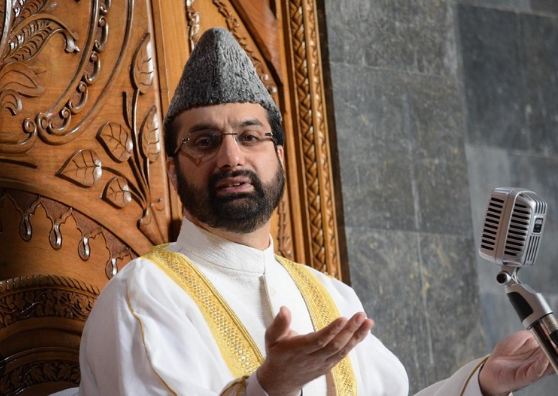
Islamabad: Mirwaiz was detained after Kashmir’s special status was revoked. Mirwaiz was allowed to lead Friday prayers in Srinagar, post-release.

He was visibly emotional as he addressed congregation at Friday prayer.

Top Hurriyat leader Mirwaiz Umar Farooq has been released from his four-year-long house arrest in Indian Illegally Occupied Jammu and Kashmir (IIOJK).

This significant development follows his detention in 2019 when India revoked Kashmir’s special status, plunging the region into political turmoil.

After his release, Mirwaiz was allowed to lead Friday prayers in Srinagar, the principal city of the disputed territory.

Mirwaiz, aged 50, was visibly emotional as he addressed the congregation from the pulpit of a historic mosque in Srinagar.

His return to public life was met with tears of joy from numerous supporters who had awaited his release.

During his years of confinement, Mirwaiz played a pivotal role in orchestrating protests against Indian governance in the contested region.

His arrest coincided with India’s decision to strip Kashmir of its statehood, separate constitution, and longstanding land and job protections.

The decision to release Mirwaiz was conveyed to him by senior police officials, who visited his residence and informed him of the authorities’ decision to end his house detention and permit him to attend Friday prayers at Jamia Masjid, a significant mosque in Srinagar.

This development comes shortly after the government released two other prominent religious leaders, Moulana Mushtaq Veeri and Moulana Dawoodi, from detention under the Public Safety Act, a law that allows for detentions without trial for up to six months.

While Mirwaiz’s release marks a positive step, many Kashmiri separatist leaders, several of whom remain under house arrest or in police custody, remain committed to their cause.

They demand that New Delhi recognise Kashmir as a disputed region, release political prisoners, repeal stringent emergency laws, and outline a plan for the demilitarisation of Kashmir.

Stay Connected

64FansLike
60FollowersFollow

Latest Reviews

Exchange Rates

USD - United States Dollar
EUR
1.17
GBP
1.35
AUD
0.72
CAD
0.73