Home Blog Page 1162

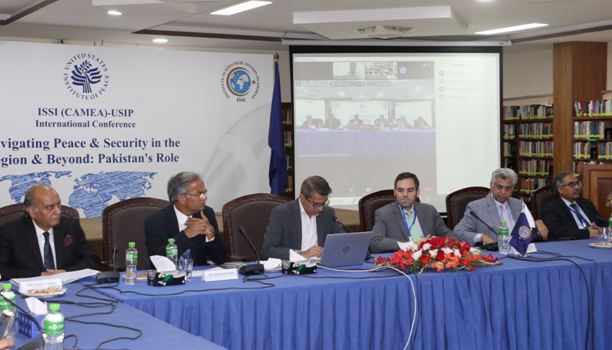
Two Day ISSI (CAMEA) – USIP International Conference “Navigating Peace & Security in the Region & Beyond”

Two Day ISSI (CAMEA) - USIP International Conference “Navigating Peace & Security in the Region & Beyond”

ISLAMABAD, OCT 6 /DNA/ – The first working session, titled, Building Sustainable Peace in Afghanistan was moderated by Amina Khan, Director CAMEA. The speakers included, Ambassador Mansoor Ahmad Khan, former Ambassador of Pakistan to Afghanistan, Ms. Nargis Nehan, Former Afghan Minister for Mines, Ambassador Omar Samad, Non Resident Senior Fellow Atlantic Council, Washington DC, Graeme Smith, Senior Consultant for Crisis Group’s Asia Program, International Crisis Group and Asfandyar Mir, Senior Expert South Asia Programs, USIP.

The speakers were of the view that economic isolation, sanctions, the Taliban`s ideological rigidity, large scale migration, and proliferation of terrorist groups are major challenges in the post-US/NATO Afghanistan. The great power competition, internal power struggles, regional fault lines, ethnic clashes, further aggravate these challenges. It was also said that peace is not only the absence of war, but also presence of development, prosperity and an open society, which are all absent in Afghanistan today.  She also said that Afghanistan’s conflict has domestic, regional and international dimension and for sustainable peace, there needs to be consensus for a political pathway.

It was agreed that Pakistan and Afghanistan, could do more on the new and old issues by negotiations, bilateral talks and cooperation. It was further said that both states have issues that bind them together more than ever and on the economic side, connectivity, transit and other topics have broader scope.

It was also emphasized that human life in Afghanistan has a greater value than politics. A really fragile equilibrium has emerged as the Afghan economy stopped shrinking. Humanitarian organizations are disappointed due to the Taliban`s refusal to compromise their heterodox vision of cultural and religious purity, especially on gender issues.  Speakers also highlighted that the issue of terrorism lies at the intersection of both internal and external challenges to peace in Afghanistan. There are concerns and anxiety in Washington and Islamabad regarding the Taliban`s growing alignment with terrorist groups, especially Al-Qaida and TTP.

The second working session titled, “Building Regional Peace: Pakistan, The Middle East and Beyond” was moderated by Hamayoun Khan, Program Advisor, Fredrich Ebert Stiftung (FES) Pakistan. Speakers of the session included Dr. Sayed Kazem Sajjad Pour, Distinguished Fellow, The Institute for Political and International Studies (IPIS), Iran,  Dr. Muhammet Kocak, Professor, Social Sciences the University of Ankara Institute for Area Studies, Turkiye, Dr. Ali Bakir, Professor, Ibn Khaldon Centre for Humanities and Social Sciences, Qatar University Doha, Dr. Wafaa Alaradi, Associate Professor, Political Science Department, Kuwait University, and Ambassador Riffat Masood, Pakistan’s Former Ambassador to Iran.

Speakers emphasized the importance of Pakistan’s engagement in managing its role amidst the changing global order. They stressed the need for Pakistan to adopt a regional approach and actively participate in regional multilateral forums and institutions to enhance its influence. The primary emphasis was on the fact that as the international system experiences substantial transformations, the interactions between regional players like Iran, Saudi Arabia, Turkiye, Pakistan, and India will not only impact the region but also the global landscape.

Furthermore, the speakers acknowledged the diverse challenges, including traditional and non-traditional security concerns that regional countries are facing. The speakers underscored the responsibility of regional powers to play a pivotal role in bringing peace to the region, with a focus on addressing longstanding issues and fostering cooperation. Additionally, they recognized the economic, environmental, and social challenges that require attention and urged governments to align their policies with the pursuit of peace while advancing national interests.

Lastly, Pakistan’s unwavering commitment to promoting peace and stability, prioritizing economic development, and fostering positive relations with neighbouring countries in the context of a rapidly changing global environment was also stressed.

The third working session titled, “Pakistan and the United States: Strengthening Bilateral Cooperation” was moderated by Hamza Ijaz, Senior Program Officer USIP, Pakistan. The speakers included Dr. Asad Majeed Khan Former Foreign Secretary of Pakistan; Michael Kugelman, Director of South Asia Institute at the Wilson Institute, Washington DC, Adam Weinstein,  Deputy Director of the Middle East Program, Quincy Institute of Responsible Statecraft, Washington DC, and Dr. Daniel Markey, Senior Advisor South Asia Programs, USIP.

The speakers elaborated upon challenges as well as strengths of US-Pakistan relations. They were of the view that, despite challenges, Islamabad-Washington ties have been resilient enough to thrive and it is due to this history that both countries have collaborated in various partnerships over the years. They underlined how the regional instability and, political and economic instability in Pakistan, could serve as a challenge in the bilateral ties. They opined that there was a gap between the strategic preoccupations of the US and Pakistan and hence a closer strategic alignment did not appear feasible at this point. However, the speakers agreed that US-Pakistan relations, though downgraded, were not in any crisis, which was a positive indicator. They argued that there was scope for enhanced cooperation in areas such as trade and investment, climate change, clean energy, educational exchanges, and people-to-people contacts. The pressure points of the relations between Washington and Islamabad included India’s positioning as a ‘net security provider’ in the ‘Indo-Pacific’ Strategy. They reiterated that there was a need to free US-Pakistan relations from the lens of third countries; India, China, Russia or Afghanistan. There was also a need for the two countries to set a new tone to the relations in this era and suggested developing a new attractive narrative of Pakistan.

BRICS expansion allows Ethiopia to deepen economic cooperation with emerging markets: Envoy

BRICS expansion allows Ethiopia to deepen economic cooperation with emerging markets: Envoy

ISLAMABAD, OCT 6 /DNA/ – Ambassador Extraordinary and Plenipotentiary of the Federal Democratic Republic of Ethiopia to Islamic Republic of Pakistan Jemal Beker Abdula has said that joining of his country to BRICS would deepen its economic cooperation with the emerging markets of the world.

Addressing a round table discussion on “Expanding BRICS and the New Alignments”, the ambassador underscored that the BRICS expansion would be instrumental in Ethiopia’s ten-year development plan, aligning with the economic reforms initiated by Ethiopian Prime Minister Dr. Abiy Ahmed.

He said Ethiopia with the second largest population in Africa, had become one of the fastest-growing economies globally, maintaining an impressive average growth rate for last several years even during the pandemic critical time.
Ambassador Jemal Beker emphasized that Ethiopia’s entry into BRICS would open new avenues for increased trade, foreign direct investment, and opportunities for technology transfer, knowledge sharing, and infrastructural development.
He highlighted Ethiopia’s commitment to diversify its exports in key sectors such as agriculture and agro-processing, manufacturing, mining, tourism, and information and communication technology (ICT).
“With the addition of new members like Saudi Arabia, Iran, and others, BRICS now represents nearly half of the global population and a quarter of the global GDP,” he said, adding this actually positioned BRICS as an economic powerhouse that could not be ignored.
He also underlined Ethiopia’s vital role in the African Union, stating that Ethiopia brings not only economic strength but also a deep understanding of regional dynamics to the group with its addition.

“As the headquarters of the African Union, Ethiopia holds significant influence over regional affairs and aims to become a hub of connectivity and manufacturing in the African continent, offering BRICS a gateway to African markets,” the ambassador remarked.
He expressed his optimism that BRICS expansion would enhance south-south cooperation, fostering sustainable socio-economic development worldwide.” Collaboration within BRICS will promote technology transfer, knowledge sharing, economic integration, environmental sustainability, and infrastructural development among member countries.”
He said Ethiopia’s inclusion in BRICS marked a significant milestone in the nation’s economic trajectory, promising increased global engagement, economic growth, and mutual development opportunities.

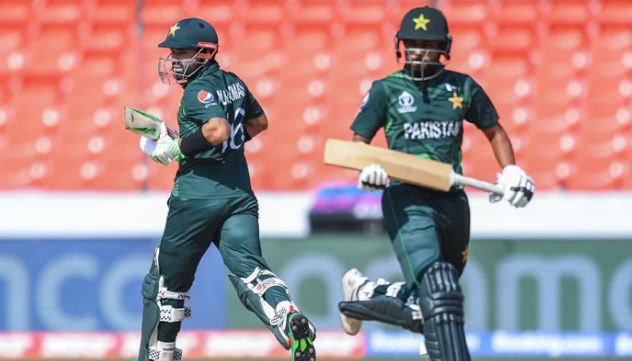
Pak vs Ned: Men in Green set 287-run target

Pak vs Ned: Men in Green set 287-run target

Pakistan set Netherlands a target of 287 runs in the second match of ICC World Cup 2023 in Hyderabad, India, on Friday.

Hyderabad: A more than 100-run partnership between Saud Shakeel and Mohammad Rizwan was broken by Netherlands Aryan Dutt to dent Pakistan’s effort to rebuild the innings following the quick dismissals of the top order after the Netherlands asked Pakistan to bat first at Rajiv Gandhi International Stadium, Hyderabad.

Top Pakistani batters Fakhar Zaman, Babar Azam and Imam-ul-Haq fell inside 10 overs with Pakistan at 38/3.

Zaman was first to get out while the Pakistani skipper also scooped one on leg side and fell cheaply at 5.

Later, Saud’s and Rizwan’s 120-run partnership took Pakistan to 162 before Netherlands Aryan Dutt dismissed Saud.

Earlier, Netherlands skipper Scott Edwards said he opted to bowl first as he believes it would be easier to bat under lights here at Rajiv Gandhi International Stadium, Hyderabad.

Edwards, while talking at the toss, said that he was hopeful of a good performance against the Green Shirts because they’ve played Pakistan a lot in recent years.

On the other hand, Pakistani skipper Babar Azam said that they will be looking to set a target between 290-300.

This is the seventh time Pakistan and the Netherlands are facing off each other in an ODI. The two sides have faced off six times in the format, their first meeting in the 1996 iteration of the ICC Men’s Cricket World Cup, and Pakistan have come out victorious on each occasion.

Pakistan toured the Netherlands last year for what was the first bilateral series between the two sides, and recorded a clean-sweep.

Pakistan have entered the 50-over World Cup as one of the favourites after an impressive run in the just-concluded World Cup cycle as they had the best win-loss ratio of 2.400 with 24 wins in 36 matches.

That the team has performed so consistently has also been because of their mainstays emerging as solid performers over the years.

Playing XI
Pakistan: Imam-ul-Haq, Fakhar Zaman, Babar Azam (c), Mohammad Rizwan (wk), Saud Shakeel, Iftikhar Ahmed, Shadab Khan, Mohammad Nawaz, Hasan Ali, Shaheen Shah Afridi, Haris Rauf

Netherlands: Vikramjit Singh, Max O’Dowd, Colin Ackermann, Bas de Leede, Teja Nidamanuru, Scott Edwards (wk, c), Saqib Zulfiqar, Logan van Beek, Roelof van der Merwe, Aryan Dutt, Paul van Meekeren

Details to follow…

Astonishing: Plans underway to construct houses on moon

Astonishing: Plans underway to construct houses on moon

The US space agency Nasa has envisioned constructing residential buildings on the moon by 2024 as it has already handed a contract of $60 million to a technology company that would be turning the plan into reality.

The residences would not only be for astronauts but for civilians as well which would be constructed after a 3D printer would be blasted off to the Earth’s natural satellite. The material for the construction would be rocks, mineral fragments and dust from the lunar surface.

Nasa has already been collaborating with several institutions and private companies to build other structures of the house such as doors, tiles and furniture.

It is a component of a long-term plan where the astronauts would be setting foot on Mars and building a residence there.

Currently, things are in the very early stages and this is subject to change over the coming years. Moreover, the US space agency has not yet revealed the cost for a civilian who wishes to stay on the moon.

The company ICON employs 3D printing for construction. The technology lays out a mixture of cement, sand and water as filament.

Every component of a home is printed one by one and then slotted together. According to reports, the printer can build properties as early as 48 hours.

The Austin-based company has been working since 2018 and till now, it has built hundreds of residences.

The attempt became popular and gained traction as it could easily form a house and according to developers, potentially end the housing crisis in the US.

Raymond Clinton deputy director of the science and technology office at Nasa’s Marshall Space Flight Center, told The New York Times that he does not see average Americans living on the lunar surface in his lifetime, but is hopefully for future generations. “I wish I would be around to see it.”

He said: “When we talk about a sustainable human presence, to me, that means that you have a lunar settlement and you have people living and working on the moon continuously. What that could be is only up to the imagination of entrepreneurs.”

The company stated that for building a house on the moon, the structure must be resistant to thermal radiation and micrometeorites.

ICON co-founder and CEO, Jason Ballard, said: “To change the space exploration paradigm from there and back again to there to stay, we’re going to need robust, resilient, and broadly capable systems that can use the local resources of the Moon and other planetary bodies.”

The planning is underway to test ICON’s printer in Nasa’s Marshall Space Flight Center in February to see how it handles the vacuum conditions and radiation levels of space. 

Fresh medical report submitted to LHC says Nawaz has residual chest pains

medical report

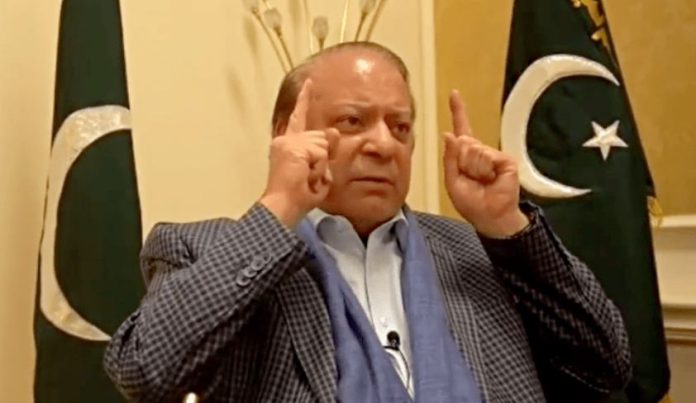
Lahore: A medical report on the health of PML-N supremo Nawaz Sharif, who is scheduled to return to Pakistan later this month after four years in self-imposed exile, was submitted to the Lahore High Court (LHC) on Friday.

The report said that the ex-premier had “some residual anginal symptoms” which would require “frequent follow-up investigations” in London and Pakistan. Angina is chest pain or discomfort that is a common symptom of coronary heart disease.

Nawaz had left for London in 2019 in the middle of his seven-year jail term on medical grounds. The LHC had allowed the ex-premier to travel abroad initially for a period of four weeks, extendable on the basis of medical reports.

His brother Shehbaz Sharif had also submitted an undertaking to “provide/send the periodical medical reports of the doctor duly notarised by the embassy to the registrar of this court”.

However, Nawaz never returned and was declared a proclaimed offender in various graft cases.

The development comes ahead of Nawaz’s planned return to Pakistan, which, according to Shehbaz, is on Oct 21. Party leaders have said he will secure protective bail and then surrender to courts after attending a reception in his honour.

Lawyer Amjad Pervez submitted the fresh medical report, a copy of which is available with Dawn.com, to the LHC registrar on Friday.

The report was signed by Professor Carlo Di Mario, a consultant cardiologist at the Royal Brompton & Harefield Hospitals, part of Guy’s and St Thomas’ National Health Service Foundation Trust.

Mario said that he had previously followed Nawaz — who had previously undergone coronary artery bypass grafting, multiple angioplasties and ablations — throughout his stay in London.

“We first tried medical treatment, strengthening his antianginal therapy. His persistent anginal symptoms and restrictions imposed by the Covid-19 epidemic precluded a safe return of (Nawaz) to Pakistan,” he said.

The cardiologist said that when Nawaz’s symptoms “worsened”, another angioplasty was conducted in November 2022 which targeted an “occluded left circumflexed artery”.

“It required rotational atherectomy, intravascular lithotripsy, multiple stents deployed and expanded under IVUS (Intravascular ultrasound) guidance.

“(Nawaz) Sharif still has some residual anginal symptoms due to diffuse distal coronary disease in a patient with diabetes and multiple other comorbidities that would required frequent follow-up investigations both in London and Pakistan,” he said.

PTCL ‘SHOQ’ to stream ICC Cricket World Cup 2023 with Ad Free Experience

PTCL

Islamabad – Oct 6 /DNA/ – In line with its commitment to enhance user experience, PTCL is bringing advertisement-free live streaming of the upcoming ICC Cricket World Cup 2023 on its OTT platform ‘SHOQ’. Through this feature, Pakistani fans will be able to enjoy a high quality and uninterrupted viewing experience in full High Definition (HD).  

PTCL SHOQ is transforming the match viewing experience for the passionate cricket fans by bringing an uninterrupted relay of the on-ground action and commentary without ads. Viewers will also be able to watch the side action, such as field placements and exchanges between players, that takes place during the ad breaks.

The platform is available to all data users with any smartphone or data network, so that everyone can enjoy an uninterrupted ad-free cricket viewing experience on their android TVs or digital device of their choice for the first time in the country. SHOQ app is available on Google Play and App Store for mobile devices while it can also be accessed on the Web.

Users can simply download the SHOQ app or access it on the Web, subscribe to the service and start streaming. While SHOQ delivers high-quality content and streaming experience, its prices are rather affordable. Depending upon their convenience, users may choose between Daily, Weekly and Monthly Lite packages, which cost PKR 08, PKR 42 and PKR 120 respectively. Payments can be made through multiple platforms including Ufone 4G recharge, Easypaisa and Visa cards. The subscription can also be availed as part of certain Ufone 4G Data Bundles & PTCL Quadplay bundles, which delivers added convenience for PTCL and Ufone 4G customers.

Apart from the ICC Cricket World Cup 2023 matches, SHOQ provides access to a large and diverse assortment of media and entertainment content, blockbuster movies and seasons from major Hollywood studios such as Warner Bros, Paramount, and 20th Century FOX, amongst others. It also hosts one hundred most watched local and international live TV channels, Pakistani movies and originals to cater to the entertainment needs of the entire family. 

Italian Envoy, Sadiq Sanjrani discuss scope of bilateral ties

Italian Envoy

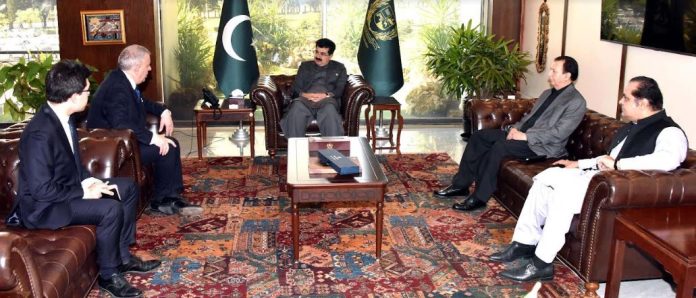
ISLAMABAD, Oct 06 (DNA): Ambassador of Italy to Pakistan Andreas Ferrarese called on Chairman Senate Muhammad Sadiq Sanjrani here at the Parliament House on Friday.

The focus of the meeting encompassed mutual interests, notably the prevailing regional dynamics and energy matters.

Chairman Senate emphasized the amicable relations between the two nations and called for further cementing bilateral ties.

He advocated for diversifying energy sources beyond conventional means, accentuating the untapped potential in solar and wind energy within Pakistan.

Sadiq Sanjrani also highlighted the expertise of energy professionals in Italy, offering collaboration to explore alternative electricity generation in Pakistan.

In light of the escalating impacts of climate change, the Chairman stressed the global imperative to shift towards clean energy generation. The meeting concluded with a shared commitment to bolster trade and economic ties between Italy and Pakistan.

Furthermore, Sanjrani extended an invitation to Italian enterprises to capitalize on the investment prospects available in Pakistan.

He specifically pointed out opportunities within the mineral sector, especially in Balochistan, which could prove favourable for Italian investors.

Pakistan accords paramount importance to its relationship with Italy and aspires to enhance cooperation across various domains, particularly economic collaboration, he stated.

The meeting culminated with a mutual agreement to fortify parliamentary relations, aimed at fostering a deeper and more robust bilateral engagement.

From Economic collapse to Economic stability

From Economic collapse to Economic stability

By Qamar Bashir

In a recent interview, on a national TV channel Mr. Shabbar Zaidi underwent a striking transformation in his views on Pakistan’s economy. Just days earlier, he had been painting a grim picture of impending economic challenges. However, in an unexpected shift, Mr. Shabbar exhibited a newfound optimism about Pakistan’s economic prospects.

Initially, Mr. Shabbar had been attributing the failure to combat smuggling and tax evasion, especially within the real estate sector, to former Army Chief General Javaid Qamar Bajwa and the corps commander of the southern command. However, he abruptly reversed course, now placing the blame for hoarding, smuggling, and tax evasion squarely on the shoulders of Members of the National Assembly (MNAs) and the political elite.

Mr. Shabbar didn’t hold back when he attributed a significant portion of Pakistan’s current economic and financial challenges, specifically around 80%, to the policies of the PML(N) government, and the rest 20% on other political parties without qualifying his sweeping statement.

A few days ago, Mr. Shabbar strongly advocated that the solution to Pakistan’s struggling economy lay in conducting free and fair elections and establishing a fully representative government. He saw this as the ultimate remedy for the financial challenges plaguing the nation. Now, Mr. Shabbar suggested that any political party assuming power in the future would likely reverse the positive measures implemented by the interim government, potentially plunging the country back into dire economic and financial straits.

This shift in his perspective added an intriguing dimension to the ongoing economic discourse. In a somewhat unconventional move, he suggested that, instead of holding elections, the country should consider forming a national government comprising patriotic, competent, and eminent individuals from all parties. However, he didn’t elaborate on the constitutional, legal, or lawful means to achieve this objective.

Earlier, he has also been emphatic about the government’s need to officially declare a technical default, a stance he has maintained consistently. However, now he took a surprisingly optimistic view regarding Pakistan’s economic and financial prospects. He declared that the positive steps taken by the current government including cracking down on hoarders and mafias, enforcing stricter border controls, imposing a 10% processing fee on Afghan transit trade, and clamping down on illegal currency dealers, have addressed many fundamental economic and financial distortions.

Interestingly, he appeared to backtrack from his prior statement, once uttered with unwavering confidence, that there were no viable solutions to the country’s present economic and financial woes. This shift in his perspective left many wondering why he had initially painted such a doomsday scenario.

It’s possible that Mr. Shabbar’s earlier assessment was based on the assumption that the establishment would maintain its existing posture, effectively supporting the status quo regarding issues such as smuggling, illegal arms dealing, and influential mafias.

However, to the surprise of not only Mr. Shabbar but perhaps the entire nation, a new era seems to be dawning in Pakistan, a departure from the established norms and a potential shift towards addressing these long standing issues head on.

The leadership at the helm has showcased an unwavering resolve and a determination as unyielding as solid steel. Their resounding proclamation echoes clearly: “There is no choice but to rise.” In a fearless and unequivocal message to the public, they have issued a stern warning: Anyone found engaged in illegal, unlawful, anti-state, criminal activities, or corruption, regardless of their stature, whether they hold the rank of a general, brigadier, colonel, or occupy high-ranking bureaucratic positions, or even if they are at the helm of the most influential mafias, politicians, real estate magnates, business titans, or foreign actors, will be met with the full force of the state’s power, without exception or bias.

This unequivocal message seemed to be more than sufficient to instill discipline and order throughout the ranks. In response, the authorities conducted a relentless crackdown on water hydrants, which had been draining the lifeblood of the nation. Their facilities were dismantled, and their tankers confiscated.

They carried out unrelenting operations against electricity theft, disconnecting illicit connections, confiscating meters, imposing hefty fines, and placing offenders behind bars. This demonstrated an unwavering commitment to restoring law and order in the country.

The authorities have successfully identified all foreign nationals who were engaging in thriving illegal and legal businesses while fraudulently acquiring Pakistani National Identity Cards (NICs). Many of these individuals were leading comfortable lives even without proper documentation. They have been given a month to vacate the country.

In a decisive move, the government cracked down on powerful foreign currency dealers who were shamelessly, ruthlessly, and criminally depleting the nation’s financial resources. These dealers were either selling Pakistan’s precious foreign currency reserves to foreigners or to those who had amassed ill-gotten wealth for hoarding, all under the impunity and protection of influential mafias. They have been apprehended, their ill-gotten and illicit currencies confiscated, and their businesses shuttered, ensuring that they can no longer operate with impunity.

Since our inception, we’ve witnessed a disheartening pattern: Over 80% of the Afghan Transit trade, once it reached Afghanistan, was illicitly funneled back into Pakistan. This nefarious operation occurred under the collusion and protection of law enforcement agencies. It inflicted grievous wounds upon our economy, decimating the local industry due to the influx of foreign, inexpensive, and substandard goods. Additionally, it deprived the national exchequer of crucial taxes and duties.

What is even more alarming is that this detrimental practice continued for decades, despite a clear understanding of its adverse consequences, with successive governments, politicians, establishments, and law enforcement agencies choosing to turn a blind eye to the issue.

They all were busy accumulating unimaginable wealth by letting this deplorable practice continue unabated, benefiting the Afghans and Afghan government and inflicting infectious and incurable wounds to the country’s economy and its financial wellbeing.

The Afghan government and its people, who were the primary beneficiaries of this deplorable illegal process, became increasingly audacious and confident. They believed that this practice would persist due to perceived political obligations, a notion that was, unfortunately, validated by Pakistan’s historical appeasement policy toward Afghanistan. Despite being fully aware of the severe harm it caused to Pakistan’s interests, successive governments and establishments pursued this policy.

This complacency reached a point where it threatened the very existence of Pakistan. Afghanistan not only provided shelter to secessionists, separatists, and rebels from within Pakistan but also offered safe havens to groups like the TTP and Baloch insurgents. To date, they continue to refuse to take action against these elements and even enable them to launch terrorist attacks from Afghan soil into Pakistan. These attacks have resulted in the loss of numerous innocent lives, including law enforcement personnel, all with complete impunity.

When pressed to take measures against criminals and terrorists operating from its territory, Afghanistan not only sidestepped responsibility but also shifted the blame onto the government of Pakistan and its law enforcement agencies. They accused Pakistan of complacency and taunted them, insinuating an inability to control and restrain their own citizens, deflecting responsibility for addressing the pressing security concerns emanating from their soil.

Their audacity reached such levels that they even cultivated Afghans who had found shelter, sustenance, clothing, and business opportunities in Pakistan, turning them into facilitators, abettors, and accomplices for launching terrorist attacks within Pakistan. They seemed confident that Pakistan’s government, in an attempt to maintain favorable relations with the United Nations and adhere to its appeasement policy toward the Afghan government, would continue to turn a blind eye.

However, what they didn’t anticipate was the transformation in Pakistan’s stance. Under the leadership of the resolute Army Chief and a government determined to prioritize national interests above all else, Pakistan has adopted a different mindset. It is now prepared to take decisive steps in its own national interest, without hesitation, fear, favor, or discrimination, and without showing mercy when required.

As someone who has witnessed numerous governments and establishments not only turning a blind eye to but also benefiting from a wide range of illegal activities and processes, including the Afghan transit trade, smuggling of petroleum products, goods, and foodstuffs from Iran, as well as the hoarding and smuggling of essential commodities such as wheat, sugar, oil, fertilizer, cement, and more to various countries, including those in Central Asia, it was disheartening.

The export of wheat and sugar when it was urgently needed domestically, followed by their expensive import, often accompanied by substantial government subsidies, reflects a troubling pattern. This, coupled with rampant corruption, widespread gas, water, and electricity theft, and the unchecked looting of state resources with impunity, paints a stark picture of the challenges Pakistan has faced in combating these longstanding issues.

The recent actions taken by the interim government and establishment are like a melodious tune to our ears. For a long time, we yearned to witness strong actions against these criminals. The failure of successive governments to address these issues had caused us countless sleepless nights and drained away much of our hope for progress and development, especially when we saw neighboring nations and countries worldwide advancing steadily.

Deep down, we always believed in the resilience of our nation and the strength of our institutions. We knew that we could achieve great things, provided we had the determination and will to do so. Thankfully, the current administration has demonstrated this much-needed resolve and commitment. We have begun to witness a shift in the right direction, a change that even someone like Mr. Shabbar Zaidi, known for his doomsday scenarios, has applauded as life-saving measures taken by the interim government.

By Qamar Bashir

Former Press Secretary to the President

Former MD, SRBC,

Former Minister Press, Embassy of Pakistan to France

Experts emphasize support for farmers at peanut festival

Experts emphasize support for farmers at peanut festival

QAZI SHOAIB KHAN

ATTOCK, OCT 6 /DNA/ – The agricultural experts of Peanut Research Institute Attock and prominent  land loards  of inter provincial bordering district Attock while sharing their experiences to mark the  National Peanut Festival also showcased innovative and value-added products, including agricultural implements, olive jams, olive pickles, olive oil, peanut oil, peanut butter, peanut sweets, and peanut milk.

The distinguished speakers  of the national peanut festival  Attock have  also pledged to enhance the products by adopting advanced peanut farming practices as its current production stands at a modest 8 to 25 mounds per acre that can yield up to 50 mounds per acre. They said  the progressive farmers across different regions are already achieving impressive yields ranging from 35 to 40 mounds per acre. The National Peanut Festival, marked a significant event that highlighted the salient features of the production of  peanut in Attock.  

The speakers at an event in connection with World Peanut Day said the country’s cash crop peanut, often referred to as the ‘golden kernel,’ has emerged as a crop of immense promise in Pakistan. The golden kernel has huge economic potential to boost country’s foreign exchange reserves through collaborative efforts and innovations to enhance crop yield, they said. The experts highlighted at the 8th Annual National Peanut Festival in Attock that the agricultural revolution has the potential to inject billions of Dollars into Pakistan’s economy, marking a significant development.

The 8th Annual ‘National Peanut Festival’ Held in Collaboration with Agri Tourism Development Corporation of Pakistan Showcases the Impact of Festivals on Individual and Social Identity, a news release said. While its current production stands at a modest 8 to 25 mounds per acre, the Peanut Research Institute Attock has endorsed advanced peanut farming practices that can yield up to 50 mounds per acre.

Progressive farmers across different regions are already achieving impressive yields ranging from 35 to 40 maunds per acre. The National Peanut Festival, marked a significant event that highlighted the profound influence of festivals on the individual and social identity of the people involved, as well as the regions from which they hail.

The event was organized with leading collaboration of Ghazi Brotha Taraqeeati Idara-GBTI and other partners including Agri Tourism Development Corporation of Pakistan, Groundnuts Research Station Attock, Barani Agriculture Research Institute (BARI), and National Rural Support Program (NRSP). This festival not only celebrated the cultural significance of peanuts but also served as a platform for knowledge exchange and the dissemination of successful farming practices.

The speakers and participants at the festival included former Federal secretary and director GBTI board Sardar Hamid Ali Khan who emphasized the significance of aiding farmers with subsidies, advanced agricultural machinery, and high-quality seeds, which would serve as a cornerstone for strengthening the nation’s economy. Among other prominent speakers were Ahsan Khan, Malik Ijaz (progressive farmers), Manzoor Hussain (Principal Scientist at the Groundnut Research Station), Tariq Tanveer (CEO of Agri-Tourism), Yousaf Shah (CEO of Pak Olives), Shakeel Ahmed (Deputy Director of the District Agriculture Department Attock), Dr. Muhammad Zafar Iqbal (Ex DG/Director Olive), Malik Riazuddin (Member of the District Council), Ms. Sara Mehmood (Gandhara Resource Center Pakistan), M. Ashraf Sumrah (Director-BARI), Mian Ziaddin (Ex-Director), Imran Sabri (Head of Commercialization at NARC), Malik Fateh Khan (CEO of GBTI), and Syed Asif Shah (Chairman of GBTI and Guest of Honor).

These distinguished individuals not only shared their experiences but also showcased innovative and value-added products, including agricultural implements, olive jams, olive pickles, olive oil, peanut oil, peanut butter, peanut sweets, and peanut milk. CEO of Ghazi Brotha Taraqeeati Idara (GBTI), Malik Fateh Khan expressed gratitude for the organization’s work with underprivileged communities, highlighting their role in community development through social mobilization.

GBTI, on behalf of all stakeholders, acknowledged the meaningful participation of Rao Atif Raza, DC-Attock, who served as the Chief Guest at the festival. Mr. Raza not only honored the event but also pledged to work closely with farmers to address marketing-related issues concerning groundnuts.

He also promised to promote local products through women entrepreneurs, thus contributing to the economic growth of Pakistan. The festival concluded on a high note, with certificates distribution among active participants and stallholders by Rao Atif Raza, DC Attock, marking the successful culmination of this year’s National Peanut Festival.

QAZI SHOAIB KHAN, BUREAU CHIEF ATTOCK

Chicago’s 104-year-old woman sets new skydiving record

Chicago's 104-year-old woman sets new skydiving record

Is age truly just a number? This Chicago woman proves it at such an advanced age. The remarkable story of Dorothy Hoffner, a 104-year-old resident of Chicago, provides a resounding answer as she defies expectations and aims to secure a spot in the record books as the world’s oldest skydiver.

Dorothy achieved the unthinkable by embarking on a tandem skydive, leaving her walker firmly on the ground this Sunday, at Skydive Chicago in Ottawa, Illinois.

As she landed gracefully, the cheers from the crowd echoed her sentiment, “Age is just a number.”

Having previously taken the plunge at the age of 100, Hoffner displayed an unwavering spirit this time around. With the assistance of her dedicated instructor, she ascended the steps to the plane, exclaiming, “Let’s go, let’s go, Geronimo!”

Her exhilarating seven-minute journey saw her lead the jump from a jaw-dropping 13,500 feet, executing a perfect forward roll in the sky before gracefully descending to the ground.

Skydive Chicago is now diligently working to secure Guinness World Records certification for Hoffner’s remarkable feat.

The current record, held by Sweden’s Linnéa Ingegärd Larsson, was achieved at the age of 103 in May 2022, but Hoffner’s incredible accomplishment is poised to rewrite history.

However, the adventure doesn’t stop here for Hoffner, who is set to celebrate her 105th birthday in December. She has her sights set on yet another challenge – a hot air balloon ride. “I’ve never been in one of those,” she said with a twinkle in her eye.

Stay Connected

64FansLike
60FollowersFollow

Latest Reviews

Exchange Rates

USD - United States Dollar
EUR
1.17
GBP
1.35
AUD
0.72
CAD
0.73