Situation at borders won’t impact elections: PM Kakar
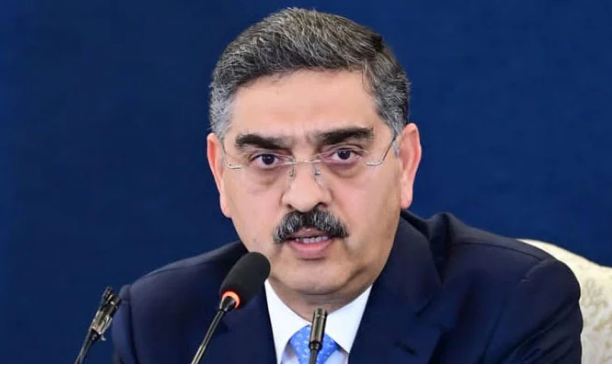
ISLAMABAD, NOV 27 /DNA/ – Following his visit to the United Arab Emirates, Prime Minister Anwaar ul Haq Kakar will embark on a bilateral visit to the State of Kuwait on 28-29 November 2023.
During the visit, the Prime Minster will meet Sheikh Meshal Al Jaber Al Sabah, Crown Prince of State of Kuwait and His Highness Sheikh Ahmed Nawaf Al Ahmed AL Sabah, Prime Minister of the State of Kuwait.
The visit will include signing of various MoUs in the field of Manpower, Information Technology, Mineral exploration and Food Security, Energy and Defence.
Pakistan and Kuwait enjoy deep rooted and historical ties spanning over six decades. The year 2023 marks the 60th anniversary of the establishment of diplomatic relations.
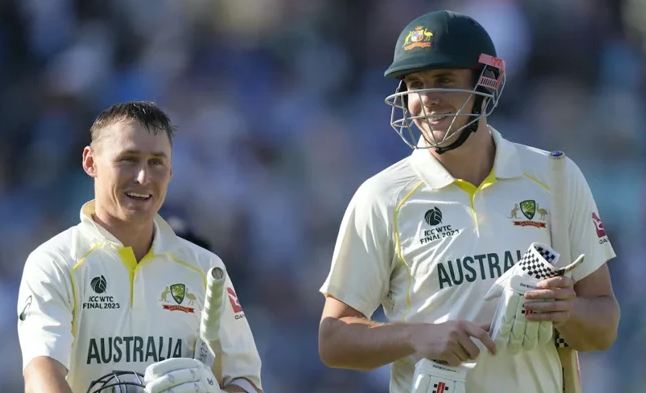
In a recent development from the Australian domestic circuit, Alex Carey, Marnus Labuschagne, and Cameron Green are set to showcase their skills in the Sheffield Shield after the recently concluded 2023 ODI World Cup.
Carey has hit a slump recently and will be keen on finding form. After scoring a half-century in the World Test Championship final against India and another crucial fifty in the triumph against England at Edgbaston, Carey’s Ashes performance saw him register scores of 8, 5, 20, 10, and 28.
“I don’t feel like one-day and Test cricket overlay,” Carey said, as quoted by ESPNcricinfo last week. “So we’ll wait and see when Test selection comes out, but I’m looking forward to getting out there Tuesday and having a hit with the red ball for the Redbacks and then see what happens.
“You never want to get dropped in any format, and unfortunately after the first game, I didn’t get back out there, but I thought I held myself around the group pretty well.”
Green, who was omitted from the final Ashes game, encounters stiff competition for a Test position but stays hopeful about ongoing improvement.
“I’m obviously still learning as a cricketer. So I’m not too stressed about selection at the moment about selection at the moment. There’s a lot of cricket, a lot of things can happen with injuries or form.
“At the same time, I can use it as in a pretty positive way. I can spend more time in the nets, really trying to get that rhythm of red-ball cricket. If you’re not playing the Test match, you might be able to play another Shield game.
“There are obviously a few silver linings you can take out of it and try and improve your skills and just be better for it if you get the chance.”
Labuschagne is poised to refine his skills through red-ball practice in preparation for the upcoming Tests, while Nathan Lyon is preparing for a domestic appearance after a controlled comeback from injury.
Currently, veteran David Warner is taking a rest before what might be his last Test series. Meanwhile, Steven Smith and Travis Head are actively involved in their T20I series in India.
Pakistan vs Australia schedule
Four-day match: PM’s XI vs Pakistan – December 6-9: Manuka Oval, Canberra
1st Test – Australia vs Pakistan – December 14-18: Perth Stadium
2nd Test – Australia vs Pakistan – December 26-30: Melbourne Cricket Ground (MCG)
3rd Test – Australia vs Pakistan – January 3-7: Sydney Cricket Ground (SCG)
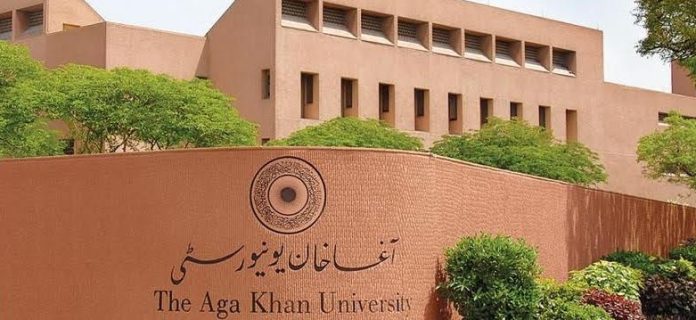
Karachi: The Aga Khan University, in partnership with the Institute for Global Health and Development at Aga Khan University (IGHD-AKU), Sustainable Solutions Development Network Pakistan (SDSN-PK), and the Aga Khan Development Network (AKDN), hosted an annual conference titled “Climate Change, Health, and Environment: Opportunities for Change”. The event brought together visionaries and thought leaders from all over the world to serve as a shining example in the fields of environmental studies, health and climate change.
Highlighting the significance of the conference, Dr Zulfiqar Bhutta, Director at IGHD-AKU said, “For young people in the world, particularly students, trainees, those who have decades to go still, this is probably the most important issue in global health as it relates to their future.”
Distinguished speakers and luminaries, including Dr Sanjay Wijesekera, Regional Director for UNICEF Regional Office for South Asia (ROSA), Dr Maureen Lichtveld, Dean, School of Public Health, University of Pittsburgh, USA, and Dr Jill Baumgartner from McGill University, Montreal, graced the event with their insights and expertise.Dr Sanjay Wijesekera, in a thought-provoking keynote address, underscored the urgency of addressing climate change issues, stating, “By 2050, nearly 6 billion people are predicted to be directly affected by climate change, we must build a climate resilient and environmentally sustainable health system to protect children and their families against public health emergencies and health risks.”
Echoing his sentiments, Dr Jai Das, Assistant Director IGHD-AKU,said, “The impact of climate change on environmental degradation and human health is profound, and it has been recognized as an existential threat to humanity.”
Participants engaged in insightful discussions, sharing innovative solutions and research findings that contribute to the evolving discourse on climate change, health, and environmental sustainability. The exchange of knowledge and ideas promises to catalyze positive change and inform future initiatives in these crucial areas.
Dr SulaimanShahubuddin, President of the Aga Khan University said, “Climate change is a problem like no other. It’s the proverbial problem that seems impossible to solve. This conference signifies our commitment to be at the forefront of addressing the pandemic of climate change. It underscores the pivotal role of academic and research institutions in forging sustainable solutions for our global community. Together, we can pave the way for transformative solutions.”
The conference at the Aga Khan University stands as a testament to the power of collective action and collaboration in confronting the most pressing issues of our time.
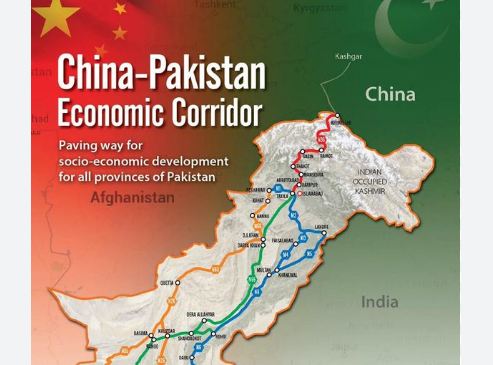
I received a call with an invitation to join a round table conference (RTC) titled “New stage of high quality CPEC development” in a local hotel in Lahore. The phrase was attractive so I decided to join and comprehend new stage for CPEC. I had quite a few questions for the speakers especially the chief guest the Consul General of China at Lahore.
But I chose to hold my queries because as the discussion unfolded, I found the CPEC surrounded in numerous mysteries even after ten years to the inception of the project. The very first speaker was a provincial caretaker minister for health, for him CPEC could deliver the best of health services, he urged both countries to get benefit from expertise of each other in the areas their respective expertise.
He gave some examples of specialized health facilities in both countries having potential for the counterparts to get benefit out of those healthcare providers. He also emphasized on faculty exchange programs to learn from the experience of each other. There is absolutely no harm in establishing such exchange programs rather it is a natural outcome of any program of this scale between two nations. However, the fundamental purpose of CPEC is to strengthen economic dimensions of the country.
Despite having health portfolio, I was expecting from the speaker to give insight from the vision of the sitting government to get maximum benefit from the mega economic project. He then left immediately after his speech with the excuse of an important official engagement, which also suggests how important the CPEC is for the existing power corridor.
Mr. Li Chen the CEO of Orange Line Metro Train (OLMT), thoroughly explained achievements of his organization in terms of serving passengers which currently remain around two hundred thousand per day. When he was explaining the details of number of jobs created by the project (around seven thousand) and number of indigenous industries (around fifty) developed to supply spare parts to the Orange Line Metro Train, it seemed that probably he is defending his position through these figures due to extensive pressure on sustainability of the project.
On one hand there is continuous debate on the subsidy extended to the OLMT by the government on the other there is lack of considerations by the government for viable solutions to reduce the gap between the income and the expenditure of the project. Despite environmental attractiveness and convenience for millions of commuters, fact remains that long-term success of any project depends on sustainable operations. One of the important concerns remains that still OMLT operates less than its capacity. Second apprehension is the rationalization of the fare and third is the commercialization of stations. These are certain opportunities to reduce the gap to ensure more revenue from existing infrastructure.
A chief executive officer of a renowned private organization was also among the speakers. His enthusiasm about the potential of CPEC was amazing, however, he underscored that if Chinese authorities desire to witness swift progress of the project they need to liaise directly with the vibrant private sector of Pakistan instead of operating under military umbrella which instantly distances successful private operations from coordinating with the Chinese counterparts.
It was quite a frank comment inviting decision makers to ponder upon the apprehensions of the private sector. Concerns such as these clearly indicate the trust deficit which exists among different stakeholders of the society. Initially there was hue and cry from political fronts about different routes of the Corridor. But now observing anxieties from the private sector players indicates a strong need for the inclusion of all segments of the society to make CPEC a real success.
It is a proven fact that only government to governments engagements cannot guarantee success to any collaboration without people-to-people engagements while private sector businesses are the key for grassroot alliances in bilateral initiatives. Therefore, both China and Pakistan need to develop a framework to facilitate private sectors of both countries to join hands fearlessly for potential venture determined by the market forces of demand and supply.
I think, this will bring a huge improvement in collective ownership of people of both countries for projects envisioned through different initiative under the bigger umbrella of CPEC as we are observing in the field of education through different scholarships and exchange programs across Pakistan and China where several educational institutions are taking initiatives at their own to develop ties with their counterparts in either country.
The next speaker was a retired senior officer from Pakistan Navy with expertise in maritime affairs. He nicely explained backward and forward integration for successful sea port operations. According to him building a port is half of the job done, for sustainable port it is important to have safe and reliable network of roads and efficient railway infrastructure to facilitate transportation of goods to the sea port. Then smart automation of a port without human intervention is the key for the success of any port nowadays.
The next challenge for port authorities remains maritime facilities and safety of cargo operations. It is a cycle of efficient and affective integrated operation from the land to the sea which ensures success of any seaport. Therefore, we still have to go quite a long way to make Gwadar a successful seaport.
The last speaker was the Counsel General of China in Lahore, the chief guest of the event. He shared highlights of “The Third Belt and Road Forum for International Cooperation” with representation from more than 150 countries of the world. He then started explaining his approach being representative of government and people of China. He summarized his duties as a two-pronged strategy; first, strengthening friendship between two countries and second, protection of rights of people of China. He assured his commitment to maintain and fortify already ever strong bonding between China and Pakistan as all-weather friends. He particularly emphasized to ensure that funds channelized through CPEC are utilized optimally to achieve strategic objectives of the project.
Diverse discussion in the RTC clearly indicate gap among priorities and focus at governmental and public level domains on both sides. There are clear apprehensions of Chinese side to trust their counterparts in Pakistan without military support or state guarantees which limits the potential of CPEC and hinders swift progress of the project.
Because when there is active engagement of masses in any economic or development project that extends benefits of the expansion to the common man and in return inculcates ownership of the project among people thus ensures convenient implementation of plans. On the other hand, continuous shelter of the state develops doubts about actual benefits of the project thus distances people from the policies and execution of the project. Therefore, it will be a better option to take CPEC in the public domain to eliminate current mysteries surrounding the project.
Mysteries Surrounding CPEC
Dr. Abdus Sattar Abbasi
Consultant, Pakistan Research Center, HeBei Normal University China
Associate Professor Management Sciences and Head Center of Islamic Finance
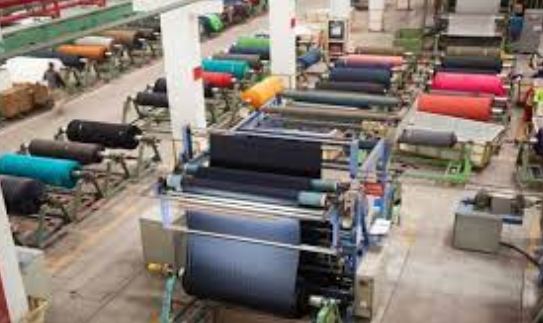
The most important production sector of Pakistan in terms of industrial production, GDP and international trade is textile sector. The textile sector produces are the most exported items of Pakistan. Textile sector in Pakistan is the largest production of Pakistan, it is considered be the 46% of the total manufacturing sector of Pakistan and generates more than 40% of the employment of the total labour force. However, for the last two decades the Textile Sector exports of Pakistan are exhibiting deteriorated performance, the decline in textile exports reveals the unsatisfactory competitive performance.
52% of the export of Pakistan are concentrated in a single value chain textile, apparel and cotton. Currently total exports of cotton, apparel and textile products values more than 18.12 billion. 18% of the total exports of Pakistan in 2022 comprises of textile products, more than 19% are apparel product and the share of cotton export has shrunk to 10% only.
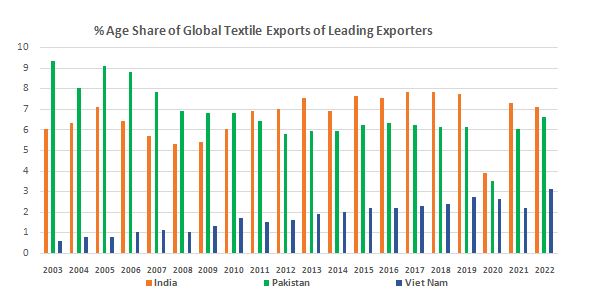
Textile exports of Pakistan in 2003 were USD 2.3 billion, that have grown to USD 5.6 billion in 2023, however the share of Pakistan is shrinking in the global exports of textile sector. In 2003 around 10% of the total global exports were made by Pakistan which has shrink to 6.6% in 2023 with a persistent falling trend. Textile exports of Viet Nam were USD 0.13 billion in 2002 and with a persistent growth rate, Viet Nam’s total textile exports have grown into USD 3.1 billion in 2021 and USD 2.1 billion in 2022. Viet Nam has successfully enhanced it share in the global textile exports, in 2003 the global share of Viet Nam’s textile exports was mere 0.6% that has increased to 3.1% in 2022.
As compared to the regional competitor, textile sector of Pakistan unfortunately couldn’t sustain its growth due to incompetencies deep rooted in inefficiencies. Industrial growth in 1970s, 1990s and 2000 did not meaningfully translated into vertical and horizontal industrial intensification of the textile sector of Pakistan. A few supply chain actors have been keeping themselves updated and this sector has failed to sustain its competitiveness; due to failure to develop a market-oriented research and development as compared to the regional competitors.
The internal setbacks in the textile sector of Pakistan includes outdated technology, lack of automation and lack of rational standardization of the wool and threads. 33% of the machinery remains idle whole year. Innovation and diversification of the production is either not existent, outdated or not at par with the standard and requirement of the international market. Textile governing institution remains ineffective. Pakistani textile sector’s market concentration remains majorly two large buyers i.e., the European Union and the United States of America.
Shortages of raw cotton, scarcity and soaring prices of the fuels and electricity, depreciating exchange rate, inefficiency and non-availability of innovation centers and research institute, fluctuating raw material prices has further worsen the export performance of textile sector of Pakistan.
Wages and production costs in China are increasing, hence there is ample scope for the Pakistani textile industry to regain its competitiveness and its share in the international market. As per an estimate by the international Growth Center around USD 1 million spent on financings on twisting and knitting raises export by USD 0.27 million, and in Pakistan approximately 50,000 kegs filament of cotton generates employment opportunities for 400 people.
Pakistan’s textile sector possesses immense export potential however it has failed to export even half of the total potential. Export potential of Bedlinen of Cotton (HS Code 630231) is USD 1.7 billion for Pakistan while Pakistan’s total exports of the same produce are mere USD 982 million mere 53% of the total export’s potential.
The textile sector of Pakistan has been suffering primarily due to lack of serious efforts to enhance quality standards and diversifying the export produces. Serious and targeted interventions are need to curb the high manufacturing costs due to high raw material prices and hefty levies on import of cotton fibers. The subsidies scheme administered are often ill planned and lacks a proper framework based on achievable milestones aimed at enhancing production, marketing and export efficiencies.
Due to non-existence of a vibrant and robust supply value chain, adequate research and development center, and conducive environment, Pakistan has been unable to value add its cotton and untap the true export potential. Leveraging the China Pakistan Economic Corridor and entering into joint ventures and partnerships with Chinese counterparts may bring noticeable improvements. Human capacity development, enterprise capacity development should be prioritized to introduce new technologies, trend and evolution of new practices of processing, producing and exporting high-end products.
The writer is Director Research and Development at SAARC CCI.
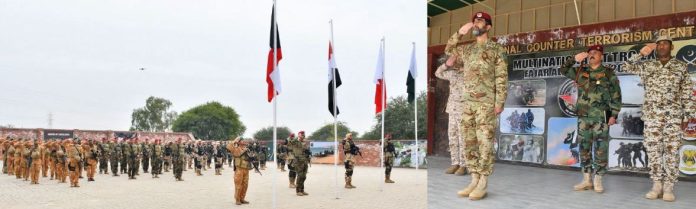
RAWALPINDI, NOV 27 /DNA/ – Two weeks long multinational joint counter terrorism exercise Fajar Al Sharq-V was conducted at National Counter Terrorism Centre, Pabbi with participation of Special Forces contingents from the brotherly countries.
Exercise Fajar Al Sharq-V is a multinational joint exercise in Counter Terrorism domain among the Special Forces of Pakistan, Bahrain, Iraq and Kuwait.
The exercise is aimed at nurturing of joint employment and interoperability besides, harnessing the historic military to military relations among the brotherly countries.
The member countries have displayed zeal and enthusiasm for benefiting from each other’s’ expertise/ experience.
GAZA, NOV 27: The truce between Israel and Hamas entered its final 24 hours Monday, with the Palestinian resistance group saying it was willing to extend the pause after it freed more hostages.
The pause that began Friday has seen dozens of captives freed, with over 100 Palestinian prisoners released by Israel in return.
Attention now has turned to whether the truce will be extended before its scheduled end early on Tuesday morning.
“That’s my goal, that’s our goal, to keep this pause going beyond tomorrow so that we can continue to see more hostages come out and surge more humanitarian relief into those in need in Gaza,” US President Joe Biden said Sunday.
He said he would like the fighting to be paused for “as long as prisoners keep coming out.”
“I get a sense that all the players in the region are looking for a way to end this so the hostages are all released and… Hamas is completely no longer in control of Gaza.”
Hamas has signalled its willingness to extend the truce, with a source telling AFP the group told mediators they were open to prolonging it by “two to four days”.
“The resistance believes it is possible to ensure the release of 20 to 40 Israeli prisoners” in that time, the source close to the movement said.
Under the truce, 50 captives held by the freedom fighters were to be freed over four days in exchange for 150 Palestinian prisoners. A built-in mechanism extends it if at least 10 Israeli captives are released each extra day.
One potential complicating factor is the fact that some captives are believed to be held by groups other than Hamas.
Israel faces enormous pressure from the families of hostages, as well as allies, to extend the truce to secure more releases.
“It would be good, helpful and necessary” to extend the truce until all hostages, who include French nationals, are freed, French Foreign Minister Catherine Colonna told BFMTV on Sunday.
Three successive days of hostage releases have buoyed spirits in Israel.
Following the October 7 raid, Israel launched a brutal and relentless military campaign to destroy Hamas, killing nearly 15,000 Palestinians, mostly civilians and including thousands of children.
The third group of hostages released Sunday included a four-year-old American citizen called Abigail.
“What a joy to see her with us. But on the other hand, what a pity that she returns to the reality of not having parents,” Israeli Prime Minister Benjamin Netanyahu said.
“She has no parents, but she has a whole nation that embraces her,” he added.
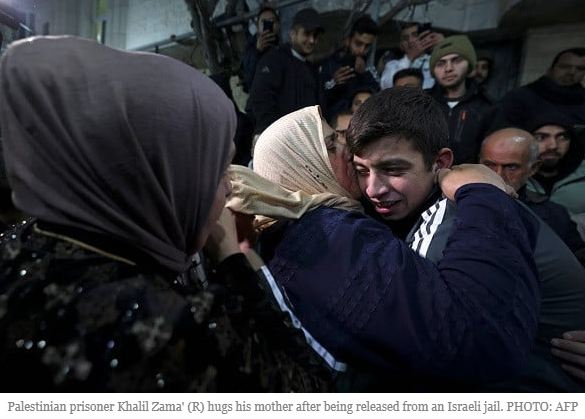
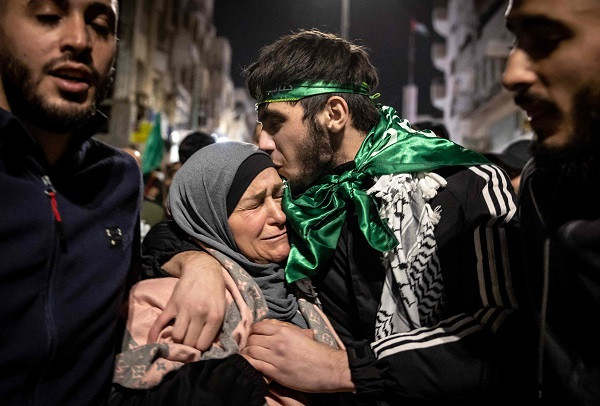
Thirteen captives were freed under the terms of the truce on Sunday in exchange for 39 Palestinian prisoners, who have been received by rapturous crowds waving Palestinian and Hamas flags.
A Palestinian prisoner hugs his mother after being released from an Israeli jail. PHOTO: AFP
Hamas separately freed three Thai nationals and a Russian-Israeli citizen, Ron Krivoy, who the group said was released “in response to the efforts of Russian President Vladimir Putin” and his “support of the Palestinian cause”.
Israel has faced mounting pressure to extend the pause mediated by Qatar, the United States and Egypt, though its leaders have been keen to dismiss any suggestions of a lasting halt to the offensive.
“We continue until the end — until victory,” Netanyahu said in Gaza on Sunday, on the first visit by an Israeli premier since 2005.
His office has proposed a war budget of 30 billion shekels ($8 billion) for 90 days.
Wearing green military fatigues and surrounded by soldiers, Netanyahu vowed to free all the hostages and “eliminate Hamas”, in footage posted online by his office.
“Nothing will stop us, and we are convinced that we have the power, the strength, the will and the determination to achieve all the war’s goals,” he said.
Elsewhere in Gaza, residents picked through heaps of rubble where homes once stood searching for belongings after weeks of bombardment.
“I came to see if there was anything left, if there was anything I could salvage. We fled with nothing,” said Ous sama al Bass, inspecting the ruins of his home in Al-Zahra, south of Gaza City.
“Everything is lost,” he said. “We’re tired. That’s enough. We can’t take it anymore.”
On the outskirts of Gaza City, families took to the road on foot to head south, pushing luggage and relatives in wheelchairs, and carrying children in their arms.
Israel has told Palestinians in Gaza to leave the north for the relative safety of the south, but it has now sent text messages to those in the southern city of Khan Yunis warning it knows hostages are being held there.
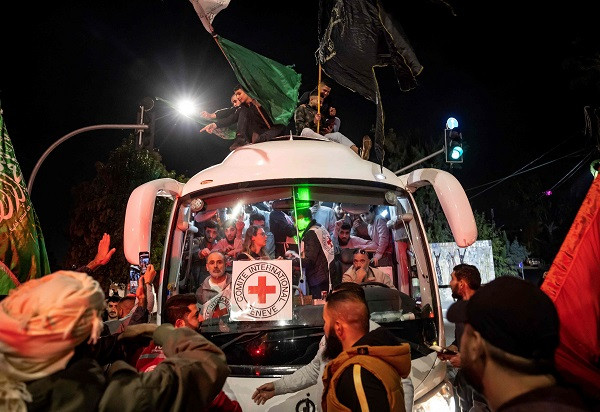
A crowd surrounds a Red Cross bus carrying Palestinian prisoners released from Israeli jails. PHOTO: AFP
“The army will neutralise anyone who has kidnapped hostages,” the message said. The UN estimates that 1.7 million of Gaza’s 2.4 million people have been displaced by the fighting.
The pause in fighting has allowed more aid to reach Palestinians struggling to survive with shortages of water and other essentials.
But Adnan Abu Hansa, a spokesman for the UN agency for Palestinian refugees (UNRWA), warned of “unprecedented” humanitarian needs.
“We should send 200 lorries a day continuously for at least two months,” he said.
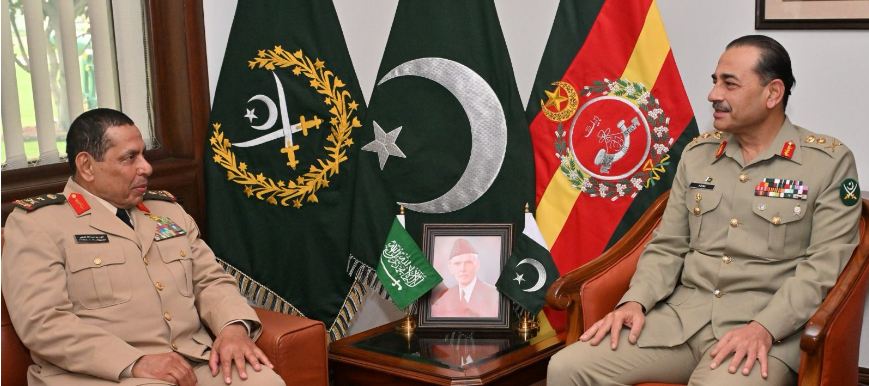
ISLAMABAD, NOV 27 /DNA/ – Lieutenant General Fahd bin Abdullah Al-Mutair, Commander of the Royal Saudi Land Forces (RSLF) called on General Syed Asim Munir, NI (M), Chief of Army Staff (COAS) at GHQ, today.
During the meeting, both sides discussed various areas of mutual interest including cooperation in the fields of defence, security, military training as well as regional situation and the ongoing conflict in Middle East.
Visiting dignitary appreciated Pakistan Army’s role in fighting the menace of terrorism and paid rich tribute to the sacrifices made in bringing peace to the region.
COAS thanked the dignitary and said that, “Pakistan deeply values its strategic and brotherly ties with the Kingdom of Saudia Arabia.”
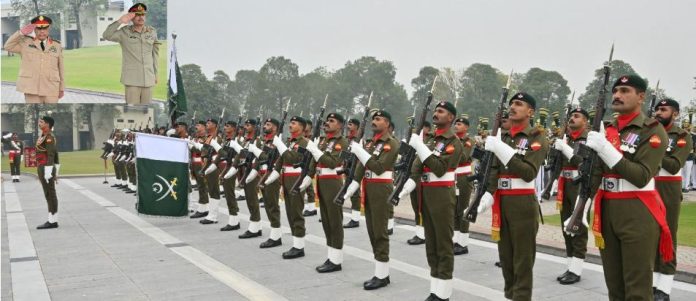
Earlier on arrival at GHQ, a smartly turned out contingent of Pakistan Army presented the guard of honour to the visiting dignitary.
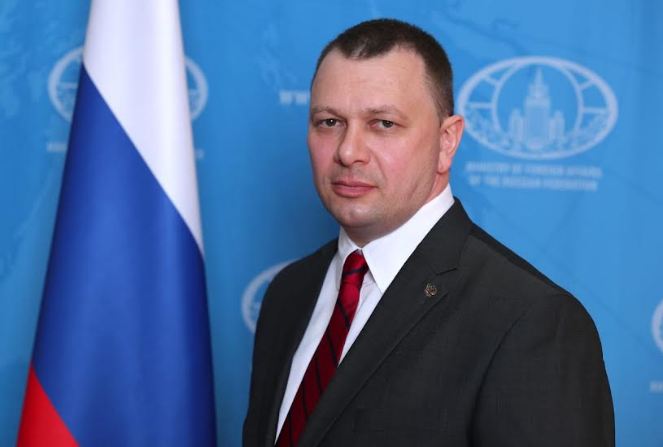
I would like to convey my sincerest appreciation for all your support in making Russia-Pakistan relations more productive and mutually beneficial than ever! With your help, we have managed to elevate them on a completely different level.
Many great results have been achieved this year. They include mutual visits of high-level delegations, productive trade negotiations and, of course, the start of the supply of crude oil from Russia to Pakistan. We also launched some extremely successful ventures in the field of transport and logistics. To name a few, a direct shipping line from Saint-Petersburg and Vladivostok to Karachi was established by Pak Shaheen company in collaboration with Neco Line in May, and the two-way trucking line between Pakistan and Russia started operating this June. Such breakthrough was foreshadowed by the Russian President Vladimir Putin during his address to the Federal Assembly this February. In particular, Pakistan was one of the few countries mentioned by him in the context of developing bilateral partnerships. Our leader set the tone for a particularly fruitful cooperation, and lots of great initiatives have been implemented this year so far!
The aforementioned achievements concurred with the 75th anniversary of the establishment of the diplomatic relations between our countries. Taking this opportunity, I would like to express my gratitude for the Pakistani friends who have always held a very sensible position toward the Soviet Union and Russia despite all the geopolitical perturbations and bloc politics. As a reflection of such wisdom and reasonableness, such mega projects as Pakistan Steel Mill and Guddu Thermal Power Station were concluded in 1980-s, even though the relations at that time between our countries were marred by the situation in Afghanistan. This milestone was also celebrated during the Reception on the occasion of the People’s Unity Day organized on the 3rd of November. The event was marked by the presence of the most distinguished guests from Karachi: Governor of Sindh Kamran Tessori, the Chief Minister of Sindh Justice (R) Maqbool Baqar and the Speaker of the Provincial Assembly Agha Siraj Durrani. The main attraction of the evening was the traditional dance troop from Northern Caucasus, and their performance was an extremely unique and magnificent experience for all the honourable guests!
Despite such significant progress, which has been achieved this year so far, we still have a lot of untapped potential in the wide range of fields. Today’s Pakistan is a responsible country with a very young and diverse population. It is a key player in the international arena, an important voice in the Islamic World and an emerging economic power. Which is why it is very important for Russia to maintain mutually beneficial partnership and contribute to the sustainable growth of Pakistan. We are committed to further strengthen the cooperation in the wide range of spheres. Among them are energy, trade and economic partnership, anti-terrorism activities, information technology, medical and pharmaceutical industry, culture and education. Russia is also eager to solidify strong relations with Pakistan in various multilateral formats, such as Shanghai Cooperation Organization, as both our countries stick to the principle of the supremacy of the international law instead of some arbitrary “rules”. Thus, I hope that next year will bring even more positive results and create various opportunities to develop even stronger ties between our nations!
BEVERLY HILLS, CA – In the dynamic world of business and technology, Cyber Boy Corp. has shown time and time again that it is the undisputed leader in innovation.
In addition to its well-known history of innovative breakthroughs, the company is now creating a paradigm shift beyond conventional revenue models.
Examining the cornerstones of Cyber Boy Corp.’s strategy, this article highlights the importance of passive income in the company’s growing business model.
Passive income generation via non-traditional means is a top priority for Cyber Boy Corp.
Seeing the opportunity for innovation in revenue generation, the organization has changed its business strategy to embrace the idea of passive income intentionally.
Increasing the diversity of income streams and laying a solid foundation for future financial security are the two main goals of this strategic shift.
The fact that Cyber Boy Corp. has branched out into print-on-demand shows how seriously it takes encouraging innovation.
All Sunsets, Creative Fabrica, and Vexels are just a few of the platforms the company has used to generate passive income.
In this model, sellers use the platform to easily create and market designs, and then third-party suppliers handle production, packaging, and delivery.
T-shirt sales are a noteworthy way Cyber Boy Corp. uses this creative strategy to generate passive money. The business uses Amazon Merch on Demand, a flexible platform that does not need an initial inventory commitment.
Designing, uploading, and selling items is all that is required in this simplified process; Amazon takes care of the details of manufacturing, shipping, and customer support.
Depending on the product category and listing price, Cyber Boy Corp. may get royalties from Amazon Merch on Demand ranging from 13% to 37%.
Incorporating passive income via print-on-demand, namely in the domain of T-shirt sales, broadens the range of revenue sources for Cyber Boy Corp.
Additionally, this integration harmoniously corresponds with the company’s fundamental business philosophy.
The unique strategy discussed herein has a multifaceted influence, including enhancing financial stability, minimising risk, and cultivating a creative atmosphere that prioritizes design and marketing. Sr. Roy Andrade, CTO, of Cyber Boy Corp. is at the forefront of pioneering novel methodologies, exemplifying a distinctive approach that provides insight into the prospective integration of passive income within company models.
The foray of Cyber Boy Corp. into generating passive income via print-on-demand demonstrates its dedication to reinventing conventional methods of generating cash.
The efficacy of strategic alliances and inventive business frameworks is shown by the triumph of T-shirt sales, which has been helped by platforms such as Amazon Merch on Demand.
This case study contributes to the framework of Cyber Boy Corp. It provides evidence of the dynamic nature of the business environment in which passive income is pivotal in establishing a sustainable and profitable future.
The progress of Cyber Boy Corp. is a creative endeavour that encompasses more than just a mere business plan.
It marks a transforming voyage towards achieving financial sustainability and fostering creativity within the dynamic and always-evolving digital realm.