Home Blog Page 1089

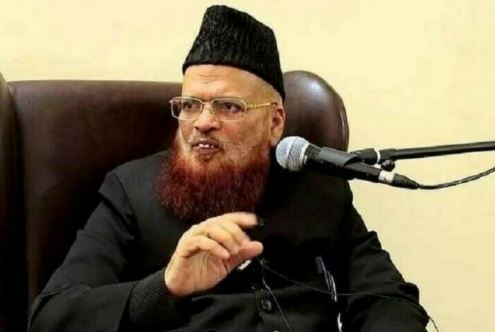
Gaza war will continue until end of Israeli occupation of Palestine: Mufti Taqi Usmani

Mufti Taqi Usmani

ISLAMABAD, DEC 06 (DNA) — Mufti Taqi Usmani has said that the Gaza war will continue until the end of the Israeli occupation of Palestine. Addressing the Ittehad Ummat Conference on Wednesday, he said that their elders had declared Israel an illegitimate child.

“We do not accept the two-state solution. We do not accept the existence of Israel from day one. We should demand an end to bombardment on Gaza, instead of demanding the ceasefire,” he declared. Mufti Taqi Usmani said that Israel is violating all moral values in Gaza. “Hamas will continue its struggle until the end of the occupation of Palestine,” he added.

Jamaat-e-Islami ameer Sirajul Haq said that ‘Jihad’ had been made mandatory after the Fatwa of Mufti Taqi Usmani. “During the last 61 days, over 20,000 Palestinians have been martyred in Gaza. Israel has dropped explosives on Gaza much more than Hiroshima and Nagasaki. Allah Almighty will not pardon us if we did not support the innocent Palestinians,” he maintained. — DNA

ISSI commits to fostering crucial dialogues on national and international concerns

ISSI commits to fostering crucial dialogues on national and international concerns

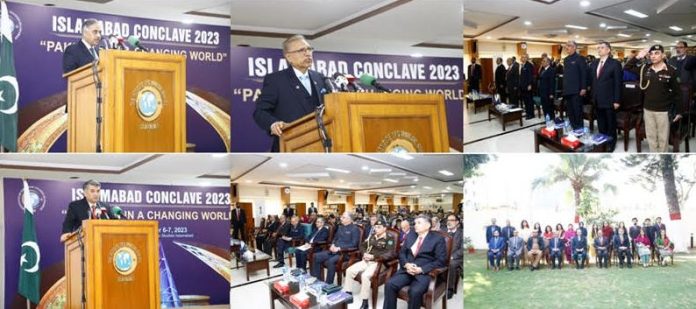
ISLAMABAD, DEC 6: (DNA) – The Islamabad Conclave 2023, organized by the Institute of Strategic Studies Islamabad (ISSI), commenced today with insightful addresses from distinguished speakers, setting the stage for comprehensive discussions on the evolving global landscape.

Chief Guest President of Islamic Republic of Pakistan Dr. Arif Alvi shared insights on Pakistan’s dynamic approach in the face of global challenges. President Alvi stressed the importance of the strategic shift to geo-economics, aligning policies with regional and systemic developments. He called for a conscious rediscovery of Pakistan’s vision amid superpower rivalries and interference from neighbouring states.

President Alvi also expressed concerns over the prevailing global scenario, citing the need for a return to principles of morality. He highlighted the appalling situation in Gaza, emphasizing the importance of justice, consistent application of international rules, and respect for rights of Palestinians. The President also called for socio-economic justice, equal opportunities, and the empowerment of women to ensure real progress.

Earlier, in his welcoming remarks, Director General ISSI Ambassador Sohail Mahmood highlighted ISSI’s role in providing research-based policy inputs and serving as a platform for dialogue on issues relating to foreign policy and national security. He emphasized the imperatives of bridging the gap between the research and policy communities and strengthening collaborations with foreign counterparts and other think tanks. ISSI, he stated, is also committed to focusing on multi-stakeholder partnerships for operationalization of ‘Pakistan’s pivot to geo-economics’, engaging closely with the next generation of International Relations scholars, and amplifying Pakistan’s soft power through impactful research.

On the theme of Islamabad Conclave 2023, Ambassador Sohail Mahmood stressed that throughout human history, change has been the only constant. He added that the speed, depth and breadth of change in the world at this particular juncture, however, is breath-taking. It has been stated that the world is in a “hinge moment” — when one era is ending, and another era is taking shape. “From war in Europe to genocide in Gaza, from deepening geo-strategic rivalries to unprecedented growth of new and emerging technologies, and from existential threat of climate change to green transition and digital transformation, the world we are living in is changing in profound ways,” he said and added that it would be unforgivable for any country to either be oblivious of this dynamic and far-reaching transformation, or remain static in its strategic outlook despite knowing about this change.

The Islamabad Conclave 2023, themed ‘Pakistan in a Changing World,’ is poised to be a significant platform for exploring the multiple layers of change and charting the way forward for Pakistan. Over the next two days, the event will feature sessions on changing regional landscapes, evolving dynamics, geopolitical challenges, the pivot to geo-economics, comprehensive security, and Pakistan’s foreign policy in an emerging world order.

Earlier, Dr. Talat Shabbir, Director of the China-Pakistan Study Centre, emphasized the Conclave’s role as a forum to propose solutions to pressing global issues. He highlighted the significance of fostering comprehensive dialogues to address challenges effectively.

The Institute of Strategic Studies Islamabad remains committed to providing a vital dialogue platform for the research and policy community, facilitating discussions on matters of national, regional, and international importance.

Kashmir’s EU Week begins in Brussels, the European headquarters

Kashmir’s EU Week begins in Brussels

DNA

Brussels, DEC 6 – Kashmir EU Week, the week long arrangement of events on Kashmir started in the European Headquarters Brussels. There was opening of a photo exhibition on Kashmir evening of yesterday, the first day of the program which will remain continued till 15th December.

A number of the people from different walks of life visited the exhibition and expressed their keen interest in the current situation in the occupied Kashmir. The events of Kashmir EU Week which is being organized by Kashmir Council Europe (KC-EU) also include conferences, seminars, discussions, a media conference and meetings at European Press Club Brussels, European parliament, and other institutions in the EU headquarters.

Talking on the opening of the photo exhibition at the EU Press Club, Chairman of KC-EU Ali Raza Syed said, beside the events at EU Press Club and EU Parliament, there would also be several meetings with the European officials, members of European parliament and representatives of civil society and human rights organizations during the Kashmir EU Week.

He explained the topics of the events would be related to history of the Kashmir dispute and the current situation of the conflict particularly human rights violations committed by the Indian occupation forces in the occupied land of Jammu and Kashmir.

Chairman Kashmir Council Europe Ali Raza Syed said, the weeklong programs of Kashmir’s EU week are being organized by Kashmir Council EU for many years and purpose of these events is to highlight the beauty of the Kashmir’s culture side by side the focusing on miseries of oppressed Kashmiris in Europe.

He expressed fear that as the world is currently focused on the tense situation in Europe (Ukraine) and the Middle East, the Modi government can take advantage of this situation to carry out some heinous act in Occupied Jammu and Kashmir. Ali Raza Syed added, under the different pretexts, India wants to maintain its illegal possession of this region for a long time. Genocide of Kashmiris, extra-judicial killings, arbitrary arrests and crude tactics like amendment of domicile laws to change the Kashmiri population ratio are part of Indian nefarious motives.

Ali Raza Syed said that many Kashmiri leaders and activists, including Yasin Malik, are currently under arrest or detention and the purpose of these actions is to suppress strong voices favoring the oppressed Kashmiris. He paid tribute to Yasin Malik and other imprisoned Kashmiri leaders and activists and called for their immediate release. He said that we salute the brave Kashmiri leaders and activists and appreciate their courage who have been struggling for the rights of Kashmiris for a long time.

He further said, as in these days people in all over the world stood against the state terrorism and atrocities on the common citizens are being condemned, we hope world would prevent Indian brutalities on the Kashmiris.

He asked the international community especially European Union to put pressure on India to immediately end crimes of Indian security forces against people of occupied Jammu and Kashmir and grant them right to self determination according the UN’s resolutions on Kashmir issue. He said, since 1947 the people of occupied Kashmir are facing endless hardships as their deprivations are being increased day by day.

It is duty of  international community including Europe Union to take immediate action in order to stop the atrocities against the people of occupied Jammu and Kashmir. So that situation of the disputed land should be normalized, and people of Jammu and Kashmir should be provided a peaceful atmosphere where they can use their right to self determination in accordance with their wishes and according to United Nations resolutions.

Israeli forces encircle Khan Yunis city in southern Gaza

Israeli forces encircle Khan Yunis city in southern Gaza

GAZA: Israeli forces were encircling southern Gaza’s main city of Khan Yunis on Wednesday, battling Hamas fighters through streets and buildings in some of the most intense combat of the two-month war.

The latest toll from Gaza’s health ministry said 16,248 people in Gaza, most of them women and children, had been killed by brutal Israeli attacks.

The focus of the conflict has shifted to the besieged territory’s south following fierce fighting and bombardment that reduced much of the north to rubble and forced nearly two million people to flee their homes.

Israeli tanks, armoured personnel carriers and bulldozers were seen on Tuesday near southern Gaza’s city of Khan Yunis, forcing already displaced civilians to pack up and flee again, witnesses told AFP.

“Our forces are now encircling the Khan Yunis area in the southern Gaza Strip,” Israel’s army chief Herzi Halevi said late Tuesday.

“We have secured many Hamas strongholds in the northern Gaza Strip, and now we are operating against its strongholds in the south,” Halevi claimed sans evidence.

The fighting on Tuesday was “the most intense day since the beginning of the ground operation” in late October, the army’s Southern Command chief Major General Yaron Finkelman said.

Israel has vowed to destroy Hamas and free 138 captives still held after scores were freed during a short-lived truce.
Several Hamas commanders were killed in an air strike near the Indonesia Hospital, the Israeli military claimed early Wednesday on X.

Sources in Hamas and Islamic Jihad, another Palestinian resistance group, told AFP their fighters were battling Israeli troops early Wednesday in a bid to prevent them from breaking into Khan Yunis and surrounding areas.

According to the Palestinian government media office, dozens of people were killed and injured in heavy strikes in areas east of Khan Yunis.

Meanwhile, areas in the central and northern Gaza Strip were still coming under bombardment, according to Hamas.

The Hamas-run health ministry said air strikes on the Nuseirat refugee camp in central Gaza killed six people and injured 14 others.

Israel had previously told civilians in the north of the densely populated Gaza Strip to seek shelter in the south of the territory, with many fleeing to Khan Yunis believing it would be safer.

As the war expands, Israel has told people to move even further south, sparking “panic, fear and anxiety”, according to Philippe Lazzarini, head of the UN agency for Palestinian refugees, UNRWA.

People were being pushed into an area that is less than one-third of the Gaza Strip, with roads to the south clogged, he said.

International aid groups have condemned the succession of orders to flee from one area to another, saying that civilians were running out of options.

“Nowhere is safe in Gaza,” said United Nations humanitarian chief Martin Griffiths.

“Not hospital, not shelters, not refugee camps. No one is safe.”

Following demands to create areas where civilians could shelter, Israel’s army published a map it said was intended to enable Gazans to “evacuate from specific places for their safety if required”.

An Israeli artillery unit operates at the border with Gaza. PHOTO: Reuters

An Israeli artillery unit operates at the border with Gaza. PHOTO: Reuters

But the UN criticised the map on Tuesday, saying it was impossible to create safe zones for civilians to flee to inside Gaza.
“The so-called safe zones… are not scientific, they are not rational, they are not possible, and I think the authorities are aware of this,” said James Elder, spokesman for the UN children’s agency UNICEF.

The violence in Gaza “now ranks amongst the worst assaults on any civilian population in our time and age”, according to the Norwegian Refugee Council, which also warned of the dire public health consequences of the approaching winter.

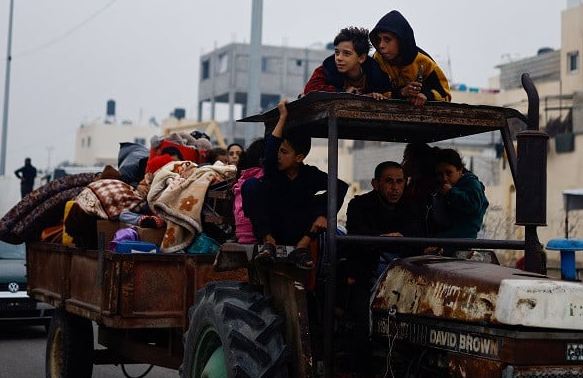
Their belongings piled onto donkey carts, battered vehicles and camels, Gazans headed south to try to escape the expanding Israeli offensive.

An estimated 1.9 million people are displaced in Gaza — roughly three-quarters of the population, according to UN figures.
In northern Gaza, the Israeli military claimed it had encircled the Jabalia refugee camp and also raided a Hamas Internal Security Forces command and control centre.

It also claimed the number of Israeli soldiers killed since the war began had risen to 82, real figures are likely much higher.

According to the Hamas-run health ministry in Gaza, several people were killed and injured in Israeli strikes on Jabalia.

The United States, Israel’s most important ally, has also ramped up calls for greater efforts to prevent civilian deaths in Gaza.

US aid chief Samantha Power announced $21 million in new assistance for Gazans during a visit to neighbouring Egypt, including for hygiene, shelter and food supplies.

Israel said this week it was not seeking to force Palestinian civilians to permanently leave their homes in the Gaza Strip, and was asking aid groups to help provide shelter in the tiny coastal area of Al-Mawasi.

Fighting in Gaza resumed after the collapse on Friday of a Qatar-mediated truce that saw scores of Israeli and other hostages released in exchange for Palestinian prisoners.

Qatar’s ruler, Sheikh Tamim bin Hamad Al-Thani, said his country was “constantly working to renew” the truce and denounced what he called “shameful” international inaction over the war.

The war has sparked fears of a wider regional conflict, with frequent exchanges of fire with Hezbollah across Israel’s border with Lebanon.

A Lebanese soldier was killed by Israeli fire on a military post near the country’s southern border Tuesday, the army said.
Israel’s army acknowledged the incident, saying in a post on X that it had targeted a Hezbollah position in an effort “to eliminate an imminent threat”.

The occupied West Bank has also seen a surge in violence.

Israeli troops raided Faraa refugee camp in the north of the territory early Wednesday, sparking clashes that killed two people, one of them aged 16, according to Palestinian news agency Wafa.

The latest deaths added to more than 250 people killed in the West Bank since October, according to Palestinian authorities.

Inclusive Approach: Uzbekistan’s constitution aligns with UN sustainable development goals

Uzbekistan's constitution aligns with UN sustainable development goals

As you know, on the initiative of the chambers of the Oliy Majlis of the Republic of Uzbekistan, the “Month of Sustainable Development Goals” is being held in our country. Within its framework, over 20 events are held – international conferences, round tables, public hearings dedicated to each of the Sustainable Development Goals adopted in Uzbekistan.

In particular, recently an international conference was held in Tashkent on the topic “Expanding the participation of civil society institutions and persons with disabilities in achieving the SDGs,” organized by the Senate and the Legislative Chamber of the Oliy Majlis of the Republic of Uzbekistan, the National Center for Human Rights, the Center for Sustainable Development, National Association of Non-Governmental Non-Profit Organizations, Institute of State and Law of the Academy of Sciences of the Republic of Uzbekistan, UN agencies, representative office of the German Society for International Cooperation (GIZ). Senators and deputies of the Legislative Chamber of the Oliy Majlis, over 250 representatives of the scientific and expert community, civil society institutions of Uzbekistan, as well as foreign experts took part in its work.

The main emphasis of the event was on consideration of issues of expanding the participation of civil institutions, citizens, especially persons with disabilities, in the implementation of the sixteen National Goals for Sustainable Development of Uzbekistan until 2030, as well as discussion of the draft resolution of the UN General Assembly “On expanding the participation of citizens and civil society in achieving the Sustainable Development Goals.”

Let us note the main findings and conclusions reached by the participants of the international forum.

First. The forum participants came to a common conclusion that the concept of development itself, primarily the concept of sustainable development, is the most important component of the philosophy of reforms in New Uzbekistan, based on the ideas of human value, dignity, rights and freedoms, as well as the new development paradigm “first man – then society – then the state.”

It was emphasized that the ideas for achieving the SDGs, based on three – social, economic and environmental pillars, are the connecting link of large-scale reforms in Uzbekistan, and run like a “red thread” through such comprehensive strategic development programs of the country as the Strategy of Action for the five priority areas of development of the Republic of Uzbekistan in 2017-2021, Development Strategy of New Uzbekistan for 2022-2026, as well as the Uzbekistan-2030 Strategy.

In particular, using specific examples, it was shown that the five directions of the Uzbekistan 2030 Strategy not only correspond to the UN Agenda 2030, but also fully cover all National goals and objectives of Uzbekistan for sustainable development. The conference participants emphasized that this Strategy and its 100 goals reflect the desire of our people to build a New Uzbekistan, creating all opportunities for every citizen to develop their own potential, raising a healthy, educated and morally mature generation, forming a strong economy, which is an important link in global production, ensuring justice and the rule of law, security and stability.

In this context, UN Resident Coordinator in Uzbekistan Consuelo W. Bruce recalled the words of UN Secretary-General A. Guterres about the scale of the goals and objectives of the Uzbekistan 2030 Strategy, and its full consonance with the SDGs, and also expressed “the readiness of the UN and all its institutions to promoting the practical implementation of this program document.” At the same time, the main principle of the Uzbekistan 2030 Strategy is “in the name of the honor and dignity of man,” as well as the idea of “Leaving no one behind.” She especially noted that the SDGs are also fully integrated into the new edition of the Constitution of Uzbekistan and other important national strategies and concepts for the development of our country.

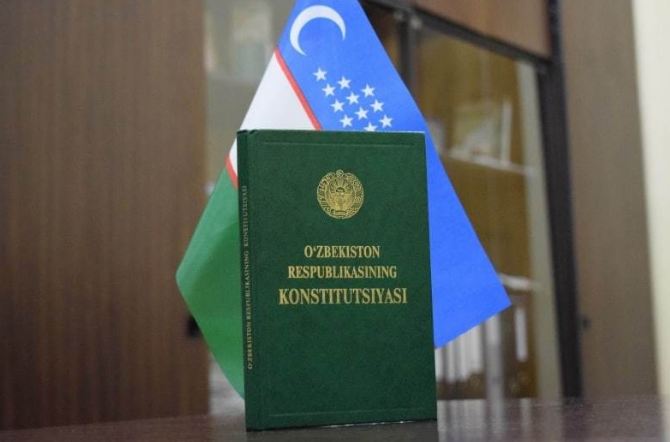
Second. The forum emphasized that the new edition of the Constitution of the Republic of Uzbekistan reflects the main provisions of the SDGs and created a constitutional and legal basis for their achievement, which once again indicates New Uzbekistan’s strong commitment to the UN Agenda for Sustainable Development until 2030.

Participants of the international forum especially noted that the initiator of the past constitutional reform in Uzbekistan, of course, was our people, broad sections of the public, and its main ideological inspirer was the President of Uzbekistan Shavkat Miromonovich Mirziyoyev.

Firstly, during the presidential elections in Uzbekistan in October 2021, at meetings of all candidates with representatives of the electorate, an important proposal was put forward, demanded by life itself and dictated by the logic of democratic transformations in our country. This is the implementation of constitutional reform.

In particular, voters put forward proposals on the relevance and vital importance of reflecting in the Basic Law of the country environmental human rights, the rights of current and future generations of the country’s residents to a favorable environment, and improving the situation in environmentally unfavorable regions. The need to further strengthen the constitutional and legal framework for the protection of private property, including land and subsoil, to ensure human dignity, human rights, freedoms and legitimate interests, interethnic and interfaith harmony in the country, to increase the role and status of civil society institutions, including h. mahallas, carefully conveying traditional values to future generations, strengthening the institution of family, developing state youth and gender policy, innovative and green economy and knowledge economy, expanding investments in the economy and social sphere.

Voters also emphasized the importance of determining the status of Uzbekistan as a social state, expanding constitutional and social protection of vulnerable segments of the population, especially persons with disabilities, building a socially oriented state, strengthening the constitutional foundations of the independence of the judiciary, ensuring the fairness of laws and court decisions, and implementing the principles of the supremacy of the Constitution and laws, human rights.

Secondly, based on an in-depth study of the wishes of voters, the President of Uzbekistan Shavkat Mirziyoyev pointed out the need for constitutional reform, which was reflected in his two addresses to parliament and the people of the country, numerous speeches, as well as in his first fundamental monograph “Development Strategy of New Uzbekistan” .

Thirdly, political parties, primarily UzLiDeP and the Milliy Tiklanish Democratic Party, organized an in-depth study of the moods and wishes of their electorate regarding the upcoming constitutional reforms. At the same time, over 1.5 million members of these parties and their electorate not only supported, but also pointed out the need to modernize the Constitution as the most important condition for achieving the goals and objectives of the Development Strategy of New Uzbekistan supported by the people, ensuring sustainable development, creating the necessary legal foundations for even more accelerated and dynamic reform of all spheres of socio-economic, political-legal, cultural and humanitarian life of society and the country.

Fourthly, during various stages of development and popular discussion of the draft new edition of the Constitution of Uzbekistan, over 220 thousand proposals were received from citizens, representatives of the academic community, civil society institutions, the private sector, government agencies and organizations. This is about 50 times more than the national discussion in 1992.

Fifthly, civil society institutions and the country’s academic community took an active part in the development and discussion of the draft New Edition of the Constitution of Uzbekistan and the implementation of constitutional reforms.

According to the forum participants, all this testifies, on the one hand, to the strengthening of the civic position of the country’s population, increasing the activity of democratic institutions, and, on the other hand, to the growing openness and transparency of the reform policy being implemented in the country, based on the full involvement of citizens and civil institutions in the management of public affairs and states.

During the forum, participants used specific examples to demonstrate the full implementation of the SDGs in the new edition of the Constitution of Uzbekistan. In particular, the Constitution strengthens the norms in the field of ensuring a harmonious union of man and nature, combating climate change and protecting the natural environment (6th SDG), providing for:

further constitutional development of the country along the path of increasing and preserving for current and future generations the country’s invaluable natural resources and a healthy environment, as well as the implementation of a unified state policy in the field of environmental protection, conservation of natural wealth and biological diversity, combating climate change, epidemics, pandemics , mitigation of their consequences (Preamble, paragraph 4., Article 115);

securing the rights of everyone to a favorable environment, reliable information about its condition (Article 49), as well as the obligations of citizens to take care of the natural environment (Article 62);

responsibilities of the state in the implementation of measures in accordance with the principle of sustainable development to improve, restore and protect the environment, maintain ecological balance, as well as protect and restore the ecological system, social and economic development of the Aral Sea region (Article 49).

In terms of achieving the SDGs, the importance of the novelties of the Constitution of Uzbekistan is also indicated, in the new edition concerning the construction of a social and legal state, ensuring sustainable economic development, etc.

Third. Participants of the international forum noted the trend of consistently expanding the participation of civil society in the implementation of the goals and objectives of sustainable development. The UN 2030 Agenda itself is based on the concept of participation and involvement of civil society, implementing the principle of “leaving no one behind”.

Moreover, if at the creation of the UN consultations were organized with approximately 240 NGOs, today 6,494 NGOs have consultative status. In 2023 alone, the UN Committee on Non-Governmental Organizations, having examined 560 NGO applications, granted such status to 214 of them.

The experts emphasized that over the past 20 years, more than 60 resolutions of the UN General Assembly, as well as international treaties, have been adopted aimed at assisting states in creating an inclusive and open society, recognizing the role and providing civil society with the opportunity to actively participate in sustainable development, creating favorable political , organizational, legal and other conditions for their free development and activity.

The world is witnessing a growing trend in the contribution of the “third sector” to economic development and solving pressing problems in the social, humanitarian, environmental and other spheres. Over the past 4 years, the contribution of the “third sector” to the development of the economy and GDP in some countries of the world has increased by 2-2.5 times, in particular in Canada this figure reached 8.1% of GDP, in France – 4.7%, Brazil – 4.4%. The growth rate of employment in the non-profit sector also significantly outpaced the growth rate of employment in the economy (twice in some countries) as a whole. Today, NGOs are also actively involved in solving pressing issues of sustainable development in various sectors, including education, health, poverty eradication, human rights and gender equality, and many others.

In addition, Ambassador Extraordinary and Plenipotentiary of India to Uzbekistan M. Prabhat outlined India’s experience in developing cooperation with civil society in implementing tasks and monitoring the achievement of national SDGs, incl. in the development of Voluntary National Reviews (VNRs). In particular, the 2020 VNR reflected a “whole of society” paradigm by incorporating ideas from more than 1,000 vulnerable civil society institutions that fully contributed to the “Leaving No One Behind: Community Voices” section. It noted that “thanks to economic growth and civil society initiatives for social inclusion, India was able to reduce “multidimensional poverty” by almost half, from 24.85% in 2016 to 14.96% in 2021, indicating that that 135 million people have escaped multidimensional poverty. It was also possible to improve the level of education, actively expand the capabilities of basic infrastructure, preserve rich biological diversity, and establish partnerships for sustainable development.”

The head of the Department of Politics, Press and Information of the Delegation of the European Union, M. Kačerauskis, emphasized that “all over the world, civil institutions are participating in the implementation of reforms, calling governments to account. They contribute through their participation to the search for solutions to which global problems, play an important role, in particular, in providing assistance to people with disabilities, forming an inclusive society, as well as realizing their rights and freedoms in the sphere of participation in the management of the affairs of society and the state.”

According to him, Uzbekistan’s ratification of the Convention on the Rights of Persons with Disabilities is a huge achievement, indicating the country’s policy in ensuring the dignity, rights and freedoms of people, especially people with disabilities. This step accelerates achievement of the SDGs. At the same time, the discussion of the implementation of the Convention is held on a platform in which not only government bodies, but also non-governmental organizations participate. Based on the results of the discussion, regulations are adopted based on relevant proposals and recommendations. These legislative acts are devoted to issues of expanding opportunities for the use of vehicles and computer technologies, which are currently relevant for persons with disabilities. These issues are also relevant for the EU, where approximately 7-8 million people with disabilities live.

Participants of the international Forum positively assessed the experience of Uzbekistan, the activities of over 600 non-governmental non-profit organizations in the country involved in protecting the dignity and rights of people with disabilities, ensuring their independence, freedom of choice, not allowing them to be discriminated against on the basis of disability, including in the protection of children with disabilities and the right to maintain one’s individuality. Particularly noted were the efforts of representatives of NGOs to monitor and implement the UN Convention on the Rights of Persons with Disabilities, their wide involvement in the process of not only ratifying UN conventions in the field of human rights, but also in the process of ensuring their implementation.

Thus, the representative of the German Society for International Cooperation (GIZ) O. Dutinchem noted the exceptional importance of expanding the participation of people with disabilities and civil society institutions in achieving the SDGs in Uzbekistan. “As development partners, the German Government recognizes the need for inclusive development policies as a precondition for ensuring that no one is left behind. One of the notable achievements of Uzbek-German cooperation is the attraction of German investment in improving social protection in Uzbekistan, increasing inclusiveness and expanding social services for vulnerable groups of the population. It is inclusion and equal participation that are the fundamental principles of social development. The guideline for this is the National Strategy for Social Protection of the Population and, of course, the Uzbekistan 2030 Strategy».

Expert of the International Organization for Migration S. Brestovitsky especially noted the contribution of civil society in achieving the SDGs by promoting safe, orderly and legal migration. Analyzing the “New York Declaration on Refugees and Migrants” of September 19, 2016, which is used as an international legal instrument for achieving the SDGs in this area, he emphasized “the role of civil society in the social integration of migrants into the destination society, improving the well-being of migrants, and also in determining the best ways to solve problems associated with international migration and realize the opportunities that it opens up. Indeed, in every region of the world, civil society is a key partner in meeting the needs of refugees.”

Participants at the international conference gave many more examples of how civil society can contribute to progress and actively participate in the implementation of many SDGs. They emphasized “the importance of leveraging these efforts in the current phase of accelerating SDGs. Because responsibility for their achievement lies with everyone, and not just with states and the UN, since many problems of our time can only be solved with the participation and broad involvement of citizens and civil institutions.”

Fourth. The international conference was held in the context of significantly strengthening cooperation between Uzbekistan and the UN, as well as increasing the relevance of the SDGs for the whole world.

Participants in the international conference noted in their speeches, in particular, that over the past 7 years:

firstly, an unprecedentedly high level of cooperation between Uzbekistan and the UN has been achieved. Today, about 140 joint programs and projects are being successfully implemented;

secondly, Uzbekistan was elected a member of a number of authoritative UN structures and actively participates in their activities.

As a member of the UN Human Rights Council, Uzbekistan has put forward over 30 initiatives on a global, regional and national scale to ensure human rights and freedoms. The adoption of 7 resolutions of the UN General Assembly on the initiative of the President of Uzbekistan Sh.M. Mirziyoyev received special recognition from the international community.

In this context, the main event of the international conference was the discussion of the next initiative of the head of state, incl. draft resolution of the UN General Assembly “On expanding participation and strengthening the role of civil society in the implementation of the Sustainable Development Goals.”

According to the general opinion of the participants of the international conference, best international experience shows that close cooperation between governmental and non-governmental organizations is the key to success in achieving Agenda 2030.

In this context, the proposed draft resolution of the UN General Assembly covers two of the most important patterns of today’s world development:

on the one hand, ensuring sustainable development based on ensuring human rights and freedoms, creating conditions for increasing and realizing its potential, as well as economic, social and environmental progress on this basis;

and on the other hand, the involvement of citizens and civil society in achieving the Sustainable Development Goals defined by the 2030 Agenda and the implementation of their objectives. Indeed, today the community of non-governmental organizations represents a global network that should be involved in the work to achieve common goals in the field of sustainable development, empowered and their role strengthened.

Considering the draft resolution of the UN General Assembly, experts noted that its developers took into account many problems that exist in various countries of the world in the field of forming civil society and supporting its institutions. In particular, attention is drawn to the fact that in many countries there is a lack of constructive dialogue between the government and civil society organizations on achieving the SDGs, their weak involvement in the processes of developing national development plans, insufficient level of funding for their activities, as well as the lack of active effective participation of non-governmental organizations in monitoring the implementation of state obligations in this area, etc.

In this regard, it is important that the draft UNGA resolution emphasizes the importance of institutions such as social partnership and public control for achieving the goals and objectives of Agenda 2030, as well as further strengthening the global partnership for sustainable development. The importance of supporting existing mechanisms of international, regional and bilateral cooperation between government agencies and non-governmental organizations was emphasized, as well as the valuable contribution that civil society institutions make to promoting sustainable development thanks to their long-term and diverse experience, special knowledge and potential, especially in the field of analysis and exchange information and knowledge, developing dialogue and supporting sustainable development processes.

  National and international experts of the international forum emphasized that from the point of view of civil society, the following recommendations and proposals contained in the draft resolution are of interest:

firstly, further expanding the participation of civil society institutions, as well as improving the dialogue with NGOs in the implementation of the 2030 Agenda, incl. in the field of legislative development;

secondly, stimulating and encouraging partnerships between government agencies, non-governmental organizations and the private sector. This promotes the involvement and use of the potential and resources of the entire society and state to achieve the SDGs;

third, supporting civil society institutions and facilitating their involvement in the follow-up and review processes of the SDGs, especially in the preparation of voluntary national reviews. For these voluntary national reviews provide valuable lessons and help countries track progress and ensure that the SDGs are mainstreamed into national plans and policies;

fourthly, the adoption of the necessary organizational and legal measures that would ensure the real participation of non-governmental organizations at all levels of decision-making and decision-making, as well as their implementation. In particular, M. Kacherauskis emphasized that “in the European Union, 2 strategic directions for the development of civil society have been identified – creating a favorable environment and conditions for civil society, as well as increasing capacity and improving their activities. This is the key to effectively addressing the SDG objectives”;

fifthly, support and further development of international cooperation in the field of involving and ensuring the participation of NGOs in achieving the SDGs, increasing the role and place of civil society in this area;

sixth, the development of special financing mechanisms, including “SDG-based budgeting”, to support the activities and expand the capacity of NGOs that contribute to the implementation of SDG targets.

In particular, the participants noted that today the Report of the UN Secretary-General dated September 18, 2023 is particularly relevant on the global agenda, including his remark that the Sustainable Development Goals need a global rescue plan, the transition of countries to the SDGs. oriented budget” so that the achievement of the goals determined by states is supported by financial and necessary other resources;

seventh, promoting the leading role of civil society institutions in accelerating the achievement of all 17 Sustainable Development Goals in a balanced and integrated manner, reaffirming commitment to achieving sustainable development in its three dimensions – economic, social and environmental dimensions.

At the international forum, more than ten other proposals in this area contained in the draft UNGA resolution were positively assessed, and individual recommendations were made to the draft document.

They expressed “confidence that their broad discussion, as well as the adoption of the draft resolution “On expanding participation and strengthening the role of civil society in the implementation of the Sustainable Development Goals” will help raise the processes of sustainable national, regional and global development, appropriate support and assistance to organizations to a qualitatively new level civil society on the ground. In turn, civil society, with its experience, expertise and capacity, will continue to play an important role and make a worthy contribution to achieving the SDGs. For, only through common aspirations and joint efforts can lasting peace and prosperity be achieved. Today, more than ever, we need mutual trust, solidarity and cooperation,” concluded the forum participants.

These proposals and the draft resolution of the UN General Assembly are also expected to be considered during the II International Global Forum “Interparliamentary Cooperation in Achieving the Sustainable Development Goals.” This indicates that this latest initiative of the President of Uzbekistan remains the focus of attention of the international community.

Akmal Saidov, First Deputy Speaker of the Legislative Chamber of the Oliy Majlis of the Republic of Uzbekistan

PPP questions Fazl’s call for ‘peaceful election atmosphere’

PPP questions Fazl’s call for ‘peaceful election atmosphere’

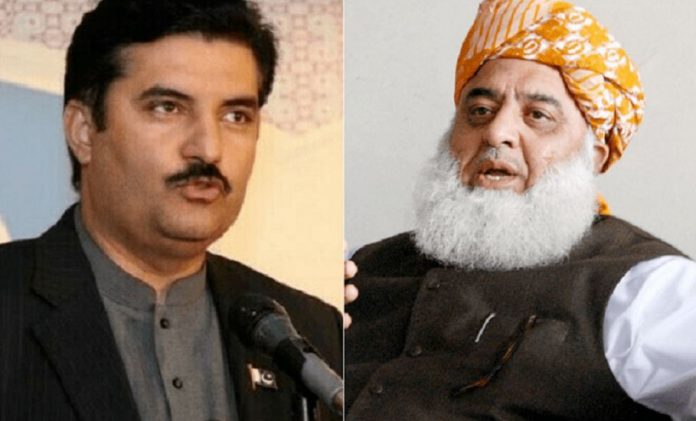
ISLAMABAD, DEC 6: The PPP on Wednesday responded to JUI-F chief Maulana Fazlur Rehman’s recent reservations about holding elections during what he described as a worsening security situation by suggesting that opposition to polls stemmed from a “fear of the public’s verdict”.

PPP Secretary Information Faisal Kareem Kundi’s statement follows the JUI-F chief’s recent statement on the feasibility of holding elections amid a “deteriorating” security situation.

This isn’t the first instance of Rehman expressing reservations about the prospect of polls. During a rally in Larkana last week, he emphasised his party’s readiness for elections but underscored the necessity of a “peaceful environment” to ensure voters’ safety while exercising their right to franchise.

In response to the JUI-F chief’s remarks, Kundi expressed surprise, stating: “Maulana has a government in the KP and we have no idea what feasible environment he is looking for.”

Kundi was referring to the KP governor, Haji Ghulam Ali, being a relative of Maulana Fazl.

He added: “People who fear the verdict from the public court do not want elections to take place.”

Kundi recalled the PPP’s opposition to election delays even after the assassination of former premier Benazir Bhutto in 2007. “The PPP competed against terrorists and their supporters in the 2013 and 2018 elections,” he said.

Asserting that elections are the sole remedy for the country’s current issues, he remarked that the nation “believes that the chief justice will ensure elections on time” and claimed that opponents fear the popularity of PPP Chairperson Bilawal Bhutto Zardari.

‘Internal security situation cannot be an excuse’
Separately, PPP Senator Raza Rabbani issued a statement in which he asserted that general election should be held on the scheduled date. However, he did not directly refer to the remarks made by the JUI-F chief.

“The Supreme Court has ruled that it is a continuous constitutional violation, which cannot be perpetuated,” he said while referring to a delay in the polls.

“Any further delay will give rise to a new constitutional violation, as the new parliamentary year of the Senate commences on March 12, 2024, before that half of the Senate will retire,” Rabbani said.

“If the electoral college of the provincial assemblies and the National Assembly is not elected, the Senate will be dysfunctional from March 12, 2024. In such circumstances there will be no Parliament which will be in violation of the Constitution,” he said.

“An internal security situation cannot be an excuse, as elections have been held when countries are even at war,” the senator said, adding that the political instability would further undermine the economy.

He noted that the caretaker government had a mandate of 90 days, which had been “violated” and the Constitution “defaced”.

“Pakistan’s ruling elite should stop playing with the Constitution, for if its writ is systematically dismantled a stage will come when there will be the law of the jungle, which cannot hold the federation together,” he said.

Fazl says peaceful environment a must before election
During a talk with reporters on Tuesday, the JUI-F chief questioned the law and order situation countrywide and said: “Everything is okay in Lahore but not on our side.”

He was asked if the situation was conducive to holding general elections scheduled to be held on February 8. The veteran politician claimed that in many areas of Khyber Pakhtunkhwa, including Tank, Lakki Marwat, and his hometown, D.I. Khan, “unidentified armed people roam in streets at night instead of cops”.

“Our workers are being killed. Can an election be held in such circumstances,” he asked.

While he questioned the deteriorating security situation, the JUI-F leader clarified that his party was ready to contest the elections and provided a safe and “peaceful environment” for the activity.

He said the JUI-F was an ally of PML-N in the last government and the alliance “will continue” in the form of seat adjustment for polls. Rehman also criticised PTI over its recent intra-party elections, saying the activity made it clear that PTI “was not even a political party”.

He said those “forcibly inducted” into the PTI in 2018 parted ways with the party with confessions that they were “compelled to join PTI five years ago”.

UK, Canada and UNFPA renew calls to end gender-based violence

calls to end gender-based violence

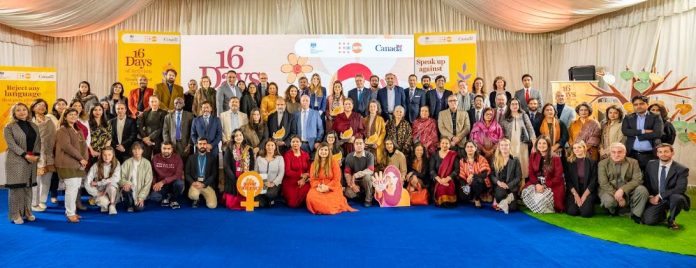
ISLAMABAD, DEC 6 /DNA/ – Activists, the international community and politicians came together at the British High Commission on 4 December 2023 as part of the annual 16 days of activism against gender-based violence.

British High Commissioner, Jane Marriott CMG OBE, jointly hosted a special reception with United Nations Population Fund (UNFPA) Country Representative, Dr Luay Shabaneh, and Canadian High Commissioner, Leslie Scanlon.


British High Commissioner, Jane Marriott CMG OBE, said:

“Today we rightly celebrate the progress we have made towards protecting women and girls from the heinous acts of gender-based violence. But this is no time to be complacent, and the UK will continue to speak out against a worrying rollback of women’s and girls’ rights, and to support grassroots organisations.”

UNFPA Country Representative, Dr. Luay Shabaneh, said:

“Under UNFPA’s transformative results we are working to end gender based violence by 2030. Women are a missed opportunity in Pakistan. If Women are given their chance to prosper, then the country has a chance for prosperity and good future. We have to shame the perpetrators and we must honour and support the survivors of violence. We must and continue to invest in the health and protection services.  Pakistan must advance the implementation of laws and improve the conviction rate of perpetrator in cases of violence against women and girls.”

Canadian High Commissioner, Leslie Scanlon, said:

“Canada has been a leading advocate for the elimination of sexual and gender-based violence against women and girls, globally.  In Pakistan, Canada is supporting more than to 12 Pakistani women’s rights organizations (WROs) to advocate for and advance gender equality rights for women and girls in the country. Additionally, each year, the Canada Fund for Local Initiatives supports small scale innovative projects often designed to advance women’s rights.

The PML-N-Establishment ‘collaboration’; will it work?

Comment

Ansar M Bhatti

By selecting Barrister Gohar as the interim Chairman of the PTI, Imran Khan has strategically outmaneuvered his opponents, catching them off guard with a shrewd and astute move. The decision reflects Khan’s political acumen and ability to make calculated choices that go beyond expectations. The appointment of Barrister Gohar benefits Imran Khan on two accounts; first Gohar would immediately step down whenever asked to do so and Secondly, Imran Khan has strategically chosen to distance himself from the pitfalls of family politics, a move that seeks to set a precedent and foster a culture of meritocracy within the PTI. By eschewing the appointment of any close relatives, Khan sends a clear message about his commitment to transparency, fairness, and the avoidance of nepotism in political affairs. This step not only bolsters the image of the PTI as a party that prioritizes competence over familial connections but also safeguards against potential criticism from those wary of dynastic tendencies in politics

In essence, Imran Khan’s choice of Barrister Gohar as the caretaker Chairman showcases a thoughtful and strategic approach. So far, the decision appears to be a well-calibrated move that strengthens PTI’s image and sets a positive precedent for political leadership in the party.

Nevertheless, lingering uncertainties surround the integrity of intra-party elections, underscoring a critical flaw in the political landscape of Pakistan. The inherent issue lies in the absence of genuine democracy within the political parties themselves. Regrettably, these internal elections often amount to mere theatrical displays, lacking true democratic essence. The process tends to be more of a selective endeavor, raising a pertinent query: If democracy remains elusive within the very foundations of political entities, how can they be entrusted with fostering democratic principles at a national level?

Regarding the scheduled elections on February 8, the Finance Ministry has allocated more than Rs 27 billion in response to the Election Commission’s request, significantly enhancing the outlook for the upcoming elections. This robust financial support indicates a positive shift, diminishing concerns related to funding as a potential obstacle. In previous instances, such as when the apex court directed the Election Commission to conduct elections in the Punjab and KP assemblies, insufficient funds were a prominent reason cited by the ECP for the delay. It is noteworthy that at that time, financial constraints were not the sole contributing factor; other issues also played a role in the postponement of elections.

The current scenario presents a surprising turn of events, with the Establishment seemingly placing its bets on the PML N, a move that can only be described as a miraculous development given the historical dynamics between the two. Despite a fraught past, both parties are fully cognizant of this reality. The challenge arises from the strategic necessity for PML N and PPP support in the overarching plan to dislodge the PTI government. Consequently, the Establishment found itself compelled to approach the PML N.

In parallel, the PML N, led by Nawaz Sharif and his associates, found themselves in a position where Establishment support was not only imperative for the resolution of legal issues but also pivotal for an active re-entry into the political arena, perhaps even eyeing a fourth term as the prime minister. However, this tactical alliance has placed the image and future well-being of both the PML N and the Establishment in precarious territory. The risks associated with this collaboration loom large, as it calls into question the credibility and standing of these entities in the eyes of the public and the broader political landscape. The delicate balance between strategic necessity and potential reputational jeopardy underscores the complexity of the political chessboard at play.

Nawaz Sharif’s decision to maintain a low profile since his return to Pakistan seems to stem from his perceived association with the Establishment. His political narrative, at least in recent times, has largely centered around an anti-Establishment stance. This creates a delicate situation for him during public appearances, as the absence of any mention of his established narrative might lead to a political setback. It appears that he is currently treading cautiously, recognizing the potential risks involved.

This strategic silence may be a temporary measure, a calculated move to navigate the complex political landscape. By avoiding explicit references to his anti-Establishment stance, Nawaz Sharif may be attempting to avoid direct confrontation or escalation, possibly in an effort to find a more conducive environment for political engagement. However, it’s crucial to note that sustaining such a position for an extended period could be challenging.

Nawaz Sharif finds himself caught between opposing forces, akin to being “between the devil and the deep sea.” Striking a delicate balance between maintaining political relevance and avoiding unnecessary conflicts is a formidable challenge. The coming days will likely reveal whether this low-profile strategy is a short-term tactical maneuver or a more enduring aspect of his political approach. The evolving dynamics of his relationship with the Establishment will play a pivotal role in shaping the future trajectory of his political career.

On the contrary, the enduring popularity of the PTI remains a source of concern for those in positions of authority. Despite various challenges, the party’s appeal shows no signs of waning, posing a potential obstacle to the established powers. The prospect of a genuinely transparent and equitable election raises the likelihood of the PTI reclaiming power.

In a bid to curtail the PTI’s chances, there is speculation that the party might face the removal of its distinctive election symbol – the ‘bat.’ This strategic move aims to disrupt the party’s connection with voters, particularly in rural areas where illiteracy prevails. The risk lies in the potential confusion among voters, accustomed to identifying the PTI by the ‘bat’ symbol. Altering this familiar emblem could create a hurdle for the party as voters may struggle to navigate the ballot.

In summary, the persistent reality in Pakistani politics is the undeniable influence of the Establishment, which often intervenes in political affairs due to the consistent underperformance of civilian governments. It is imperative for the political leadership to recognize that such interference will persist unless they address internal issues. The recurrent removal of political administrations is typically justified by allegations of corruption. Corruption stands out as a formidable challenge afflicting the nation, and unless it is decisively addressed, Pakistan’s progress will remain stagnant. It is crucial to tackle this menace head-on to pave the way for genuine political stability and socio-economic development.

RDA declares four more housing schemes in Rawalpindi and Taxila illegal

RDA declares four more housing schemes in Rawalpindi and Taxila illegal

By Abbas Hashmi

Rawalpindi: The Rawalpindi Development Authority (RDA) has served notices to four unauthorized housing societies in the garrison city.

According to a spokesperson for the RDA, Hafiz Irfan, the four illegal housing societies include High Life City, project of SSJ Marketing and Property Adviser at Mouza Niko, Wah Hills at Mouza Ghari Afghana in Taxila and Amman Scheme at Mouza Rajar on Chakri Road.

CDA Declares One More Housing Scheme in Islamabad Illegal
Furthermore, sponsors have been strictly warned against the marketing of all unauthorized housing schemes in Rawalpindi. Notices to the aforementioned housing societies were issued on the directions of RDA Director General Saif Anwar Jappa.

The relevant department of RDA has been instructed to file the first information report (FIRs) against the owners of the illegal housing schemes. They have been directed to refrain from marketing their unapproved housing societies and approach RDA to get a No Objection Certificate (NOC) or face legal action.

Senate Panel Urges to Lift Ban on Vehicle Imports For Disabled Persons
The spokesman also advised the public against investing in housing societies that don’t have approval from the authority. Moreover, the Planning Wing of RDA has requested the Cyber Crime Wing of the Federal Investigation Agency (FIA) to take action against misleading advertisements by illegal housing societies.

According to Hafiz Irfan, the offenses committed by the illegal housing projects’ owners are actionable under Rule 37 of the Punjab Development Authorities Private Housing Schemes Rules 2021.

Nepra approves over Rs3 per unit hike in electricity price

Nepra approves over Rs3 per unit hike in electricity price

ISLAMABAD: The National Electric Power Regulatory Authority (Nepra) Tuesday approved a Rs3.07 per unit increase in electricity prices, applicable to all power distribution companies.

In a notification, the regulator said: “The […] adjustment shall be shown separately in the consumers’ bills on the basis of units billed to the consumers in the month of October 2023 in the billing month of December 2023.”

Nepra has notified the increase on account of variations in fuel charges, the notification mentioned, in a move that will impact millions of the electricity distribution companies’ (Discos) inflation-weary consumers.

The increase will not be applicable to Karachi-Electric (KE) consumers. Moreover, electric vehicle charging stations (EVCs) and lifeline consumers will also not be impacted by the increase, the notification mentioned.

The power prices are persistently on the rise in Pakistan as the cash-strapped nation tries to curb its circular debt and meet the conditions of the International Monetary Fund (IMF).

The IMF laid forth several conditions — including a rise in power and gas tariffs — for the South Asian nation to unlock crucial funds that allowed the government to avert a possible default on its debt payments.

The latest hike comes on the heels of startling Nepra findings, wherein it was discovered that KE and other power-providing companies were charging millions of consumers excessively.

“Legal proceedings against all Distribution Companies including KEL under NEPRA Fine Regulations, 2021 for violation of the provisions of NEPRA Act, CSM and tariff terms & conditions etc,” a statement issued by the power regulator said.

The authority took “very serious” notice of the complaints that were reported from all over Pakistan regarding excessive, inflated, and wrong bills charged by the distribution companies to the consumers during two months — July and August.

Following the complaints, the power regulator held detailed hearings during which it found that snaps of “meter readings are either invisible or deliberately not taken. Similarly, some cases were reported that monthly meter readings are being taken beyond the billing cycle of 30 days, which resulted in undue/inflated charging of upper slab bills to the less user consumer(s) hence, changing the category from protected to un-protected”.

The committee found that 5.7 million Multan Electric Power Company (Mepco) consumers were charged for more than 30 days of the billing cycle in the month of July followed by Gujranwala Electric Power Company (Gepco) i.e., around 1.2 million in August.

Similarly, Faisalabad Electric Supply Company (Fesco) i.e., more than 800,000 in August, Lahore Electric Supply Company (Lesco) around 700,000 in both months, and Hyderabad Electric Supply Company (Hesco) more than 500,000 in the month of July.

Stay Connected

64FansLike
60FollowersFollow

Latest Reviews

Exchange Rates

USD - United States Dollar
EUR
1.17
GBP
1.35
AUD
0.72
CAD
0.73