UN says Gaza hospitals functioning on triple bed capacity, electricity shortages; “new collapse” reported in enclave’s internet connectivity.
Nation in Ruins, Cadillac, Aircraft, and Lincoln in View: Jinnah’s Leadership Examined

By Nasim Yousaf
Since 1947, Pakistan has faced a tumultuous history marked by political upheavals, economic difficulties, corruption, and instability, with Muhammad Ali Jinnah serving as the inaugural Governor General. The nation was not given a sound foundation, and its challenges can be attributed to Jinnah’s lack of foresight, limited governance experience, dictatorial tendencies, and the suppression of opposition figures like Allama Mashriqi. Furthermore, Jinnah’s extravagant choices set a lasting precedent in the political landscape. Early communications between the newly appointed Pakistani Ambassador, Mirza Abol Hassan Ispahani, and Governor General Jinnah underscore a stark contrast between personal indulgences and the critical needs of the state.
The letters reveal Jinnah’s pursuit of a Cadillac super-limousine, a Lincoln, and a Beechcraft Model 34 airplane, indicating a disconnect with the nation’s crisis. Ispahani wrote to Jinnah on September 19th, 1947: “My dear Quaid-e-Azam, I reached New York on the 11th and spent a day in Washington on the 13th…I met the top executives of General Motors Company who have taken prompt note of your requirement of a Cadillac super-limousine. Their representative, who is in Bombay at present, will be visiting Karachi shortly, and will finalize the order after knowing your special requirements…I have not been able to see the Lincoln people yet. I hope to do so in the course of the next week. In regard to the special aeroplane, my friends and I have contacted some leading manufacturers in this country. I shall be in a position to report finally on the progress I have been able to make, positively by the end of next week. I hope to present my Credentials to the President of the United States some time next week and enclose, for your private information, a copy of the speech that I shall deliver at the time I present my credentials…”
Instead of urging the Ambassador to focus on the interests of the newly formed state, which was only about a month old, Jinnah was preoccupied with procuring luxury items even before the Ambassador presented his credentials. This reflects Jinnah’s desperation to obtain both vehicles and an aircraft.
In response to the Ambassador’s letter, on October 1, 1947, Jinnah replies: “…Thank you so much for your letter of September 19… I have noted that you say about the General Motor Company. You have been good enough to try and get me a Cadillac car. When their representative comes to Karachi, I shall be very pleased to meet him, and will finalize the order after settling my requirements. Please convey my thanks to the Executive of General Motors Company for their agreement to do all they can and even override all other prior bookings in order to let me have the car without delay. As regards the Lincoln, you will let me know when you are able to do so; and also with regard to the special aeroplane, I shall await your report… Yes, I am keeping well, but facing terrible, grave and dangerous issues and developments that are taking place from day to day, so rapidly and so dangerously…”
Jinnah acknowledges the alarming situation, but lavishness and Grandeur takes priority. Moreover, Jinnah wants the best and most luxurious car, evident from the Ambassador’s letter dated October 14, 1947, to Jinnah: “…The automobile ordered for you is the Super Cadillac 75, the last word in Cadillac limousines. During the year 1947, only 41 cars of this model were assembled, yours being the 41st and the last… I have already written to you about the aeroplane and shall be writing very shortly about your second car, the Lincoln.”
On October 22, 1947, Jinnah wrote to the Ambassador: “…With reference to your letter of the 14th, I do not mind the left-hand drive, but please try as to the color and get me the sample I have sent you, namely the picture of the Cadillac 60 Special. I note that you are pursuing your efforts about the aeroplane and Lincoln.”
On December 20, 1947, the Ambassador informed, “Your Cadillac has reached New York from Detroit, and will be placed on board a ship before the end of next week. I am sure you will like the automobile.” The ultimate luxury reached Karachi in early 1948.
Facing Pakistan’s financial crisis and a scarcity of parts and servicing facilities, the planned acquisition of aircraft and a Lincoln car had to be abandoned. Jinnah acknowledged this in a letter to the Ambassador, noting, “It is very kind of the Beechcraft Corporation to help us in every way, but although it may cost a quarter of a million dollars, the difficulty with these aircraft will be servicing.” Despite the country grappling with severe crises—abductions, rapes, killings, mass migration, and economic instability, hindering even basic purchases like paper and pencils—Jinnah’s prioritization of personal comfort amidst widespread suffering was lamentable. In light of the nation’s dire situation, he should have demonstrated modesty and avoided practices akin to those of the Viceroy of India.
Jinnah’s opulent lifestyle, devoid of personal sacrifice, inspired a societal pursuit of wealth among politicians and the public. This emulation resulted in corruption, a lack of national dedication, and high-end vehicles like BMWs symbolizing political elites, rendering progress assurances hollow.
Since its inception, Pakistan’s persistent adherence to British-style administration, including the use of Private Secretaries and Personal Assistants, despite financial constraints, sets a troubling precedent. The British approach prioritized authority over cultivating public servants dedicated to addressing people’s needs. This practice should cease, promoting a culture of self-help.
As a leader, Jinnah could have made a significant impact by adopting a simpler lifestyle and promoting self-reliance. Embracing humbleness and emphasizing values of simplicity and self-help could have inspired people throughout the community. Leaders serve as role models, and if Jinnah had chosen humility, the nation would have prioritized integrity and honesty over materialism, fostering a more ethical society.
The portrayal of Jinnah in Pakistani history often idealizes him, elevating him to an uncriticizable status. This narrative involves the distortion and fabrication of facts, glossing over his flaws and unethical political maneuvers. Even not wearing the same suit twice is presented as a remarkable achievementEven not wearing the same suit twice is presented as a remarkable achievement. Despite the common belief that Jinnah’s impact on Pakistan was limited due to his untimely death, he had a significant period, from 1940 when the Pakistan Resolution was adopted until his passing in 1948, to shape the nation’s vision and constitution.I have emphasized, and many now agree, that the creation of Pakistan, from the Two-Nation Theory to the partition of India, was orchestrated by British rulers. If Jinnah were powerful enough to create Pakistan, he would not have allowed the partition of Punjab and Bengal.In my published works, such as the documentary “The Road to Freedom: Allama Mashriqi’s Historic Journey from Amritsar to Lahore,” and the article “The British Chessboard: Jinnah, Gandhi, and the Strategic Divide of India,” I have delved into unknown aspects of Jinnah’s (and Gandhi’s) politics.
Pakistan urgently requires a selfless figure akin to Allama Mashriqi, an exceptionally educated and unmatched personality in the world. Unlike leaders such as Jinnah, Mashriqi chose unpretentiousness over personal comfort, owning only a couple of Khaki Shalwar and Pyjama sets, repeated after self-washing. Despite his status as a world-famous mathematician and with plenty of Khaksars at his disposal, he personally handled tasks like typing letters and cleaning his office, which was in a tent. Mashriqi’s commitment to a modest lifestyle reflected his values and dedication to uplifting the nation. In today’s ostentatious realm of power, Mashriqi’s example gains relevance. A figure prioritizing people’s welfare over personal luxuries is vital for Pakistan’s future marked by equality, justice, and genuine progress. As someone influencing millions, he inspired people to adopt simplicity as a way of life.
To sum up, the ambassador and Jinnah’s letters serve as poignant reminders that reversing the challenging conditions in the nation requires a departure from opulence and a demand for leadership accountability. Ceasing dependence on loans and charity is crucial to prevent the country’s tarnished global reputation. Amidst the challenges and stark social and financial disparities, a critical examination of Jinnah’s legacy is imperative. The populace must insist that politicians, men in power across sectors, embrace simplicity or relinquish governance responsibilities. Not only those in authority but also citizens must, for the love of their homeland, forsake extravagance and exhibit empathy. Expressions of patriotism ring hollow without self-sacrifice and concrete actions for its betterment. This shift can combat corruption and address the correlation between a lavish lifestyle and increased fraudulent practices. Advocating for humility, altruism, and aligning with Mashriqi’s virtues becomes vital in fostering a culture defined by integrity and answerability, especially in the face of the overall pathetic situation in the land.
Scholar Nasim Yousaf, a grandson of Allama Mashriqi, has authored 18 books and digitized 19 rare works, including Mashriqi’s historic journal “Al-Islah.” His global impact is evident, with “88,097 papers on Academia discussing the Khaksar Movement” and readers from at least 60 countries. His online works consistently attract a substantial audience, exemplified by noteworthy engagement, including 101,764 visitors recorded on a Facebook fan page and activity across various platforms.
Copyright © 2023 Nasim Yousaf
Unpopular decisions affected people and restored confidence of Int’l institutions
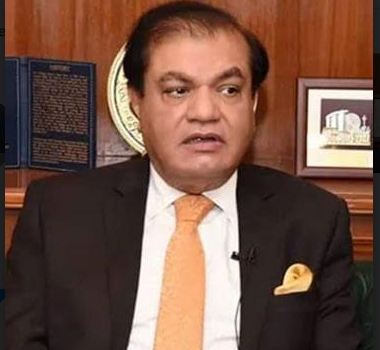
Karachi /DNA/ – Chairman of National Business Group Pakistan, President Pakistan Businessmen and Intellectuals Forum, and All Karachi Industrial Alliance and former provincial minister Mian Zahid Hussain said on Wednesday that the unpopular and harsh decisions of the government and the central bank have made life very difficult for the people and the business community.
However, these decisions helped restore the confidence of international institutions, while the pressure on foreign exchange reserves, the rupee has eased and the current account deficit has come down, he said.
Mian Zahid Hussain said that a surplus of nine million dollars in the current account in November is a good development. This achievement was made possible due to the tight monetary policy, which reduced demand.
Talking to the business community, the veteran business leader said that in addition to the central bank’s initiatives, imports were also controlled, which positively impacted foreign exchange reserves and proved that the country could survive in the absence or lack of many imports.
Mian Zahid Hussain further said that the current account deficit for the first five months of this year is $1.16 billion, which was $3.26 billion in the first five months of last year.
This deficit reduction is a great achievement, and if there is no indiscriminate increase in spending after the election, the annual deficit will not exceed four and a half billion dollars, which will be a great success for policymakers.
The business leader said that a strict policy is also necessary because, despite the IMF program, the expected capital is not coming to the country.
Apart from this, remittances are decreasing, while the situation of exports is also not satisfactory due to an increase in production costs.
After possible foreign investment under SIFC, the central bank may consider easing monetary policy while easing imports, but this is not an immediate possibility, he observed.
Mian Zahid Hussain further said that economic growth has stopped due to measures to reduce the current account deficit. The business environment has been affected, and new employment opportunities are not being created. Administrative measures have improved the economy, but this is not a long-term solution.
He said that to stabilize the economy, exports must be increased, and the reasons for the decrease in remittances must be known, and the confidence of the people living abroad must be restored.
Apart from this, there should be a crackdown on the handi business so that the remittances come into the country legally. Mian Zahid Hussain further said that along with administrative measures, reforms, the sale of failed government institutions, reductions in oil, gas, and electricity prices, better incentives to investors, and the elimination of terrorism are also necessary.
He said that agricultural and industrial production needs to be increased by paying special attention. In contrast, political stability needs to be given attention, without which investment will remain a dream and policymakers will continue to try to save the economy instead of growing it.
Saleem Mandviwalla pays condolences at Kuwait Embassy
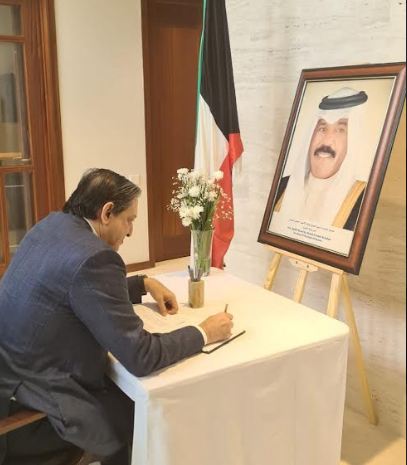
Islamabad, 20 Dec /DNA/ – Senator Saleem Mandviwalla, Chief Whip in the Senate of Pakistan, visited the Kuwait Embassy today to convey heartfelt condolences on the passing of His Highness Emir Sheikh Nawaf Al-Ahmad Al-Jaber Al-Sabah. Senator Mandviwalla expressed the deepest sympathies on behalf of Senate and the Pakistan Peoples Party, during this period of mourning.
In a solemn visit, Senator Mandviwalla offered prayers for the departed soul. Recognizing the strong ties between Pakistan and Kuwait, he assured that every effort would be made to address the concerns of Kuwaiti companies operating in Pakistan. This commitment was in response to a request made by His Excellency Nassar Abdulrahman J Almutairi, the Ambassador of Kuwait to Pakistan.
During his visit, Senator Mandviwalla also shared thoughtful remarks in the Condolence Book, paying tribute to the late Emir Sheikh Nawaf Al-Ahmad Al-Jaber Al-Sabah. His words reflected the deep respect and condolences felt by the Senate and the Pakistan Peoples Party.
Caretaker CM Balochistan calls on PM Kakar
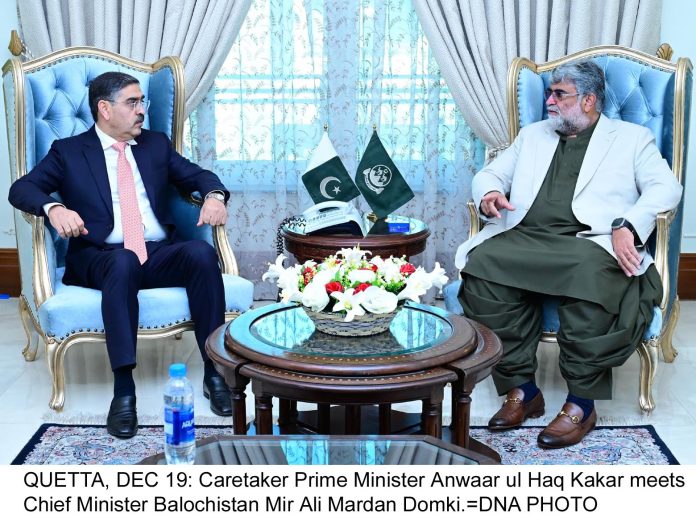
QUETTA, Dec 19 (APP/DNA): Caretaker Chief Minister Balochistan Mir Ali Mardan Domki called on Caretaker Prime Minister Anwaar-ul-Haq Kakar here on Tuesday and discussed matters relating to mutual interests.
During the meeting, they also discussed various matters of the Balochistan province, a statement issued by the Prime Minister Office Press Wing said.
PM stresses effective training strategy to produce skilled human resource
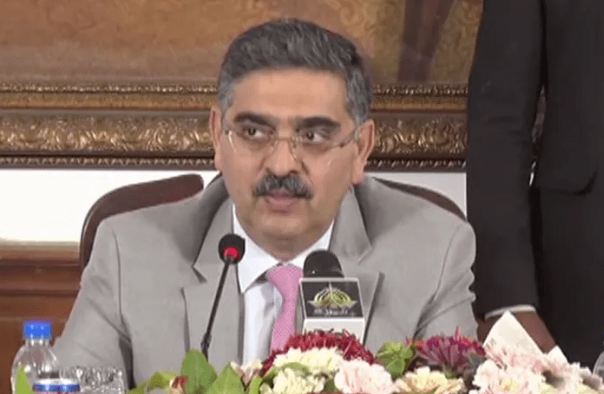
QUETTA, Dec 19 (APP/DNA): Caretaker Prime Minister Anwaar-ul-Haq Kakar on Tuesday terming skilled human resource the most important asset for a nation said effective training strategy was crucial to meet the needs of the contemporary world.
Addressing here at the launch of PM’s Youth Skill Development Programme, he said in the era of technology and artificial-intelligence, there was a need to equip the youth with necessary up-to-date knowledge.
PM Kakar said imparting skills to one person did not restrict to him but the families associated with him and also the coming generations benefit from it.
He said the country was in dire need of such initiatives of social development which resulted in the overall uplift of the people.
Chief Minister Balochsitan Mir Ali Mardan Domki said the provincial government was committed to providing every possible opportunity to the people of Balochistan.
He said the provincial government had decided to set up the Balochistan Skilled Development Fund under the supervision of the Planning and Development Department.
He said the government of China showed interest to provide a $60 million grant for the development of Balochistan, of which the provincial government had the intention to use fifty percent on skilled development of youth.
Federal Minister for Education Madad Ali Sindhi said imparting skills to youth was the main ingredient of empowering them by helping them qualify for employment.
He said the launch of programme from Quetta was significant because it encouraged the local youth to benefit from it who deserved it the most.
Executive Director National Vocational and Technical Training Commission (NAVTTC) Amir Jan said 4.5 million people in the country entered the labour stream every year with only 1.5 people having proper skills. He said the objective of the programme was to provide skilled training to 56,000 people all across the country and mentioned that the skills were linked with international certification.
Provincial revenue minister Amjad Rasheed expressed gratitude to the prime minister for the launch of programme for the youth, which he said would end their dilemma of joblessness.
The prime minister gave away cheques to the talented youth of Balochistan.
He also launched the Electronic Public Procurement Programme on the occasion.
Chairman PRCS emphasizes climate-led initiatives and collaboration for resilience building
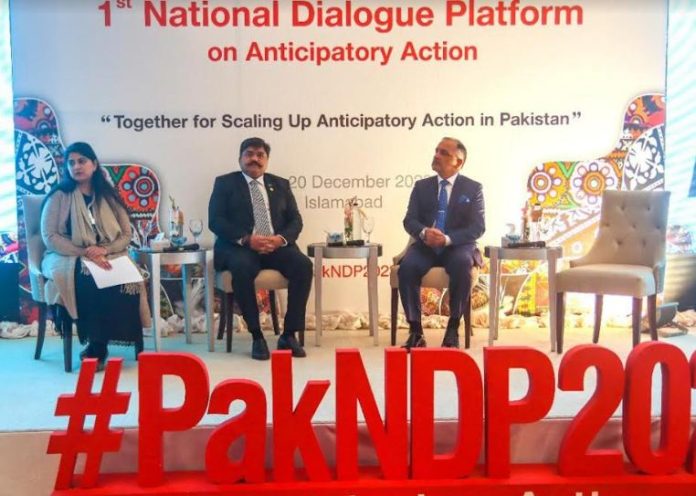
ISLAMABAD, [19 Dec] — Pakistan, grappling with an array of climate-induced and geo-meteorological challenges, is taking a substantial stride toward proactive disaster management. The Pakistan Red Crescent Society, German Red Cross, and The National Disaster Management Authority (NDMA), in collaboration with esteemed partners, including the International Federation of Red Cross and Red Crescent Societies (IFRC), Food & Agriculture Organization (FAO), World Food Programme (WFP), Welthungerhilfe (WHH), Concern Worldwide (CWW), and UN OCHA, organized the Inaugural National Dialogue Platform on Anticipatory Actions in Pakistan here on Tuesday.
The nation has been besieged by floods, heatwaves, Glacial Lake Outburst Floods (GLOF), droughts, cyclones, extreme cold and heat, forest fires, and earthquakes—each posing a severe threat to lives, displacing communities, and wreaking havoc on infrastructure. In response, this two-day event aspires to unite diverse stakeholders in a collaborative effort to craft a comprehensive roadmap for anticipatory action in Pakistan.
The event convened humanitarian actors, meteorologists, climate scientists, national governments, academia, community leaders, and decision-makers. Discussions revolved around constructing, reinforcing, and amplifying anticipatory action and forecast-based financing to mitigate the impact of anticipated disasters. Participants delved into strategies for integrating anticipatory action concepts into existing projects and advancing the utilization of weather and climate data for enhanced disaster preparedness.
In his opening remarks on the first day, Chairman PRCS Sardar Shahid Ahmed Laghari underscored the need for collaboration, stating, “In this era, our focus must center on climate-led initiatives linked with timely early actions to diminish the impact of disasters on vulnerable communities. COP28 discussions align with Anticipatory Actions as well. The National Dialogue Platform is a pivotal step towards building resilience, and the Red Crescent Society is committed to collaborating with all partners for effective anticipatory actions.”
He mentioned that PRCS would develop Early Action Protocols on the Indus River basin in highly vulnerable districts of Sindh, Punjab & KP. To achieve this target, PRCS looks forward to NDMA and other stakeholders at the provincial level for their support.
Lt. General Inam Haider Malik, Chairman NDMA, shared his perspective on the significance of the event, stating, “The challenges posed by climate-induced disasters necessitate a collective and anticipatory response. This platform offers an opportunity for all stakeholders to converge, share knowledge, and formulate strategies for proactive disaster management.”
He emphasized that this landmark event signifies Pakistan’s commitment to fostering resilience and collaboration in the face of climate-related challenges. By harnessing the collective expertise of diverse stakeholders, the National Dialogue Platform aims to chart the course for a more anticipatory and effective disaster management approach in Pakistan.
Ambassador of Jordan meets Privatization Minister

ISLAMABAD, Dec 19 (APP/DNA): Maen Khreasat, Ambassador of the Hashemite Kingdom of Jordan in Pakistan on Tuesday called on Caretaker Minister for Privatisation, Fawad Hasan Fawad, to discuss issues of mutual interest and cooperation that came under discussion at length.
The ambassador elaborated upon Jordan’s experience with privatization and the resulting benefits that have accrued to the Jordanian economy, said a press release issued by the Ministry of Privatization.
He explained the supportive policies adopted by Jordan have opened up the country for international investment from across the world.
The minister while citing similarities between the two brotherly countries appreciated the privatisation program of Jordan as a replicable model for Pakistan.
The minister apprised the ambassador on progress in the privatization process in Pakistan.
The potential areas for trade and investment between the two countries were also discussed.
The minister also expressed his gratitude to King Abdullah II Bin Al Hussein for his longstanding and continuous support for Pakistan.
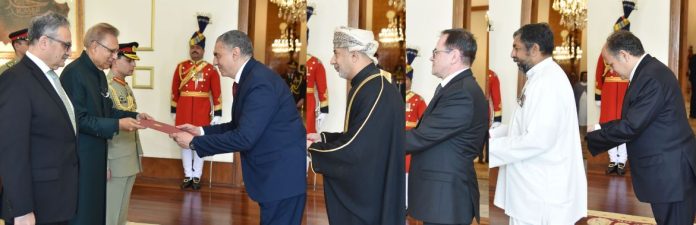
President for enhanced cooperation with Egypt, Oman, Bosnia & Herzegovina, Sri Lanka and Republic of Cyprus
DNA
ISLAMABAD, 19 Dec: President Dr Arif Alvi has underscored the need for increasing cooperation with Egypt, Oman, Bosnia, Sri Lanka and Cyprus in the fields of trade, economy, and culture.
He expressed these views while talking to the ambassadors-designate/High Commissioner of the Arab Republic of Egypt, Sultanate of Oman, Bosnia & Herzegovina, Republic of Cyprus and the Democratic Socialist of Sri Lanka, today. The envoys presented their diplomatic credentials to the President and separately called on him, at Aiwan-e-Sadr, today.
Welcoming the ambassador-designate of Egypt to Pakistan, Dr. Ihab Mohamed Abdelhamid Hassan, the President highlighted the importance Pakistan attached to its bilateral relations with Egypt reflected by shared bonds of common faith, cultural affinities and values between the people of the two brotherly countries. He emphasized the need for increasing the trade, economic and cultural cooperation between the two countries. The President expressed Pakistan’s deep concern over the killing of innocent people and the tremendous damage done to the public property in Gaza by the Israeli security forces. Dr. Ihab Mohamed Abdelhamid Hassan informed that Egypt was supporting the humanitarian aid to Gaza.
Talking to the Ambassador-designate of Sultanate of Oman, Mr. Fahad Sulaiman Khalaf al Kharusi, the President said that Pakistan and Oman enjoyed excellent relations in various fields. He informed the ambassador that Pakistan offered investment-friendly-environment to the foreign investors and had constituted, in this regard, Special Investment Facilitation Council (SIFC) that provided one window operation for investment in IT, cooperate farming, minerals and energy sector of Pakistan. The President also highlighted the atrocities being committed by India in Indian Illegally Occupied Jammu & Kashmir (IIOJ&K). The Ambassador conveyed His Majesty Sultan Haitham Bin Tarik best wishes for the people and government of Pakistan. He said that he would work for further improving bilateral cooperation between the two brotherly countries.
Welcoming the Ambassador-designate of Bosnia & Herzegovina, Emin Cohodarevic, the President stated that Pakistan deeply valued its friendship with Bosnia & Herzegovina based on brotherhood and mutual trust. He highlighted that there was tremendous scope to further increase cooperation in the areas of trade, economy and people-to-people contacts. The Ambassador said that he would work to further promote political, economic and cultural relations.
While speaking to the High Commission-designate of Sri Lanka, Admiral (R) Ravindra Chandrasiri Wijegunaratne, the President said that relations between the Sri Lanka and Pakistan had grown from strengthen to strength over last seven decades. He underlined the need for enhancing and strengthening cultural linkages between the two countries, besides exchanging visits at the political and cultural levels. The President acknowledged that Sri Lanka was the first country that entered into Free Trade Agreement with Pakistan and highlighted the need for increasing the volume of bilateral trade for the mutual benefits of two countries.
During his discussion with the Ambassador-designate of Republic of Cyprus, Mr Andreas P. Kouzoupis , the President said that Pakistan considered Cyprus as an important friend and wanted to further improve bilateral relations with Cyprus. He appreciated the Republic of Cyprus’ consistent support to Pakistan in the context of European Union. The President voiced strong concern over happenings in Gaza, stating that Israeli security forces had crossed all limits by killing innocent people, including children and women.
The President congratulated the envoys on their appointments and expressed the hope that they would play their role to further boost bilateral cooperation with Pakistan.
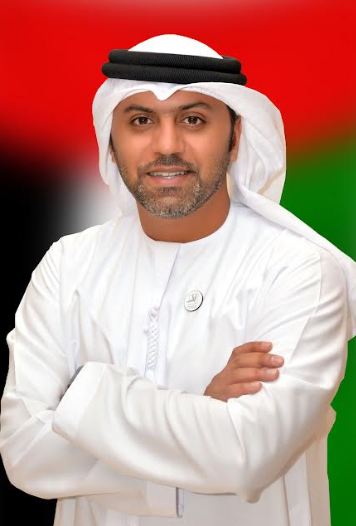
UAE Ambassador: The artificial rain project in Lahore has achieved unprecedented successes
DNA
Islamabad: The Ambassador of the United Arab Emirates in Islamabad His Excellency Hamad Obaid Al Zaabi said that the fruits of the first artificial rain project of the UAE to mitigate the dangerous effects of the smog affecting Lahore have achieved successes and positive results so far and will continue in the coming weeks, Ambassador Al Zaabi said that the artificial rain project in Pakistan specifically in the Lahore city came under the direct patronage and supervision of His Highness Sheikh Mansour bin Zayed Al Nahyan, Vice President of the UAE, Deputy Prime Minister and Minister of presidential court, and through this project unprecedented scientific successes were achieved.
The UAE ambassador spoke about the artificial rain project in Pakistan and said that it comes in a step to combat high levels of air pollution, as the residents of Lahore city witnessed the first artificial rain on 16 December, and will continue in coming week, the initiative which was conducted by the government of the United Arab Emirates in cooperation with the Federal government of Pakistan and the government of Punjab province aims to mitigate the dangerous effects of smog affecting the city and its population of more than 22 million people, at the same time artificial rain was implemented which covered 10 – 15 kilometers area in Lahore.
The Ambassador of the United Arab Emirates in Islamabad announced the success of the artificial rain experiment and said: “This plan was implemented precisely in specific areas of Lahore, and light rain fell in 10 targeted areas.” the cloud seeding process included the deployment of 48 flames to stimulate rain, Ambassador Al Zaabi stressed that the UAE’s support for the artificial rain project initiative is extremely important, as only water was used which does not pose any harm to health, he gave the example of Dubai and some American states that conducted rain seeding operations.
Ambassador Hamad Al Zaabi spoke about the UAE Research Program for Rain Enhancement Science and said that it is an international research initiative launched by His Highness Sheikh Mansour bin Zayed Al Nahyan, Vice President of the UAE, Deputy Prime Minister and Minister of presidential court in 2015 to develop rain enhancement research in the UAE and support research proposals and innovative technologies that contribute to addressing water scarcity issues in arid and semi-arid regions by providing a financial grant to selected teams of researchers and scientists.
He pointed out that the Emirates Research Program for Rain Enhancement Science selects every two years two of the most distinguished research projects in the field of rain enhancement from all over the world, and provides a financial grant of up to 1.5 million US dollars for each research project distributed over 3 years at a rate of 550 thousand dollars per year, Ambassador Hamad Al Zaabi said that the program has so far provided financial grants worth more than $18 million to implement 11 innovative research projects in the field of rain enhancement, these projects work to develop new sciences and technologies to support rain enhancement operations in the United Arab Emirates and also contribute for deepening global knowledge of rain enhancement science and technology.
The Ambassador spoke about artificial cloud seeding and said that it is a process of deliberate change in the weather, whereby clouds are stimulated to drop their hidden water or frozen snow over specific geographical areas through specific chemical or biological factors that are dropped into the cloud mass to increase the density of cloud and water vapor that later falls in the form of rain and snow, and the artificial cloud seeding is used for the following goals: 1- increasing rainfall in areas that do not witness much rainfall, 2- cleaning or cooling the air, 3- preventing storms and reducing hurricanes as a result of early rainfall, 4- reducing the heat of the sun by increasing the mass of clouds.
At the conclusion of his talk about the cooperation project between the UAE and Pakistan, Ambassador Al Zaabi said that the process of artificial rain seeding is carried out by planting clouds for condensation or catalysts for rainfall, as these catalysts are planted by aircraft or ground cannons using various materials such as dry ice, solid carbon dioxide, silver iodide, calcium chloride, sodium chloride, and water mist, and the process in which silver iodide is used to control the acceleration of the rainfall process is considered the most famous process used for artificial cloud seeding, as it works to increase the density of clouds above their normal rate which makes the ice crystals inside the clouds freeze and then fall due to their weight to the ground before the rising heat returns them near the surface to its liquid state again, and to enhance the guarantee of the success of the artificial cloud seeding process, several natural factors must be present that help in cloud seeding such as the presence of cumulus clouds, the presence of rising air, determining the appropriate time for cloud seeding, and knowing the appropriate amount of stimulating materials that must be injected into the clouds.