Home Blog Page 1011

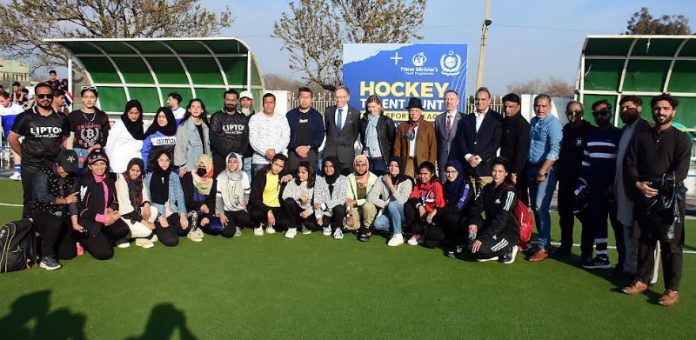
Dutch OHC Bully Hockey Club wins 3-match series

Dutch OHC Bully Hockey Club wins 3-match series

Best HEC team on penalty shoot-out

DNA/Sports Desk

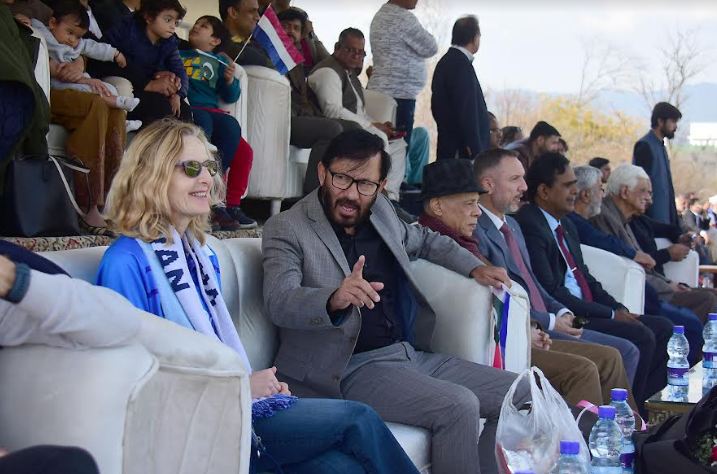
ISLAMABAD: The Dutch hockey club OHC Bully won hockey series by defeating HEC team on penalty shoot-outs. The two matches players earlier in Lahore ended in a draw. The hockey series was facilitated by the Khawaja Junaid academy, run by Olympian Khawaja Junaid.

High Commissioners of Australia Neil Hawkins, Ambassadors of Brunei, Romania, Kyrgyzstan and Morocco also witnessed the final match apart from a large number of spectators.

International Umpire Sohail Janjua of the Rising Stars Hockey club supervised the final match along with the Dutch. President of Rising Stars Hockey Club Mehmood Ahmed along with team members and officials of the Rising Stars Hockey Club presented a souvenir to the Dutch hockey team.

The female players of the Rising Stars club acted as the support ground staff. Azeem Jutt, Ali Rizwan and Adnan headed the Jury.

Speaker PA administers oath to newly elected members

Speaker PA administers oath to newly elected members

LAHORE, /DNA/ – Punjab Assembly Speaker Muhammad Sibtain Khan administered oath to the newly-elected  members of the Punjab Assembly (PA) during the 42nd session at the assembly chambers here on Friday.

The speaker chaired the session and felicitated the 315 members provincial assembly (MPAs)  on taking oath of their. He expressed the hope that they will discharge their duties to

the aspirations of the masses.

Earlier, the PA session started two hours behind its scheduled time of 10 am. Punjab Assembly Secretary Amer Habib, on the directions of the Chair, announced the Panel

of Chairman comprising MPAs Malik Muhammad Ahmed Khan, Syed Ali Haider Gilani, Saima Kanwal  and Raheela Naeem.

The Secretary also announced the announced a schedule of the election to the office of the  Speaker and Deputy Speaker PA.

According to the schedule, the nomination papers for the Speaker and Deputy Speaker may be  submitted by 5 pm on Friday (today). The scrutiny of the nomination papers for the Speaker will

be held at 5.10 pm while scrutiny of the Deputy Speaker’s nomination papers will be at 5.20 pm.

The election of the Speaker and Deputy Speaker will be held on February 24, 2024 (Saturday)  through secret ballot in the assembly chambers.

Speaker PA Muhammad Sibtain Khan will chair the election of the incumbent Speaker PA while  the newly elected Speaker by the House will conduct the election of the Deputy Speaker.

The PML-N has nominated Vice President, Chief Organizer Maryam Nawaz Sharif for the Chief  Minister Punjab. The Chief Minister Punjab designate Maryam Nawaz Sharif has resigned from the  National Assembly (NA 119) seat and taken oath as MPA Punjab Assembly.

PSL 9: Multan Sultans suffer injury setback

PSL 9: Multan Sultans suffer injury setback

Olly Stone has been ruled out of the Pakistan Super League (PSL) season nine because of an injury in his right groin. Multan Sultans will apply for his replacement in due course, according to the franchise. 

The English speedster was injured during his first match of PSL 9 against Islamabad United on February 20. He was forced to walk off the field without completing the remaining two balls of his fourth over.

Sultans are currently at the top of the points table with three wins in as many matches and will face Peshawar Zalmi on their home turf today. 

Under the leadership of Mohammad Rizwan, Multan Sultans convincingly defeated the defending champions, Lahore Qalandars, in their last game.

Despite Qalandars’ attempt to make a match out of their total of 166 in the first innings, Rizwan anchored the innings with 82 runs before departing with over 50 runs still needed for victory.

Multan Sultans faced a challenging situation until the experienced finisher Iftikhar Ahmed unleashed a destructive onslaught. He hammered 24 runs in Zaman Khan’s final over, securing victory for his side with six balls to spare.

Under the captaincy of Babar Azam, Peshawar Zalmi continue to struggle, failing to secure a victory in the ongoing PSL 2024 season despite a commendable performance from the captain.

In their recent clash against Karachi Kings, Zalmi posted a modest total of 154 runs, proving insufficient against the formidable Kieron Pollard.

Seeking IMF’s help; PTI’s Misguided Move

Qamar Bashir

By  Qamar Bashir

The decision by the former PTI chairman to petition the IMF for an electoral audit of disputed election results struck many, including myself and various opinion leaders, as a startling and misguided move. This request, especially coming from a party with a strong legal cadre, seemed out of place given the IMF’s well-defined mandate. The IMF focuses on international monetary stability and economic support, dealing with financial assistance, economic stability, and growth through policy reforms. It does not involve itself in a nation’s electoral matters or judicial grievances, which are sovereign issues. The appeal to the IMF for electoral scrutiny not only deviates from its established role but also risks diminishing our standing by misunderstanding the scope of international institutions.

The decision by PTI’s leadership to seek IMF intervention in electoral matters might reflect a profound mistrust in national institutions. This disillusionment could stem from various grievances: the establishment’s overt antagonism, the Election Commission’s invalidation of PTI’s internal elections and subsequent stripping of its election symbol, which critically weakened the party’s standing. Additionally, the overwhelming legal challenges faced by the PTI chairman, with over 200 cases lodged against him, and a perceived judicial ineffectiveness, where court orders seem disregarded and the only recourse for arrested and humiliated PTI members appears to be public disavowal of their allegiance, further exacerbate this trust deficit.

The erosion of trust in the judiciary was compounded when the Supreme Court confirmed the Election Commission’s decision to strip PTI of its election symbol. This sentiment deepened with a landmark ruling that invalidated Imran Khan’s marriage to Bushra Bibi, a decision unprecedented in the context of Islamic jurisprudence. Successive convictions of Imran Khan in high-profile cases, such as the Cypher, Toshakhana, and the legality of his marriage, further alienated PTI supporters, especially as numerous other legal challenges loom on the horizon.

The disillusionment with the country’s institutions extended to the pre-election phase, where PTI faced considerable obstacles in organizing public gatherings. When these events did proceed, media coverage was often suppressed. The shift to digital campaigning saw further challenges, with internet and mobile services being disrupted or throttled. This not only targeted PTI but also impacted businesses, trade, and the broader populace, exacerbating the already compromised reputation of the nation.

Some may argue that involving an international entity like the IMF could introduce transparency and impartiality into the audit process, addressing the trust deficit with domestic institutions. This approach might not only ensure fairer electoral practices but also spotlight alleged irregularities on a global stage, fostering international advocacy for democratic integrity in Pakistan. Conversely, this strategy might displease even some PTI supporters who favor internal resolution of issues, fearing it could fragment the party’s unity. They contend that despite the flaws of national institutions, struggles should remain within the constitutional and legal boundaries, advocating for a domestic, democratic push for reform without foreign intervention or influence on sovereign matters.

Critics argue that while such actions might not directly harm the establishment, judiciary, or government officials who would continue to receive their salaries, the real brunt of economic fallout from a halted IMF negotiation, prompted by PTI’s request, would be borne by the common people. This could exacerbate unemployment and inflation, already at record highs, pushing millions more into poverty.

They suggest learning from past experiences, like the repercussions of alleging foreign involvement in regime change, which cost PTI its government and led to legal troubles for its members. Instead of risking further isolation and legal action by engaging with international bodies like the IMF in domestic political disputes, they advocate for a more cautious approach that avoids giving the government and establishment reasons to target PTI and its leadership.

Critics might argue that soliciting foreign intervention in political and electoral issues could be perceived as undermining national sovereignty, potentially fueling nationalist and anti-PTI sentiment. Such a move risks politically isolating the PTI both within Pakistan and on the international stage, as it could be viewed as an excessive measure or a misuse of international institutions for domestic political conflicts.

This strategy could arm opponents with grounds to accuse PTI of treason, leading to possible legal actions against its leaders, a ban on the party, and the nullification of its electoral achievements in 2024.

Furthermore, there’s concern that this approach could prompt a coordinated media and civil society backlash against PTI, labeling the act as unpatriotic and anti-state.

Prime time TV shows might be pressured to denounce PTI’s actions, while ad campaigns across traditional and social media could further condemn the party.

Engagement of civil society groups to criticize PTI could lead to a significant loss of the political capital the party gained following its strong performance in the 2024 elections, especially if media outlets that had previously shifted their support towards PTI due to perceived election rigging and the treatment of its members reverse their stance.

Media analysts might critique PTI for its tendency to repeat past mistakes without considering the broader implications for national sovereignty and dignity. Despite PTI’s professed commitment to upholding the country’s honor, its actions, perceived as impulsive, often put its narrative and principles at risk. This pattern of behavior, as observed by commentators, suggests a cycle where lessons from previous setbacks are not fully absorbed or integrated into future strategies, challenging the party’s ability to maintain its narrative consistency and political credibility.

Now that the arrow has been fired, and damage has been done, the PTI should adopt a  comprehensive and sustained strategy to damage control.

They should give positive spin to this blunder by framing PTI’s decision to internationalize the issue of electoral integrity in Pakistan to the party’s commitment to transparency and fair play, highlighting how this unprecedented step could pave the way for more accountable electoral processes.

The narrative could focus on the need for impartial oversight in the face of domestic challenges and frame the move as a proactive approach to safeguarding democracy.

This spin would portray PTI as a forward-thinking party willing to explore all avenues to ensure the sanctity of the electoral process, thus aligning its actions with global best practices for democratic governance.

Open dialogue, transparency in their actions, and a unified front from leadership at all levels will be crucial in navigating criticism and reinforcing the party’s commitment to strengthening Pakistan’s democratic processes.

By  Qamar Bashir

Former Press Secretary to the President – Former Press Minister to the Embassy of Pakistan to France – Former MD, SRBC

APNS Secy General Sarmad Ali says Media cooperation plays a vital role in fostering communication

APNS Secy General Sarmad Ali says Media cooperation plays a vital role in fostering communication

Int’l Conference on ‘Role of Media in Enhancing the Global Connectivity through BRI’ held

DNA

      ISLAMABAD, Speakers at a one-day international conference on “Role of Media in Enhancing Global Connectivity through the Belt and Road Initiative” held here explored the impact of media on increasing global awareness about the current challenges and paving the way for more interconnected and mutually beneficial relationships for future generations.

The conference was jointly organized by China Media Group (Islamabad Studio), Department of Arts and Media, Foundation University, Islamabad (FUI), and the Pakistan Research Centre for a Community with Shared Future (PRCCSF), Islamabad, on Thursday.

The conference was aimed at learning about the core values of Chinese journalism, exploring their impact on reporting standards and public discourse, and exploring the proactive role of Chinese media in promoting Chinese culture to increase global awareness and understanding of the complex nuances of Chinese cultures.

Chinese media actively emphasizes how the BRI promotes trade, attracts investment, and expands the markets of participating countries.

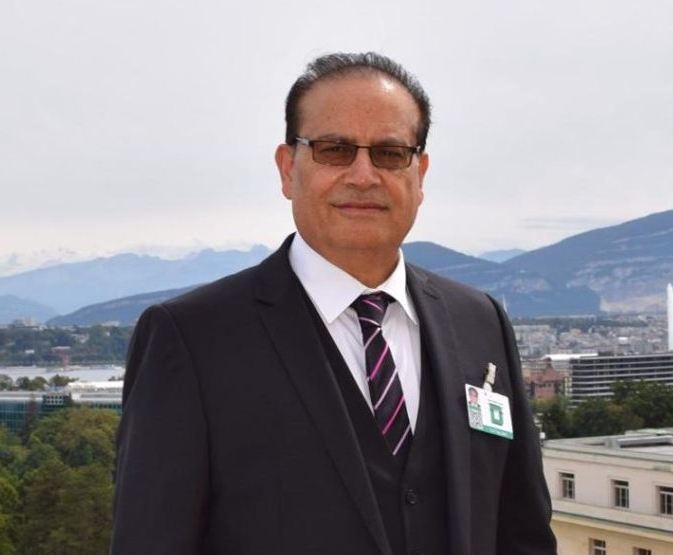
Bureau Chief, China Media Group (Islamabad Studio), Islamabad Office, Ms. Jianing Du, presented a speech on “China-Pakistan Media Cooperation to Support the Development of the CPEC: Taking the CMG’s Communication Practice in Pakistan.”

Former Federal Secretary of Information, Mr. Ashfaq Gondal, presented a speech on analyzing the geopolitical impact of the Belt and Road Initiative on the participating countries and the broader international community.

Earlier in his opening remarks, Rector/Pro-Rector Foundation University, Islamabad, Brig. (R) Dr. Abdul Ghafoor, highlighted the role of Chinese media in promoting positivity, maturity, and constructive reality.

He highlighted the establishment of a regional media connectivity center to conduct various joint projects, including conferences, training, and exchange learning programs, to achieve shared aspirations.

Head Department of Arts and Media, FUI, Dr. Hina Shahid, in her speech on the role of media in constructing reality, discussed the role of the media in framing reality.

She noted, “It’s crucial to acknowledge that the media’s role in constructing reality is not inherently negative.”

She highlighted, “Chinese media plays a crucial role in generating public support and enthusiasm for the Road and Belt initiative projects by increasing awareness and disseminating correct information.”

Secretary General of the All Pakistan Newspaper Society (APNS), Sarmad Ali, presented a speech on “Conceptualizing the Belt and Road Initiatives through the Pakistani Lens.”

He noted, “Media cooperation plays a vital role in fostering communication and coordination, which is significant for promoting a positive image of China and global development cooperation.”

“As we strengthen bonds of friendship and cooperation between the peoples of Pakistan and China, media cooperation has the potential to pave the way for a more interconnected and mutually beneficial relationship for generations to come,” SG said.

Chairman, Implementation Tribunal for Newspaper Employees (ITNE), Shahid Mehmood Khokhar, Chairman, Board of Experts, PRCCSF, and Ovais Ali Khokhar, Head of the Social Sciences Department, Bahria University, Islamabad, Dr. Adam Saud, also spoke on the occasion.

On the sidelines of the conference, a poster exhibition titled “Belt & Road Initiative: A Journey towards a Prospective Future” was held, which was very successful.

The winners were announced for the top ten participants who skillfully portrayed the theme and showcased their stories with remarkable results

Leading the Industry: Pearl-Continental Bhurban sets benchmark in food safety

Leading the Industry: Pearl-Continental Bhurban sets benchmark in food safety

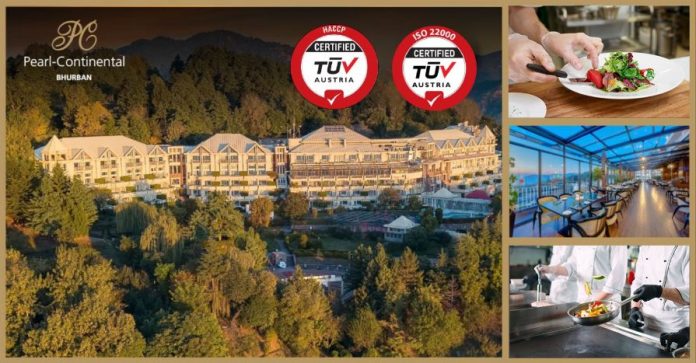
Pearl-Continental Hotel, Bhurban Attains ISO-22000 & HACCP Food Safety Management Recertifications with 100% Compliance for The Second Year Running

ISLAMABAD, FEB 21 (DNA) – Pearl-Continental Hotel, Bhurban has been recertified by ISO-22000:2018 and HACCP, an esteemed international standard for food safety management, with 100% compliance two years in a row.

ISO-22000 is an internationally accepted standard for food safety management systems, providing a comprehensive framework to ensure the safety of food products throughout the supply chain. It covers processes from primary production to consumption, emphasizing a holistic approach to food safety.

Hazard Analysis and Critical Control Points (HACCP) is a systematic approach to food safety that identifies, evaluates, and controls potential hazards throughout food production. Developed in the 1960s by NASA in collaboration with the Pillsbury Company to ensure the safety of space food, HACCP has since become a global standard in the food industry.

The recertification audit, conducted by the globally renowned TUV Austria, encompassed on-site evaluations and a meticulous examination of documentation, policies, and procedures. No major or minor non-conformity was identified during the comprehensive assessment, showcasing the team’s unwavering commitment to maintaining the highest standards in food safety.

Addressing the positive audit results, Chief Operating Officer, Hospitality and Education Division, Hashoo Group, Haseeb A. Gardezi remarked, “We have a longstanding reputation for exceptional service standards and commitment to excellence in all hospitality avenues. Our pledge will only grow stronger with such humbling accolades, spurring our motivation for the future.”

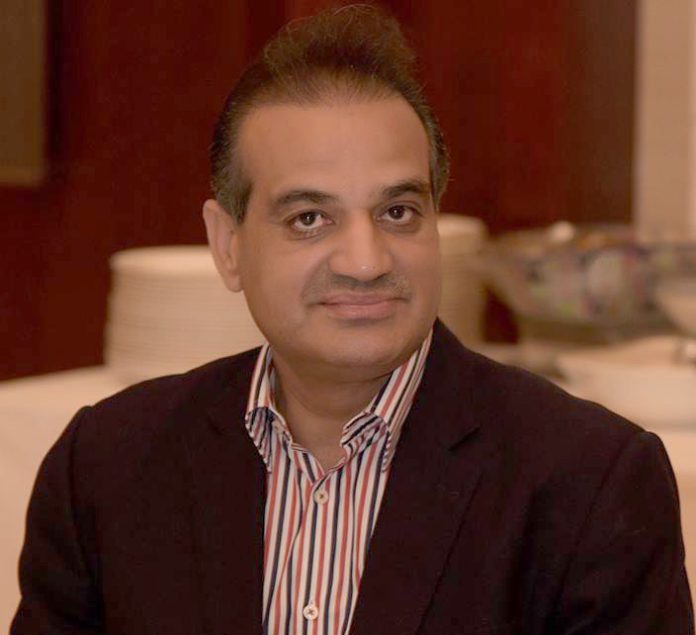
General Manager, Pearl-Continental Hotel, Bhurban, Nadeem Chaudhary shared his thoughts on the achievement, “We strive to provide the best-in-class services for our valued guests and continue evolving our processes and procedures to maintain quality at par with global standards. Thank you for your continued trust; we are grateful to receive these recertifications and will continue enhancing our services to stay at the top of our game.”

The auditors commended the team for their dedication and also lauded the sustainability initiatives spearheaded by senior management. The Sewage Treatment Plant (STP) project at Pearl-Continental Bhurban, which utilizes live bacteria to treat and recycle wastewater while converting it into organic fertilizer, was also praised.

Hashoo Group is Pakistan’s premium conglomerate with a diversified business portfolio spanning national and international markets. The Group owns and operates the Pearl-Continental Hotels & Resorts, PC Legacy, and Hotel One brands in Pakistan and has business interests encompassing the information technology, investment, travel & tourism, and real-estate sectors.

PPP, PML-N forge ‘marriage of convenience’

The PML-N government is undoubtedly poised to encounter a multitude of challenges. Operating as a fragile minority government, its continual reliance on the PPP for survival adds an additional layer of complexity

Analysis

Ansar M Bhatti

Islamabad: In a significant development, the PML-N and the PPP formalized an alliance Tuesday night, marking a crucial step towards government formation and bringing an end to the prevailing uncertainty and chaos albeit for a while. However, the nature of this partnership remains uncertain, raising questions about whether it is grounded in substantial principles or merely a strategic alliance of convenience.

Earlier this week, on Monday, February 19, 2024, this newspaper reported on the success of government formation talks, outlining the path for collaboration between the two parties in the upcoming administration. According to the agreed-upon formula, the PPP is set to secure the Presidency, Governorships of Punjab and Khyber Pakhtunkhwa, Senate chairmanship, Balochistan chief ministership, and the deputy speaker position in the National Assembly.

Despite this agreement, a notable point of contention has emerged regarding the selection of the next Chairman of the Senate. While the influential forces advocate for the appointment of caretaker Prime Minister Anwaarul Haq Kakar to this role, the PPP is pushing for the elevation of Senator Salim Mandivala to the position. Former Prime Minister Yousaf Raza Gillani may also be another potential candidate.

In the race for the Governorship of Punjab, the names under consideration include former Information Minister Qamar Zaman Kaira, Makhdoom Ahmed Mahmood, and Afzal Chan. Among these contenders, Makhdoom Ahmed Mahmood and Qamar Zaman Kaira emerge as strong candidates for this prestigious position.

In this negotiated settlement, the PML-N will assume key roles and responsibilities, securing the Prime Minister’s office, the Chief Ministership of Punjab, and the Speaker position in the National Assembly. Additionally, the party will have the privilege of nominating governors for both Baluchistan and Sindh provinces plus all the tension and headache as it has to take full responsibility when it comes to governance and sorting out fiscal as well as political issues because the PPP shall not be part of the Cabinet and decision making, at least for the moment.

The PPP’s decision to refrain from joining the Cabinet raises concerns for the stability of the PML-N-led government. This move not only fuels existing speculations about the government’s ability to complete its full five-year term but also hints at the possibility of a calculated strategy. Perhaps, this intentional choice is aimed at facilitating a seamless transition of power possibly in a few years, allowing for a change of guards without unnecessary complications or disruptions.

The persistent challenges confronting the PTI founding chairman are anticipated to endure, yet the party has demonstrated a remarkable resurgence and vitality following its impressive performance in the 2024 general elections. With the possibility of coalition governments formed by the PML and PPP, it becomes crucial to establish a robust opposition, functioning as a vigilant watchdog to prevent the coalition from navigating too smoothly in both national and provincial assemblies. This development holds promise for PTI members, providing them with a potential opportunity to constitute a formidable opposition. The PTI members can anticipate finding solace, as a significant number of them have emerged from their hibernation.

The upcoming assumption of government in the KP province and its role as the potential opposition in the National and Punjab assemblies are likely to bolster its position even more. Despite ongoing challenges, the PTI’s recent electoral success has injected a sense of resilience and optimism within the party, setting the stage for a potentially transformative period in its political trajectory.

It is widely acknowledged that, in addition to internal dynamics, external factors also wield significant influence in shaping and dismantling governments in Pakistan—an enduring reality. The impending change of administration in the United States later this year could exert a notable impact on the political landscape of Pakistan. The potential victory of Donald Trump in the U.S. elections has been viewed by Senator Mushahid Hussain as a potential boon, particularly for the Pakistan Tehreek-e-Insaf (PTI). Without mincing words, Senator Hussain has forecasted that a Trump triumph may swiftly alter the political trajectory in Pakistan in favour of beleaguered PTI.

As the political landscape continues to evolve, it remains to be seen how this newly formed alliance will navigate the complexities of governance and whether it will stand the test of time beyond its immediate purpose. It remains a fact that the

The Pakistan Tehreek-e-Insaf (PTI) has emerged as the most popular political party, demonstrating resilience in the face of numerous challenges. Despite encountering various obstacles, the party has successfully secured more seats than its counterparts, the Pakistan Muslim League-Nawaz (PML-N) and the Pakistan People’s Party (PPP). This electoral success solidified PTI’s position as a legitimate contender for forming the government.

The PML-N government is undoubtedly poised to encounter a multitude of challenges. Operating as a fragile minority government, its continual reliance on the PPP for survival adds an additional layer of complexity. Furthermore, the administration finds itself in a precarious position as it lacks the moral authority bestowed by the masses, who did not grant it a clear mandate to govern the country. In essence, the success of the PML-N government hinges on its ability to transform adversity into opportunity. Anything less than an extraordinary performance may jeopardize the future of the party.

Russian Defenders Day celebrated

Russian Defenders Day celebrated

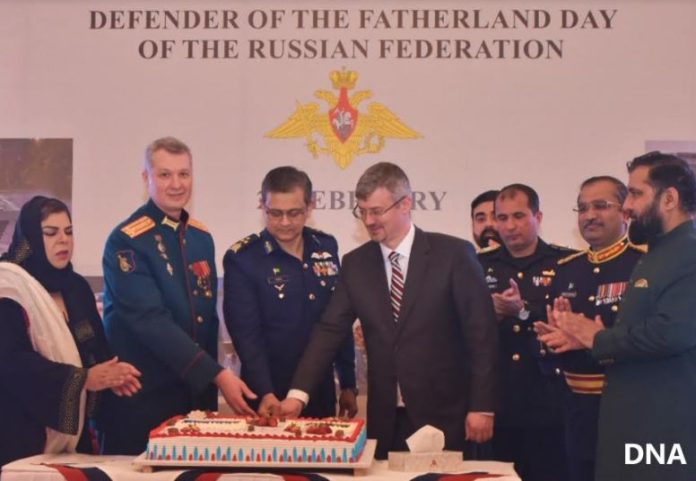
ISLAMABAD, FEB 21: /DNA/ – Chief guest Air Vice Marshal Abid Latif , of Pakistan Air Force, Ambassador of the Russian Federation Albert P Khorev, Defence Attache Colonel Vadim N. Fenchenko and others cutting cake to celebrate the Defender of the Fatherland Day, of the Russian Federation. DNA

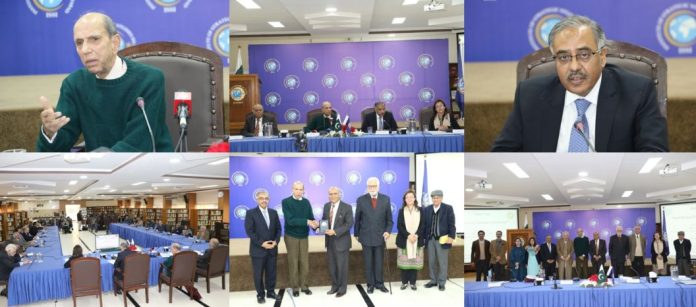
ISSI hosts Public Talk on “Stabilizing Pakistan’s Economy”

ISSI

ISLAMABAD, FEB 21: /DNA/ – The Centre for Strategic Perspectives (CSP) at the Institute of Strategic Studies Islamabad (ISSI), organized a Public Talk on “Stabilizing Pakistan’s Economy.” The Guest Speaker at the event was Mr. Mueen Afzal, Former Secretary General, Ministry of Finance and Economic Affairs, Pakistan.

In her introductory remarks, Dr. Neelum Nigar, Director CSP, emphasized the significance of today’s talk, which delves into a crucial topic. The economy has faced severe macroeconomic imbalances, with the recurring balance of payments crises, shortages of foreign exchange, and above all a lot of fiscal indiscipline. The economy has not been able to take off even with the series of financial stimuli provided by international financial institutions. This underscores the necessity to comprehend the fundamental aspects of the economy, allowing us to present practical policy recommendations.

In his welcome remarks, DG ISSI Ambassador Sohail Mahmood highlighted the significant economic challenges that Pakistan is currently facing, fostered by both internal and external factors, including the impact of global economic slow-down, Covid-19 pandemic, and food and fuel crises in the wake of Russia-Ukraine conflict and situation in the Middle East. He noted that Pakistan is grappling with a dual deficit challenge, involving both fiscal and current accounts, ultimately leading to a debt trap. Furthermore, the economy is confronted with rising inflation, food insecurity, energy crisis, and unemployment, adding to the already formidable set of challenges. These hurdles have hindered the nation’s path to achieving sustainable growth. Ambassador Sohail Mahmood further emphasized that the implementation of necessary corrective measures, including redirection of resources toward social sectors, has been hindered by fiscal constraints, also resulting in a sluggish GDP growth rate. To stabilize the economy, a comprehensive but targeted approach is imperative, entailing sustained long-term growth through structural adjustments within the economic framework.

During his address, Mr. Mueen Afzal shed light on the recent challenges confronting the Pakistani economy. He attributed the country’s economic woes to the misallocation of human resources. Mr. Afzal emphasized that while economic crises are surmountable, they necessitate a rigorous reform process. He highlighted the potential benefits of investments like CPEC, stressing that they must be utilized prudently. Mr. Afzal argued that stabilizing the economy relies on attaining sustainable growth, necessitating a minimum GDP growth rate of around 5 percent. Specifically, he stressed combating poverty and inequality; fiscal discipline; increasing savings and revenues; responsible management of debt; trade diversification; conducive environment for FDI; structural reforms; and, above all, ‘sensible decisions.’ He underscored that the foremost concern presently is the escalating inflation, which impacts both exchange rates and interest rates.

Moreover, Mr. Mueen Afzal addressed the recurring challenge of the balance of payments, advocating for a strategic focus on trade policies and diversification of exports as imperative solutions. A manageable current account balance, he noted, is vital for maintaining a stable rupee, a prerequisite for sustainable growth. In conclusion, he pointed out that Pakistan’s public spending is limited, remaining below 20 percent. This limitation hinders investment in crucial public infrastructure, further worsening inequality within the nation.

Following the presentation, participants engaged in an interactive discussion. The event concluded with a vote of thanks delivered by Ambassador Khalid Mahmood, Chairman of the Board of Governors at ISSI.

Religious scholars, leaders urge political parties to forge ‘Pakistan Accord’ for 25 years to avoid crisis

Religious scholars, leaders urge political parties to forge ‘Pakistan Accord’ for 25 years to avoid crisis

PUC hosts Convention for Pakistan Accord, calls for unity amongst stakeholders

Emphasis on political stability: Ulema, Mashaykh stress link with economic prosperity

Electoral disputes resolution: Ulema, Mashaykh urge impartial role of ECP, judiciary

Pakistan Accord: Pathway to national unity, prosperity; say religious scholars, leaders

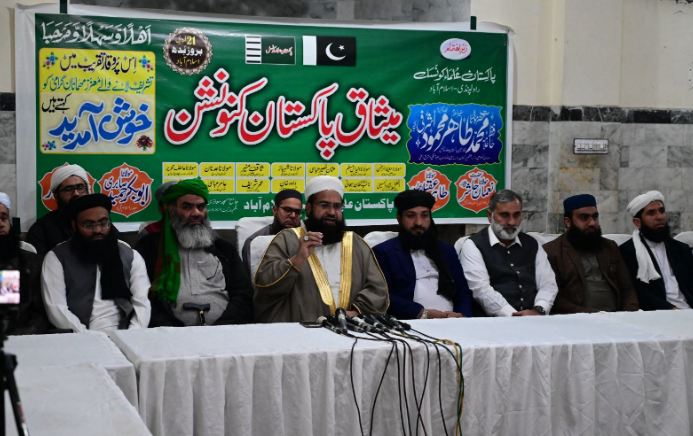
ISLAMABAD: Feb 21: /DNA/ – Religious scholars and leaders on Wednesday urged political parties to forge a national accord requiring collective efforts to steer clear from any crisis.

This call was made during the “Convention for Pakistan Accord’ held here under the auspicious of Pakistan Ulema Council (PUC) under the visionary leadership of Chairman Hafiz Muhammad Tahir Mahmood Ashrafi, seeing the participation of religious scholars and leaders from various schools of thought.

They emphasized the necessity for all stakeholders, including the Pakistan Armed forces, judiciary, and all political and religious factions, to come together and formulate a covenant for the betterment of the nation. This covenant, named the Pakistan Accord, should outline the trajectory for the country’s next 25 years, they added.

In their joint declaration, they highlighted that political parties must accept each other’s mandate and resort to the Constitution and law to resolve electoral disputes. They urged Election Commission of Pakistan (ECP) and judiciary to play impartial roles into the matter.

Ulema and Mashaykh emphasized that economic stability was intricately linked with political stability, and without the latter, the former could not be achieved. They pointed out that Pakistan faces several challenges, and addressing them requires cooperation from all democratic societies.

They stressed that all parties should accept the results of general elections and work together to resolve the country’s pressing issues. However, they raised the concerns regarding the dissatisfaction expressed by certain political parties over the results of the elections held on February 8.

Regarding electoral results, they reiterated that parties with doubts and suspicions should adhere to the Constitution and law, and the ECP should promptly address their concerns. It was deemed unacceptable to push the country towards unrest under any circumstances, they said adding that the ECP and judiciary should play impartial roles in resolving electoral disputes to ensure the satisfaction of all parties.

The religious scholars and leaders emphasized the importance of fostering an environment of tolerance and mutual respect among all political parties, aiming to eliminate past animosities and give each other due space to end intolerance in the country.

They stated that the Pakistan Armed forces, judiciary, and all political and religious groups should sit together and unite under a comprehensive Pakistan Accord. They said it should outline a unified plan for steering beloved country for the next 25 years, addressing both internal and external challenges and finding effective solutions for economic crisis and combating extremism, terrorism, and youth radicalization.

Furthermore, they proposed that Pakistan’s foreign policy, along with improving relations with friendly countries, should also focus on alleviating poverty and unemployment through a plan for youth rehabilitation, aiming to eliminate extremism and terrorism.

They concluded by asserting that all stakeholders must come together to formulate a consensus policy, which should be declared a national policy, and any government, irrespective of its origin, should accept it in a coherent manner. “The path we stand on today is the right path, and any experimentation with the situation will only lead to serious consequences,” they opined.

They, applauding services of the Pakistan Army and security agencies in maintaining peace and security during the general elections, attributed their efforts to be commendable and praiseworthy.

Stay Connected

64FansLike
60FollowersFollow

Latest Reviews

Exchange Rates

USD - United States Dollar
EUR
1.17
GBP
1.35
AUD
0.72
CAD
0.73