DNA
GENEVA: The United Nations has warned that Afghanistan is heading toward a worsening food security crisis, with millions more people expected to face acute hunger during the upcoming winter lean season.
According to the UN Office for the Coordination of Humanitarian Affairs (OCHA), the number of people experiencing acute food insecurity is projected to increase to 19.2 million between November and April, a period when food availability declines and harsh weather conditions make access to assistance more difficult.
Speaking at a press briefing in Geneva on Tuesday, OCHA spokesperson for Afghanistan Olga Cherevko said that around five million people are expected to face emergency levels of hunger during the winter months. She described the situation as deeply concerning, noting that emergency-level food insecurity is “one step away from famine.”
The warning highlights the continuing humanitarian challenges faced by Afghanistan, where years of conflict, economic instability, climate-related shocks, and widespread poverty have left millions dependent on humanitarian assistance. Despite some improvements in local agricultural production in certain areas, many Afghan families continue to struggle to meet their basic food needs.
Humanitarian agencies fear that the arrival of winter will further worsen conditions, particularly in remote and mountainous regions where snowfall often cuts off access to communities. Rising unemployment, reduced household incomes, and limited economic opportunities have compounded the difficulties faced by vulnerable families.
The United Nations and aid organizations have repeatedly called for increased international support to prevent the crisis from escalating. Humanitarian workers emphasize that timely funding is essential to provide food assistance, healthcare, shelter, and other critical services to those most at risk.
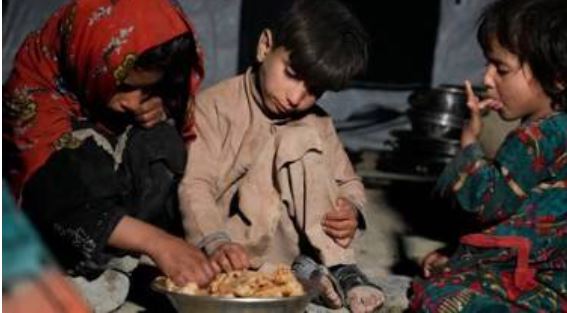
Aid agencies warn that children, women, the elderly, and people displaced by conflict are among the most vulnerable groups. Prolonged food shortages can lead to higher rates of malnutrition, especially among children, increasing the risk of disease and long-term health complications.
The UN has stressed that while humanitarian assistance continues to reach millions of Afghans, funding shortfalls remain a major challenge. Relief organizations say additional resources are urgently needed to sustain operations throughout the winter and to protect communities from falling deeper into crisis.
As temperatures begin to drop across the country, humanitarian officials are urging the international community to act quickly. Without sufficient support, millions of Afghans could face severe hardship in the coming months, with five million people at risk of experiencing hunger levels just short of famine.
The latest projections underscore the scale of Afghanistan’s ongoing humanitarian emergency and the urgent need for coordinated global efforts to address food insecurity and support vulnerable populations across the country.