Meanwhile, the Arab League issued a strong condemnation of Israel’s latest airstrikes on Lebanon. The organization described the attacks as a violation of international law and a threat to regional stability
News Desk
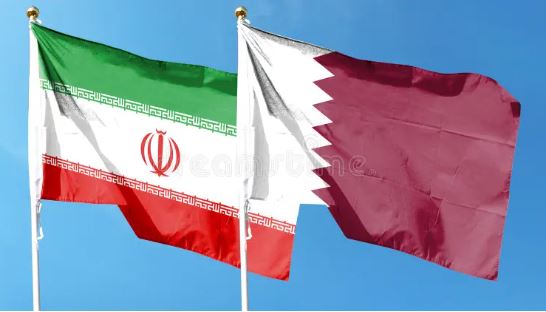
Tehran/Doha/Beirut — Tensions between Iran and Qatar have escalated after Tehran urged Doha to permit a fact‑finding mission into the fate of Iranian pilots allegedly missing since March. Iranian officials claim the pilots disappeared after an incident involving Qatari airspace, while Qatar firmly denies holding any Iranian personnel.
Iranian Deputy Foreign Minister Abbas Araghchi called on Qatar to allow investigators into the country, insisting that transparency is essential. “We must know the fate of our pilots,” he said, stressing that the matter has become a humanitarian concern. Qatar, however, rejected the allegations outright, stating that Iranian aircraft violated its airspace earlier this year. Officials in Doha emphasized that no Iranian pilots are in custody and described Tehran’s claims as baseless.
In parallel, Araghchi addressed speculation linking the pilot dispute with broader regional negotiations. He clarified that discussions with Oman and the reopening of the Strait of Hormuz are “two separate issues.” Analysts note that Iran is attempting to compartmentalize its diplomatic agenda, ensuring that bilateral disputes do not derail wider regional talks.
Meanwhile, the Arab League issued a strong condemnation of Israel’s latest airstrikes on Lebanon. The organization described the attacks as a violation of international law and a threat to regional stability. Member states expressed solidarity with Lebanon, warning that continued escalation could destabilize the wider Middle East. The condemnation adds to mounting criticism of Israel’s military actions, which have drawn concern from humanitarian groups and international observers.
The overlapping disputes highlight the fragile state of Middle Eastern diplomacy. Iran’s demand for a fact‑finding mission underscores its mistrust of Qatar, while Doha’s denial reflects its determination to protect sovereignty. At the same time, the Arab League’s rebuke of Israel signals growing frustration among Arab states over repeated military confrontations in Lebanon. Together, these developments illustrate the complex web of tensions facing the region — from airspace violations to broader geopolitical rivalries.