JD Vance says the United States is now placing greater emphasis on maintaining lower oil prices rather than focusing exclusively on Iran’s nuclear program.
News Report
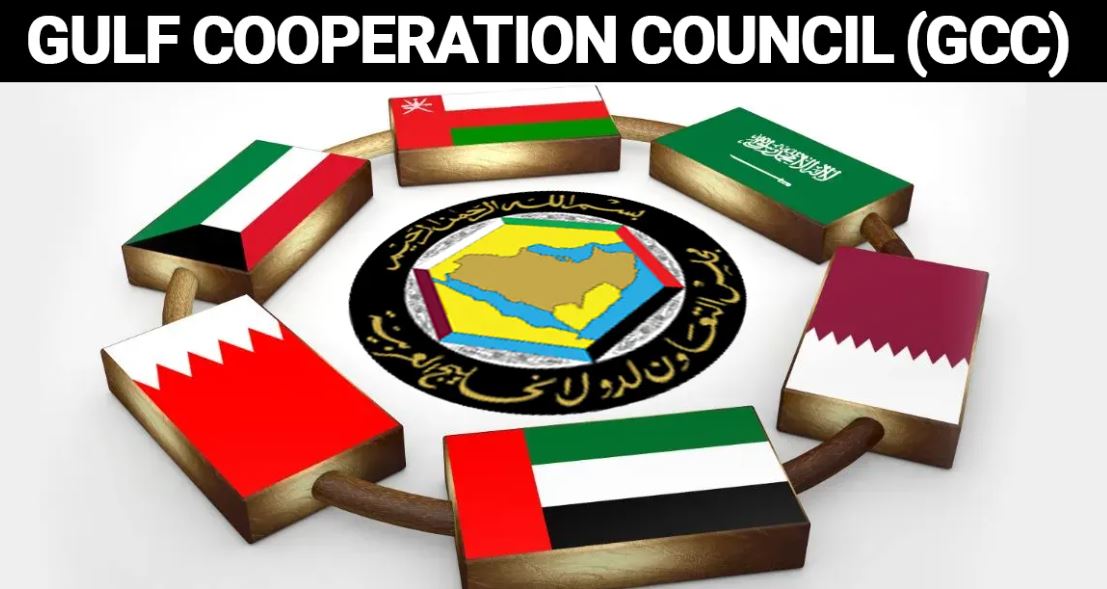
ISLAMABAD, AUG 14 /DNA/ – The Gulf Cooperation Council (GCC) has strongly condemned the recent attack on United Arab Emirates (UAE) tankers in the Strait of Hormuz, calling it a “dangerous escalation” that threatens maritime security and global energy supplies. The GCC urged the international community to take swift measures to ensure the safety of shipping lanes in one of the world’s most critical oil transit routes.
The statement emphasized solidarity with the UAE, noting that such acts of aggression not only endanger regional stability but also undermine global economic security. The GCC reiterated its commitment to safeguarding freedom of navigation and protecting member states against external threats.
Meanwhile, in Washington, U.S vice president JD Vance signaled a shift in American priorities regarding Iran. Speaking to reporters, Vance said the United States is now placing greater emphasis on maintaining lower oil prices rather than focusing exclusively on Iran’s nuclear program. “Global energy stability is vital for our economy and for our allies. While Iran’s nuclear ambitions remain a concern, ensuring affordable oil supplies has become a top priority,” he remarked.
Analysts view this as a recalibration of U.S. policy in the Middle East, where energy security and economic considerations are increasingly shaping strategic decisions. The attack on UAE tankers has heightened fears of supply disruptions, pushing Washington to balance its stance on Iran with the need to stabilize oil markets.
Regional observers note that Pakistan, with its longstanding ties to Gulf states and its role in promoting regional peace, could play a constructive part in easing tensions. Islamabad has previously facilitated dialogue between Washington and Tehran, and its defence cooperation with Saudi Arabia and Türkiye positions it as a credible partner in regional security frameworks.
Meanwhile, At least four Asian refiners bought US crude this week, as the Strait of Hormuz remained effectively closed and refiners sought alternative supplies for delivery later this year, traders said, according to Reuters.
South Korea’s GS Caltex bought two million barrels of Mars crude from Shell for November arrival. The crude was priced at a premium around $13-14 per barrel above the October Dubai benchmark, traders said.
Japan’s third-largest oil refiner, Cosmo Energy Holdings, bought Mars crude from Trafigura, while Eneos Corp, Japan’s biggest refiner, purchased 2m barrels of West Texas Intermediate (WTI) crude from Trafigura for November delivery with a premium over $10 per barrel above the October WTI price.
Taiwan’s state-owned CPC Corp bought 2m barrels of WTI via a tender at a premium of around $8 to $9 a barrel to Dated Brent. CPC also purchased crude from West Africa via the tender, the people said.