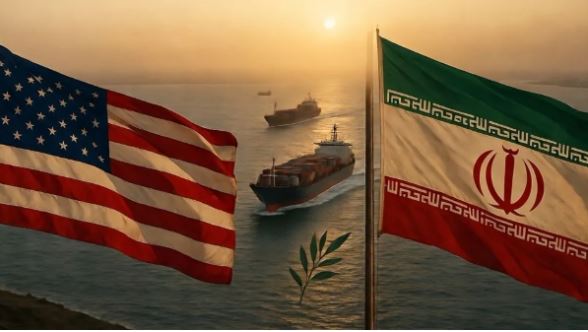
Washington/Tehran, AUG 4 /DNA/ – The United States has reported significant progress in ongoing negotiations with Iran over the Hormuz Strait, with officials expressing optimism that a breakthrough could be reached within days.
Speaking to reporters, Senator Marco Rubio said Washington was hopeful of concluding the talks “very shortly,” stressing that the discussions were aimed at easing tensions in one of the world’s most critical maritime routes. “We are in talks with the Iranians, and I think there is a chance we may have a deal today or tomorrow,” added US negotiator Bessent, signaling that both sides were moving closer to an understanding.
The Hormuz Strait, a narrow passage connecting the Persian Gulf to global markets, has long been a flashpoint for geopolitical tensions. Any disruption in its traffic has immediate consequences for international energy supplies. According to Saudi energy giant Aramco, the recent US‑Iran conflict has already cost the global market an estimated 2.6 billion barrels of oil, underscoring the urgency of reaching a settlement.
Analysts note that the talks come at a time of heightened concern over energy security. With oil prices fluctuating and supply chains strained, a resolution could stabilize markets and reassure allies dependent on Gulf exports. The US has emphasized that its priority is ensuring freedom of navigation and preventing further escalation in the region.
Rubio highlighted that progress in the negotiations reflects a willingness on both sides to avoid prolonged confrontation. “The stakes are too high for miscalculation,” he said, adding that Washington remains committed to diplomacy while keeping all options on the table.
Bessent’s remarks suggested that technical details were being finalized, with the possibility of an announcement within 48 hours. While no specifics were disclosed, sources familiar with the talks indicated that discussions centered on maritime security guarantees, oil shipment protections, and mechanisms to prevent accidental clashes between naval forces.
Aramco’s assessment of the economic toll has added pressure on negotiators. The loss of 2.6 billion barrels represents not only a blow to producers but also a destabilizing factor for consumers worldwide. Energy experts argue that restoring confidence in the Strait’s stability is essential for global economic recovery.
Iranian officials have not publicly commented on the latest round of talks, but diplomatic observers believe Tehran is seeking assurances against sanctions and recognition of its regional interests. The US, meanwhile, is balancing its security commitments with the need to avoid further disruption in global energy flows.
The Hormuz Strait has historically been a symbol of both vulnerability and strategic leverage. Any agreement reached in the coming days could mark a turning point, reducing risks of confrontation and opening the door to broader dialogue between Washington and Tehran.
As negotiations continue, markets and governments alike are watching closely. A deal would not only ease immediate tensions but also signal a rare moment of cooperation in a region often defined by rivalry and mistrust.