Analysts argue that Islamabad must now capitalize on this diplomatic success by urging the United States and other countries to enhance investments in Pakistan, rather than relying solely on loans and grants
Ansar Mahmood Bhatti
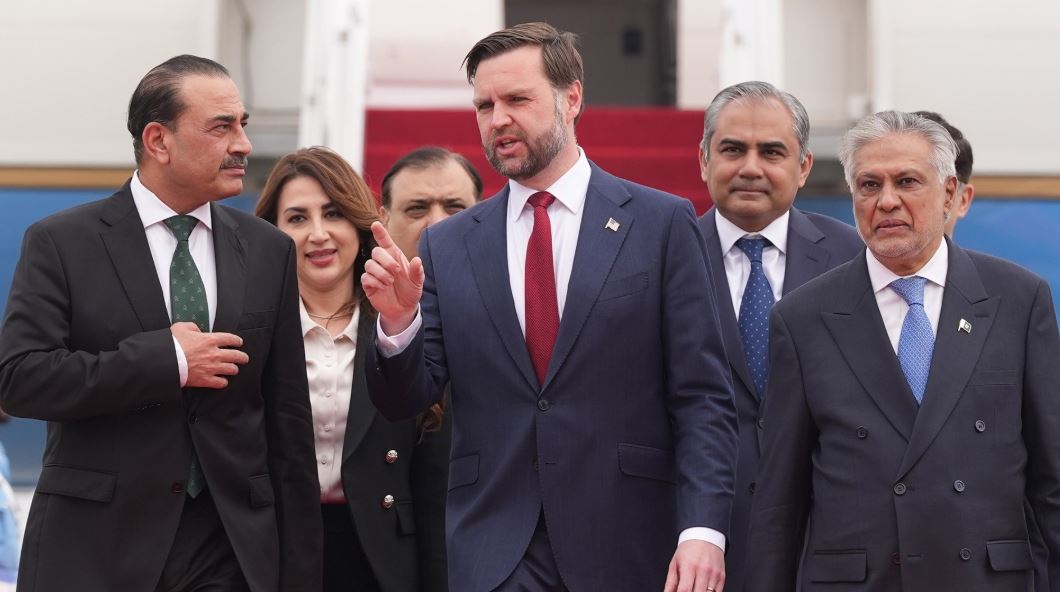
ISLAMABAD, JUN 23 /DNA/ – Well-placed diplomatic sources have revealed to this correspondent that the next round of United States–Iran talks may be convened in Pakistan, following the successful negotiations recently held in Switzerland. According to insiders, the proposal was seriously considered during the Iranian President’s visit to Pakistan, where both Washington and Tehran reportedly agreed to the idea of Islamabad hosting the next phase of dialogue.
Pakistan’s role in brokering the initial understanding between the two sides has been described as central and praiseworthy, with particular acknowledgment of the efforts of Field Marshal Asim Munir. His behind-the-scenes diplomacy is said to have created the environment necessary for constructive engagement. Observers now await to see whether the process and the Memorandum of Understanding (MoU) reached earlier can prove sustainable in the long run.
Diplomatic circles also point to the significant contribution of Qatar, which played a parallel role in facilitating communication between Washington and Tehran. However, Pakistan’s involvement has opened a unique window of opportunity. Analysts argue that Islamabad must now capitalize on this diplomatic success by urging the United States and other countries to enhance investments in Pakistan, rather than relying solely on loans and grants.
Another key suggestion emerging from policy experts is for Pakistan to negotiate the purchase of cheap oil from Iran, passing on the benefits directly to the people. Such a move would not only ease economic pressures but also ensure that ordinary citizens feel included in the broader diplomatic developments.
Yet, while Pakistan’s diplomatic achievements are being praised internationally, domestic political challenges threaten to undermine these gains. The treatment of the opposition has raised concerns, with critics pointing out that in the National Assembly, speeches by the Prime Minister and cabinet ministers are broadcast live, but when opposition leaders take the floor, there is a complete blackout on national hookup. This practice, they warn, sets a troubling precedent and risks alienating a sizeable portion of the population whose voices deserve representation.
For Pakistan to fully benefit from its emerging role as a mediator in global diplomacy, it must also focus on healing internal political wounds. Ensuring inclusivity and transparency at home will strengthen the credibility of its foreign policy abroad.
The coming weeks will reveal whether Pakistan can successfully host the next round of US–Iran talks. If managed wisely, this development could mark a turning point, positioning Islamabad as a trusted facilitator in international diplomacy while simultaneously delivering tangible benefits to its people.