The GSP+ facility has been instrumental in boosting Pakistan’s exports to Europe, making the EU one of the country’s largest trading partners. Islamabad is keen to secure continued access to the scheme, which has significantly benefited Pakistan’s textile and manufacturing sectors
Ansar Mahmood Bhatti
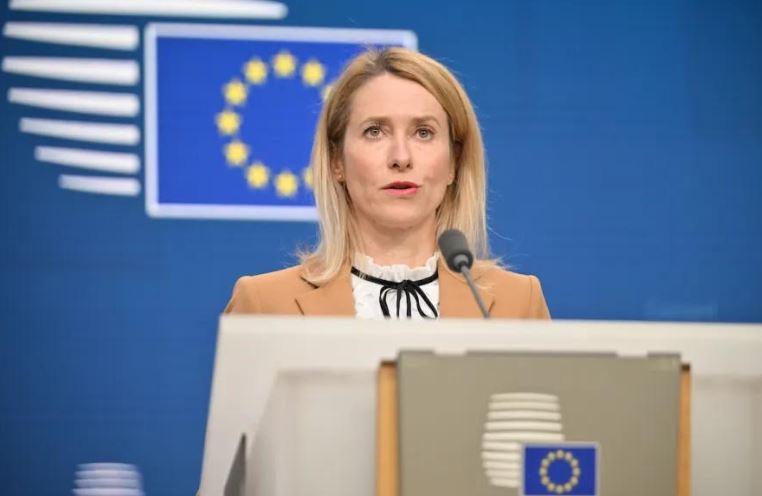
ISLAMABAD: The High Representative of the European Union for Foreign Affairs and Security Policy and Vice-President of the European Commission, Kaja Kallas, will arrive in Pakistan on June 1 for an official visit aimed at strengthening bilateral ties and reviewing key aspects of the Pakistan-EU partnership.
The visit comes at the invitation of Ishaq Dar, with both sides set to co-chair the 8th session of the Pakistan-EU Strategic Dialogue, the highest-level forum for structured engagement between Pakistan and the European Union.
During her stay, Kallas is also expected to meet Pakistan’s senior leadership, including the president and prime minister, underscoring the importance both sides attach to their longstanding relationship.
Pakistan and the European Union enjoy broad-based cooperation encompassing trade, development, climate action, education and regional security. However, analysts believe one of the most important issues likely to dominate discussions will be Pakistan’s future under the EU’s GSP+ trade scheme, which grants preferential access to European markets and is due for renewal under the bloc’s revised framework.
The GSP+ facility has been instrumental in boosting Pakistan’s exports to Europe, making the EU one of the country’s largest trading partners. Islamabad is keen to secure continued access to the scheme, which has significantly benefited Pakistan’s textile and manufacturing sectors.
Despite strong economic ties, the European Union continues to express concerns regarding human rights, political freedoms, judicial independence and governance issues in Pakistan. Brussels has also raised reservations about aspects of Pakistan’s 2024 general elections and has repeatedly emphasized the need for adherence to international commitments linked to the GSP+ framework.
Nevertheless, diplomatic observers believe Pakistan’s prospects for retaining GSP+ status remain favorable. They argue that while compliance with governance and human rights benchmarks remains an important consideration, the final decision is likely to be influenced by broader strategic and political factors, including the EU’s interest in maintaining engagement with Pakistan in a region of growing geopolitical significance.
The upcoming visit is expected to provide an opportunity for candid discussions on these issues while reaffirming both sides’ commitment to deepening cooperation and advancing a mutually beneficial partnership.