In a significant development inside Iran, authorities named hardline former Revolutionary Guards commander Mohammad Baqer Zolqadr as the new Secretary of the Supreme National Security Council
DNA
Tehran/Beirut/Washington – March 24, 2026 — Fighting between the United States, Israel and Iran showed no signs of easing on Tuesday, even as President Donald Trump claimed “productive conversations” were underway with Tehran, a assertion repeatedly denied by Iranian officials. Israeli and US strikes continued across Iran, while Iranian forces maintained retaliatory attacks. Israel also pressed ahead with airstrikes in Lebanon, targeting areas linked to Hezbollah.
Qatar’s foreign ministry stated that the war “must end through diplomatic means” and expressed support for dialogue, while stressing that Iran should immediately halt its attacks on Gulf countries to allow negotiations to progress. Doha has not taken on a direct mediation role but reiterated its long-standing position that conflicts in the region can only be resolved at the negotiating table.
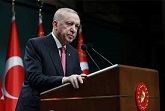
In a significant development inside Iran, authorities named hardline former Revolutionary Guards commander Mohammad Baqer Zolqadr as the new Secretary of the Supreme National Security Council. He replaces Ali Larijani, who was killed in recent US-Israeli strikes. Zolqadr, a veteran IRGC figure and senior hardliner, is expected to adopt a tougher stance on security and foreign policy.
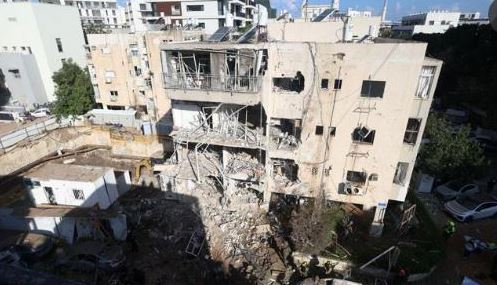
The Iranian Red Crescent Society reported severe damage to civilian infrastructure from the US-Israeli campaign, including 498 schools and 281 medical facilities (with some reports citing around 275 pharmaceutical, medical and emergency centres). Overall, more than 81,000 civilian units — including homes, commercial buildings and aid facilities — have been affected, according to the humanitarian organisation.
Israeli strikes continued in southern and northeastern Lebanon, hitting residential areas and infrastructure in towns such as Hermel, Deir Intar and Majdal Selem.Meanwhile, US Secretary of State Marco Rubio is scheduled to meet G7 foreign ministers in France on Friday to discuss the escalating situation in the Middle East stemming from the Iran conflict, alongside the war in Ukraine. The talks are expected to focus on coordinated diplomatic and security responses.
Despite Trump’s announcement postponing strikes on Iranian power plants and energy infrastructure for five days — citing “very good and productive” talks — Iranian officials, including the Foreign Ministry, have firmly denied any direct negotiations with Washington. Markets reacted with volatility, with oil prices fluctuating amid uncertainty over the conflict’s trajectory.The war, now in its fourth week, has caused widespread regional instability, disrupted global energy supplies, and raised fears of further escalation across the Gulf and beyond.