Shamim shahid
PESHAWAR: Tensions between Pakistan and Afghanistan continue to deepen, with analysts warning that prolonged hostility between Pakistan’s powerful military establishment and Afghanistan’s ruling Taliban could prove damaging for both sides.
Observers note that while future strategies on either side remain unclear, escalating friction has already halted political dialogue, bilateral trade and cross-border movement, further destabilising the fragile economies of both neighbouring countries.
Afghanistan’s infrastructure, weakened by decades of conflict, remains in ruins, while Pakistan faces increasing security and economic pressures.
Analysts argue that the Taliban leadership lacks experience in political dialogue, reconciliation and diplomacy.
The group returned to power following the 2020 Doha Agreement, brokered by the United States, despite having failed to capture a single district militarily during years of insurgency against elected Afghan governments between 2002 and August 2021. Critics maintain that international backing, coupled with regional support, enabled the Taliban’s return to power.
Since assuming control, the Taliban’s relationship with Pakistan has deteriorated sharply. Once considered an ally, Pakistan is now viewed by Kabul as hostile, with both sides showing reluctance to engage in talks. Afghan experts dismiss expectations of leadership change within the Taliban, saying internal revolt against supreme leader Mullah Haibatullah Akhundzada is unlikely due to his uncontested authority within the movement.
According to Afghan analysts, even senior Taliban leaders based in Kabul and Kandahar remain largely silent before the supreme leader. Former deputy foreign minister Abbas Stanikzai was among the few who openly criticised leadership decisions in the past, but dissent has since faded. Experts warn that any internal rebellion would risk plunging Afghanistan and the wider region into renewed conflict.
In this context, political observers suggest that dialogue, rather than confrontation, remains the only viable option.
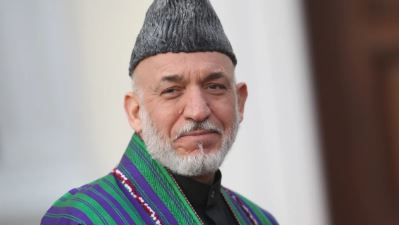
Among Afghanistan’s political figures, former president Hamid Karzai is widely regarded as a consensus candidate capable of engaging diverse ethnic, political and ideological groups. Despite criticism from some quarters, analysts credit Karzai with restoring central authority after years of war and integrating fragmented Afghan leadership during his tenure.
Karzai is also believed to maintain working relations with several Taliban leaders, positioning him as a potential bridge for reconciliation efforts. Analysts argue that the international community bears responsibility for helping Afghanistan regain regional trust, particularly with neighbouring countries.
Concerns persist over Afghanistan becoming a sanctuary for militant groups, including foreign extremists. Critics also point to changes in the education system, restrictions on women’s rights and reports of forced marriages, warning that these policies risk fostering extremism with regional and global consequences.
Regional experts stress that countries with stakes in Afghanistan should move away from past approaches and collectively pursue political solutions. They argue that sustained regional dialogue is essential to prevent Afghanistan from sliding further into isolation and instability, which could threaten peace beyond its borders.