News Desk
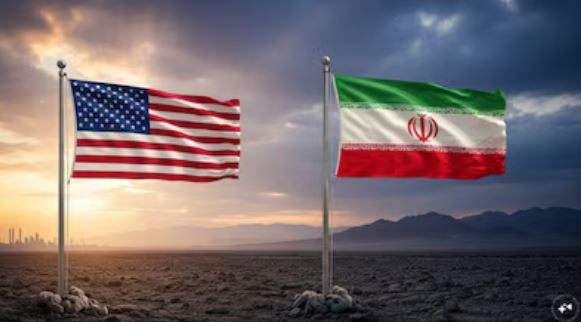
WASHINGTON: The United States has lifted sanctions on three entities linked to Iran’s Islamic Revolutionary Guard Corps (IRGC), a move framed as part of broader de‑escalation efforts in the Middle East. According to diplomatic sources, this step is tied to ongoing negotiations over the Strait of Hormuz, the world’s most critical energy chokepoint.
The proposed framework would allow Iran to oversee inbound maritime traffic while Oman manages outbound flows, effectively granting Tehran significant leverage over global oil shipments. This arrangement has raised concerns among Gulf states, who fear Iran could use its control to impose fees, inspections, or restrictions on rivals.
At the same time, Washington insists it will not accept any deal that gives Iran unilateral authority over the strait. The sanctions relief coincides with an interim agreement signed in Versailles between President Donald Trump and Iranian President Masoud Pezeshkian. Under the memorandum of understanding, Iran agreed to dilute enriched uranium in exchange for temporary sanctions relief and freedom to export oil.
The deal sets a 60‑day negotiation window to resolve nuclear and maritime issues, with failure potentially reigniting conflict. Markets responded quickly: Brent crude prices fell by 5.3 percent to $79.36 per barrel, reflecting optimism about stabilized shipping lanes. For energy importers such as Pakistan and India, lower crude prices ease fiscal pressures and inflationary risks, though the strategic uncertainty remains.
Analysts warn that Iran’s inbound control could reintroduce volatility if tensions flare. The interim peace is fragile, but for now, the easing of sanctions and the Hormuz proposal mark a rare moment of diplomatic progress in a region long defined by confrontation.