ISLAMABAD, 04 AUG (DNA) — In a move aimed at enhancing Pakistan’s agricultural exports to China, the Trade Development Authority of Pakistan (TDAP) has held a five-day seminar series focused on the implementation of the new China maize import protocol, alongside improving sesame production through good agricultural practices and quality compliance.
Held in the recent week, the seminars took place across Okara, Sahiwal, Khanewal, Vehari and Layyah, bringing together farmers, exporters, agricultural experts and government officials to strengthen export readiness for two of Pakistan’s key agricultural commodities, Gwadar Pro reported.
The programme was organized by TDAP in collaboration with the Pest Warning & Quality Control of Pesticides Wing, Agriculture Department Punjab, the Directorate of Plant Protection, the Maize & Millet Research Institute, and the Nuclear Institute for Agriculture and Biology (NIAB).
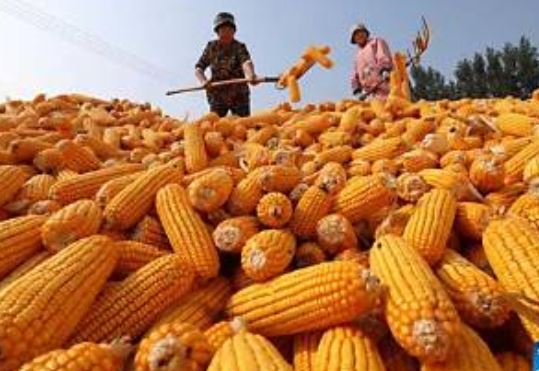
A key focus of the seminars was Pakistan’s implementation of the new maize export protocol agreed with China, which introduces stricter phytosanitary and quality requirements aimed at facilitating safe and sustainable maize exports to the Chinese market.
Experts guided participants on meeting China’s import standards, with particular emphasis on aflatoxin control, Khapra beetle surveillance and management, and compliance with pre- and post-harvest phytosanitary measures required under the protocol.
Officials said effective implementation of these measures would improve Pakistan’s ability to access China’s large agricultural market while reducing the risk of export consignments being rejected because of quality or pest-related concerns. The seminars also highlighted the importance of adopting good agricultural practices (GAP) to improve productivity, food safety and international competitiveness.
Participants received technical guidance on cultivating high-yielding, climate-smart sesame varieties capable of withstanding changing climatic conditions while improving yields and product quality. In addition to production techniques, experts stressed the need for value addition to increase export earnings, encouraging farmers and exporters to move beyond raw commodity exports by improving processing, grading, packaging and branding.
Another major component of the programme focused on capacity building of district agricultural extension staff, equipping field officers with updated technical knowledge so they can train farmers on export-oriented production practices and compliance with international standards throughout the production cycle.
Officials noted that strengthening extension services would help ensure wider adoption of best practices at the farm level, enabling producers to meet the increasingly stringent requirements of international markets, particularly China. — DNA