ABDUL WASSAY
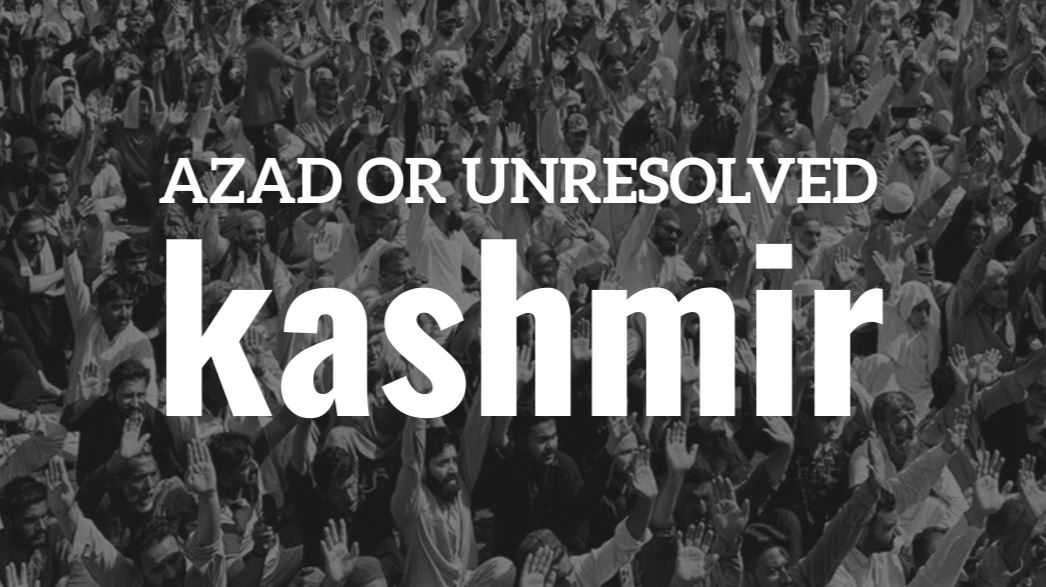
Every year, Kashmir Martyrs’ Day is observed on 13 July to commemorate the indiscriminate killings of Muslims under the Maharaja Hari Singh’s rule. For Kashmiris, it symbolises a sustained struggle for rights, recognition, and independence. On this day, Kashmiris stood up against injustice and paid with their lives. That legacy of resistance, along with the demand for political and civil rights, continues to endure. This day is not just about remembering those sacrifices but also understanding why the struggle still continues.
The story of the 13 July 1931 Kashmir uprising starts outside the Central Jail of Srinagar. Thousands of Kashmiris gathered to witness the trial of freedom activist Abdul Qadeer Khan, who was accused of sedition for delivering a fiery speech against Dogra occupation. Tension rose when one man stood to deliver the “Azan” in an act of defiance toward Dogra rule, but was shot dead by state forces. Dogra police martyred 22 people as, one after another, individuals rose to complete the Azan. This act of defiance against tyranny transformed into a defining symbol of collective resistance, and it firmly embedded martyrdom into Kashmir’s political consciousness. This act started the organised struggle against the rule of oppression that continues to this day in Indian Illegally Occupied Jammu and Kashmir (IIOJK).
In the past 95 years, this organised struggle against systemic repression has produced multiple martyrs, including Burhan Wani, Abdul Ahad Guru, Ashfaq Majeed, Tuffail Ahmed, Ghulam Mohammad Lone, and others. Many peaceful political activists, like Yasin Malik, Asiya Andrabi, Shabbir Ahmad Shah, Khurram Parvez, Masarat Alam Bhat, and others, are also detained under the draconian laws of India. This shows that the issue is not episodic but structural. Across generations, the Kashmiri political resistance has faced indiscriminate killings, detentions, and torture.
Since the abrogation of Article 370 by the Indian Hindutva regime in 2019, the government has imposed severe restrictions such as lockdowns, communication blackouts, detentions, and targeted operations against freedom fighters. The oppressive regime has also stopped the public remembrance of the 13 July martyrs by removing the holiday from the official calendar. This is a blatant attempt to erase historical memory. Authorities have also blocked visits to the Srinagar graveyard, where those martyrs are buried. This shows that the Indian regime is afraid of the people of Kashmir.
In the Kashmiri struggle against occupation, mourning is seen as a political act of resistance, not just a cultural or religious activity. The Indian regime has systematically restricted the mourning of Kashmiri political activists. For example, one of the most influential freedom activists, Syed Ali Gillani, who died under Indian illegal detention, was buried in a tightly controlled, pre-dawn ceremony in 2021, just hours after his death. Police snatched his body and forced his burial without the presence of his family. Authorities implemented a strict security crackdown and communication blackout across IIOJK to prevent mass gathering, fearing his death would trigger large-scale anti-India protests. Commemorating Kashmir Martyrs’ Day, in this sense, becomes a day of resisting historical erasure and reinterpretation.
Kashmir’s long history of struggle and martyrdom is a continuation of legitimate political demands for rights, recognition, and dignity, which remain unaddressed. Kashmir Martyrs’ Day also reminds the world that the core political question of the future of IIOJK remains open and unanswered. The sacrifices made over generations will continue to shape the collective memory and identity of the Kashmiri people. The people of Pakistan share in the grief and stand in solidarity with their Kashmiri brethren.
The Pakistani government also continues to play its part by consistently highlighting, at all relevant international forums, that Jammu and Kashmir is an unresolved international dispute.This has been reflected in multiple United Nations Security Council Resolutions (UNSCR) like UNSCR 47, 51, 80, 91, and others. Pakistan will continue to support the Kashmir cause politically, morally, and diplomatically, and will not let the blood of Kashmiri martyrs go to waste. On this Kashmir Martyrs’ Day, there is a need for renewed commitment to support Kashmir’s struggle for self-determination and justice. Pakistan will also continue to raise this issue at all forums to ensure a peaceful and just resolution in accordance with the wishes of the Kashmiri people.
Kashmir Martyrs’ Day is not just about the past, but also about the present, where the core question remains unresolved, and the future is still being contested. The memory of the martyrs of the 1931 massacre and the decades that followed continues to shape the political consciousness of the people of Kashmir to keep the demands for rights and self-determination alive. Attempts by oppressive Indian authorities to suppress the freedom struggle, silence the remembrance of martyrs, and redefine history cannot erase the lived experience of the Kashmiri people. As long as these grievances remain unaddressed, the call for justice will continue across generations that refuse to forget.
Abdul Wassay is a Research Assistant at the Centre for Aerospace and Security Studies (CASS) Lahore. He can be reached at [email protected]