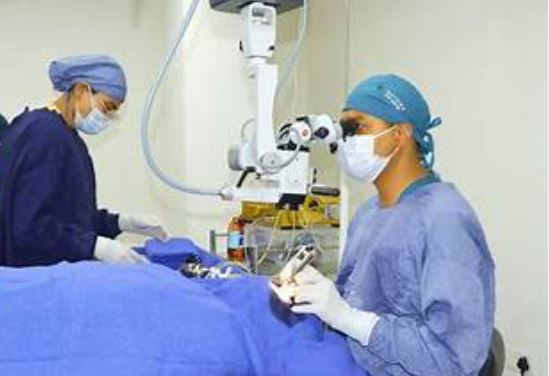
An estimated 570,000 adults in Pakistan are blind due to cataracts, while another 3.56 million live with cataract-related vision impairment. Cataracts are primarily linked to ageing, and growing life expectancy means more people are entering the age groups most at risk
RAWALPINID, JUN 28 /DNA/ – Pakistan will need at least 1.84 million cataract surgeries annually by 2030 to meet rising demand, but the public sector currently performs fewer than one in five procedures, leaving most patients dependent on charitable organisations and private hospitals.
Prof. Dr. Sabihuddin Ahmed, Head of the Cataract Department at Al-Shifa Trust Eye Hospital, highlighted the challenge during a media interaction, warning that the country’s cataract burden is growing faster than existing healthcare capacity.
Al-Shifa Trust performs around 60,000 cataract surgeries annually through its hospitals and outreach programmes. However, demand continues to outpace service capacity, widening the gap between the number of patients requiring treatment and the surgeries available, he added.
An estimated 570,000 adults in Pakistan are blind due to cataracts, while another 3.56 million live with cataract-related vision impairment. Cataracts are primarily linked to ageing, and growing life expectancy means more people are entering the age groups most at risk.
The burden of treatment is unevenly distributed. Private hospitals perform 42.4 percent of cataract surgeries, NGOs account for 39.9 percent, and public hospitals only 17.7 percent. As a result, many low-income patients depend on charitable services for treatment.
A shortage of specialists is adding pressure to the system. Pakistan has only 15 ophthalmologists per million people, far below the levels seen in many developed healthcare systems. Al-Shifa Trust trains about 20 ophthalmologists annually, but far more specialists are needed.
Diabetes is also accelerating demand for cataract treatment. Pakistan has 34.5 million adults living with diabetes, a figure projected to rise sharply in the coming decades. Diabetic patients often develop cataracts earlier and require surgery at younger ages.