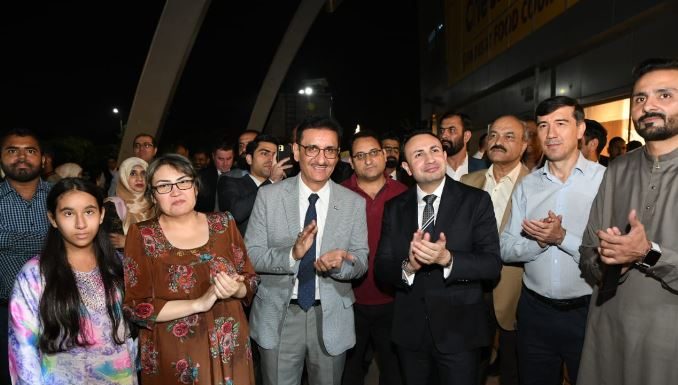
GENEVA – 14 March 2026 – The Government of India has orchestrated a systematic campaign of extrajudicial killings, intimidation, surveillance, coercion of family members, abuse of consular services, manipulation of international legal mechanisms, and legal harassment targeting Sikh dissidents and community leaders across at least four continents, according to a major report released today at the Geneva Press Club.
The 40-page report, jointly prepared by the Baku Initiative Group and Sikh Federation International and formally presented during an official press conference at the Geneva Press Club on March 14, 2026, documents what it describes as a “clear pattern of state directed activities” that violate numerous international laws, including the prohibition on arbitrary deprivation of life, protections against arbitrary arrest and coercion, freedom of expression, freedom of association and peaceful assembly, and the protection of minority and cultural rights under the International Covenant on Civil and Political Rights (ICCPR).
![GENEVA – 14 March 2026 – The Government of India has orchestrated a systematic campaign of extrajudicial killings, intimidation, surveillance, coercion of family members, abuse of consular services, manipulation of international legal mechanisms, and legal harassment targeting Sikh dissidents and community leaders across at least four continents, according to a major report released today at the Geneva Press Club.
The 40-page report, jointly prepared by the Baku Initiative Group and Sikh Federation International and formally presented during an official press conference at the Geneva Press Club on March 14, 2026, documents what it describes as a "clear pattern of state directed activities" that violate numerous international laws, including the prohibition on arbitrary deprivation of life, protections against arbitrary arrest and coercion, freedom of expression, freedom of association and peaceful assembly, and the protection of minority and cultural rights under the International Covenant on Civil and Political Rights (ICCPR).
The event brought together international media representatives, policy experts, and human rights stakeholders, providing a platform to highlight the report's key findings and to raise global awareness regarding the documented patterns of transnational repression targeting Sikh communities.
"The Government of India has been a clear perpetrator of violent and coercive clandestine operations beyond its borders, targeting Sikh dissidents critical of the Indian state and advocating for Khalistan, an independent Sikh homeland," the report's executive summary states. "India's growing geopolitical prominence and ongoing attacks on political dissidents demonstrate a significant threat to minorities and international order. It is imperative that members of the international community unequivocally condemn the Government of India's violations of international human rights obligations and take meaningful steps to hold perpetrators accountable or risk an escalation in violent attacks against minority communities."
The findings come as evidence mounts that Indian intelligence agencies have coordinated with organized crime networks to carry out assassinations and violent attacks aimed at silencing political dissent abroad—a practice the report describes as "transnational repression" that poses a significant threat to international order. The report documents cases in Canada, the United States, the United Kingdom, and Germany, although documented cases have emerged in many other countries including Australia, Belgium, Italy, Pakistan, Portugal, and elsewhere.
What Is Transnational Repression?
According to the Office of the UN Commissioner of Human Rights, the term transnational repression refers to "acts conducted or directed by a State, or its proxy, to deter, silence or punish dissent, criticism, or human rights advocacy towards it, expressed from outside its territory." These activities often target civil society actors, human rights defenders, journalists, or their family members and associates who remain in the repressing country. States often deploy non-state actors such as private companies, criminal networks, private militia or paramilitary groups and media organizations in order to create a fictional separation between violent attacks and state actors.
The report outlines that transnational repression activities can include a range of violent and coercive actions targeted at exiled and diaspora-based dissidents, including:
Acts of violence and intimidation, such as overt surveillance, kidnappings, assassinations, assaults, searches by foreign state agencies, arbitrary arrests, enforced disappearances and renditions
Harassment through extradition requests, unlawful arrests or deportations based on bilateral or regional cooperation, often involving economic or judicial cooperation agreements or the abuse of INTERPOL red notices, as well as the misuse of "terrorist" labeling and formal designations
Abuse of laws with extra-territorial provisions
Impediments to mobility, such as arbitrary refusal of consular services or passport renewal, revocation of nationality and denial of re-entry to the origin country
Digital threats or attacks, such as hacking, online harassment, smear campaigns, and the blocking of websites or disruption of internet access
Proxy punishment of in-country relatives or associates, which can include causing loss of livelihood, threatening, imprisoning, torturing, or even killing family members, close associates or colleagues
The report states that these descriptions "encapsulate the range of the Government of India's illegal actions against Sikh dissidents around the world. From extrajudicial killings and other overt violence to the abuse of international legal mechanisms, digital repression, and threats against family members, the Government of India continues to target Sikhs voices in order to undermine and curtail Sikh activism and advocacy for independence."
Historical Context: Decades of Covert Operations
The report notes that the Government of India has been a clear perpetrator of transnational repression since at least the 1980s. Indian intelligence agencies have been covertly targeting exiled political dissidents and critics in the diaspora for decades—a fact which has been confirmed by experts and acknowledged by various government sources.
Since the annexation of the Sirkar-i-Khalsa (Sikh government) and colonization of Punjab in 1849, the Sikh people have consistently mobilized to reestablish their sovereignty, an aspiration which crystallized in the April 1986 declaration to secede from India and establish an independent state, Khalistan. In response, Indian security forces have sought to repress this mobilization by rejecting any political settlement on self-determination and instead using force to crush Sikh dissent militarily in order to maintain political hegemony over the region.
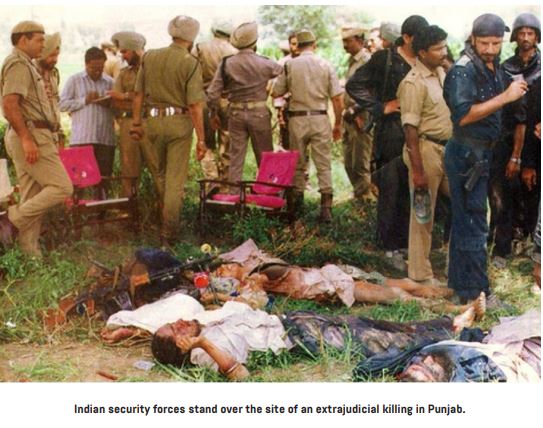
While the Government of India has brutally cracked down on the Khalistan movement in Punjab using extrajudicial killings, enforced disappearances, torture, and arbitrary detention, vocal support for Khalistan remains widespread in diaspora communities. The result has been the erasure of democratic political space for Sikh political dissent in Indian-administered Punjab. The enforced peace since the decline of the insurgency in the mid-1990s is maintained not through political settlement, but by maintaining the omnipresence of repressive state violence.
Human Rights Impacts and Legal Framework
The report identifies that the Government of India's belligerent actions violate numerous international laws, including Article 6 (right to life), Article 9(1) (liberty and security of person), Article 14 (due process), Article 15 (non-retroactive criminal law), Articles 17-19 (privacy, freedom of expression), and Article 27 (minority and cultural rights) of the International Covenant on Civil and Political Rights (ICCPR).
The report further notes that where state officials or proxies act abroad in ways that violate the rights of individuals within another state's territory, the conduct can engage international responsibility and may also implicate domestic criminal law in the host state. Allegations involving the direction, support, or control of intermediaries are particularly serious because they attempt to create deniability while producing severe harms.
Regarding due process and non-refoulement safeguards, the report states that cooperation requests that may result in arrest, transfer, or restriction of movement should be subject to heightened scrutiny where political motivation is plausible. Safeguards include rigorous evidentiary standards, transparency and notification, independent judicial review, and non-refoulement obligations where there is a real risk of torture, ill-treatment, or politically motivated prosecution.
Government of India's Operations in Canada
The report documents that the Government of India's clandestine operations in Canada are engaged in a much deeper, more calculated purpose beyond simply interfering in elections or media. The Government of India seeks to manipulate Canada's democratic processes at various stages to manipulate Canadian policy and public opinion: from media manipulation and cognitive warfare to influencing the makeup of Parliament and the very issues raised in the House of Commons.
For years, Indian diplomats and intelligence operatives have engaged in clandestine conduct to influence Canadian policy makers and various agencies to adopt pro-India positions, particularly to criminalize and prosecute any form of Sikh political advocacy in Canada under the guise of "countering extremism." The Government of India's public complaints about so-called "Sikh extremism" are simply demands for Canada to clamp down on the fundamental rights and freedoms enjoyed by Sikhs in Canada.
The report cites a vast amount of public evidence regarding this direct interference with Canada's democratic institutions and policy-making mechanisms. This includes the discrediting and targeting of political party leaders "using materials drafted by Indian intelligence," Members of Parliament working to influence Parliamentarians to India's benefit, interference in the leadership race of the Conservative Party of Canada, and the use of proxies to influence policy makers, directing illicit funding to candidates, and influencing the very issues that are raised in Canada's Parliament.
Violent Attacks on Sikh Dissidents in Canada
In 2022, several members of the Sikh community in Canada were warned by the RCMP and other national security agencies about imminent threats to their lives, including Bhai Hardeep Singh Nijjar. Based on RCMP revelations in October 2024, at least one dozen members of the community received these warnings by that time. Many of these threats remain active and ongoing while additional members of the community have also received similar warnings since.
On February 22, 2026, a Canada-based Sikh leader and human rights defender, Bhai Moninder Singh, received a fifth warning from Canadian agencies that he is a potential target for assassination, but this time notified him that the threat had expanded to his family, including his wife and young children.
Despite the gravity of the threats members of the community face from a foreign government due to their religious identity and political beliefs, the report notes that they have received no direct support or resources from any government agency. Vulnerable targets of transnational repression are left to navigate their perilous situations without security details, training, financial assistance for alternative living arrangements, or any other support. This forces many into an untenable position, where they have to choose between retreating from public life or risking their safety to exercise their fundamental rights under the Canadian Charter of Rights and Freedoms.
In a press conference on October 14, 2024, the RCMP highlighted that Indian diplomats have been involved in orchestrating a wave of violence against Sikhs across Canada, specifically targeting those actively advocating for an independent, sovereign Khalistan. The diplomats have been identified as part of an Indian diplomat-organized crime nexus, clandestinely collecting intelligence and information about Sikh activists and then providing that information to criminal gangs to be targeted for intimidation, extortion, and other forms of violence. Prime Minister Trudeau confirmed that these violent activities were part of a coordinated effort to instill fear within these communities and demonstrate the Government of India's narrative about Canada's inability to prevent violence.
Indian officials used coercion as a means to compel individuals of Indian descent in Canada to act as informants. The report states that the threat goes beyond the denial of visas—families of those targeted face intimidation and potential harm in India, creating a climate of fear and manipulation within the diaspora. This points to a sophisticated and multi-layered operation involving threats, intimidation, and violent reprisals that are deeply entwined with India's diplomatic missions in Canada.
In his testimony before Canada's Foreign Interference Commission, Prime Minister Trudeau commented on the objectives of Indian actors who engaged in violence between 2022-2024, stating:
"I'd actually say there seemed to be two goals in this. One is, yes, to make Canadians, particularly South Asian Canadians, feel less safe here in their own country, but secondly is actually to help prove a point that India—or, sorry, the Indian Government has been trying to make about Canada for quite some time, that we are a country that doesn't take seriously violence or terrorism or incitement to hatred, which are—is entirely false. But failing an ability to point out how Canada has been supposedly failing to prevent violence, it seems like folks within the Indian Government have decided to create violence and unlawfulness in Canada as a way of demonstrating the point that they are trying to make, that there is violence and unlawfulness in Canada. And I think that is exceptionally egregious as an approach to a—as a neighbor—a sovereign democracy."
The report states that this modus operandi reveals a shocking escalation: the Government of India orchestrated a wave of violence, including homicides, arson, extortions and shootings, in order to substantiate its own false allegations against Canada and thereby apply pressure on the Government of Canada to comply with India's own strategic objectives. The report describes this as "an alarming form of foreign interference unheard of in any other scenario."
The Government of India's nexus with organized crime, specifically the Lawrence Bishnoi gang, allowed the Indian government to direct criminal elements to execute violent acts against targets identified by senior government officials, effectively enacting state-directed extrajudicial violence through criminal proxies. The report notes that Prime Minister Modi proceeded to make public statements boasting about India's violent actions when he stated that today's India doesn't send dossiers to other countries (i.e., seek legal cooperation) any longer, but "enters the homes of its enemies" and kills them.
Assassination of Bhai Hardeep Singh Nijjar
Bhai Hardeep Singh Nijjar spent his youth in Punjab which was the epicenter of the Sikh insurgency between 1984-1995. In 1995, he was illegally detained and subject to torture by Indian security forces for several weeks. After his release, Nijjar fled persecution in India and eventually sought asylum in Canada where he settled in 1997.
Nijjar was a tireless activist for Sikh sovereignty and human rights who advocated for an independent Sikh homeland, Khalistan, throughout his life. He travelled to Geneva in 2013 to advocate for the UNHRC to recognize India's anti-Sikh violence as genocide. He continued to attend similar meetings, events and protests around the world throughout his life.
In his local community, Nijjar initiated and personally oversaw countless community projects. Alongside developing institutions to preserve and promote Gurmat vidya (Sikh education) amongst the next generation, he guided efforts to develop pivotal social institutions for seniors, international students, and other vulnerable members of the community. He supported victims of state repression and their families, as well as participated in community institutions engaged in Sikh political advocacy. Nijjar energetically advocated for Khalistan through lawful means, namely by supporting a non-binding referendum on the secession of Punjab from India being coordinated around the world.
The Indian government, security agencies, and media consistently leveled unproven and unsubstantiated allegations about Nijjar's alleged involvement in guerrilla organizations and described him as an alleged "terrorist." He openly rejected the allegations. He was never tried or convicted of any crimes in any country at any time.
Beginning in approximately 2015, Nijjar began receiving sporadic phone calls from blocked numbers threatening him to cease his activism or advocating for Khalistan or himself and his family would be killed. These phone calls particularly came during significant moments or upsurges in global Sikh activism tied to events and issues in Punjab.
Several attempts to issue warrants for his arrest were made through Interpol in 2014 and 2016. Indian authorities relied on manufactured evidence and stark falsehoods to substantiate these proceedings. In 2018, Indian authorities provided false and misleading evidence about Nijjar's alleged involvement in an imminent attack in India which led to his brief detention by Canadian authorities. He was released immediately without charges. Based on media reporting in both India and Canada, Indian authorities filed paperwork to request Nijjar's extradition from Canada on multiple occasions.
In India, authorities manufactured evidence and false charges to continue their campaign to silence his activism. This included India's National Investigation Agency (NIA) announcing a 1 million Rupee reward for his arrest, officially designating him as an alleged "terrorist" under the draconian Unlawful Activities (Prevention) Act (UAPA) and seizing the family's ancestral land. Indian authorities used the broad powers available to them under the UAPA to justify these actions. Nijjar was never tried or convicted in any criminal trial or other legal proceeding other than the arbitrary UAPA designation.
Nijjar's family in Punjab continually faced threats and intimidation for several years to pressure him to stop his activism. A young resident of Canada was also arrested and implicated in a series of false cases in Punjab and has been prohibited by authorities from returning to Canada since 2016. His lawyers have advised that he continued to face threats, torture, and intimidation to give false testimony against Nijjar.
Nijjar faced multiple threats from professional assassins and was formally warned of this threat by Canadian intelligence and security agencies. In the summer of 2022, an Integrated National Security Enforcement Team (INSET), a multi-agency team led by the RCMP, warned Nijjar and a number of other Sikh leaders that they were facing an "imminent threat of assassination."
Ultimately, Nijjar was shot and killed in the parking lot of Guru Nanak Sikh Gurdwara, where he was the President of the management committee, on June 18, 2023. On September 18, 2023, Prime Minister Justin Trudeau confirmed that the Government of India was behind Mr. Nijjar's assassination. This has subsequently been confirmed and corroborated by a number of senior government and intelligence officials through various official and unofficial channels which have been covered extensively by international media.
Indian Operations in the United States
In April 2023, India's Ministry of External Affairs circulated a secret memo amongst its North American consulates calling for a "sophisticated crackdown scheme" against Sikh diaspora organizations in the US and Canada. The memo calls on its diplomatic staff to work closely with R&AW (India's foreign intelligence agency), the National Investigation Agency, and the Intelligence Bureau to counter so-called "Sikh extremists," openly calling on diplomats to monitor Sikh activists and begin recruiting Indian diaspora groups as a "vital force" in "street confrontation" with Sikh activists.
The memo was signed by Vinay Kwatra, then India's foreign secretary, who has since been promoted to India's Ambassador to the United States, "once again demonstrating that the Government of India's targeting of Sikh dissidents is state policy," the report states.
Attempted Assassination of Gurpatwant Singh Pannun
In November 2023, the US Department of Justice publicly stated that American authorities were pursuing the extradition of an Indian national, Nikhil Gupta, for his role in the attempted assassination of Gurpatwant Singh Pannun, a Sikh activist who is a Canadian-American dual citizen and general counsel for Sikhs for Justice. The unsealed indictment confirmed alarming details of the assassination plot, including the fact that Gupta received information from his handlers about 3-4 active targets in Canada. On February 13, 2026, Gupta pleaded guilty to murder-for-hire, conspiracy to commit murder-for-hire and conspiracy to commit money laundering.
Based on the Department of Justice documents, an Indian official named Vikash Yadav, working in Indian security and intelligence, orchestrated the entire plot from the safety of India while Gupta was recruited as a middleman in exchange for withdrawing criminal charges against him in India. This quid pro quo—confirmed in a message on May 12—leaves no doubt that the Indian state and high-level officials were directly involved in the conspiracy. The intelligence officer notified Gupta that his criminal case had "been taken care of" after he spoke with "the boss," clearly suggesting that Gupta's handler was a ranking officer who had the authority to dismiss the charges.
Gupta's criminal background in narcotics trafficking is also significant in this context as he was recruited as the "face" to contract the assassination in the New York area. Indian agencies and government officials have gone to great lengths to fabricate a public narrative of so-called "narco-terrorism" and "inter-gang rivalry" as a false explanation for the wave of assassinations against various Sikh dissidents over the past several years.
The unsealed indictment explicitly indicates that Gupta's Indian handlers had multiple targets in Canada. The Indian intelligence operative explicitly acknowledged that Hardeep Singh Nijjar was one of the targets and had transmitted a video of the murder scene to Gupta within mere hours of the shooting, demonstrating that he had been under close surveillance and confirming the sophistication of the intelligence operation.
Subsequent investigations have reported that Nijjar's assassination, and the failed assassination attempt in the US, were coordinated by individuals within India's intelligence agency, Research & Analysis Wing (RAW), with the highest levels of approval from the chief of RAW, India's NSA Ajit Doval, and likely Prime Minister Modi himself. Evidence demonstrates that the assassinations are part of the Government of India's transnational assassination program.
The published indictment goes into granular detail, providing "incontrovertible evidence" of the Government of India's coordinated campaign to assassinate Sikh activists around the world in targeted extrajudicial killings. Yadav, the intelligence official at the helm of the attempted killing in the US, described himself as a senior field officer, with responsibilities in security and intelligence, and previously served in India's notorious CRPF.
On May 29, Gupta approached an associate (who was actually a confidential source working with US law enforcement) and asked if he knew anyone willing to carry out a murder-for-hire. The source introduced Gupta to an individual who was actually an undercover officer. In a deal brokered by Gupta, his handlers agreed to pay
100
,
000
U
S
D
t
o
a
s
s
a
s
s
i
n
a
t
e
P
a
n
n
u
n
,
a
n
d
p
a
i
d
a
n
a
d
v
a
n
c
e
o
f
100,000USDtoassassinatePannun,andpaidanadvanceof15,000 cash on June 9, 2023.
Most of Gupta's instructions were received through electronic communications, although the indictment notes that he also met his handler in New Delhi at some point during the plot. At the outset of their conversation in early May, his handler described having a target in both New York and California. On June 12, 2023, the undercover officer (who had been contracted to carry out the murder) received a video call from Gupta who appeared to be in a conference room. Gupta turned the camera to several men in the room, dressed in business attire and sitting around a conference table, suggesting they were senior government officials. He turned the frame back towards himself and told the contracted killer, "We are all counting on you."
Around the same time, Gupta told his associate—and confidential source for investigators—that there was a "big target" in Canada, alluding to "more jobs" for the hitman for which he was awaiting further details.
Gupta was originally instructed not to commit Pannun's murder around the time of Prime Minister Modi's trip to the US, noting that this could lead to "political things," but this ultimately changed after the assassination of Nijjar on June 18, 2023. On the night of Nijjar's murder, Gupta's handlers sent him a video of the crime scene followed by Pannun's address—calling on him to accelerate the plan.
Based on his new instructions that Pannun's assassination was a "priority now," Gupta told his contracted hitman that Nijjar was also a target and in light of his assassination in Canada, "there is no need to wait." He went on: "Not to worry [because] we have so many targets, we have so many targets. But the good news is this, the good news is this: now no need to wait… We got the go-ahead to go anytime, even today, tomorrow—as early as possible… He will be more cautious, because in Canada, his colleague is down. His colleague is down. I sent you the video. So, he will be more cautious, so we should not give them the chance, any chance… If he is not alone, [if] there are two guys with him in the meeting or something… put everyone down, put everyone down."
Facing pressure from his Indian handlers in the following weeks, Gupta pushed his contact to get the job done "quickly"—specifically before June 29: "we have to finish four jobs"—Pannun and, after that, "three in Canada."
Government of India's Operations in the UK
The report documents that credible media reports and government disclosures have revealed a troubling pattern of the Government of India's clandestine operations directed at Sikh dissidents and organizations based in the United Kingdom. While there is a long history of Indian covert operations in the UK to target Sikh dissidents since at least 1984, recent years have seen a considerable escalation. These activities form part of a broader architecture of transnational repression and attempts to project the Government of India's coercive state power beyond its territorial borders in order to silence political dissent. The Sikh community in the UK forms the largest and most politically engaged diaspora outside Punjab but has been subject to aggressive attacks by the Government of India for decades.
Alongside seemingly "traditional" methods of political interference and disinformation campaigns, the Government of India targets Sikh dissidents in the UK in an aggressively targeted fashion: using Indian security forces to threaten dissidents' family members that are still in India, manipulating mechanisms of legal cooperation to criminalize Sikh dissidents, and directly targeting activists for violence and coercive actions.
A recurring and well-documented method involves the use of Indian security agencies, particularly state and national police agencies as well as intelligence agents, to summon, detain and intimidate family members of UK-based dissidents; conduct house raids in Punjab and the UK; and threaten property seizure, false criminal cases, or other forms of harassment. These tactics create significant psychological leverage over dissidents abroad by placing their loved ones at risk in the hopes of generating silence through fear.
The Government of India has also attempted to instrumentalize mechanisms of international legal cooperation to stigmatize and criminalize Sikh political dissidents in the UK and elsewhere. This includes the misuse of Interpol Red Notices and other alerts; politically motivated extradition requests; and the strategic invocation of counter-terrorism action. In numerous cases around the world, including the UK, courts and enforcement agencies have found that the Government of India's requests are politically tainted, lacking evidentiary integrity, or incompatible with human rights obligations. Cases in the UK, such as the West Midlands Three, raise serious concern about the selective and politicized deployment of these tools against lawful advocates of Sikh self-determination.
The UK has also witnessed direct confrontations and threats targeted at Sikh dissidents. Following large-scale protests outside Indian diplomatic premises in March 2023, in particular, senior Indian officials publicly threatened action against UK-based activists, eventually leading to the death of Bhai Avtar Singh Khanda. Other coercive activities include surveillance and monitoring of Sikh institutions, aggressive recruitment of agents within community spaces, and threats against Sikh activists.
NIA Escalation Against UK-Based Sikh Dissidents
In March 2023, Sikh demonstrators gathered outside the High Commission of India in London for a highly visible political protest. The demonstration was organized in response to a sweeping security crackdown unfolding in Punjab at the time, which saw mass detentions, internet shutdowns, and the targeting of Sikh dissidents. Many in the community viewed these developments as part of a broader pattern of repression directed against Sikh dissent. During the protest, a small number of demonstrators removed the Indian national flag outside the High Commission building, provoking strong diplomatic reactions from the Government of India and overt threats against Sikh activists. While there were moments of heightened tension, the event did not result in violence as alleged by Indian authorities. Arrests were limited and focused on specific allegations of public disorder or property-related offences.
In May 2023, officials from India's National Investigation Agency (NIA) travelled to the UK under the guise of investigative engagement. On July 10, 2023, during a broadcast on Aaj Tak, aired in Britain via Sky 710, the NIA was reported to have circulated what amounted to a "hit list" naming 20 Sikhs in the diaspora, including at least six dissidents based in the UK.
Following public criticism for broadcasting such inflammatory rhetoric, Indian authorities retaliated in August 2023 by targeting the families of Sikh dissidents throughout Punjab. The NIA conducted coordinated raids on the family homes of approximately 30-40 UK-based Sikh dissidents. These operations included the homes of the Chair and Vice Chair of the Sikh Federation (UK). Family residences were searched for extended periods, some lasting up to seven hours. Relatives were also summoned to Delhi on August 3 and 7, 2023. During these interrogations, families were shown photographs of approximately 45 protestors from March 2023.
Arresting Foreign Residents in India for Lawful Protest
In December 2023, Inderpal Singh Gaba, a British national from Hounslow and one of the March 19 protestors, was arrested in India. After being detained, Gaba was formally charged in September 2024 for allegedly participating in a much larger protest outside the High Commission on March 22, 2023—three days after the small March 19 demonstration.
In February 2025, a Delhi court granted bail to Gaba after concluding that there was no evidence linking him to the alleged vandalism at the Indian High Commission in London. The judge noted that the NIA failed to establish any connection between Gaba and the alleged acts, concluding: "The accused was neither present at the spot nor involved in arranging logistics or conspiring for the demonstration and subsequent vandalism of the Indian High Commission."
Gaba was required to surrender his British passport and prohibited from leaving India. By the time bail was granted, Gaba had been detained in India for approximately 15 months in relation to attending a protest in the UK.
Assassination of Bhai Avtar Singh Khanda
Bhai Avtar Singh Khanda was a young, prominent Sikh dissident who vocally advocated for an independent Sikh homeland. He applied for asylum in the UK in 2016 based on a risk to his life emanating from Indian authorities. His father was a prominent student leader with a significant profile for leading efforts to establish an independent Khalistan through the 1980s and eventually joined a guerrilla organization in response to Indian state violence. Ultimately, his father was murdered by Indian security forces in an extrajudicial killing on March 31, 1991. Khanda's uncle (his father's brother) was also killed in a similar fashion. Khanda's family home was raided by police many times, even before he was born, and his grandparents would be arrested when police could not locate his father, demonstrating the ongoing legacy of Indian security forces using family members to indirectly target Sikh dissidents as a means of silencing all forms of political activity.
When Narendra Modi visited the UK in November 2015 and met then-Prime Minister David Cameron, media sources widely reported that an Indian "dossier" had been provided to British authorities concerning Sikh activists and organizations of concern to India. Reporting at the time indicated that the dossier specifically named Avtar Singh Khanda. The significance of this early identification cannot be understated. From 2015 onward, Khanda was understood to be on the radar of Indian authorities against the backdrop of increasing political mobilization in Punjab and renewed diaspora advocacy for Khalistan.
Following protests outside the Indian High Commission in March 2023, Indian authorities and state-aligned media outlets began an aggressive public relations campaign alleging that Khanda had been responsible for the removal of the Indian flag during the demonstration. These claims were false. The Metropolitan Police Service confirmed that he had no involvement in the incident. Nevertheless, Indian outlets circulated false reports claiming that he had been arrested by British police and that he faced deportation.
In an asylum interview in late March 2023, Khanda described the frenzied media campaign over the preceding weeks falsely asserting his arrest and deportation, expressing a belief that he faced threats to his safety and security. In the following months, he faced increasing threats and pressures from Indian state and non-state actors, including direct phone calls from Indian security officials. On April 14, 2023, he published a video on social media detailing repeated threats and harassment of his family in Punjab. He specifically named Rupinder Bhatti, then Additional Deputy Commissioner of Police in Ludhiana, as someone who called and threatened him directly. His mother, Bibi Charnjit Kaur, reported that Indian authorities visited her home in Moga, Punjab multiple times in April 2023 to question her and her daughter about Khanda's activism. Police officers repeatedly threatened Khanda and his mother that they would arrest and punish his family members if he did not comply with their demands for him to cooperate with authorities.
On April 18, 2023, a former Indian army major and prominent media commentator posted a video on YouTube explicitly stating: "Khanda, son, you are finished… the NIA will eliminate him." The link to the NIA was explicit. Subsequently, the NIA dispatched a five-member team to London in a self-described "probe" of the March 19 protest. Indian reporting indicated that the team met with Scotland Yard and the Metropolitan Police around May 24, 2023, and had been tasked with investigating what Indian outlets described as an "attack" on the High Commission allegedly "led" by Khanda despite UK confirmation that he was not involved.
Shortly after this visit, Khanda was admitted to the hospital on June 11, 2023. By all reports, he had previously been healthy and active. On June 14, 2023, at the age of 35, he suddenly died at Birmingham City Hospital. The hospital recorded the cause of death as Acute Myeloid Leukemia and Pulmonary Embolism, although no investigation was conducted to rule out foul play.
Three days later, on June 18, 2023, Nijjar was assassinated in Canada while the Government of India's operatives simultaneously coordinated a failed assassination of Pannun in the US. In a lengthy investigative report published by Bloomberg News, UK sources confirmed that GCHQ hand-delivered an intelligence dossier containing signals intelligence from intercepted conversations between Indian agents reportedly referencing three Indian government targets in the diaspora: Nijjar, Pannun, and Khanda.
Dr. Ashley Fegan-Earl, an expert pathologist, reviewed the post-mortem and noted that poisoning cannot be excluded in this case, noting a number of cases she had been involved in using unusual agents by foreign powers that require specialized testing. Barrister Michael Polak, acting on behalf of Khanda's family, wrote to West Midlands Coroner Louise Hunt noting that he had not been tested for nerve agents or other forms of toxic exposure that require highly specialized testing despite the obvious signs of threats and potential foul play. Fegan-Earl indicated that investigations of foreign powers poisoning individuals in the UK required "the use of multiple experts above and beyond the normal expertise of toxicologists, including expertise from Porton Down. There are some poisons that can only be identified if they are suspected."
Other witnesses noted that West Midlands police failed to review Khanda's electronic devices, interview any of his friends or associates, or search his residence or belongings to thoroughly rule out foul play.
Prosecuting the Government of India's Transnational Repression in Germany
Between December 2008 and December 2017, India's domestic and foreign intelligence services, the Intelligence Bureau (IB) and Research and Analysis Wing (RAW), were found to have conducted extensive espionage activities in Germany. The targets of the coordinated and wide-ranging espionage activity were primarily the Sikh, Kashmiri and Tamil communities in Germany. Indian intelligence agencies cultivated intelligence assets to spy on German residents of Indian descent, and often German citizens. The targets were wide-ranging and, in fact, included not only individuals under investigation by Indian authorities, but also individuals who were deemed to be "sympathizers" of Sikh, Tamil, and Kashmiri political causes—or simply the family members of suspected "sympathizers." In several cases, foreign officials visiting Germany were also targeted, brazenly circumventing established legal channels for intelligence sharing or international cooperation.
As a result of this illegal activity, German courts convicted four individuals for their work on behalf of Indian intelligence in Germany. The individuals that were recruited as intelligence assets were either deliberately targeted due to their precarious residency status, community connections, or otherwise incentivized to work on behalf of the Indian intelligence services. These individuals came to light after German domestic intelligence services acted on the repeated complaints of harassment and intimidation by members of the local Sikh community.
Together, the convictions, investigations, and surveillance of Indian diplomats led to the expulsion of several Indian officials from the country. The uncovered networks of Indian intelligence agents stretched beyond Germany, to the UK where British intelligence also came into conflict with RAW during this aggressive drive to develop a European network of agents located within targeted communities and movements. These cases raise serious questions about the nature of Indian intelligence activities that take advantage of vulnerable persons, circumvent official legal channels, and undermine the sovereignty of other countries.
Ranjit S. was arrested on April 13, 2013, and charged by the German public prosecutor's office on allegations that he worked for Indian intelligence agencies operating in Germany. In return for this work, he was promised cash payments among other incentives. Following his conviction, Ranjit S. was sentenced to nine months in prison which was upheld on appeal. The appeal decision noted that he was in contact with a senior officer of the IB operating unofficially in Germany between November 2012 to March 2013. According to the appeal decision, Ranjit S. was working for the IB as an intelligence informant and reported on Indian nationals residing in Germany, particularly in relation to individuals and activity related to Sikh organizations. He was specifically asked to provide information about an Indian national under investigation as well as information about family members which was given in phone calls to his handler.
Thiyagaraja P. was an employee of the central immigration office (ZAB) who was arrested on February 17, 2016, on allegations that he handed over information to Indian intelligence agencies that he procured through the access he had to German immigration databases. The 2016 court decision outlined that Thiyagaraja P. abused his privileged position in which he was particularly responsible for safeguarding the very secrets he divulged. Between 2008 and 2016, Thiyagaraja P. was found to have handed over information to RAW on a number of occasions. His sentence of three years and six months was upheld on appeal in 2017. The court found that Thiyagaraja P. consistently communicated sensitive information to several intelligence contacts operating out of the Indian consulate in Frankfurt. The decision further elaborated that the intelligence made over 40 requests for information on persons primarily of Indian origin, particularly those who were involved in Sikh organizations. Additional requests for information were also made related to individuals involved with Kashmiri and Tamil organizations.
Manmohan S. and Kanwaljit K. were Indian nationals residing in Germany, charged on March 28, 2019, for working with Indian intelligence services. According to federal prosecutors, the husband-wife duo worked as journalists at a prominent Sikh television channel while simultaneously working for RAW by providing information about Sikh and Kashmiri dissidents in Germany—as well as their relatives. The two had been in contact with a senior level intelligence officer, disguised as a consul, since the beginning of 2015 and sent information about Indian opposition groups living in Germany on a number of occasions. Kanwaljit K. joined the intelligence activity in July 2017 when she began attending monthly meetings with their Indian handler. In exchange for information, both individuals received consistent cash payments from Indian intelligence agents, totaling €7,200. The duo was sentenced in December 2019, with Manmohan S. receiving one and a half years in prison and a €1,500 fine, while Kanwaljit K. was issued a €1,800 fine.
Balvir S. had charges filed against him in January 2020 on charges of working for Indian intelligence agents in Germany. He was ultimately sentenced to a two-year suspended sentence and ordered to pay a fine of €2,400. Balvir S. provided information about dissident groups in the Sikh and Kashmiri communities, as well as their relatives. According to reports, Balvir S.'s handler was an intelligence officer disguised as an Indian consul in Germany. He remained in regular phone and personal contact with this handler stationed in Frankfurt and provided the requested information on numerous occasions between January 2015 and December 2017.
Using the Law as a Tool of Transnational Repression
The report documents that the Government of India's sophisticated approach to transnational repression extends beyond intimidating or attacking activists. It extends to include activities that target public officials and decision-makers in foreign countries to implement policy and enforcement in their countries in ways that target and criminalize Sikh activism and other criticism of the Government of India. This is a concerning approach to transnational repression that subtly blends India's overt diplomatic resources with clandestine interference activities targeting foreign states.
The record demonstrates that Indian diplomats and intelligence operatives are actively engaging in clandestine conduct to ultimately influence foreign policy makers and various agencies to adopt pro-India positions, particularly by criminalizing and prosecuting any form of Sikh political advocacy under the guise of "countering extremism." By conflating any expression of Sikh identity and a spectrum of political advocacy critical of the Government of India with "extremism" writ large, Indian officials continue to misuse their diplomatic resources to overtly and covertly persuade foreign decision-makers and institutions to criminalize and marginalize Sikhs.
The Government of India does not differentiate between actors engaging in lawful political advocacy and those suspected of using force in the pursuit of an independent state. Upon a closer assessment of the Government of India's allegations, the report states it is clear these complaints boil down to a demand for foreign countries to clamp down on the fundamental rights and freedoms enjoyed by Sikhs in these host countries—whether they are exercised in the form of pursuing or advocating for an independent state, Khalistan; criticizing the Government of India's human rights record; advocating for the civil liberties of Sikhs; or simply celebrating the Sikh identity.
Members of the community—holding a wide range of political opinions—have been targeted in a number of ways and put in the position to disprove false allegations of "extremism" in order to successfully engage in public life. This includes a number of Sikh elected officials across party lines, as well as sitting Cabinet Ministers in Canada.
While the Government of India has brutally cracked down on the Khalistan movement in Punjab using extrajudicial killings, enforced disappearances, torture, and arbitrary detention, vocal support for Khalistan remains widespread in foreign diasporas. The Government of India is known to regularly employ harsh counter-terrorism measures against political dissidents, human rights activists, and opposition parties domestically, and seeks a similar response from foreign policymakers as well.
Experts mandated by the UNHRC to monitor various human rights issues emphasize that alongside the individual attacks on exiled Sikh activists around the world, the Government of India uses a systematic pattern to repress Sikh activists from public life in India by targeting them under India's anti-terror legislation, the Unlawful Activities (Prevention) Act ("UAPA"). The legislation is known for allowing security agencies to incarcerate political activists for several years without bail despite having a conviction rate less than 1%.
In Justice Hogue's Final Report regarding Canada's Foreign Interference Commission, she assessed the nature of these activities and noted that "India has tried to pressure Canada to go beyond the parameters of Canadian law to counter supporters of an independent Khalistan," and ultimately manipulate Canadian policy to "have Canada's position align with its own… particularly about supporters of Khalistani separatism."
While assessing how Nijjar and Sikh organizations like Sikhs For Justice were specifically designated as "terrorists" by the Government of India, UN experts identify the systematic features of the legislation which allows the Indian state to target political dissidents with an "excessively broad and ambiguous" definition of "terrorism" that encompasses political activity and expression. Similarly, the evidentiary threshold to designate an individual or organization as a "terrorist" only requires the government to "believe" this to be the case, and is not required to demonstrate any credible evidence, as was done in the case of Nijjar.
Implications on Human Rights and Global Affairs
The report states that it is evident the world is entering a period of profound geopolitical uncertainty, where shifting trade priorities, unstable global alliances, and the erosion of international institutions demand a sober and principled recalibration of global politics and multilateralism. While multiple countries around the world perceive India as a strategic partner for various reasons, the Government of India's actions have unequivocally demonstrated that India is neither a stable nor a reliable actor on the world stage. India's escalating authoritarianism, contempt for human rights, and willingness to engage in extrajudicial killings around the world—including the assassination of dissidents—highlights the grave risks of treating India as a strategic partner of any kind. Such a strategy would not only be ill-founded but contribute to undermining the very foundations of international law.
The evidence gathered in the report is clear evidence that Indian intelligence agencies are actively engaging in conduct to violently clamp down on Sikh dissidents, and ultimately influence government decision-making in order to criminalize and prosecute Sikh political advocacy under the guise of "countering extremism." Combined with strongly-worded diplomatic rhetoric making good relations with India conditional on a "crackdown" against Sikh activists in various countries, Indian intelligence agencies have clearly engaged in foreign interference in order to manipulate policy makers. This is extremely concerning for Sikhs as Indian officials have made explicit comments about "cracking down" on Sikh activism in a manner suggesting quid pro quo during trade talks or other bilateral negotiations.
Based on these events, the Government of India seems to be leveraging its geostrategic importance to carry out extrajudicial killings against political opponents on foreign soil—clearly undermining international law and any pretense of a rules-based international order. While some commentators frame this issue in terms of a choice between idealistic human rights values versus strategic interests and hard power, the reality is that ignoring India's violence will have dangerous consequences for stability, prosperity, and security as a whole in the broader South Asian region. Artificially compartmentalizing economic relationships with India, separate from the political relationship, is a fraught approach. Minimizing India's actions will inevitably embolden its Hindu nationalist government, marginalizing religious minorities and suppressing political dissidents. This will inevitably deepen the threat of insecurity in the region.
Instead of transparency, accountability and international cooperation, the Government of India consistently resorts to belligerent diplomatic rhetoric and disinformation campaigns to undermine the credibility of partners and international bodies. If this aggressive trajectory is not challenged, the UN's former Special Rapporteur on Minority Issues has raised the alarm that "India risks becoming one of the world's main generators of instability, atrocities, and violence." This was bolstered by the November 2024 UNHRC communication, expressing concern that India's attacks are contributing to the "hostile environment in Punjab."
The international community must play a role in advancing democratization, decentralization, and genuine pluralism across India—rather than bolstering an authoritarian regime motivated by an exclusionary and supremacist ideology fundamentally incompatible with the values of peace and international cooperation. Countries that seek to engage with India must prioritize the protection of human rights, international law, and the UN Charter as non-negotiable pillars of its foreign policy. Engagement cannot be reduced to economic expediency.
Left unchecked, the Government of India's increasingly repressive actions will inevitably accelerate internal tensions and conflicts with broader ramifications across the region as tensions between India and Pakistan continue to simmer. Ultimately, no one can achieve their strategic interests in South Asia by courting a violent regime responsible for extrajudicial violence against political opponents. Lasting security and prosperity can only be guaranteed by ensuring that meaningful democratization, universal human rights, and public accountability are at the core of international relations.
Baku Initiative Group Cyberattacks
The report notes that the Baku Initiative Group (BIG), which has organized international conferences providing a platform to raise global awareness of the Indian government's neocolonial anti-Sikh policies, has also been directly impacted by these developments. Following the organization of an international conference dedicated to the protection of the human rights of Sikhs and other minorities in India, BIG reported facing threats and cyberattacks targeting its digital infrastructure and communications platforms. Such incidents highlight that transnational repression concerns may also extend beyond targeted communities to include civil society organizations and advocacy networks that facilitate international dialogue on minority rights and accountability.
UN Special Rapporteurs' Communication
In January 2025, several Special Rapporteurs of the UN Human Rights Council publicly released a comprehensive Communication regarding the Government of India's "continuing, systematic attacks by Indian authorities on Sikh activists in Canada, the United States, and other countries, including private and public harassment and intimidation, threats of violence and death, and the planning of physical attacks." Alongside physical attacks, the rapporteurs identified systematic abuse of legislation like UAPA to criminalize political advocacy for Sikh self-determination, concluding that these attacks are leading to an "increasingly hostile situation in Punjab."
While the Government of India has tried to claim that one of its failed attacks in the US was coordinated by a rogue individual, the rapporteurs highlight the clear link between the Indian intelligence operative, Vikash Yadav, and multiple incidents in the US and Canada. This state connection is further corroborated by the prosecution and conviction of Indian intelligence agents operating along similar lines in countries like Germany.
The rapporteurs' evidence regarding the role of Indian officials, including India's Home Affairs Minister, Amit Shah, in orchestrating this campaign of violence in an "attempt to silence Sikh political activism." The rapporteurs note unequivocally that states—not just individuals—are "internationally responsible for such killing whether it is committed directly by state officials, or private sector instructed, directed or controlled by the state… this includes the use of individuals involved in organized crime."
Conclusion and Recommendations
The report concludes that the Government of India's expanding pattern of transnational repression, spanning covert surveillance, intimidation, misuse of legal cooperation mechanisms, coercion of family members, diplomatic pressure, and extraterritorial violence, presents a systemic challenge to international law. The international community's response must be principled, transparent, and comprehensive in scope.
The threats described in the report are not confined to historical grievances or isolated incidents. Instead, they represent an ongoing and escalating pattern of threat faced by Sikh dissidents and community leaders around the world. Based on public disclosures by the Royal Canadian Mounted Police in October 2024, at least a dozen members of the Sikh community in Canada were formally warned by national security agencies that they faced credible threats to their lives. Similar warnings have been reported in the United States, the United Kingdom, and other jurisdictions where Sikh diaspora communities are politically active.
Many of these threat assessments remain active today. On February 22, 2026, Canada-based Sikh leader and human rights defender Bhai Moninder Singh was informed by Canadian agencies that he remains a potential target for assassination. Notably, this latest warning indicated that the threat had expanded to include members of his family, including his wife and young children. These developments underscore that the risks posed by India's transnational repression are ongoing and escalating rather than historical.
The absence of meaningful accountability has created conditions that may embolden further acts of intimidation and violence. In this context, the prevention of further violations and the preservation of international legal norms require urgent and coordinated attention from the international community, including United Nations mechanisms and member states.
Recommendations
1. Transparency and Public Disclosure – States that possess intelligence and other information concerning Indian foreign interference must move beyond selective acknowledgment. Declassified summaries, similar to those used in other contexts, should be released to inform the public of credible threats while protecting sensitive sources. The redaction or suppression of information relating to one state, while openly discussing others, undermines institutional credibility and leaves vulnerable communities uncertain about the risks they face. Transparency is not only an accountability measure; it is a protective measure for minorities and other vulnerable populations.
2. Criminal Accountability – Where evidence supports it, prosecutors must pursue charges under existing legislation addressing foreign interference, espionage, electoral manipulation, intimidation, or violent crimes. Where legislative gaps exist, governments should enact modernized foreign interference statutes that criminalize covert foreign direction of political activity and strengthen safeguards against transnational repression.
3. Diplomatic Consequences and Targeted Sanctions – Governments must clearly and forcefully affirm that violations of diplomatic norms will not be tolerated. Where evidence substantiates clandestine interference or intimidation, diplomatic personnel must be declared persona non grata and removed. Enhanced vetting for diplomatic visas from states with documented records of transnational repression is both lawful and necessary.
Accountability must extend beyond intermediaries to those who authorize and oversee operations. In appropriate cases, targeted sanctions—including travel bans and asset freezes—should be imposed on responsible officials and intelligence agencies. This includes all government officials believed to have been involved in violent crimes against Sikh dissidents, including but not limited to: Home Affairs Minister Amit Shah; National Security Advisor Ajit Doval; former Research & Analysis Wing (R&AW) chief Semant Goel; current R&AW chief Parag Jain; any R&AW operatives found to be responsible for violations, including Kanwaljit Singh and Vikash Yadav.
4. Suspension of Security and Legal Cooperation – All extradition arrangements, intelligence-sharing agreements, mutual legal assistance treaties, joint training exercises, and other security or law enforcement cooperation mechanisms with India must be immediately reviewed and, where credible evidence or concerns of misuse exist, suspended. Cooperation frameworks cannot be permitted to function as instruments of repression against political dissidents abroad. Extradition procedures in particular must not proceed where there is risk of politically motivated prosecution or violation of non-refoulement obligations. States must take into account India's record of transnational repression when assessing any future bilateral security cooperation.
5. Protection and Engagement of Impacted Communities – Governments must establish structured, sustained, and transparent dialogue with Sikh and other affected diaspora communities. This includes systematic collection of data regarding interference activity, timely threat briefings, dedicated reporting channels, thorough investigations of all threats, and the allocation of protective resources. Communities targeted by foreign state actors must be treated as partners in safeguarding democratic institutions—not as passive subjects of investigation.
6. Bilateral Relations – Members of the international community must publicly and consistently raise concerns over the Government of India's use of transnational repression in diplomatic engagement with India. These human rights violations should be taken into account when considering bilateral security agreements, extradition treaties, foreign aid, and other forms of cooperation. Human rights commitments must be integrated into all bilateral agreements with India along with meaningful enforcement mechanisms.
7. Special Rapporteur Country Visit – The United Nations Special Procedures system should be engaged further to examine the use of transnational repression against Sikh dissidents and diaspora communities. Relevant mandate holders, including Special Rapporteurs on extrajudicial killings, freedom of expression, minority issues, and human rights defenders, should seek a country visit to India in order to investigate the legal, institutional, and operational structures enabling these practices. Such a visit would allow independent experts to assess the use of counter-terrorism legislation against political dissent, examine allegations of intimidation and violence directed at exiled dissidents, and engage directly with civil society organizations in Punjab. Similar visits should be organized in targeted states like Canada, the United Kingdom, the United States, and various European Union member states. These visits can allow for Special Rapporteurs to meet with affected communities directly and examine how these states are responding to the threats.
8. Independent Investigation and Multilateral Action – Given the severity of the allegations involving extraterritorial assassinations and other forms of violence spread throughout multiple countries, members of the international community should consider establishing an independent and international fact-finding mission led by UN experts to examine credible evidence of violent attacks against Sikh dissidents around the world. Such an investigation could confirm the underlying facts, clarify the chain of command behind these operations, assess compliance with international law, and identify appropriate accountability and protection mechanisms. Such an investigation is essential to preserve the integrity of the international legal order when impacted states may choose not to take satisfactory domestic action for economic or political reasons.
9. Regional Stability and Inclusive Resolution – The Government of India's conduct carries destabilizing implications for South Asia and beyond. The sustained targeting of Sikhs globally risks inflaming tensions in Punjab and undermining regional stability. Any diplomatic engagement addressing these developments must include Sikh representatives as directly affected stakeholders. Durable peace cannot be constructed solely through bilateral state-to-state negotiations that exclude the community subjected to coercion.](https://dnanews.com.pk/wp-content/uploads/2026/05/54-17.jpg)
The event brought together international media representatives, policy experts, and human rights stakeholders, providing a platform to highlight the report’s key findings and to raise global awareness regarding the documented patterns of transnational repression targeting Sikh communities.
“The Government of India has been a clear perpetrator of violent and coercive clandestine operations beyond its borders, targeting Sikh dissidents critical of the Indian state and advocating for Khalistan, an independent Sikh homeland,” the report’s executive summary states. “India’s growing geopolitical prominence and ongoing attacks on political dissidents demonstrate a significant threat to minorities and international order. It is imperative that members of the international community unequivocally condemn the Government of India’s violations of international human rights obligations and take meaningful steps to hold perpetrators accountable or risk an escalation in violent attacks against minority communities.”
The findings come as evidence mounts that Indian intelligence agencies have coordinated with organized crime networks to carry out assassinations and violent attacks aimed at silencing political dissent abroad—a practice the report describes as “transnational repression” that poses a significant threat to international order. The report documents cases in Canada, the United States, the United Kingdom, and Germany, although documented cases have emerged in many other countries including Australia, Belgium, Italy, Pakistan, Portugal, and elsewhere.
What Is Transnational Repression?
According to the Office of the UN Commissioner of Human Rights, the term transnational repression refers to “acts conducted or directed by a State, or its proxy, to deter, silence or punish dissent, criticism, or human rights advocacy towards it, expressed from outside its territory.” These activities often target civil society actors, human rights defenders, journalists, or their family members and associates who remain in the repressing country. States often deploy non-state actors such as private companies, criminal networks, private militia or paramilitary groups and media organizations in order to create a fictional separation between violent attacks and state actors.
The report outlines that transnational repression activities can include a range of violent and coercive actions targeted at exiled and diaspora-based dissidents, including:
- Acts of violence and intimidation, such as overt surveillance, kidnappings, assassinations, assaults, searches by foreign state agencies, arbitrary arrests, enforced disappearances and renditions
- Harassment through extradition requests, unlawful arrests or deportations based on bilateral or regional cooperation, often involving economic or judicial cooperation agreements or the abuse of INTERPOL red notices, as well as the misuse of “terrorist” labeling and formal designations
- Abuse of laws with extra-territorial provisions
- Impediments to mobility, such as arbitrary refusal of consular services or passport renewal, revocation of nationality and denial of re-entry to the origin country
- Digital threats or attacks, such as hacking, online harassment, smear campaigns, and the blocking of websites or disruption of internet access
- Proxy punishment of in-country relatives or associates, which can include causing loss of livelihood, threatening, imprisoning, torturing, or even killing family members, close associates or colleagues
The report states that these descriptions “encapsulate the range of the Government of India’s illegal actions against Sikh dissidents around the world. From extrajudicial killings and other overt violence to the abuse of international legal mechanisms, digital repression, and threats against family members, the Government of India continues to target Sikhs voices in order to undermine and curtail Sikh activism and advocacy for independence.”
Historical Context: Decades of Covert Operations
The report notes that the Government of India has been a clear perpetrator of transnational repression since at least the 1980s. Indian intelligence agencies have been covertly targeting exiled political dissidents and critics in the diaspora for decades—a fact which has been confirmed by experts and acknowledged by various government sources.
Since the annexation of the Sirkar-i-Khalsa (Sikh government) and colonization of Punjab in 1849, the Sikh people have consistently mobilized to reestablish their sovereignty, an aspiration which crystallized in the April 1986 declaration to secede from India and establish an independent state, Khalistan. In response, Indian security forces have sought to repress this mobilization by rejecting any political settlement on self-determination and instead using force to crush Sikh dissent militarily in order to maintain political hegemony over the region.
While the Government of India has brutally cracked down on the Khalistan movement in Punjab using extrajudicial killings, enforced disappearances, torture, and arbitrary detention, vocal support for Khalistan remains widespread in diaspora communities. The result has been the erasure of democratic political space for Sikh political dissent in Indian-administered Punjab. The enforced peace since the decline of the insurgency in the mid-1990s is maintained not through political settlement, but by maintaining the omnipresence of repressive state violence.
Human Rights Impacts and Legal Framework
The report identifies that the Government of India’s belligerent actions violate numerous international laws, including Article 6 (right to life), Article 9(1) (liberty and security of person), Article 14 (due process), Article 15 (non-retroactive criminal law), Articles 17-19 (privacy, freedom of expression), and Article 27 (minority and cultural rights) of the International Covenant on Civil and Political Rights (ICCPR).
The report further notes that where state officials or proxies act abroad in ways that violate the rights of individuals within another state’s territory, the conduct can engage international responsibility and may also implicate domestic criminal law in the host state. Allegations involving the direction, support, or control of intermediaries are particularly serious because they attempt to create deniability while producing severe harms.
Regarding due process and non-refoulement safeguards, the report states that cooperation requests that may result in arrest, transfer, or restriction of movement should be subject to heightened scrutiny where political motivation is plausible. Safeguards include rigorous evidentiary standards, transparency and notification, independent judicial review, and non-refoulement obligations where there is a real risk of torture, ill-treatment, or politically motivated prosecution.
Government of India’s Operations in Canada
The report documents that the Government of India’s clandestine operations in Canada are engaged in a much deeper, more calculated purpose beyond simply interfering in elections or media. The Government of India seeks to manipulate Canada’s democratic processes at various stages to manipulate Canadian policy and public opinion: from media manipulation and cognitive warfare to influencing the makeup of Parliament and the very issues raised in the House of Commons.
For years, Indian diplomats and intelligence operatives have engaged in clandestine conduct to influence Canadian policy makers and various agencies to adopt pro-India positions, particularly to criminalize and prosecute any form of Sikh political advocacy in Canada under the guise of “countering extremism.” The Government of India’s public complaints about so-called “Sikh extremism” are simply demands for Canada to clamp down on the fundamental rights and freedoms enjoyed by Sikhs in Canada.
The report cites a vast amount of public evidence regarding this direct interference with Canada’s democratic institutions and policy-making mechanisms. This includes the discrediting and targeting of political party leaders “using materials drafted by Indian intelligence,” Members of Parliament working to influence Parliamentarians to India’s benefit, interference in the leadership race of the Conservative Party of Canada, and the use of proxies to influence policy makers, directing illicit funding to candidates, and influencing the very issues that are raised in Canada’s Parliament.
Violent Attacks on Sikh Dissidents in Canada
In 2022, several members of the Sikh community in Canada were warned by the RCMP and other national security agencies about imminent threats to their lives, including Bhai Hardeep Singh Nijjar. Based on RCMP revelations in October 2024, at least one dozen members of the community received these warnings by that time. Many of these threats remain active and ongoing while additional members of the community have also received similar warnings since.
![GENEVA – 14 March 2026 – The Government of India has orchestrated a systematic campaign of extrajudicial killings, intimidation, surveillance, coercion of family members, abuse of consular services, manipulation of international legal mechanisms, and legal harassment targeting Sikh dissidents and community leaders across at least four continents, according to a major report released today at the Geneva Press Club.
The 40-page report, jointly prepared by the Baku Initiative Group and Sikh Federation International and formally presented during an official press conference at the Geneva Press Club on March 14, 2026, documents what it describes as a "clear pattern of state directed activities" that violate numerous international laws, including the prohibition on arbitrary deprivation of life, protections against arbitrary arrest and coercion, freedom of expression, freedom of association and peaceful assembly, and the protection of minority and cultural rights under the International Covenant on Civil and Political Rights (ICCPR).
The event brought together international media representatives, policy experts, and human rights stakeholders, providing a platform to highlight the report's key findings and to raise global awareness regarding the documented patterns of transnational repression targeting Sikh communities.
"The Government of India has been a clear perpetrator of violent and coercive clandestine operations beyond its borders, targeting Sikh dissidents critical of the Indian state and advocating for Khalistan, an independent Sikh homeland," the report's executive summary states. "India's growing geopolitical prominence and ongoing attacks on political dissidents demonstrate a significant threat to minorities and international order. It is imperative that members of the international community unequivocally condemn the Government of India's violations of international human rights obligations and take meaningful steps to hold perpetrators accountable or risk an escalation in violent attacks against minority communities."
The findings come as evidence mounts that Indian intelligence agencies have coordinated with organized crime networks to carry out assassinations and violent attacks aimed at silencing political dissent abroad—a practice the report describes as "transnational repression" that poses a significant threat to international order. The report documents cases in Canada, the United States, the United Kingdom, and Germany, although documented cases have emerged in many other countries including Australia, Belgium, Italy, Pakistan, Portugal, and elsewhere.
What Is Transnational Repression?
According to the Office of the UN Commissioner of Human Rights, the term transnational repression refers to "acts conducted or directed by a State, or its proxy, to deter, silence or punish dissent, criticism, or human rights advocacy towards it, expressed from outside its territory." These activities often target civil society actors, human rights defenders, journalists, or their family members and associates who remain in the repressing country. States often deploy non-state actors such as private companies, criminal networks, private militia or paramilitary groups and media organizations in order to create a fictional separation between violent attacks and state actors.
The report outlines that transnational repression activities can include a range of violent and coercive actions targeted at exiled and diaspora-based dissidents, including:
Acts of violence and intimidation, such as overt surveillance, kidnappings, assassinations, assaults, searches by foreign state agencies, arbitrary arrests, enforced disappearances and renditions
Harassment through extradition requests, unlawful arrests or deportations based on bilateral or regional cooperation, often involving economic or judicial cooperation agreements or the abuse of INTERPOL red notices, as well as the misuse of "terrorist" labeling and formal designations
Abuse of laws with extra-territorial provisions
Impediments to mobility, such as arbitrary refusal of consular services or passport renewal, revocation of nationality and denial of re-entry to the origin country
Digital threats or attacks, such as hacking, online harassment, smear campaigns, and the blocking of websites or disruption of internet access
Proxy punishment of in-country relatives or associates, which can include causing loss of livelihood, threatening, imprisoning, torturing, or even killing family members, close associates or colleagues
The report states that these descriptions "encapsulate the range of the Government of India's illegal actions against Sikh dissidents around the world. From extrajudicial killings and other overt violence to the abuse of international legal mechanisms, digital repression, and threats against family members, the Government of India continues to target Sikhs voices in order to undermine and curtail Sikh activism and advocacy for independence."
Historical Context: Decades of Covert Operations
The report notes that the Government of India has been a clear perpetrator of transnational repression since at least the 1980s. Indian intelligence agencies have been covertly targeting exiled political dissidents and critics in the diaspora for decades—a fact which has been confirmed by experts and acknowledged by various government sources.
Since the annexation of the Sirkar-i-Khalsa (Sikh government) and colonization of Punjab in 1849, the Sikh people have consistently mobilized to reestablish their sovereignty, an aspiration which crystallized in the April 1986 declaration to secede from India and establish an independent state, Khalistan. In response, Indian security forces have sought to repress this mobilization by rejecting any political settlement on self-determination and instead using force to crush Sikh dissent militarily in order to maintain political hegemony over the region.
While the Government of India has brutally cracked down on the Khalistan movement in Punjab using extrajudicial killings, enforced disappearances, torture, and arbitrary detention, vocal support for Khalistan remains widespread in diaspora communities. The result has been the erasure of democratic political space for Sikh political dissent in Indian-administered Punjab. The enforced peace since the decline of the insurgency in the mid-1990s is maintained not through political settlement, but by maintaining the omnipresence of repressive state violence.
Human Rights Impacts and Legal Framework
The report identifies that the Government of India's belligerent actions violate numerous international laws, including Article 6 (right to life), Article 9(1) (liberty and security of person), Article 14 (due process), Article 15 (non-retroactive criminal law), Articles 17-19 (privacy, freedom of expression), and Article 27 (minority and cultural rights) of the International Covenant on Civil and Political Rights (ICCPR).
The report further notes that where state officials or proxies act abroad in ways that violate the rights of individuals within another state's territory, the conduct can engage international responsibility and may also implicate domestic criminal law in the host state. Allegations involving the direction, support, or control of intermediaries are particularly serious because they attempt to create deniability while producing severe harms.
Regarding due process and non-refoulement safeguards, the report states that cooperation requests that may result in arrest, transfer, or restriction of movement should be subject to heightened scrutiny where political motivation is plausible. Safeguards include rigorous evidentiary standards, transparency and notification, independent judicial review, and non-refoulement obligations where there is a real risk of torture, ill-treatment, or politically motivated prosecution.
Government of India's Operations in Canada
The report documents that the Government of India's clandestine operations in Canada are engaged in a much deeper, more calculated purpose beyond simply interfering in elections or media. The Government of India seeks to manipulate Canada's democratic processes at various stages to manipulate Canadian policy and public opinion: from media manipulation and cognitive warfare to influencing the makeup of Parliament and the very issues raised in the House of Commons.
For years, Indian diplomats and intelligence operatives have engaged in clandestine conduct to influence Canadian policy makers and various agencies to adopt pro-India positions, particularly to criminalize and prosecute any form of Sikh political advocacy in Canada under the guise of "countering extremism." The Government of India's public complaints about so-called "Sikh extremism" are simply demands for Canada to clamp down on the fundamental rights and freedoms enjoyed by Sikhs in Canada.
The report cites a vast amount of public evidence regarding this direct interference with Canada's democratic institutions and policy-making mechanisms. This includes the discrediting and targeting of political party leaders "using materials drafted by Indian intelligence," Members of Parliament working to influence Parliamentarians to India's benefit, interference in the leadership race of the Conservative Party of Canada, and the use of proxies to influence policy makers, directing illicit funding to candidates, and influencing the very issues that are raised in Canada's Parliament.
Violent Attacks on Sikh Dissidents in Canada
In 2022, several members of the Sikh community in Canada were warned by the RCMP and other national security agencies about imminent threats to their lives, including Bhai Hardeep Singh Nijjar. Based on RCMP revelations in October 2024, at least one dozen members of the community received these warnings by that time. Many of these threats remain active and ongoing while additional members of the community have also received similar warnings since.
On February 22, 2026, a Canada-based Sikh leader and human rights defender, Bhai Moninder Singh, received a fifth warning from Canadian agencies that he is a potential target for assassination, but this time notified him that the threat had expanded to his family, including his wife and young children.
Despite the gravity of the threats members of the community face from a foreign government due to their religious identity and political beliefs, the report notes that they have received no direct support or resources from any government agency. Vulnerable targets of transnational repression are left to navigate their perilous situations without security details, training, financial assistance for alternative living arrangements, or any other support. This forces many into an untenable position, where they have to choose between retreating from public life or risking their safety to exercise their fundamental rights under the Canadian Charter of Rights and Freedoms.
In a press conference on October 14, 2024, the RCMP highlighted that Indian diplomats have been involved in orchestrating a wave of violence against Sikhs across Canada, specifically targeting those actively advocating for an independent, sovereign Khalistan. The diplomats have been identified as part of an Indian diplomat-organized crime nexus, clandestinely collecting intelligence and information about Sikh activists and then providing that information to criminal gangs to be targeted for intimidation, extortion, and other forms of violence. Prime Minister Trudeau confirmed that these violent activities were part of a coordinated effort to instill fear within these communities and demonstrate the Government of India's narrative about Canada's inability to prevent violence.
Indian officials used coercion as a means to compel individuals of Indian descent in Canada to act as informants. The report states that the threat goes beyond the denial of visas—families of those targeted face intimidation and potential harm in India, creating a climate of fear and manipulation within the diaspora. This points to a sophisticated and multi-layered operation involving threats, intimidation, and violent reprisals that are deeply entwined with India's diplomatic missions in Canada.
In his testimony before Canada's Foreign Interference Commission, Prime Minister Trudeau commented on the objectives of Indian actors who engaged in violence between 2022-2024, stating:
"I'd actually say there seemed to be two goals in this. One is, yes, to make Canadians, particularly South Asian Canadians, feel less safe here in their own country, but secondly is actually to help prove a point that India—or, sorry, the Indian Government has been trying to make about Canada for quite some time, that we are a country that doesn't take seriously violence or terrorism or incitement to hatred, which are—is entirely false. But failing an ability to point out how Canada has been supposedly failing to prevent violence, it seems like folks within the Indian Government have decided to create violence and unlawfulness in Canada as a way of demonstrating the point that they are trying to make, that there is violence and unlawfulness in Canada. And I think that is exceptionally egregious as an approach to a—as a neighbor—a sovereign democracy."
The report states that this modus operandi reveals a shocking escalation: the Government of India orchestrated a wave of violence, including homicides, arson, extortions and shootings, in order to substantiate its own false allegations against Canada and thereby apply pressure on the Government of Canada to comply with India's own strategic objectives. The report describes this as "an alarming form of foreign interference unheard of in any other scenario."
The Government of India's nexus with organized crime, specifically the Lawrence Bishnoi gang, allowed the Indian government to direct criminal elements to execute violent acts against targets identified by senior government officials, effectively enacting state-directed extrajudicial violence through criminal proxies. The report notes that Prime Minister Modi proceeded to make public statements boasting about India's violent actions when he stated that today's India doesn't send dossiers to other countries (i.e., seek legal cooperation) any longer, but "enters the homes of its enemies" and kills them.
Assassination of Bhai Hardeep Singh Nijjar
Bhai Hardeep Singh Nijjar spent his youth in Punjab which was the epicenter of the Sikh insurgency between 1984-1995. In 1995, he was illegally detained and subject to torture by Indian security forces for several weeks. After his release, Nijjar fled persecution in India and eventually sought asylum in Canada where he settled in 1997.
Nijjar was a tireless activist for Sikh sovereignty and human rights who advocated for an independent Sikh homeland, Khalistan, throughout his life. He travelled to Geneva in 2013 to advocate for the UNHRC to recognize India's anti-Sikh violence as genocide. He continued to attend similar meetings, events and protests around the world throughout his life.
In his local community, Nijjar initiated and personally oversaw countless community projects. Alongside developing institutions to preserve and promote Gurmat vidya (Sikh education) amongst the next generation, he guided efforts to develop pivotal social institutions for seniors, international students, and other vulnerable members of the community. He supported victims of state repression and their families, as well as participated in community institutions engaged in Sikh political advocacy. Nijjar energetically advocated for Khalistan through lawful means, namely by supporting a non-binding referendum on the secession of Punjab from India being coordinated around the world.
The Indian government, security agencies, and media consistently leveled unproven and unsubstantiated allegations about Nijjar's alleged involvement in guerrilla organizations and described him as an alleged "terrorist." He openly rejected the allegations. He was never tried or convicted of any crimes in any country at any time.
Beginning in approximately 2015, Nijjar began receiving sporadic phone calls from blocked numbers threatening him to cease his activism or advocating for Khalistan or himself and his family would be killed. These phone calls particularly came during significant moments or upsurges in global Sikh activism tied to events and issues in Punjab.
Several attempts to issue warrants for his arrest were made through Interpol in 2014 and 2016. Indian authorities relied on manufactured evidence and stark falsehoods to substantiate these proceedings. In 2018, Indian authorities provided false and misleading evidence about Nijjar's alleged involvement in an imminent attack in India which led to his brief detention by Canadian authorities. He was released immediately without charges. Based on media reporting in both India and Canada, Indian authorities filed paperwork to request Nijjar's extradition from Canada on multiple occasions.
In India, authorities manufactured evidence and false charges to continue their campaign to silence his activism. This included India's National Investigation Agency (NIA) announcing a 1 million Rupee reward for his arrest, officially designating him as an alleged "terrorist" under the draconian Unlawful Activities (Prevention) Act (UAPA) and seizing the family's ancestral land. Indian authorities used the broad powers available to them under the UAPA to justify these actions. Nijjar was never tried or convicted in any criminal trial or other legal proceeding other than the arbitrary UAPA designation.
Nijjar's family in Punjab continually faced threats and intimidation for several years to pressure him to stop his activism. A young resident of Canada was also arrested and implicated in a series of false cases in Punjab and has been prohibited by authorities from returning to Canada since 2016. His lawyers have advised that he continued to face threats, torture, and intimidation to give false testimony against Nijjar.
Nijjar faced multiple threats from professional assassins and was formally warned of this threat by Canadian intelligence and security agencies. In the summer of 2022, an Integrated National Security Enforcement Team (INSET), a multi-agency team led by the RCMP, warned Nijjar and a number of other Sikh leaders that they were facing an "imminent threat of assassination."
Ultimately, Nijjar was shot and killed in the parking lot of Guru Nanak Sikh Gurdwara, where he was the President of the management committee, on June 18, 2023. On September 18, 2023, Prime Minister Justin Trudeau confirmed that the Government of India was behind Mr. Nijjar's assassination. This has subsequently been confirmed and corroborated by a number of senior government and intelligence officials through various official and unofficial channels which have been covered extensively by international media.
Indian Operations in the United States
In April 2023, India's Ministry of External Affairs circulated a secret memo amongst its North American consulates calling for a "sophisticated crackdown scheme" against Sikh diaspora organizations in the US and Canada. The memo calls on its diplomatic staff to work closely with R&AW (India's foreign intelligence agency), the National Investigation Agency, and the Intelligence Bureau to counter so-called "Sikh extremists," openly calling on diplomats to monitor Sikh activists and begin recruiting Indian diaspora groups as a "vital force" in "street confrontation" with Sikh activists.
The memo was signed by Vinay Kwatra, then India's foreign secretary, who has since been promoted to India's Ambassador to the United States, "once again demonstrating that the Government of India's targeting of Sikh dissidents is state policy," the report states.
Attempted Assassination of Gurpatwant Singh Pannun
In November 2023, the US Department of Justice publicly stated that American authorities were pursuing the extradition of an Indian national, Nikhil Gupta, for his role in the attempted assassination of Gurpatwant Singh Pannun, a Sikh activist who is a Canadian-American dual citizen and general counsel for Sikhs for Justice. The unsealed indictment confirmed alarming details of the assassination plot, including the fact that Gupta received information from his handlers about 3-4 active targets in Canada. On February 13, 2026, Gupta pleaded guilty to murder-for-hire, conspiracy to commit murder-for-hire and conspiracy to commit money laundering.
Based on the Department of Justice documents, an Indian official named Vikash Yadav, working in Indian security and intelligence, orchestrated the entire plot from the safety of India while Gupta was recruited as a middleman in exchange for withdrawing criminal charges against him in India. This quid pro quo—confirmed in a message on May 12—leaves no doubt that the Indian state and high-level officials were directly involved in the conspiracy. The intelligence officer notified Gupta that his criminal case had "been taken care of" after he spoke with "the boss," clearly suggesting that Gupta's handler was a ranking officer who had the authority to dismiss the charges.
Gupta's criminal background in narcotics trafficking is also significant in this context as he was recruited as the "face" to contract the assassination in the New York area. Indian agencies and government officials have gone to great lengths to fabricate a public narrative of so-called "narco-terrorism" and "inter-gang rivalry" as a false explanation for the wave of assassinations against various Sikh dissidents over the past several years.
The unsealed indictment explicitly indicates that Gupta's Indian handlers had multiple targets in Canada. The Indian intelligence operative explicitly acknowledged that Hardeep Singh Nijjar was one of the targets and had transmitted a video of the murder scene to Gupta within mere hours of the shooting, demonstrating that he had been under close surveillance and confirming the sophistication of the intelligence operation.
Subsequent investigations have reported that Nijjar's assassination, and the failed assassination attempt in the US, were coordinated by individuals within India's intelligence agency, Research & Analysis Wing (RAW), with the highest levels of approval from the chief of RAW, India's NSA Ajit Doval, and likely Prime Minister Modi himself. Evidence demonstrates that the assassinations are part of the Government of India's transnational assassination program.
The published indictment goes into granular detail, providing "incontrovertible evidence" of the Government of India's coordinated campaign to assassinate Sikh activists around the world in targeted extrajudicial killings. Yadav, the intelligence official at the helm of the attempted killing in the US, described himself as a senior field officer, with responsibilities in security and intelligence, and previously served in India's notorious CRPF.
On May 29, Gupta approached an associate (who was actually a confidential source working with US law enforcement) and asked if he knew anyone willing to carry out a murder-for-hire. The source introduced Gupta to an individual who was actually an undercover officer. In a deal brokered by Gupta, his handlers agreed to pay
100
,
000
U
S
D
t
o
a
s
s
a
s
s
i
n
a
t
e
P
a
n
n
u
n
,
a
n
d
p
a
i
d
a
n
a
d
v
a
n
c
e
o
f
100,000USDtoassassinatePannun,andpaidanadvanceof15,000 cash on June 9, 2023.
Most of Gupta's instructions were received through electronic communications, although the indictment notes that he also met his handler in New Delhi at some point during the plot. At the outset of their conversation in early May, his handler described having a target in both New York and California. On June 12, 2023, the undercover officer (who had been contracted to carry out the murder) received a video call from Gupta who appeared to be in a conference room. Gupta turned the camera to several men in the room, dressed in business attire and sitting around a conference table, suggesting they were senior government officials. He turned the frame back towards himself and told the contracted killer, "We are all counting on you."
Around the same time, Gupta told his associate—and confidential source for investigators—that there was a "big target" in Canada, alluding to "more jobs" for the hitman for which he was awaiting further details.
Gupta was originally instructed not to commit Pannun's murder around the time of Prime Minister Modi's trip to the US, noting that this could lead to "political things," but this ultimately changed after the assassination of Nijjar on June 18, 2023. On the night of Nijjar's murder, Gupta's handlers sent him a video of the crime scene followed by Pannun's address—calling on him to accelerate the plan.
Based on his new instructions that Pannun's assassination was a "priority now," Gupta told his contracted hitman that Nijjar was also a target and in light of his assassination in Canada, "there is no need to wait." He went on: "Not to worry [because] we have so many targets, we have so many targets. But the good news is this, the good news is this: now no need to wait… We got the go-ahead to go anytime, even today, tomorrow—as early as possible… He will be more cautious, because in Canada, his colleague is down. His colleague is down. I sent you the video. So, he will be more cautious, so we should not give them the chance, any chance… If he is not alone, [if] there are two guys with him in the meeting or something… put everyone down, put everyone down."
Facing pressure from his Indian handlers in the following weeks, Gupta pushed his contact to get the job done "quickly"—specifically before June 29: "we have to finish four jobs"—Pannun and, after that, "three in Canada."
Government of India's Operations in the UK
The report documents that credible media reports and government disclosures have revealed a troubling pattern of the Government of India's clandestine operations directed at Sikh dissidents and organizations based in the United Kingdom. While there is a long history of Indian covert operations in the UK to target Sikh dissidents since at least 1984, recent years have seen a considerable escalation. These activities form part of a broader architecture of transnational repression and attempts to project the Government of India's coercive state power beyond its territorial borders in order to silence political dissent. The Sikh community in the UK forms the largest and most politically engaged diaspora outside Punjab but has been subject to aggressive attacks by the Government of India for decades.
Alongside seemingly "traditional" methods of political interference and disinformation campaigns, the Government of India targets Sikh dissidents in the UK in an aggressively targeted fashion: using Indian security forces to threaten dissidents' family members that are still in India, manipulating mechanisms of legal cooperation to criminalize Sikh dissidents, and directly targeting activists for violence and coercive actions.
A recurring and well-documented method involves the use of Indian security agencies, particularly state and national police agencies as well as intelligence agents, to summon, detain and intimidate family members of UK-based dissidents; conduct house raids in Punjab and the UK; and threaten property seizure, false criminal cases, or other forms of harassment. These tactics create significant psychological leverage over dissidents abroad by placing their loved ones at risk in the hopes of generating silence through fear.
The Government of India has also attempted to instrumentalize mechanisms of international legal cooperation to stigmatize and criminalize Sikh political dissidents in the UK and elsewhere. This includes the misuse of Interpol Red Notices and other alerts; politically motivated extradition requests; and the strategic invocation of counter-terrorism action. In numerous cases around the world, including the UK, courts and enforcement agencies have found that the Government of India's requests are politically tainted, lacking evidentiary integrity, or incompatible with human rights obligations. Cases in the UK, such as the West Midlands Three, raise serious concern about the selective and politicized deployment of these tools against lawful advocates of Sikh self-determination.
The UK has also witnessed direct confrontations and threats targeted at Sikh dissidents. Following large-scale protests outside Indian diplomatic premises in March 2023, in particular, senior Indian officials publicly threatened action against UK-based activists, eventually leading to the death of Bhai Avtar Singh Khanda. Other coercive activities include surveillance and monitoring of Sikh institutions, aggressive recruitment of agents within community spaces, and threats against Sikh activists.
NIA Escalation Against UK-Based Sikh Dissidents
In March 2023, Sikh demonstrators gathered outside the High Commission of India in London for a highly visible political protest. The demonstration was organized in response to a sweeping security crackdown unfolding in Punjab at the time, which saw mass detentions, internet shutdowns, and the targeting of Sikh dissidents. Many in the community viewed these developments as part of a broader pattern of repression directed against Sikh dissent. During the protest, a small number of demonstrators removed the Indian national flag outside the High Commission building, provoking strong diplomatic reactions from the Government of India and overt threats against Sikh activists. While there were moments of heightened tension, the event did not result in violence as alleged by Indian authorities. Arrests were limited and focused on specific allegations of public disorder or property-related offences.
In May 2023, officials from India's National Investigation Agency (NIA) travelled to the UK under the guise of investigative engagement. On July 10, 2023, during a broadcast on Aaj Tak, aired in Britain via Sky 710, the NIA was reported to have circulated what amounted to a "hit list" naming 20 Sikhs in the diaspora, including at least six dissidents based in the UK.
Following public criticism for broadcasting such inflammatory rhetoric, Indian authorities retaliated in August 2023 by targeting the families of Sikh dissidents throughout Punjab. The NIA conducted coordinated raids on the family homes of approximately 30-40 UK-based Sikh dissidents. These operations included the homes of the Chair and Vice Chair of the Sikh Federation (UK). Family residences were searched for extended periods, some lasting up to seven hours. Relatives were also summoned to Delhi on August 3 and 7, 2023. During these interrogations, families were shown photographs of approximately 45 protestors from March 2023.
Arresting Foreign Residents in India for Lawful Protest
In December 2023, Inderpal Singh Gaba, a British national from Hounslow and one of the March 19 protestors, was arrested in India. After being detained, Gaba was formally charged in September 2024 for allegedly participating in a much larger protest outside the High Commission on March 22, 2023—three days after the small March 19 demonstration.
In February 2025, a Delhi court granted bail to Gaba after concluding that there was no evidence linking him to the alleged vandalism at the Indian High Commission in London. The judge noted that the NIA failed to establish any connection between Gaba and the alleged acts, concluding: "The accused was neither present at the spot nor involved in arranging logistics or conspiring for the demonstration and subsequent vandalism of the Indian High Commission."
Gaba was required to surrender his British passport and prohibited from leaving India. By the time bail was granted, Gaba had been detained in India for approximately 15 months in relation to attending a protest in the UK.
Assassination of Bhai Avtar Singh Khanda
Bhai Avtar Singh Khanda was a young, prominent Sikh dissident who vocally advocated for an independent Sikh homeland. He applied for asylum in the UK in 2016 based on a risk to his life emanating from Indian authorities. His father was a prominent student leader with a significant profile for leading efforts to establish an independent Khalistan through the 1980s and eventually joined a guerrilla organization in response to Indian state violence. Ultimately, his father was murdered by Indian security forces in an extrajudicial killing on March 31, 1991. Khanda's uncle (his father's brother) was also killed in a similar fashion. Khanda's family home was raided by police many times, even before he was born, and his grandparents would be arrested when police could not locate his father, demonstrating the ongoing legacy of Indian security forces using family members to indirectly target Sikh dissidents as a means of silencing all forms of political activity.
When Narendra Modi visited the UK in November 2015 and met then-Prime Minister David Cameron, media sources widely reported that an Indian "dossier" had been provided to British authorities concerning Sikh activists and organizations of concern to India. Reporting at the time indicated that the dossier specifically named Avtar Singh Khanda. The significance of this early identification cannot be understated. From 2015 onward, Khanda was understood to be on the radar of Indian authorities against the backdrop of increasing political mobilization in Punjab and renewed diaspora advocacy for Khalistan.
Following protests outside the Indian High Commission in March 2023, Indian authorities and state-aligned media outlets began an aggressive public relations campaign alleging that Khanda had been responsible for the removal of the Indian flag during the demonstration. These claims were false. The Metropolitan Police Service confirmed that he had no involvement in the incident. Nevertheless, Indian outlets circulated false reports claiming that he had been arrested by British police and that he faced deportation.
In an asylum interview in late March 2023, Khanda described the frenzied media campaign over the preceding weeks falsely asserting his arrest and deportation, expressing a belief that he faced threats to his safety and security. In the following months, he faced increasing threats and pressures from Indian state and non-state actors, including direct phone calls from Indian security officials. On April 14, 2023, he published a video on social media detailing repeated threats and harassment of his family in Punjab. He specifically named Rupinder Bhatti, then Additional Deputy Commissioner of Police in Ludhiana, as someone who called and threatened him directly. His mother, Bibi Charnjit Kaur, reported that Indian authorities visited her home in Moga, Punjab multiple times in April 2023 to question her and her daughter about Khanda's activism. Police officers repeatedly threatened Khanda and his mother that they would arrest and punish his family members if he did not comply with their demands for him to cooperate with authorities.
On April 18, 2023, a former Indian army major and prominent media commentator posted a video on YouTube explicitly stating: "Khanda, son, you are finished… the NIA will eliminate him." The link to the NIA was explicit. Subsequently, the NIA dispatched a five-member team to London in a self-described "probe" of the March 19 protest. Indian reporting indicated that the team met with Scotland Yard and the Metropolitan Police around May 24, 2023, and had been tasked with investigating what Indian outlets described as an "attack" on the High Commission allegedly "led" by Khanda despite UK confirmation that he was not involved.
Shortly after this visit, Khanda was admitted to the hospital on June 11, 2023. By all reports, he had previously been healthy and active. On June 14, 2023, at the age of 35, he suddenly died at Birmingham City Hospital. The hospital recorded the cause of death as Acute Myeloid Leukemia and Pulmonary Embolism, although no investigation was conducted to rule out foul play.
Three days later, on June 18, 2023, Nijjar was assassinated in Canada while the Government of India's operatives simultaneously coordinated a failed assassination of Pannun in the US. In a lengthy investigative report published by Bloomberg News, UK sources confirmed that GCHQ hand-delivered an intelligence dossier containing signals intelligence from intercepted conversations between Indian agents reportedly referencing three Indian government targets in the diaspora: Nijjar, Pannun, and Khanda.
Dr. Ashley Fegan-Earl, an expert pathologist, reviewed the post-mortem and noted that poisoning cannot be excluded in this case, noting a number of cases she had been involved in using unusual agents by foreign powers that require specialized testing. Barrister Michael Polak, acting on behalf of Khanda's family, wrote to West Midlands Coroner Louise Hunt noting that he had not been tested for nerve agents or other forms of toxic exposure that require highly specialized testing despite the obvious signs of threats and potential foul play. Fegan-Earl indicated that investigations of foreign powers poisoning individuals in the UK required "the use of multiple experts above and beyond the normal expertise of toxicologists, including expertise from Porton Down. There are some poisons that can only be identified if they are suspected."
Other witnesses noted that West Midlands police failed to review Khanda's electronic devices, interview any of his friends or associates, or search his residence or belongings to thoroughly rule out foul play.
Prosecuting the Government of India's Transnational Repression in Germany
Between December 2008 and December 2017, India's domestic and foreign intelligence services, the Intelligence Bureau (IB) and Research and Analysis Wing (RAW), were found to have conducted extensive espionage activities in Germany. The targets of the coordinated and wide-ranging espionage activity were primarily the Sikh, Kashmiri and Tamil communities in Germany. Indian intelligence agencies cultivated intelligence assets to spy on German residents of Indian descent, and often German citizens. The targets were wide-ranging and, in fact, included not only individuals under investigation by Indian authorities, but also individuals who were deemed to be "sympathizers" of Sikh, Tamil, and Kashmiri political causes—or simply the family members of suspected "sympathizers." In several cases, foreign officials visiting Germany were also targeted, brazenly circumventing established legal channels for intelligence sharing or international cooperation.
As a result of this illegal activity, German courts convicted four individuals for their work on behalf of Indian intelligence in Germany. The individuals that were recruited as intelligence assets were either deliberately targeted due to their precarious residency status, community connections, or otherwise incentivized to work on behalf of the Indian intelligence services. These individuals came to light after German domestic intelligence services acted on the repeated complaints of harassment and intimidation by members of the local Sikh community.
Together, the convictions, investigations, and surveillance of Indian diplomats led to the expulsion of several Indian officials from the country. The uncovered networks of Indian intelligence agents stretched beyond Germany, to the UK where British intelligence also came into conflict with RAW during this aggressive drive to develop a European network of agents located within targeted communities and movements. These cases raise serious questions about the nature of Indian intelligence activities that take advantage of vulnerable persons, circumvent official legal channels, and undermine the sovereignty of other countries.
Ranjit S. was arrested on April 13, 2013, and charged by the German public prosecutor's office on allegations that he worked for Indian intelligence agencies operating in Germany. In return for this work, he was promised cash payments among other incentives. Following his conviction, Ranjit S. was sentenced to nine months in prison which was upheld on appeal. The appeal decision noted that he was in contact with a senior officer of the IB operating unofficially in Germany between November 2012 to March 2013. According to the appeal decision, Ranjit S. was working for the IB as an intelligence informant and reported on Indian nationals residing in Germany, particularly in relation to individuals and activity related to Sikh organizations. He was specifically asked to provide information about an Indian national under investigation as well as information about family members which was given in phone calls to his handler.
Thiyagaraja P. was an employee of the central immigration office (ZAB) who was arrested on February 17, 2016, on allegations that he handed over information to Indian intelligence agencies that he procured through the access he had to German immigration databases. The 2016 court decision outlined that Thiyagaraja P. abused his privileged position in which he was particularly responsible for safeguarding the very secrets he divulged. Between 2008 and 2016, Thiyagaraja P. was found to have handed over information to RAW on a number of occasions. His sentence of three years and six months was upheld on appeal in 2017. The court found that Thiyagaraja P. consistently communicated sensitive information to several intelligence contacts operating out of the Indian consulate in Frankfurt. The decision further elaborated that the intelligence made over 40 requests for information on persons primarily of Indian origin, particularly those who were involved in Sikh organizations. Additional requests for information were also made related to individuals involved with Kashmiri and Tamil organizations.
Manmohan S. and Kanwaljit K. were Indian nationals residing in Germany, charged on March 28, 2019, for working with Indian intelligence services. According to federal prosecutors, the husband-wife duo worked as journalists at a prominent Sikh television channel while simultaneously working for RAW by providing information about Sikh and Kashmiri dissidents in Germany—as well as their relatives. The two had been in contact with a senior level intelligence officer, disguised as a consul, since the beginning of 2015 and sent information about Indian opposition groups living in Germany on a number of occasions. Kanwaljit K. joined the intelligence activity in July 2017 when she began attending monthly meetings with their Indian handler. In exchange for information, both individuals received consistent cash payments from Indian intelligence agents, totaling €7,200. The duo was sentenced in December 2019, with Manmohan S. receiving one and a half years in prison and a €1,500 fine, while Kanwaljit K. was issued a €1,800 fine.
Balvir S. had charges filed against him in January 2020 on charges of working for Indian intelligence agents in Germany. He was ultimately sentenced to a two-year suspended sentence and ordered to pay a fine of €2,400. Balvir S. provided information about dissident groups in the Sikh and Kashmiri communities, as well as their relatives. According to reports, Balvir S.'s handler was an intelligence officer disguised as an Indian consul in Germany. He remained in regular phone and personal contact with this handler stationed in Frankfurt and provided the requested information on numerous occasions between January 2015 and December 2017.
Using the Law as a Tool of Transnational Repression
The report documents that the Government of India's sophisticated approach to transnational repression extends beyond intimidating or attacking activists. It extends to include activities that target public officials and decision-makers in foreign countries to implement policy and enforcement in their countries in ways that target and criminalize Sikh activism and other criticism of the Government of India. This is a concerning approach to transnational repression that subtly blends India's overt diplomatic resources with clandestine interference activities targeting foreign states.
The record demonstrates that Indian diplomats and intelligence operatives are actively engaging in clandestine conduct to ultimately influence foreign policy makers and various agencies to adopt pro-India positions, particularly by criminalizing and prosecuting any form of Sikh political advocacy under the guise of "countering extremism." By conflating any expression of Sikh identity and a spectrum of political advocacy critical of the Government of India with "extremism" writ large, Indian officials continue to misuse their diplomatic resources to overtly and covertly persuade foreign decision-makers and institutions to criminalize and marginalize Sikhs.
The Government of India does not differentiate between actors engaging in lawful political advocacy and those suspected of using force in the pursuit of an independent state. Upon a closer assessment of the Government of India's allegations, the report states it is clear these complaints boil down to a demand for foreign countries to clamp down on the fundamental rights and freedoms enjoyed by Sikhs in these host countries—whether they are exercised in the form of pursuing or advocating for an independent state, Khalistan; criticizing the Government of India's human rights record; advocating for the civil liberties of Sikhs; or simply celebrating the Sikh identity.
Members of the community—holding a wide range of political opinions—have been targeted in a number of ways and put in the position to disprove false allegations of "extremism" in order to successfully engage in public life. This includes a number of Sikh elected officials across party lines, as well as sitting Cabinet Ministers in Canada.
While the Government of India has brutally cracked down on the Khalistan movement in Punjab using extrajudicial killings, enforced disappearances, torture, and arbitrary detention, vocal support for Khalistan remains widespread in foreign diasporas. The Government of India is known to regularly employ harsh counter-terrorism measures against political dissidents, human rights activists, and opposition parties domestically, and seeks a similar response from foreign policymakers as well.
Experts mandated by the UNHRC to monitor various human rights issues emphasize that alongside the individual attacks on exiled Sikh activists around the world, the Government of India uses a systematic pattern to repress Sikh activists from public life in India by targeting them under India's anti-terror legislation, the Unlawful Activities (Prevention) Act ("UAPA"). The legislation is known for allowing security agencies to incarcerate political activists for several years without bail despite having a conviction rate less than 1%.
In Justice Hogue's Final Report regarding Canada's Foreign Interference Commission, she assessed the nature of these activities and noted that "India has tried to pressure Canada to go beyond the parameters of Canadian law to counter supporters of an independent Khalistan," and ultimately manipulate Canadian policy to "have Canada's position align with its own… particularly about supporters of Khalistani separatism."
While assessing how Nijjar and Sikh organizations like Sikhs For Justice were specifically designated as "terrorists" by the Government of India, UN experts identify the systematic features of the legislation which allows the Indian state to target political dissidents with an "excessively broad and ambiguous" definition of "terrorism" that encompasses political activity and expression. Similarly, the evidentiary threshold to designate an individual or organization as a "terrorist" only requires the government to "believe" this to be the case, and is not required to demonstrate any credible evidence, as was done in the case of Nijjar.
Implications on Human Rights and Global Affairs
The report states that it is evident the world is entering a period of profound geopolitical uncertainty, where shifting trade priorities, unstable global alliances, and the erosion of international institutions demand a sober and principled recalibration of global politics and multilateralism. While multiple countries around the world perceive India as a strategic partner for various reasons, the Government of India's actions have unequivocally demonstrated that India is neither a stable nor a reliable actor on the world stage. India's escalating authoritarianism, contempt for human rights, and willingness to engage in extrajudicial killings around the world—including the assassination of dissidents—highlights the grave risks of treating India as a strategic partner of any kind. Such a strategy would not only be ill-founded but contribute to undermining the very foundations of international law.
The evidence gathered in the report is clear evidence that Indian intelligence agencies are actively engaging in conduct to violently clamp down on Sikh dissidents, and ultimately influence government decision-making in order to criminalize and prosecute Sikh political advocacy under the guise of "countering extremism." Combined with strongly-worded diplomatic rhetoric making good relations with India conditional on a "crackdown" against Sikh activists in various countries, Indian intelligence agencies have clearly engaged in foreign interference in order to manipulate policy makers. This is extremely concerning for Sikhs as Indian officials have made explicit comments about "cracking down" on Sikh activism in a manner suggesting quid pro quo during trade talks or other bilateral negotiations.
Based on these events, the Government of India seems to be leveraging its geostrategic importance to carry out extrajudicial killings against political opponents on foreign soil—clearly undermining international law and any pretense of a rules-based international order. While some commentators frame this issue in terms of a choice between idealistic human rights values versus strategic interests and hard power, the reality is that ignoring India's violence will have dangerous consequences for stability, prosperity, and security as a whole in the broader South Asian region. Artificially compartmentalizing economic relationships with India, separate from the political relationship, is a fraught approach. Minimizing India's actions will inevitably embolden its Hindu nationalist government, marginalizing religious minorities and suppressing political dissidents. This will inevitably deepen the threat of insecurity in the region.
Instead of transparency, accountability and international cooperation, the Government of India consistently resorts to belligerent diplomatic rhetoric and disinformation campaigns to undermine the credibility of partners and international bodies. If this aggressive trajectory is not challenged, the UN's former Special Rapporteur on Minority Issues has raised the alarm that "India risks becoming one of the world's main generators of instability, atrocities, and violence." This was bolstered by the November 2024 UNHRC communication, expressing concern that India's attacks are contributing to the "hostile environment in Punjab."
The international community must play a role in advancing democratization, decentralization, and genuine pluralism across India—rather than bolstering an authoritarian regime motivated by an exclusionary and supremacist ideology fundamentally incompatible with the values of peace and international cooperation. Countries that seek to engage with India must prioritize the protection of human rights, international law, and the UN Charter as non-negotiable pillars of its foreign policy. Engagement cannot be reduced to economic expediency.
Left unchecked, the Government of India's increasingly repressive actions will inevitably accelerate internal tensions and conflicts with broader ramifications across the region as tensions between India and Pakistan continue to simmer. Ultimately, no one can achieve their strategic interests in South Asia by courting a violent regime responsible for extrajudicial violence against political opponents. Lasting security and prosperity can only be guaranteed by ensuring that meaningful democratization, universal human rights, and public accountability are at the core of international relations.
Baku Initiative Group Cyberattacks
The report notes that the Baku Initiative Group (BIG), which has organized international conferences providing a platform to raise global awareness of the Indian government's neocolonial anti-Sikh policies, has also been directly impacted by these developments. Following the organization of an international conference dedicated to the protection of the human rights of Sikhs and other minorities in India, BIG reported facing threats and cyberattacks targeting its digital infrastructure and communications platforms. Such incidents highlight that transnational repression concerns may also extend beyond targeted communities to include civil society organizations and advocacy networks that facilitate international dialogue on minority rights and accountability.
UN Special Rapporteurs' Communication
In January 2025, several Special Rapporteurs of the UN Human Rights Council publicly released a comprehensive Communication regarding the Government of India's "continuing, systematic attacks by Indian authorities on Sikh activists in Canada, the United States, and other countries, including private and public harassment and intimidation, threats of violence and death, and the planning of physical attacks." Alongside physical attacks, the rapporteurs identified systematic abuse of legislation like UAPA to criminalize political advocacy for Sikh self-determination, concluding that these attacks are leading to an "increasingly hostile situation in Punjab."
While the Government of India has tried to claim that one of its failed attacks in the US was coordinated by a rogue individual, the rapporteurs highlight the clear link between the Indian intelligence operative, Vikash Yadav, and multiple incidents in the US and Canada. This state connection is further corroborated by the prosecution and conviction of Indian intelligence agents operating along similar lines in countries like Germany.
The rapporteurs' evidence regarding the role of Indian officials, including India's Home Affairs Minister, Amit Shah, in orchestrating this campaign of violence in an "attempt to silence Sikh political activism." The rapporteurs note unequivocally that states—not just individuals—are "internationally responsible for such killing whether it is committed directly by state officials, or private sector instructed, directed or controlled by the state… this includes the use of individuals involved in organized crime."
Conclusion and Recommendations
The report concludes that the Government of India's expanding pattern of transnational repression, spanning covert surveillance, intimidation, misuse of legal cooperation mechanisms, coercion of family members, diplomatic pressure, and extraterritorial violence, presents a systemic challenge to international law. The international community's response must be principled, transparent, and comprehensive in scope.
The threats described in the report are not confined to historical grievances or isolated incidents. Instead, they represent an ongoing and escalating pattern of threat faced by Sikh dissidents and community leaders around the world. Based on public disclosures by the Royal Canadian Mounted Police in October 2024, at least a dozen members of the Sikh community in Canada were formally warned by national security agencies that they faced credible threats to their lives. Similar warnings have been reported in the United States, the United Kingdom, and other jurisdictions where Sikh diaspora communities are politically active.
Many of these threat assessments remain active today. On February 22, 2026, Canada-based Sikh leader and human rights defender Bhai Moninder Singh was informed by Canadian agencies that he remains a potential target for assassination. Notably, this latest warning indicated that the threat had expanded to include members of his family, including his wife and young children. These developments underscore that the risks posed by India's transnational repression are ongoing and escalating rather than historical.
The absence of meaningful accountability has created conditions that may embolden further acts of intimidation and violence. In this context, the prevention of further violations and the preservation of international legal norms require urgent and coordinated attention from the international community, including United Nations mechanisms and member states.
Recommendations
1. Transparency and Public Disclosure – States that possess intelligence and other information concerning Indian foreign interference must move beyond selective acknowledgment. Declassified summaries, similar to those used in other contexts, should be released to inform the public of credible threats while protecting sensitive sources. The redaction or suppression of information relating to one state, while openly discussing others, undermines institutional credibility and leaves vulnerable communities uncertain about the risks they face. Transparency is not only an accountability measure; it is a protective measure for minorities and other vulnerable populations.
2. Criminal Accountability – Where evidence supports it, prosecutors must pursue charges under existing legislation addressing foreign interference, espionage, electoral manipulation, intimidation, or violent crimes. Where legislative gaps exist, governments should enact modernized foreign interference statutes that criminalize covert foreign direction of political activity and strengthen safeguards against transnational repression.
3. Diplomatic Consequences and Targeted Sanctions – Governments must clearly and forcefully affirm that violations of diplomatic norms will not be tolerated. Where evidence substantiates clandestine interference or intimidation, diplomatic personnel must be declared persona non grata and removed. Enhanced vetting for diplomatic visas from states with documented records of transnational repression is both lawful and necessary.
Accountability must extend beyond intermediaries to those who authorize and oversee operations. In appropriate cases, targeted sanctions—including travel bans and asset freezes—should be imposed on responsible officials and intelligence agencies. This includes all government officials believed to have been involved in violent crimes against Sikh dissidents, including but not limited to: Home Affairs Minister Amit Shah; National Security Advisor Ajit Doval; former Research & Analysis Wing (R&AW) chief Semant Goel; current R&AW chief Parag Jain; any R&AW operatives found to be responsible for violations, including Kanwaljit Singh and Vikash Yadav.
4. Suspension of Security and Legal Cooperation – All extradition arrangements, intelligence-sharing agreements, mutual legal assistance treaties, joint training exercises, and other security or law enforcement cooperation mechanisms with India must be immediately reviewed and, where credible evidence or concerns of misuse exist, suspended. Cooperation frameworks cannot be permitted to function as instruments of repression against political dissidents abroad. Extradition procedures in particular must not proceed where there is risk of politically motivated prosecution or violation of non-refoulement obligations. States must take into account India's record of transnational repression when assessing any future bilateral security cooperation.
5. Protection and Engagement of Impacted Communities – Governments must establish structured, sustained, and transparent dialogue with Sikh and other affected diaspora communities. This includes systematic collection of data regarding interference activity, timely threat briefings, dedicated reporting channels, thorough investigations of all threats, and the allocation of protective resources. Communities targeted by foreign state actors must be treated as partners in safeguarding democratic institutions—not as passive subjects of investigation.
6. Bilateral Relations – Members of the international community must publicly and consistently raise concerns over the Government of India's use of transnational repression in diplomatic engagement with India. These human rights violations should be taken into account when considering bilateral security agreements, extradition treaties, foreign aid, and other forms of cooperation. Human rights commitments must be integrated into all bilateral agreements with India along with meaningful enforcement mechanisms.
7. Special Rapporteur Country Visit – The United Nations Special Procedures system should be engaged further to examine the use of transnational repression against Sikh dissidents and diaspora communities. Relevant mandate holders, including Special Rapporteurs on extrajudicial killings, freedom of expression, minority issues, and human rights defenders, should seek a country visit to India in order to investigate the legal, institutional, and operational structures enabling these practices. Such a visit would allow independent experts to assess the use of counter-terrorism legislation against political dissent, examine allegations of intimidation and violence directed at exiled dissidents, and engage directly with civil society organizations in Punjab. Similar visits should be organized in targeted states like Canada, the United Kingdom, the United States, and various European Union member states. These visits can allow for Special Rapporteurs to meet with affected communities directly and examine how these states are responding to the threats.
8. Independent Investigation and Multilateral Action – Given the severity of the allegations involving extraterritorial assassinations and other forms of violence spread throughout multiple countries, members of the international community should consider establishing an independent and international fact-finding mission led by UN experts to examine credible evidence of violent attacks against Sikh dissidents around the world. Such an investigation could confirm the underlying facts, clarify the chain of command behind these operations, assess compliance with international law, and identify appropriate accountability and protection mechanisms. Such an investigation is essential to preserve the integrity of the international legal order when impacted states may choose not to take satisfactory domestic action for economic or political reasons.
9. Regional Stability and Inclusive Resolution – The Government of India's conduct carries destabilizing implications for South Asia and beyond. The sustained targeting of Sikhs globally risks inflaming tensions in Punjab and undermining regional stability. Any diplomatic engagement addressing these developments must include Sikh representatives as directly affected stakeholders. Durable peace cannot be constructed solely through bilateral state-to-state negotiations that exclude the community subjected to coercion.](https://dnanews.com.pk/wp-content/uploads/2026/05/56.jpg)
On February 22, 2026, a Canada-based Sikh leader and human rights defender, Bhai Moninder Singh, received a fifth warning from Canadian agencies that he is a potential target for assassination, but this time notified him that the threat had expanded to his family, including his wife and young children.
Despite the gravity of the threats members of the community face from a foreign government due to their religious identity and political beliefs, the report notes that they have received no direct support or resources from any government agency. Vulnerable targets of transnational repression are left to navigate their perilous situations without security details, training, financial assistance for alternative living arrangements, or any other support. This forces many into an untenable position, where they have to choose between retreating from public life or risking their safety to exercise their fundamental rights under the Canadian Charter of Rights and Freedoms.
In a press conference on October 14, 2024, the RCMP highlighted that Indian diplomats have been involved in orchestrating a wave of violence against Sikhs across Canada, specifically targeting those actively advocating for an independent, sovereign Khalistan. The diplomats have been identified as part of an Indian diplomat-organized crime nexus, clandestinely collecting intelligence and information about Sikh activists and then providing that information to criminal gangs to be targeted for intimidation, extortion, and other forms of violence. Prime Minister Trudeau confirmed that these violent activities were part of a coordinated effort to instill fear within these communities and demonstrate the Government of India’s narrative about Canada’s inability to prevent violence.
Indian officials used coercion as a means to compel individuals of Indian descent in Canada to act as informants. The report states that the threat goes beyond the denial of visas—families of those targeted face intimidation and potential harm in India, creating a climate of fear and manipulation within the diaspora. This points to a sophisticated and multi-layered operation involving threats, intimidation, and violent reprisals that are deeply entwined with India’s diplomatic missions in Canada.
In his testimony before Canada’s Foreign Interference Commission, Prime Minister Trudeau commented on the objectives of Indian actors who engaged in violence between 2022-2024, stating:
“I’d actually say there seemed to be two goals in this. One is, yes, to make Canadians, particularly South Asian Canadians, feel less safe here in their own country, but secondly is actually to help prove a point that India—or, sorry, the Indian Government has been trying to make about Canada for quite some time, that we are a country that doesn’t take seriously violence or terrorism or incitement to hatred, which are—is entirely false. But failing an ability to point out how Canada has been supposedly failing to prevent violence, it seems like folks within the Indian Government have decided to create violence and unlawfulness in Canada as a way of demonstrating the point that they are trying to make, that there is violence and unlawfulness in Canada. And I think that is exceptionally egregious as an approach to a—as a neighbor—a sovereign democracy.”
The report states that this modus operandi reveals a shocking escalation: the Government of India orchestrated a wave of violence, including homicides, arson, extortions and shootings, in order to substantiate its own false allegations against Canada and thereby apply pressure on the Government of Canada to comply with India’s own strategic objectives. The report describes this as “an alarming form of foreign interference unheard of in any other scenario.”
The Government of India’s nexus with organized crime, specifically the Lawrence Bishnoi gang, allowed the Indian government to direct criminal elements to execute violent acts against targets identified by senior government officials, effectively enacting state-directed extrajudicial violence through criminal proxies. The report notes that Prime Minister Modi proceeded to make public statements boasting about India’s violent actions when he stated that today’s India doesn’t send dossiers to other countries (i.e., seek legal cooperation) any longer, but “enters the homes of its enemies” and kills them.
Assassination of Bhai Hardeep Singh Nijjar
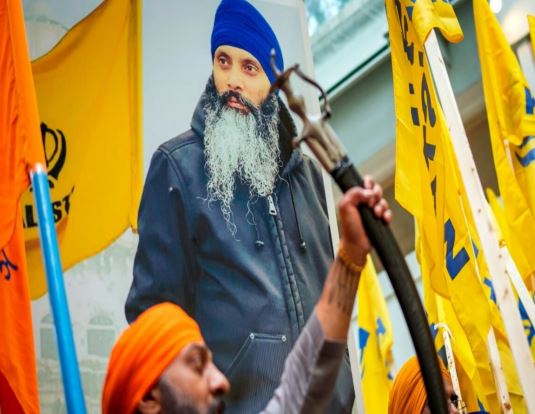
Bhai Hardeep Singh Nijjar spent his youth in Punjab which was the epicenter of the Sikh insurgency between 1984-1995. In 1995, he was illegally detained and subject to torture by Indian security forces for several weeks. After his release, Nijjar fled persecution in India and eventually sought asylum in Canada where he settled in 1997.
Nijjar was a tireless activist for Sikh sovereignty and human rights who advocated for an independent Sikh homeland, Khalistan, throughout his life. He travelled to Geneva in 2013 to advocate for the UNHRC to recognize India’s anti-Sikh violence as genocide. He continued to attend similar meetings, events and protests around the world throughout his life.
In his local community, Nijjar initiated and personally oversaw countless community projects. Alongside developing institutions to preserve and promote Gurmat vidya (Sikh education) amongst the next generation, he guided efforts to develop pivotal social institutions for seniors, international students, and other vulnerable members of the community. He supported victims of state repression and their families, as well as participated in community institutions engaged in Sikh political advocacy. Nijjar energetically advocated for Khalistan through lawful means, namely by supporting a non-binding referendum on the secession of Punjab from India being coordinated around the world.
The Indian government, security agencies, and media consistently leveled unproven and unsubstantiated allegations about Nijjar’s alleged involvement in guerrilla organizations and described him as an alleged “terrorist.” He openly rejected the allegations. He was never tried or convicted of any crimes in any country at any time.
Beginning in approximately 2015, Nijjar began receiving sporadic phone calls from blocked numbers threatening him to cease his activism or advocating for Khalistan or himself and his family would be killed. These phone calls particularly came during significant moments or upsurges in global Sikh activism tied to events and issues in Punjab.
Several attempts to issue warrants for his arrest were made through Interpol in 2014 and 2016. Indian authorities relied on manufactured evidence and stark falsehoods to substantiate these proceedings. In 2018, Indian authorities provided false and misleading evidence about Nijjar’s alleged involvement in an imminent attack in India which led to his brief detention by Canadian authorities. He was released immediately without charges. Based on media reporting in both India and Canada, Indian authorities filed paperwork to request Nijjar’s extradition from Canada on multiple occasions.
In India, authorities manufactured evidence and false charges to continue their campaign to silence his activism. This included India’s National Investigation Agency (NIA) announcing a 1 million Rupee reward for his arrest, officially designating him as an alleged “terrorist” under the draconian Unlawful Activities (Prevention) Act (UAPA) and seizing the family’s ancestral land. Indian authorities used the broad powers available to them under the UAPA to justify these actions. Nijjar was never tried or convicted in any criminal trial or other legal proceeding other than the arbitrary UAPA designation.
Nijjar’s family in Punjab continually faced threats and intimidation for several years to pressure him to stop his activism. A young resident of Canada was also arrested and implicated in a series of false cases in Punjab and has been prohibited by authorities from returning to Canada since 2016. His lawyers have advised that he continued to face threats, torture, and intimidation to give false testimony against Nijjar.
Nijjar faced multiple threats from professional assassins and was formally warned of this threat by Canadian intelligence and security agencies. In the summer of 2022, an Integrated National Security Enforcement Team (INSET), a multi-agency team led by the RCMP, warned Nijjar and a number of other Sikh leaders that they were facing an “imminent threat of assassination.”
Ultimately, Nijjar was shot and killed in the parking lot of Guru Nanak Sikh Gurdwara, where he was the President of the management committee, on June 18, 2023. On September 18, 2023, Prime Minister Justin Trudeau confirmed that the Government of India was behind Mr. Nijjar’s assassination. This has subsequently been confirmed and corroborated by a number of senior government and intelligence officials through various official and unofficial channels which have been covered extensively by international media.
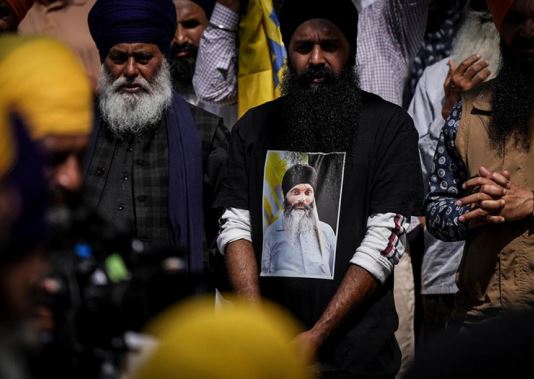
Indian Operations in the United States
In April 2023, India’s Ministry of External Affairs circulated a secret memo amongst its North American consulates calling for a “sophisticated crackdown scheme” against Sikh diaspora organizations in the US and Canada. The memo calls on its diplomatic staff to work closely with R&AW (India’s foreign intelligence agency), the National Investigation Agency, and the Intelligence Bureau to counter so-called “Sikh extremists,” openly calling on diplomats to monitor Sikh activists and begin recruiting Indian diaspora groups as a “vital force” in “street confrontation” with Sikh activists.
The memo was signed by Vinay Kwatra, then India’s foreign secretary, who has since been promoted to India’s Ambassador to the United States, “once again demonstrating that the Government of India’s targeting of Sikh dissidents is state policy,” the report states.
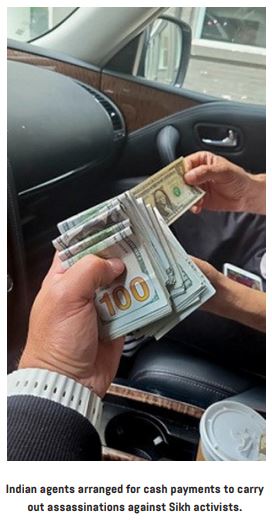
Attempted Assassination of Gurpatwant Singh Pannun
In November 2023, the US Department of Justice publicly stated that American authorities were pursuing the extradition of an Indian national, Nikhil Gupta, for his role in the attempted assassination of Gurpatwant Singh Pannun, a Sikh activist who is a Canadian-American dual citizen and general counsel for Sikhs for Justice. The unsealed indictment confirmed alarming details of the assassination plot, including the fact that Gupta received information from his handlers about 3-4 active targets in Canada. On February 13, 2026, Gupta pleaded guilty to murder-for-hire, conspiracy to commit murder-for-hire and conspiracy to commit money laundering.
Based on the Department of Justice documents, an Indian official named Vikash Yadav, working in Indian security and intelligence, orchestrated the entire plot from the safety of India while Gupta was recruited as a middleman in exchange for withdrawing criminal charges against him in India. This quid pro quo—confirmed in a message on May 12—leaves no doubt that the Indian state and high-level officials were directly involved in the conspiracy. The intelligence officer notified Gupta that his criminal case had “been taken care of” after he spoke with “the boss,” clearly suggesting that Gupta’s handler was a ranking officer who had the authority to dismiss the charges.
Gupta’s criminal background in narcotics trafficking is also significant in this context as he was recruited as the “face” to contract the assassination in the New York area. Indian agencies and government officials have gone to great lengths to fabricate a public narrative of so-called “narco-terrorism” and “inter-gang rivalry” as a false explanation for the wave of assassinations against various Sikh dissidents over the past several years.
The unsealed indictment explicitly indicates that Gupta’s Indian handlers had multiple targets in Canada. The Indian intelligence operative explicitly acknowledged that Hardeep Singh Nijjar was one of the targets and had transmitted a video of the murder scene to Gupta within mere hours of the shooting, demonstrating that he had been under close surveillance and confirming the sophistication of the intelligence operation.
Subsequent investigations have reported that Nijjar’s assassination, and the failed assassination attempt in the US, were coordinated by individuals within India’s intelligence agency, Research & Analysis Wing (RAW), with the highest levels of approval from the chief of RAW, India’s NSA Ajit Doval, and likely Prime Minister Modi himself. Evidence demonstrates that the assassinations are part of the Government of India’s transnational assassination program.
The published indictment goes into granular detail, providing “incontrovertible evidence” of the Government of India’s coordinated campaign to assassinate Sikh activists around the world in targeted extrajudicial killings. Yadav, the intelligence official at the helm of the attempted killing in the US, described himself as a senior field officer, with responsibilities in security and intelligence, and previously served in India’s notorious CRPF.
On May 29, Gupta approached an associate (who was actually a confidential source working with US law enforcement) and asked if he knew anyone willing to carry out a murder-for-hire. The source introduced Gupta to an individual who was actually an undercover officer. In a deal brokered by Gupta, his handlers agreed to pay 100,000USD to assassinate Pannun, and paid an advance of 100,000 USD toassassinate Pannun, and paid an advance of 15,000 cash on June 9, 2023.
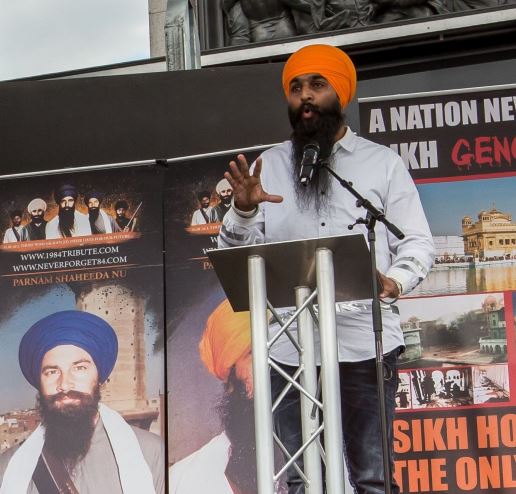
Most of Gupta’s instructions were received through electronic communications, although the indictment notes that he also met his handler in New Delhi at some point during the plot. At the outset of their conversation in early May, his handler described having a target in both New York and California. On June 12, 2023, the undercover officer (who had been contracted to carry out the murder) received a video call from Gupta who appeared to be in a conference room. Gupta turned the camera to several men in the room, dressed in business attire and sitting around a conference table, suggesting they were senior government officials. He turned the frame back towards himself and told the contracted killer, “We are all counting on you.”
Around the same time, Gupta told his associate—and confidential source for investigators—that there was a “big target” in Canada, alluding to “more jobs” for the hitman for which he was awaiting further details.
Gupta was originally instructed not to commit Pannun’s murder around the time of Prime Minister Modi’s trip to the US, noting that this could lead to “political things,” but this ultimately changed after the assassination of Nijjar on June 18, 2023. On the night of Nijjar’s murder, Gupta’s handlers sent him a video of the crime scene followed by Pannun’s address—calling on him to accelerate the plan.
Based on his new instructions that Pannun’s assassination was a “priority now,” Gupta told his contracted hitman that Nijjar was also a target and in light of his assassination in Canada, “there is no need to wait.” He went on: “Not to worry [because] we have so many targets, we have so many targets. But the good news is this, the good news is this: now no need to wait… We got the go-ahead to go anytime, even today, tomorrow—as early as possible… He will be more cautious, because in Canada, his colleague is down. His colleague is down. I sent you the video. So, he will be more cautious, so we should not give them the chance, any chance… If he is not alone, [if] there are two guys with him in the meeting or something… put everyone down, put everyone down.”
Facing pressure from his Indian handlers in the following weeks, Gupta pushed his contact to get the job done “quickly”—specifically before June 29: “we have to finish four jobs”—Pannun and, after that, “three in Canada.”
Government of India’s Operations in the UK
The report documents that credible media reports and government disclosures have revealed a troubling pattern of the Government of India’s clandestine operations directed at Sikh dissidents and organizations based in the United Kingdom. While there is a long history of Indian covert operations in the UK to target Sikh dissidents since at least 1984, recent years have seen a considerable escalation. These activities form part of a broader architecture of transnational repression and attempts to project the Government of India’s coercive state power beyond its territorial borders in order to silence political dissent. The Sikh community in the UK forms the largest and most politically engaged diaspora outside Punjab but has been subject to aggressive attacks by the Government of India for decades.
Alongside seemingly “traditional” methods of political interference and disinformation campaigns, the Government of India targets Sikh dissidents in the UK in an aggressively targeted fashion: using Indian security forces to threaten dissidents’ family members that are still in India, manipulating mechanisms of legal cooperation to criminalize Sikh dissidents, and directly targeting activists for violence and coercive actions.
A recurring and well-documented method involves the use of Indian security agencies, particularly state and national police agencies as well as intelligence agents, to summon, detain and intimidate family members of UK-based dissidents; conduct house raids in Punjab and the UK; and threaten property seizure, false criminal cases, or other forms of harassment. These tactics create significant psychological leverage over dissidents abroad by placing their loved ones at risk in the hopes of generating silence through fear.
The Government of India has also attempted to instrumentalize mechanisms of international legal cooperation to stigmatize and criminalize Sikh political dissidents in the UK and elsewhere. This includes the misuse of Interpol Red Notices and other alerts; politically motivated extradition requests; and the strategic invocation of counter-terrorism action. In numerous cases around the world, including the UK, courts and enforcement agencies have found that the Government of India’s requests are politically tainted, lacking evidentiary integrity, or incompatible with human rights obligations. Cases in the UK, such as the West Midlands Three, raise serious concern about the selective and politicized deployment of these tools against lawful advocates of Sikh self-determination.
The UK has also witnessed direct confrontations and threats targeted at Sikh dissidents. Following large-scale protests outside Indian diplomatic premises in March 2023, in particular, senior Indian officials publicly threatened action against UK-based activists, eventually leading to the death of Bhai Avtar Singh Khanda. Other coercive activities include surveillance and monitoring of Sikh institutions, aggressive recruitment of agents within community spaces, and threats against Sikh activists.
NIA Escalation Against UK-Based Sikh Dissidents
In March 2023, Sikh demonstrators gathered outside the High Commission of India in London for a highly visible political protest. The demonstration was organized in response to a sweeping security crackdown unfolding in Punjab at the time, which saw mass detentions, internet shutdowns, and the targeting of Sikh dissidents. Many in the community viewed these developments as part of a broader pattern of repression directed against Sikh dissent. During the protest, a small number of demonstrators removed the Indian national flag outside the High Commission building, provoking strong diplomatic reactions from the Government of India and overt threats against Sikh activists. While there were moments of heightened tension, the event did not result in violence as alleged by Indian authorities. Arrests were limited and focused on specific allegations of public disorder or property-related offences.
In May 2023, officials from India’s National Investigation Agency (NIA) travelled to the UK under the guise of investigative engagement. On July 10, 2023, during a broadcast on Aaj Tak, aired in Britain via Sky 710, the NIA was reported to have circulated what amounted to a “hit list” naming 20 Sikhs in the diaspora, including at least six dissidents based in the UK.
Following public criticism for broadcasting such inflammatory rhetoric, Indian authorities retaliated in August 2023 by targeting the families of Sikh dissidents throughout Punjab. The NIA conducted coordinated raids on the family homes of approximately 30-40 UK-based Sikh dissidents. These operations included the homes of the Chair and Vice Chair of the Sikh Federation (UK). Family residences were searched for extended periods, some lasting up to seven hours. Relatives were also summoned to Delhi on August 3 and 7, 2023. During these interrogations, families were shown photographs of approximately 45 protestors from March 2023.
Arresting Foreign Residents in India for Lawful Protest
In December 2023, Inderpal Singh Gaba, a British national from Hounslow and one of the March 19 protestors, was arrested in India. After being detained, Gaba was formally charged in September 2024 for allegedly participating in a much larger protest outside the High Commission on March 22, 2023—three days after the small March 19 demonstration.
In February 2025, a Delhi court granted bail to Gaba after concluding that there was no evidence linking him to the alleged vandalism at the Indian High Commission in London. The judge noted that the NIA failed to establish any connection between Gaba and the alleged acts, concluding: “The accused was neither present at the spot nor involved in arranging logistics or conspiring for the demonstration and subsequent vandalism of the Indian High Commission.”
Gaba was required to surrender his British passport and prohibited from leaving India. By the time bail was granted, Gaba had been detained in India for approximately 15 months in relation to attending a protest in the UK.
Assassination of Bhai Avtar Singh Khanda
Bhai Avtar Singh Khanda was a young, prominent Sikh dissident who vocally advocated for an independent Sikh homeland. He applied for asylum in the UK in 2016 based on a risk to his life emanating from Indian authorities. His father was a prominent student leader with a significant profile for leading efforts to establish an independent Khalistan through the 1980s and eventually joined a guerrilla organization in response to Indian state violence. Ultimately, his father was murdered by Indian security forces in an extrajudicial killing on March 31, 1991. Khanda’s uncle (his father’s brother) was also killed in a similar fashion. Khanda’s family home was raided by police many times, even before he was born, and his grandparents would be arrested when police could not locate his father, demonstrating the ongoing legacy of Indian security forces using family members to indirectly target Sikh dissidents as a means of silencing all forms of political activity.
When Narendra Modi visited the UK in November 2015 and met then-Prime Minister David Cameron, media sources widely reported that an Indian “dossier” had been provided to British authorities concerning Sikh activists and organizations of concern to India. Reporting at the time indicated that the dossier specifically named Avtar Singh Khanda. The significance of this early identification cannot be understated. From 2015 onward, Khanda was understood to be on the radar of Indian authorities against the backdrop of increasing political mobilization in Punjab and renewed diaspora advocacy for Khalistan.
Following protests outside the Indian High Commission in March 2023, Indian authorities and state-aligned media outlets began an aggressive public relations campaign alleging that Khanda had been responsible for the removal of the Indian flag during the demonstration. These claims were false. The Metropolitan Police Service confirmed that he had no involvement in the incident. Nevertheless, Indian outlets circulated false reports claiming that he had been arrested by British police and that he faced deportation.
In an asylum interview in late March 2023, Khanda described the frenzied media campaign over the preceding weeks falsely asserting his arrest and deportation, expressing a belief that he faced threats to his safety and security. In the following months, he faced increasing threats and pressures from Indian state and non-state actors, including direct phone calls from Indian security officials. On April 14, 2023, he published a video on social media detailing repeated threats and harassment of his family in Punjab. He specifically named Rupinder Bhatti, then Additional Deputy Commissioner of Police in Ludhiana, as someone who called and threatened him directly. His mother, Bibi Charnjit Kaur, reported that Indian authorities visited her home in Moga, Punjab multiple times in April 2023 to question her and her daughter about Khanda’s activism. Police officers repeatedly threatened Khanda and his mother that they would arrest and punish his family members if he did not comply with their demands for him to cooperate with authorities.
On April 18, 2023, a former Indian army major and prominent media commentator posted a video on YouTube explicitly stating: “Khanda, son, you are finished… the NIA will eliminate him.” The link to the NIA was explicit. Subsequently, the NIA dispatched a five-member team to London in a self-described “probe” of the March 19 protest. Indian reporting indicated that the team met with Scotland Yard and the Metropolitan Police around May 24, 2023, and had been tasked with investigating what Indian outlets described as an “attack” on the High Commission allegedly “led” by Khanda despite UK confirmation that he was not involved.
Shortly after this visit, Khanda was admitted to the hospital on June 11, 2023. By all reports, he had previously been healthy and active. On June 14, 2023, at the age of 35, he suddenly died at Birmingham City Hospital. The hospital recorded the cause of death as Acute Myeloid Leukemia and Pulmonary Embolism, although no investigation was conducted to rule out foul play.
Three days later, on June 18, 2023, Nijjar was assassinated in Canada while the Government of India’s operatives simultaneously coordinated a failed assassination of Pannun in the US. In a lengthy investigative report published by Bloomberg News, UK sources confirmed that GCHQ hand-delivered an intelligence dossier containing signals intelligence from intercepted conversations between Indian agents reportedly referencing three Indian government targets in the diaspora: Nijjar, Pannun, and Khanda.
Dr. Ashley Fegan-Earl, an expert pathologist, reviewed the post-mortem and noted that poisoning cannot be excluded in this case, noting a number of cases she had been involved in using unusual agents by foreign powers that require specialized testing. Barrister Michael Polak, acting on behalf of Khanda’s family, wrote to West Midlands Coroner Louise Hunt noting that he had not been tested for nerve agents or other forms of toxic exposure that require highly specialized testing despite the obvious signs of threats and potential foul play. Fegan-Earl indicated that investigations of foreign powers poisoning individuals in the UK required “the use of multiple experts above and beyond the normal expertise of toxicologists, including expertise from Porton Down. There are some poisons that can only be identified if they are suspected.”
Other witnesses noted that West Midlands police failed to review Khanda’s electronic devices, interview any of his friends or associates, or search his residence or belongings to thoroughly rule out foul play.
Prosecuting the Government of India’s Transnational Repression in Germany
Between December 2008 and December 2017, India’s domestic and foreign intelligence services, the Intelligence Bureau (IB) and Research and Analysis Wing (RAW), were found to have conducted extensive espionage activities in Germany. The targets of the coordinated and wide-ranging espionage activity were primarily the Sikh, Kashmiri and Tamil communities in Germany. Indian intelligence agencies cultivated intelligence assets to spy on German residents of Indian descent, and often German citizens. The targets were wide-ranging and, in fact, included not only individuals under investigation by Indian authorities, but also individuals who were deemed to be “sympathizers” of Sikh, Tamil, and Kashmiri political causes—or simply the family members of suspected “sympathizers.” In several cases, foreign officials visiting Germany were also targeted, brazenly circumventing established legal channels for intelligence sharing or international cooperation.
As a result of this illegal activity, German courts convicted four individuals for their work on behalf of Indian intelligence in Germany. The individuals that were recruited as intelligence assets were either deliberately targeted due to their precarious residency status, community connections, or otherwise incentivized to work on behalf of the Indian intelligence services. These individuals came to light after German domestic intelligence services acted on the repeated complaints of harassment and intimidation by members of the local Sikh community.
Together, the convictions, investigations, and surveillance of Indian diplomats led to the expulsion of several Indian officials from the country. The uncovered networks of Indian intelligence agents stretched beyond Germany, to the UK where British intelligence also came into conflict with RAW during this aggressive drive to develop a European network of agents located within targeted communities and movements. These cases raise serious questions about the nature of Indian intelligence activities that take advantage of vulnerable persons, circumvent official legal channels, and undermine the sovereignty of other countries.
Ranjit S. was arrested on April 13, 2013, and charged by the German public prosecutor’s office on allegations that he worked for Indian intelligence agencies operating in Germany. In return for this work, he was promised cash payments among other incentives. Following his conviction, Ranjit S. was sentenced to nine months in prison which was upheld on appeal. The appeal decision noted that he was in contact with a senior officer of the IB operating unofficially in Germany between November 2012 to March 2013. According to the appeal decision, Ranjit S. was working for the IB as an intelligence informant and reported on Indian nationals residing in Germany, particularly in relation to individuals and activity related to Sikh organizations. He was specifically asked to provide information about an Indian national under investigation as well as information about family members which was given in phone calls to his handler.
Thiyagaraja P. was an employee of the central immigration office (ZAB) who was arrested on February 17, 2016, on allegations that he handed over information to Indian intelligence agencies that he procured through the access he had to German immigration databases. The 2016 court decision outlined that Thiyagaraja P. abused his privileged position in which he was particularly responsible for safeguarding the very secrets he divulged. Between 2008 and 2016, Thiyagaraja P. was found to have handed over information to RAW on a number of occasions. His sentence of three years and six months was upheld on appeal in 2017. The court found that Thiyagaraja P. consistently communicated sensitive information to several intelligence contacts operating out of the Indian consulate in Frankfurt. The decision further elaborated that the intelligence made over 40 requests for information on persons primarily of Indian origin, particularly those who were involved in Sikh organizations. Additional requests for information were also made related to individuals involved with Kashmiri and Tamil organizations.
Manmohan S. and Kanwaljit K. were Indian nationals residing in Germany, charged on March 28, 2019, for working with Indian intelligence services. According to federal prosecutors, the husband-wife duo worked as journalists at a prominent Sikh television channel while simultaneously working for RAW by providing information about Sikh and Kashmiri dissidents in Germany—as well as their relatives. The two had been in contact with a senior level intelligence officer, disguised as a consul, since the beginning of 2015 and sent information about Indian opposition groups living in Germany on a number of occasions. Kanwaljit K. joined the intelligence activity in July 2017 when she began attending monthly meetings with their Indian handler. In exchange for information, both individuals received consistent cash payments from Indian intelligence agents, totaling €7,200. The duo was sentenced in December 2019, with Manmohan S. receiving one and a half years in prison and a €1,500 fine, while Kanwaljit K. was issued a €1,800 fine.
Balvir S. had charges filed against him in January 2020 on charges of working for Indian intelligence agents in Germany. He was ultimately sentenced to a two-year suspended sentence and ordered to pay a fine of €2,400. Balvir S. provided information about dissident groups in the Sikh and Kashmiri communities, as well as their relatives. According to reports, Balvir S.’s handler was an intelligence officer disguised as an Indian consul in Germany. He remained in regular phone and personal contact with this handler stationed in Frankfurt and provided the requested information on numerous occasions between January 2015 and December 2017.
Using the Law as a Tool of Transnational Repression
The report documents that the Government of India’s sophisticated approach to transnational repression extends beyond intimidating or attacking activists. It extends to include activities that target public officials and decision-makers in foreign countries to implement policy and enforcement in their countries in ways that target and criminalize Sikh activism and other criticism of the Government of India. This is a concerning approach to transnational repression that subtly blends India’s overt diplomatic resources with clandestine interference activities targeting foreign states.
The record demonstrates that Indian diplomats and intelligence operatives are actively engaging in clandestine conduct to ultimately influence foreign policy makers and various agencies to adopt pro-India positions, particularly by criminalizing and prosecuting any form of Sikh political advocacy under the guise of “countering extremism.” By conflating any expression of Sikh identity and a spectrum of political advocacy critical of the Government of India with “extremism” writ large, Indian officials continue to misuse their diplomatic resources to overtly and covertly persuade foreign decision-makers and institutions to criminalize and marginalize Sikhs.
The Government of India does not differentiate between actors engaging in lawful political advocacy and those suspected of using force in the pursuit of an independent state. Upon a closer assessment of the Government of India’s allegations, the report states it is clear these complaints boil down to a demand for foreign countries to clamp down on the fundamental rights and freedoms enjoyed by Sikhs in these host countries—whether they are exercised in the form of pursuing or advocating for an independent state, Khalistan; criticizing the Government of India’s human rights record; advocating for the civil liberties of Sikhs; or simply celebrating the Sikh identity.
Members of the community—holding a wide range of political opinions—have been targeted in a number of ways and put in the position to disprove false allegations of “extremism” in order to successfully engage in public life. This includes a number of Sikh elected officials across party lines, as well as sitting Cabinet Ministers in Canada.
While the Government of India has brutally cracked down on the Khalistan movement in Punjab using extrajudicial killings, enforced disappearances, torture, and arbitrary detention, vocal support for Khalistan remains widespread in foreign diasporas. The Government of India is known to regularly employ harsh counter-terrorism measures against political dissidents, human rights activists, and opposition parties domestically, and seeks a similar response from foreign policymakers as well.
Experts mandated by the UNHRC to monitor various human rights issues emphasize that alongside the individual attacks on exiled Sikh activists around the world, the Government of India uses a systematic pattern to repress Sikh activists from public life in India by targeting them under India’s anti-terror legislation, the Unlawful Activities (Prevention) Act (“UAPA”). The legislation is known for allowing security agencies to incarcerate political activists for several years without bail despite having a conviction rate less than 1%.
In Justice Hogue’s Final Report regarding Canada’s Foreign Interference Commission, she assessed the nature of these activities and noted that “India has tried to pressure Canada to go beyond the parameters of Canadian law to counter supporters of an independent Khalistan,” and ultimately manipulate Canadian policy to “have Canada’s position align with its own… particularly about supporters of Khalistani separatism.”
While assessing how Nijjar and Sikh organizations like Sikhs For Justice were specifically designated as “terrorists” by the Government of India, UN experts identify the systematic features of the legislation which allows the Indian state to target political dissidents with an “excessively broad and ambiguous” definition of “terrorism” that encompasses political activity and expression. Similarly, the evidentiary threshold to designate an individual or organization as a “terrorist” only requires the government to “believe” this to be the case, and is not required to demonstrate any credible evidence, as was done in the case of Nijjar.
Implications on Human Rights and Global Affairs
The report states that it is evident the world is entering a period of profound geopolitical uncertainty, where shifting trade priorities, unstable global alliances, and the erosion of international institutions demand a sober and principled recalibration of global politics and multilateralism. While multiple countries around the world perceive India as a strategic partner for various reasons, the Government of India’s actions have unequivocally demonstrated that India is neither a stable nor a reliable actor on the world stage. India’s escalating authoritarianism, contempt for human rights, and willingness to engage in extrajudicial killings around the world—including the assassination of dissidents—highlights the grave risks of treating India as a strategic partner of any kind. Such a strategy would not only be ill-founded but contribute to undermining the very foundations of international law.
The evidence gathered in the report is clear evidence that Indian intelligence agencies are actively engaging in conduct to violently clamp down on Sikh dissidents, and ultimately influence government decision-making in order to criminalize and prosecute Sikh political advocacy under the guise of “countering extremism.” Combined with strongly-worded diplomatic rhetoric making good relations with India conditional on a “crackdown” against Sikh activists in various countries, Indian intelligence agencies have clearly engaged in foreign interference in order to manipulate policy makers. This is extremely concerning for Sikhs as Indian officials have made explicit comments about “cracking down” on Sikh activism in a manner suggesting quid pro quo during trade talks or other bilateral negotiations.
Based on these events, the Government of India seems to be leveraging its geostrategic importance to carry out extrajudicial killings against political opponents on foreign soil—clearly undermining international law and any pretense of a rules-based international order. While some commentators frame this issue in terms of a choice between idealistic human rights values versus strategic interests and hard power, the reality is that ignoring India’s violence will have dangerous consequences for stability, prosperity, and security as a whole in the broader South Asian region. Artificially compartmentalizing economic relationships with India, separate from the political relationship, is a fraught approach. Minimizing India’s actions will inevitably embolden its Hindu nationalist government, marginalizing religious minorities and suppressing political dissidents. This will inevitably deepen the threat of insecurity in the region.
Instead of transparency, accountability and international cooperation, the Government of India consistently resorts to belligerent diplomatic rhetoric and disinformation campaigns to undermine the credibility of partners and international bodies. If this aggressive trajectory is not challenged, the UN’s former Special Rapporteur on Minority Issues has raised the alarm that “India risks becoming one of the world’s main generators of instability, atrocities, and violence.” This was bolstered by the November 2024 UNHRC communication, expressing concern that India’s attacks are contributing to the “hostile environment in Punjab.”
The international community must play a role in advancing democratization, decentralization, and genuine pluralism across India—rather than bolstering an authoritarian regime motivated by an exclusionary and supremacist ideology fundamentally incompatible with the values of peace and international cooperation. Countries that seek to engage with India must prioritize the protection of human rights, international law, and the UN Charter as non-negotiable pillars of its foreign policy. Engagement cannot be reduced to economic expediency.
Left unchecked, the Government of India’s increasingly repressive actions will inevitably accelerate internal tensions and conflicts with broader ramifications across the region as tensions between India and Pakistan continue to simmer. Ultimately, no one can achieve their strategic interests in South Asia by courting a violent regime responsible for extrajudicial violence against political opponents. Lasting security and prosperity can only be guaranteed by ensuring that meaningful democratization, universal human rights, and public accountability are at the core of international relations.
Baku Initiative Group Cyberattacks
The report notes that the Baku Initiative Group (BIG), which has organized international conferences providing a platform to raise global awareness of the Indian government’s neocolonial anti-Sikh policies, has also been directly impacted by these developments. Following the organization of an international conference dedicated to the protection of the human rights of Sikhs and other minorities in India, BIG reported facing threats and cyberattacks targeting its digital infrastructure and communications platforms. Such incidents highlight that transnational repression concerns may also extend beyond targeted communities to include civil society organizations and advocacy networks that facilitate international dialogue on minority rights and accountability.
UN Special Rapporteurs’ Communication
In January 2025, several Special Rapporteurs of the UN Human Rights Council publicly released a comprehensive Communication regarding the Government of India’s “continuing, systematic attacks by Indian authorities on Sikh activists in Canada, the United States, and other countries, including private and public harassment and intimidation, threats of violence and death, and the planning of physical attacks.” Alongside physical attacks, the rapporteurs identified systematic abuse of legislation like UAPA to criminalize political advocacy for Sikh self-determination, concluding that these attacks are leading to an “increasingly hostile situation in Punjab.”
While the Government of India has tried to claim that one of its failed attacks in the US was coordinated by a rogue individual, the rapporteurs highlight the clear link between the Indian intelligence operative, Vikash Yadav, and multiple incidents in the US and Canada. This state connection is further corroborated by the prosecution and conviction of Indian intelligence agents operating along similar lines in countries like Germany.
The rapporteurs’ evidence regarding the role of Indian officials, including India’s Home Affairs Minister, Amit Shah, in orchestrating this campaign of violence in an “attempt to silence Sikh political activism.” The rapporteurs note unequivocally that states—not just individuals—are “internationally responsible for such killing whether it is committed directly by state officials, or private sector instructed, directed or controlled by the state… this includes the use of individuals involved in organized crime.”
Conclusion and Recommendations
The report concludes that the Government of India’s expanding pattern of transnational repression, spanning covert surveillance, intimidation, misuse of legal cooperation mechanisms, coercion of family members, diplomatic pressure, and extraterritorial violence, presents a systemic challenge to international law. The international community’s response must be principled, transparent, and comprehensive in scope.
The threats described in the report are not confined to historical grievances or isolated incidents. Instead, they represent an ongoing and escalating pattern of threat faced by Sikh dissidents and community leaders around the world. Based on public disclosures by the Royal Canadian Mounted Police in October 2024, at least a dozen members of the Sikh community in Canada were formally warned by national security agencies that they faced credible threats to their lives. Similar warnings have been reported in the United States, the United Kingdom, and other jurisdictions where Sikh diaspora communities are politically active.
Many of these threat assessments remain active today. On February 22, 2026, Canada-based Sikh leader and human rights defender Bhai Moninder Singh was informed by Canadian agencies that he remains a potential target for assassination. Notably, this latest warning indicated that the threat had expanded to include members of his family, including his wife and young children. These developments underscore that the risks posed by India’s transnational repression are ongoing and escalating rather than historical.
The absence of meaningful accountability has created conditions that may embolden further acts of intimidation and violence. In this context, the prevention of further violations and the preservation of international legal norms require urgent and coordinated attention from the international community, including United Nations mechanisms and member states.
Recommendations
1. Transparency and Public Disclosure – States that possess intelligence and other information concerning Indian foreign interference must move beyond selective acknowledgment. Declassified summaries, similar to those used in other contexts, should be released to inform the public of credible threats while protecting sensitive sources. The redaction or suppression of information relating to one state, while openly discussing others, undermines institutional credibility and leaves vulnerable communities uncertain about the risks they face. Transparency is not only an accountability measure; it is a protective measure for minorities and other vulnerable populations.
2. Criminal Accountability – Where evidence supports it, prosecutors must pursue charges under existing legislation addressing foreign interference, espionage, electoral manipulation, intimidation, or violent crimes. Where legislative gaps exist, governments should enact modernized foreign interference statutes that criminalize covert foreign direction of political activity and strengthen safeguards against transnational repression.
3. Diplomatic Consequences and Targeted Sanctions – Governments must clearly and forcefully affirm that violations of diplomatic norms will not be tolerated. Where evidence substantiates clandestine interference or intimidation, diplomatic personnel must be declared persona non grata and removed. Enhanced vetting for diplomatic visas from states with documented records of transnational repression is both lawful and necessary.
Accountability must extend beyond intermediaries to those who authorize and oversee operations. In appropriate cases, targeted sanctions—including travel bans and asset freezes—should be imposed on responsible officials and intelligence agencies. This includes all government officials believed to have been involved in violent crimes against Sikh dissidents, including but not limited to: Home Affairs Minister Amit Shah; National Security Advisor Ajit Doval; former Research & Analysis Wing (R&AW) chief Semant Goel; current R&AW chief Parag Jain; any R&AW operatives found to be responsible for violations, including Kanwaljit Singh and Vikash Yadav.
4. Suspension of Security and Legal Cooperation – All extradition arrangements, intelligence-sharing agreements, mutual legal assistance treaties, joint training exercises, and other security or law enforcement cooperation mechanisms with India must be immediately reviewed and, where credible evidence or concerns of misuse exist, suspended. Cooperation frameworks cannot be permitted to function as instruments of repression against political dissidents abroad. Extradition procedures in particular must not proceed where there is risk of politically motivated prosecution or violation of non-refoulement obligations. States must take into account India’s record of transnational repression when assessing any future bilateral security cooperation.
5. Protection and Engagement of Impacted Communities – Governments must establish structured, sustained, and transparent dialogue with Sikh and other affected diaspora communities. This includes systematic collection of data regarding interference activity, timely threat briefings, dedicated reporting channels, thorough investigations of all threats, and the allocation of protective resources. Communities targeted by foreign state actors must be treated as partners in safeguarding democratic institutions—not as passive subjects of investigation.
6. Bilateral Relations – Members of the international community must publicly and consistently raise concerns over the Government of India’s use of transnational repression in diplomatic engagement with India. These human rights violations should be taken into account when considering bilateral security agreements, extradition treaties, foreign aid, and other forms of cooperation. Human rights commitments must be integrated into all bilateral agreements with India along with meaningful enforcement mechanisms.
7. Special Rapporteur Country Visit – The United Nations Special Procedures system should be engaged further to examine the use of transnational repression against Sikh dissidents and diaspora communities. Relevant mandate holders, including Special Rapporteurs on extrajudicial killings, freedom of expression, minority issues, and human rights defenders, should seek a country visit to India in order to investigate the legal, institutional, and operational structures enabling these practices. Such a visit would allow independent experts to assess the use of counter-terrorism legislation against political dissent, examine allegations of intimidation and violence directed at exiled dissidents, and engage directly with civil society organizations in Punjab. Similar visits should be organized in targeted states like Canada, the United Kingdom, the United States, and various European Union member states. These visits can allow for Special Rapporteurs to meet with affected communities directly and examine how these states are responding to the threats.
8. Independent Investigation and Multilateral Action – Given the severity of the allegations involving extraterritorial assassinations and other forms of violence spread throughout multiple countries, members of the international community should consider establishing an independent and international fact-finding mission led by UN experts to examine credible evidence of violent attacks against Sikh dissidents around the world. Such an investigation could confirm the underlying facts, clarify the chain of command behind these operations, assess compliance with international law, and identify appropriate accountability and protection mechanisms. Such an investigation is essential to preserve the integrity of the international legal order when impacted states may choose not to take satisfactory domestic action for economic or political reasons.
9. Regional Stability and Inclusive Resolution – The Government of India’s conduct carries destabilizing implications for South Asia and beyond. The sustained targeting of Sikhs globally risks inflaming tensions in Punjab and undermining regional stability. Any diplomatic engagement addressing these developments must include Sikh representatives as directly affected stakeholders. Durable peace cannot be constructed solely through bilateral state-to-state negotiations that exclude the community subjected to coercion.
The full report, “Transnational Repression and the Government of India’s Campaign Against Sikh Dissidents,” was formally presented on March 14, 2026, during an official press conference jointly held by the Baku Initiative Group and Sikh Federation International at the Geneva Press Club in Geneva.