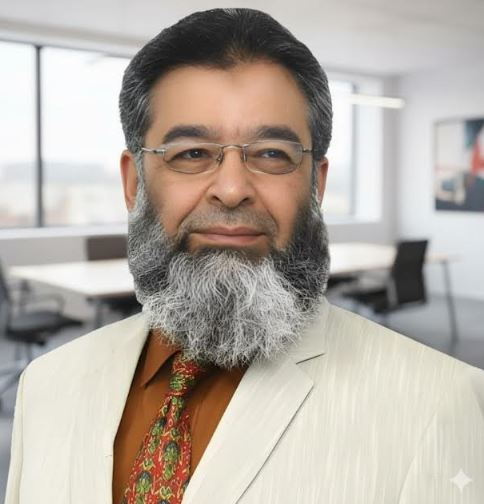
by Muhammad Mohsin Iqbal
Today, Pakistan shines as a beacon of peace in a world often shaken by turmoil, earning a level of respect and admiration unlike any other time in its modern history. Through tireless diplomacy, steadfast resolve, and a profound commitment to harmony, the nation has carved out a role as an indispensable mediator, venturing to extraordinary and often unimaginable lengths to bring warring parties to the table. This sacred endeavour has not merely eased immediate tensions but has ushered in an entirely new chapter for Pakistan—one marked by accelerated development, profound national contentment, and an elevation of its global stature that fills every patriotic heart with pride. In the coming days, observers across the world will witness Pakistan assuming the steering seat of regional affairs, particularly within the vast expanse of the Islamic world, guiding it toward unity and stability with wisdom and grace.
The recent diplomatic initiatives hosted in Islamabad have elevated Pakistan’s prestige and credibility to heights that once seemed distant. Fully cognisant of the intense pressures and complex ground realities, the United States extended a gesture of confidence by dispatching a high-powered delegation under the personal leadership of its Vice President. Similarly, the Islamic Republic of Iran, recognising Pakistan’s unique position, sent its own distinguished representatives to the Pakistani capital. Although these crucial negotiations did not culminate in a final, binding accord, the earlier groundwork meticulously laid by Pakistan’s seasoned diplomatic expertise had already begun to melt the ice of longstanding animosities and foster an atmosphere of cautious hope.
It soon became apparent that the path to complete success was obstructed by formidable obstacles; the unrelenting blackmail and aggressive posture of Israel, the intransigent stance maintained by elements within the American establishment, and a host of other complicating factors beyond Islamabad’s control. Yet even without a definitive breakthrough, Pakistan emerged triumphant in the court of world opinion, its reputation as a sincere and capable peacemaker burnished brighter than ever before.
From the very inception of these efforts, Pakistan’s adversaries—ever vigilant and opportunistic—spared no exertion in attempting to sabotage the process. They employed every conceivable means to dissuade the contending parties from placing their trust in Islamabad, weaving intricate webs of misinformation and intrigue. But divine mercy, manifesting from the unseen realms, stood as Pakistan’s invisible shield. Through the boundless grace of Allah Almighty, every conspiracy crumbled into dust, and the enemies’ schemes dissolved like morning mist before the rising sun. This heavenly assistance not only preserved the sanctity of the mediation but also paved the way for a subsequent triumph that resounded across continents.
In a decisive confrontation on the battlefield, Pakistan delivered a resounding defeat to its eternal adversary, India. This victory was no mere military achievement; it was a resounding affirmation of national honour and sovereignty that simultaneously shielded the entire region—and indeed the wider world—from descending into a catastrophe of unimaginable proportions.
By its courageous actions, Pakistan has dealt a mortal blow to the long-cherished “Greater Israel” plan, that audacious design which once threatened to redraw the map of the Middle East through coercion and expansion. The Arab nations, long accustomed to viewing security from afar, have now come to a profound realization; true safety cannot be guaranteed by geographic distance or fleeting alliances alone. In an era of fluid geopolitics and rising uncertainties, closer bonds of fraternity among Muslim countries have become not only prudent but imperative.
Herein lies Pakistan’s unique and formidable strength. Endowed with a brave, intelligent, and professionally led armed forces—under the command of visionary leadership—and fortified by a credible nuclear deterrent, Pakistan possesses the military backbone essential for anchoring a new era of collective security. When this formidable capability is fused with the abundant natural and economic resources of fellow Islamic nations, the result could mirror the successful model of the European Union; a robust alliance wherein each member stands as guarantor of the other’s peace and territorial integrity.
Such a fraternity would render any aggressive designs against any Islamic state unthinkable, deterring even the most ambitious adversaries. A formal and auspicious beginning to this noble vision has already been forged. Pakistani warplanes, accompanied by a dedicated military contingent, have proudly landed on Saudi Arabian soil, serving as a living testament to Islamabad’s solemn pledge to safeguard the Holy Land’s security and sovereignty. This gesture resonates deeply, symbolising Pakistan’s readiness to extend its protective umbrella across brotherly lands.
In the fullness of time, Muslim nations in Pakistan’s immediate neighbourhood—especially the prosperous Gulf states—will increasingly regard the country as their steadfast pillar of support and strategic anchor. This aspiration finds its most eloquent endorsement in the timeless words of the Holy Quran: “Hold firmly to the rope of Allah all together and do not become divided.” Unity, after all, is the greatest source of strength for the Ummah, transforming potential weakness into an unassailable fortress of faith and fraternity.
Through these multifaceted endeavours—diplomatic, military, and spiritual—Pakistan has not only burnished its own image but has rendered an enduring service to the cause of regional tranquillity and Islamic solidarity. Challenges undoubtedly remain on the horizon, yet the foundations so carefully laid in these momentous times herald a future radiant with greater respect, unshakeable security, and shared prosperity for Pakistan and its fellow Muslim brethren.
In rising to its responsibilities with courage, sagacity, and an abiding trust in divine providence, Pakistan has reminded a watching world that authentic leadership often resides in the quiet, persistent pursuit of mediation and the resolute defence of justice. As it takes its rightful place at the helm of regional and Islamic affairs, the nation carries with it the fervent prayers and aspirations of millions who see in its ascent the promise of a brighter, more harmonious dawn for the entire Ummah.