The input also notes that Saudi Arabia and China have reportedly asked Pakistan to repay their loans as well. This aligns with Pakistan’s heavy reliance on rollovers from “friendly countries.
Safiullah Ansar
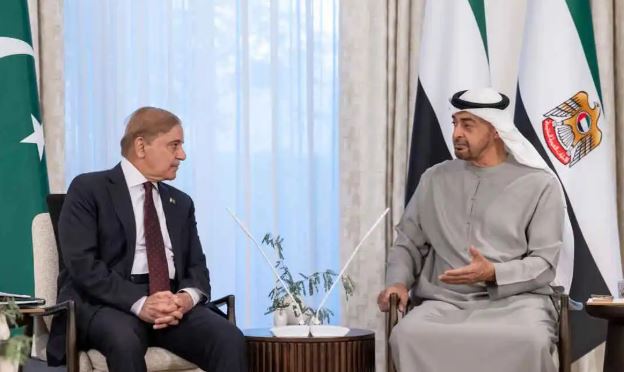
ISLAMABAD: Pakistan has decided to repay a $2 billion deposit to the UAE by the end of April 2026, according to sources, amid shifting dynamics in its bilateral financial relations and broader regional tensions.
Islamabad plans to return the $2 billion—held as a safe deposit with the State Bank of Pakistan (SBP)—to Abu Dhabi by the end of this month. Pakistan has been paying around 6% interest on the facility (recent short-term rollovers were at approximately 6.5%). The UAE had previously rolled over the deposit on an annual basis, but shifted to short-term extensions in late 2025 and early 2026: first a one-month rollover, then a two-month extension until April 17, 2026, following outreach by Deputy Prime Minister Ishaq Dar.
This $2 billion forms part of a larger $3 billion placement by the Abu Dhabi Fund for Development in three $1 billion tranches. Two tranches matured in January 2026 and received brief rollovers; the third is due in July 2026. Pakistan had sought a longer-term rollover (up to two years at a lower rate), but received only short-term relief ahead of key IMF reviews under the $7 billion Extended Fund Facility.
The input also notes that Saudi Arabia and China have reportedly asked Pakistan to repay their loans as well. This aligns with Pakistan’s heavy reliance on rollovers from “friendly countries.” For the current fiscal year, Islamabad is seeking to roll over approximately $12 billion in external deposits, including:~$5 billion from Saudi Arabia , ~$4 billion from China
$3 billion from the UAE (of which $2 billion is now under repayment pressure)
These facilities have been critical for bolstering SBP reserves and meeting IMF conditions, but they are often renewed annually or short-term rather than converted to longer-term, lower-cost arrangements despite Pakistani requests (e.g., converting Saudi deposits to a 10-year facility or expanding deferred oil payments).
Pakistan’s external debt management remains fragile, with significant maturing obligations. While SBP officials have previously stated there is “no demand” for immediate full repayment of the UAE facility and that talks continue, the latest sources indicate a decision to repay the $2 billion tranche soon. A third $1 billion UAE tranche remains due in July.
This development highlights Pakistan’s ongoing dependence on bilateral support from Gulf and Chinese partners to stabilize reserves, especially amid global and regional shocks. Repaying the UAE could ease immediate bilateral tensions but may add pressure on foreign exchange reserves unless offset by new inflows, successful IMF disbursements, or rollovers from Riyadh and Beijing.