EDITORIAL
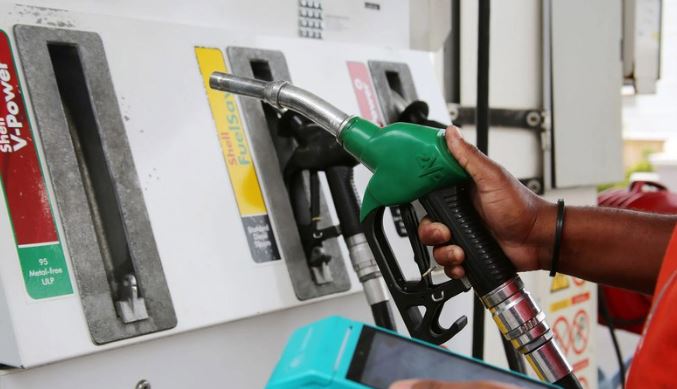
In a move that has ignited widespread fury across Pakistan, the government has hiked petroleum prices by an staggering Rs 55 per liter, pushing petrol to Rs 321.17 and diesel to Rs 335.86 effective March 7, 2026. This abnormal surge, amid escalating Middle East tensions involving Iran, Israel, and the US, has been slammed by citizens as profoundly unfair, exacerbating the economic hardships of the common man while the elite remain insulated. The decision comes at a time when global oil prices have spiked due to the closure of the Strait of Hormuz and broader geopolitical instability, with crude hitting levels that could soon breach $100 per barrel.
Yet, the government’s rationale rings hollow to many. Officials, including Petroleum Minister Ali Pervaiz Malik, have claimed the increase is “under compulsion” due to international market volatility. But critics point out that Pakistan’s existing fuel stocks, purchased at pre-surge prices, are sufficient until the end of March—roughly four weeks from the hike’s announcement.
If the reserves were bought cheaply, why pass on the pain now? This premature adjustment feels like a calculated betrayal, designed to fleece the populace before necessity demands it. Adding fuel to the fire is the International Monetary Fund’s (IMF) role. The lender, in ongoing virtual negotiations, has demanded immediate price alignments to boost revenue and eliminate subsidies, tying these measures to Pakistan’s bailout program.
With inflation already at a 16-month high and the government struggling to meet fiscal targets, this seemed like the “right time” to burden the poor. Instead of exploring alternative austerity measures—such as trimming bloated administrative costs or reforming inefficient state enterprises—the regime opted for the easiest path: slaughtering the vulnerable through higher fuel costs. This shortsighted strategy ignores the ripple effects, from inflated transport fares to rising prices of essentials, which disproportionately hammer low-income households.
What’s particularly galling is the government’s hypocrisy on expenses. While ordinary Pakistanis grapple with this “inflation bomb,” as opposition leaders have dubbed it, there’s no cut in the lavish perks enjoyed by politicians, bureaucrats, and military officers.
Free petrol allocations for these elites remain untouched, symbolizing a system where the powerful thrive at the expense of the powerless. The petroleum development levy has been jacked up to Rs 82 per liter on petrol, ostensibly to offset subsidies elsewhere, but this cross-subsidization from car and bike owners to diesel users in agriculture and transport does little to address core inequities.
The regime knows full well that mass protests are unlikely. Pakistan, in this view, isn’t a unified nation but a “huddle of people”—fragmented by ethnic, sectarian, and economic divides, making collective action rare. Social media is ablaze with outrage, with users decrying the move as economic terrorism, but street demonstrations remain sparse.
This complacency stems from decades of disillusionment; governments come and go, but the cycle of exploitation persists. Looking ahead, the pattern is predictable. Next week, the government might lower prices by a token few rupees to placate the masses, only to spike them again when new, costlier stocks arrive.
This yo-yo pricing isn’t new—fortnightly adjustments have long been manipulated for political optics. Governments worldwide engage in similar tactics during crises, but Pakistan’s example is uniquely insidious. Here, authorities seize every opportunity to hoodwink and fleece their own, often under the guise of external pressures like IMF dictates or global events.
A populace so alienated that when political regimes are ousted—frequently by military intervention—no one sheds a tear. Consider the late 1990s: Nawaz Sharif enjoyed a two-thirds majority in parliament, wielding immense power. Yet, when the military decided to send him packing in 1999, not a single person took to the streets in his defense. The reason? During his tenure, he did little for ordinary people, prioritizing cronyism over public welfare. History is repeating itself today. The current administration, much like Sharif’s, appears indifferent to the plight of the masses, focusing instead on survival amid economic woes and geopolitical storms. This is the real pity: a cycle of governance that breeds apathy and instability. With fuel stocks dwindling and no alternative pipelines—blocked by US sanctions—the future looks bleak.
Unless the government pivots to genuine reforms, like slashing elite privileges and investing in sustainable energy, Pakistan risks deeper divisions. The Rs 55 hike isn’t just a price tag; it’s a symptom of systemic failure, where the poor pay the price for the powerful’s incompetence.