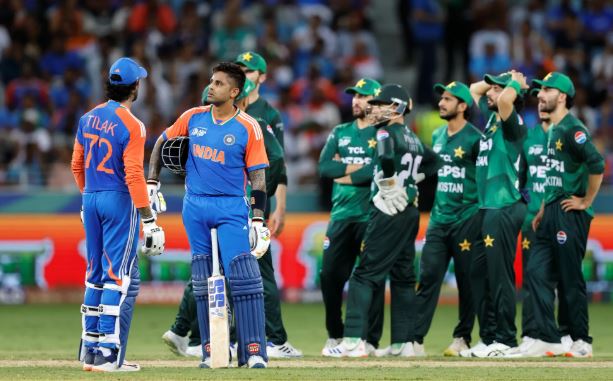
The much-anticipated clash between Pakistan and India in the T20 World Cup ended in heartbreak for Pakistani fans, as India secured a convincing victory. Pakistan’s batting lineup faltered badly, raising serious questions about team planning, player selection, and overall strategy.
Pakistan’s decision to bat first after winning the toss proved costly. Critics argue that this was a tactical blunder, as Pakistan historically struggles to chase totals under pressure. The top order, led by Babar Azam, failed to provide a solid foundation. Early wickets fell cheaply, leaving the middle order exposed to India’s disciplined bowling attack.
India posted a competitive total of 175 runs, which proved more than enough on a pitch that demanded calculated shot selection. Pakistan’s batters, however, looked unsettled and lacked intent. Instead of rotating strike and building partnerships, they succumbed to rash strokes and poor shot choices. The lack of a clear plan was evident, and the team never looked in control of the chase.
The defeat has reignited debates about Pakistan’s squad composition. Many experts and fans believe several players no longer justify their place in the team. Babar Azam’s captaincy and batting form are under scrutiny, while Shaheen Afridi’s inconsistent performances have raised eyebrows. Similarly, Faheem Ashraf has failed to make meaningful contributions, leading to calls for fresh talent to be introduced.
Former cricketers and analysts have been vocal in their criticism, suggesting that Pakistan needs to rethink its approach to T20 cricket altogether. The format demands aggressive batting, sharp fielding, and innovative strategies—areas where Pakistan has lagged behind. Critics argue that sticking with underperforming players has cost the team dearly, and new blood must be injected to revive Pakistan’s fortunes.
This defeat is not just about one match; it reflects deeper issues in Pakistan’s cricketing setup. Poor planning, questionable selections, and lack of adaptability have become recurring themes. India’s disciplined performance highlighted the gulf in preparation and execution between the two sides.
Pakistan’s loss to India in the T20 World Cup is a wake-up call. The team must reassess its strategies, revamp its squad, and embrace the demands of modern T20 cricket. Without bold decisions and fresh talent, Pakistan risks falling further behind in a format that thrives on innovation and fearless play.