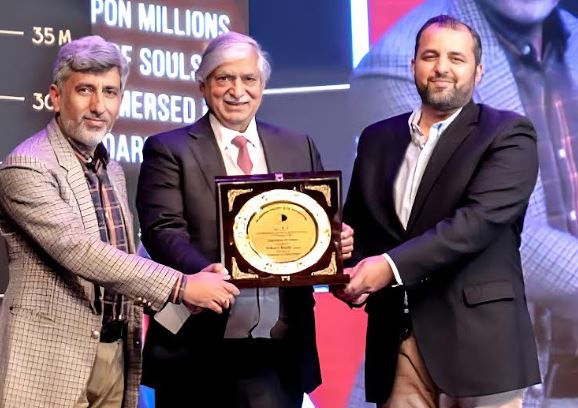
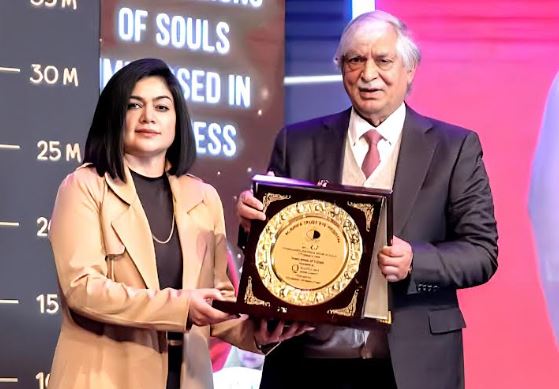
RAWALPINDI, JAN 20 /DNA/ – Donors contributed around Rs35 million to Al-Shifa Trust Eye Hospital during a fundraising dinner titled “Noor Phir Sey” held at the Pakistan National Council of the Arts in Islamabad, the trust said.
The funds will support Trust’s free and subsidised eye care services thorough out the country.
The fundraising event combined charitable appeals with cultural and Sufi music performances and drew participation from corporate entities, philanthropists, and members of civil society. Several attendees also pledged to donate their eyes posthumously.
Major contributors included leading corporations, foundations, and individual donors. President of the Al-Shifa Trust, Maj Gen (retd) Rehmat Khan, thanked individual and corporate donors for their support and said sustained philanthropy remained critical for addressing preventable blindness in Pakistan.
He said the trust had grown from serving around 25 patients daily in its early years to treating nearly 5,000 patients a day over the past three decades.
He added that the trust’s cross-subsidisation model allowed paying patients to finance free treatment for those unable to afford care. Nearly 80 percent of patients receive free treatment at its hospitals in Rawalpindi, Chakwal, Kohat, Sukkur, Muzaffarabad, and Gilgit. Lahore Eye Hospital is expected to begin operations by 2027.
He informed that construction of the Haveli Lakha facility has been completed and that it will be inaugurated during the month of Ramadan. The total project cost is Rs162 million, with Rs122 million allocated to construction and Rs40 million to medical equipment.
Notable donors included OGDCL, Askari Bank, Bank of Punjab, Rupani Foundation, Dr. Tahira Idrees, and Group Capt. Imtiaz Ali Khan.
Pakistan’s blindness rate has declined from 1.78 percent in 1990 to about 0.5 percent today, attributing the improvement partly to expanded access to cataract surgery and early diagnosis.
Health experts note that much visual impairment remains avoidable in Pakistan, but rising costs and limited facilities strain rural households. Funds from “Noor Phir Sey” will expand surgical capacity, outreach, and subsidised treatment in underserved regions.