By Muhammad Omar Iftikhar
Distrust has long defined U.S.–Venezuela relations. What began as political disagreement escalated into confrontation driven by oil interests, ideological rivalry, and competing ideas of sovereignty. Venezuela mattered to Washington not for moral reasons but for strategic ones: vast oil reserves and its place within the U.S.’ traditional sphere of influence made it economically vital yet politically defiant. This tension shaped decades of engagement.
The decisive rupture came in 1998 with Hugo Chávez’s election. Promising redistribution and national control over resources, Chávez challenged U.S. dominance while remaining tied to global energy markets. Relations worsened as he consolidated power, adopted anti-U.S. rhetoric, and aligned with U.S. rivals, with the failed 2002 coup further eroding trust.
Chávez’s governance carried internal contradictions. Oil revenues funded social programs but weakened institutional accountability, centralized power, and stalled diversification. These weaknesses became acute after his death in 2013, when Nicolás Maduro inherited a fragile, oil-dependent system. Lacking legitimacy, Maduro relied on repression amid economic collapse, contested elections, and institutional decay.
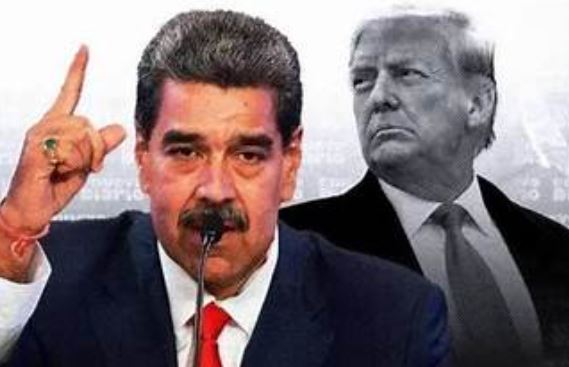
The U.S. hardened its approach, citing democratic erosion, human rights abuses, drug trafficking allegations, and regional security concerns. Sanctions expanded into a broad economic regime, worsening humanitarian conditions without delivering political change. The military intervention that led to Maduro’s capture was framed as necessary to restore accountability and regional stability, but it also reflected decades of failed pressure. Venezuela’s crisis is not solely the result of U.S. policy; nevertheless, the experience underscores the limits of coercion—power may compel action, but without diplomacy, it cannot rebuild trust or ensure lasting stability.