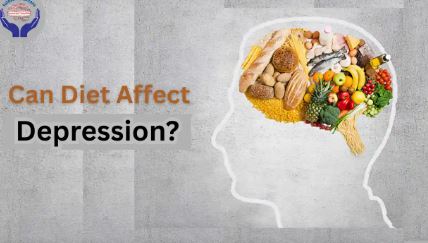
Health experts have warned that unhealthy daily routines and poor dietary habits can significantly contribute to depression, stressing that adopting a balanced lifestyle and nutritious diet can play a vital role in improving mental well-being.
According to medical specialists, a person’s lifestyle is directly linked to both mental and physical health. While obesity is widely recognized as the root cause of numerous diseases, many people overlook the importance of a balanced diet for staying healthy and instead consume whatever food is easily available.
Experts say that constant eating and excessive consumption of unhealthy foods not only lead to physical illnesses but can also result in mental stress and depression. Studies suggest that the number of people suffering from depression in offices and institutions may be alarmingly high, and individuals can assess their own condition by observing changes in their mood and behavior.
People affected by depression often rely on medication to cope with symptoms such as persistent sadness, sleep deprivation, loss of appetite, and lack of concentration. However, research shows that medication alone is not sufficient. Environmental factors, daily habits, and especially dietary changes play a crucial role in improving mental health.
A study conducted at the University of Melbourne in Australia highlights that controlling depression requires understanding which foods should be avoided and which should become part of daily meals. The research emphasizes that diet and brain health have a strong and direct connection.
According to the findings, when the body receives high-quality and nutritious food, both the brain and the body function more effectively. A report published in the American Journal of Clinical Nutrition states that higher consumption of legumes, fish, fruits, and vegetables helps reduce the risk of depression.
Experts further explain that whatever a person eats has a direct impact on the brain and body. Since the brain is composed of fats, amino acids, and proteins, foods such as nuts, seeds, and fish support the growth and repair of brain cells.
Dietary habits also affect sleep patterns. If a person feels unusually alert at night and drowsy during the day, an imbalanced diet may be one of the reasons. Previous research indicates that increased intake of seafood and avoiding fast food can help reduce symptoms of depression.
Research published in BMC Medicine suggests that consuming vegetables, fruits, low-fat dairy products, unsalted nuts, fish, olive oil, and eggs can significantly lower the likelihood of depression. In contrast, fast food and sugary items increase the risk.
Regarding physical health, experts say certain foods act like natural medicines. Green vegetables help protect against lung diseases, while folic acid-rich foods reduce the risk of anemia, stroke, and pregnancy-related complications in women.
Similarly, foods such as salmon, mushrooms, broccoli, garlic, ginger, and turmeric help reduce inflammation and strengthen the immune system. Green tea, yogurt, oranges, pomegranates, and tomatoes are considered beneficial for skin, hair, and overall physical health.
Experts conclude that improving dietary choices alongside healthy daily routines can play a key role in preventing depression and enhancing overall quality of life.