Samraong, Dec 10 (AFP/APP):Half a million evacuees in Cambodia and Thailand were sheltering in pagodas, schools and other safe havens on Wednesday after fleeing fresh fighting in a century-old border dispute in which US President Donald Trump has vowed to again intercede.
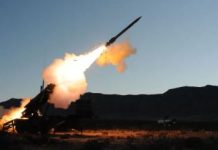
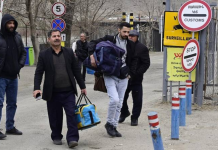
Five Thai soldiers and seven Cambodian civilians have been killed in the latest fighting, officials said, while more than 500,000 people have fled border regions near where jets, tanks and drones were waging battle.
AFP journalists in northwestern Cambodia’s Samraong town on Wednesday morning heard the blasts of incoming artillery from the direction of centuries-old temples in disputed border areas.
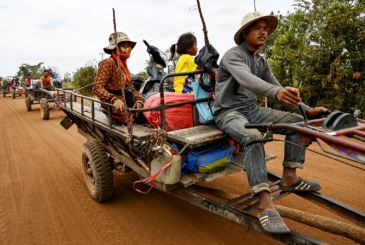
By the afternoon, hundreds of families were leaving a shelter at a pagoda near Samraong where they had been staying since Monday.
“Authorities say it is not safe anymore,” said Seut Soeung, 30, as she rested alongside a road with her family and vehicles passed by loaded with people, dogs and bags of clothes.
A policeman who asked not to be named said the displaced families were being evacuated from the temple grounds due to safety concerns after a few Thai jets flew nearby.
Thailand and Cambodia dispute the colonial-era demarcation of their 800-kilometre (500-mile) frontier, where competing claims to historic temples have spilled over into armed conflict.
This week’s clashes are the deadliest since five days of fighting in July that killed dozens and displaced around 300,000 before a shaky truce was agreed, following intervention by Trump.
Both sides blame each other for instigating the reignited conflict, which has expanded to five provinces of both Thailand and Cambodia, according to an AFP tally of official accounts.
Thai defence ministry spokesperson Surasant Kongsiri told reporters Wednesday that more than 400,000 civilians have been evacuated to shelters.
– ‘Will it hit us?’ –
Sugarcane farmer Niam Poda fled her home — just five kilometres from the frontier — in Thailand’s border province of Sa Kaeo for the second time in five months.
The 62-year-old said she was doing laundry on Monday when a loud explosion rang out.
“I just had to run for my life as soon as I could,” she told AFP at an evacuation centre, adding that she grabbed some clothes but left her medicines behind.
“Whatever happens next, I hope peace will come so I can go back to caring for my sugarcane in peace,” she said.
In Cambodia, more than 101,000 people have been evacuated to shelters and relatives’ homes, defence ministry spokeswoman Maly Socheata told reporters.
“The Thai army fired indiscriminately into civilian areas and schools and especially shelled Ta Krabey temple,” she said, calling the contested border temple a “sacred site of Cambodia”.
The Thai army, meanwhile, said Cambodian forces fired rockets early Wednesday that landed in the vicinity of the Phanom Dong Rak Hospital in Surin province — which was struck during previous clashes in July this year and in 2011.
Military personnel evacuated hospital staff and critical patients to a shelter on Wednesday, the army said.
Cambodia withdrew Wednesday from the Southeast Asian Games taking place in Thailand, with its Olympic committee citing “serious concerns and requests from the families of our athletes to have their relatives return home immediately”.
– ‘Make a call’ –
The United States, China and Malaysia, as chair of the regional bloc ASEAN, brokered the cessation of fighting in July.
In October, Trump backed a follow-on joint declaration, touting new trade deals with Thailand and Cambodia after they agreed to prolong their ceasefire.
But Thailand suspended the agreement the following month.
The US president said he was planning to “make a phone call” on Wednesday about the renewed clashes.
During a speech to supporters in the US on Tuesday, Trump listed various conflicts he has become involved with diplomatically, concluding with Cambodia and Thailand.
“Tomorrow, I have to make a phone call, and I think they’ll get it,” he said of the Southeast Asian neighbours.
“Who else could say, ‘I’m going to make a phone call and stop a war of two very powerful countries’?”