The recommendation, by international energy consultancy Wood Mackenzie, comes as Pakistan is already facing a surplus of imported LNG, due to a dramatic decline in domestic gas consumption
DNA News Agency
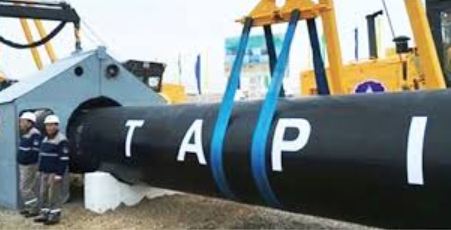
ISLAMABAD: Pakistan is considering withdrawing from the Turkmenistan-Afghanistan-Pakistan-India (TAPI) gas pipeline project, a move driven by two primary factors: a significant domestic surplus of imported Liquefied Natural Gas (LNG) and the economic unviability of the project without India’s participation. This decision is based on a recommendation from the international energy consultancy, Wood Mackenzie, which advised Pakistan to delay any commitment until at least 2031.
The TAPI pipeline has been plagued by problems since its inception decades ago. Conceived as a grand vision to transport natural gas from Turkmenistan’s massive Galkynysh field to energy-hungry markets in South Asia, the project has always faced serious geopolitical and security challenges. The most significant of these was its reliance on the stability of Afghanistan, which the pipeline would traverse, and the complex relationship between the four participating countries. From the very start, observers had pointed out that the project was a non-starter, particularly because of India’s involvement. The relationship between Pakistan and India has been a constant source of tension, and the idea of a shared pipeline, which would make India reliant on Pakistan for its energy supply, was always a major point of contention. Turkmenistan’s government, for its part, was not ready exclude India from the project.
The current deliberations in Pakistan’s Petroleum Division highlight the financial risks of continuing with TAPI. The recent advisory from Wood Mackenzie points to a dramatic decline in Pakistan’s domestic gas consumption, creating an oversupply of imported LNG. This surplus has strained the country’s existing LNG contracts and infrastructure, making the prospect of committing to another major gas import project untenable.
The core of the issue, however, lies in India’s ongoing indecision. Senior officials in Islamabad have publicly stated that if India formally withdraws, the pipeline would effectively become the TAP (Turkmenistan-Afghanistan-Pakistan) pipeline. This model is considered economically unviable for Pakistan.
Instead of earning revenue, Pakistan would be forced to pay a hefty $500 million per year to Afghanistan for gas transit. When this fee is added to the base gas price of $7.5 per MMBTU, the total cost would exceed the price of even expensive RLNG (Re-gasified Liquefied Natural Gas) imports. This financial equation makes the TAPI project financially unsustainable for Pakistan and explains why the government is now seriously considering a full withdrawal.
The writing has been on the wall for some time. The persistent security risks in Afghanistan, coupled with the geopolitical friction between the participating countries, have ensured that the project has never seen the light of day. While Turkmenistan has pushed for the project and even started construction on its end, the lack of commitment and financial viability from the end-users has been the ultimate stumbling block.
For Pakistan, the decision to pull out of the project is a pragmatic response to both its immediate economic challenges and the long-standing, unresolvable issues surrounding TAPI. The country is grappling with a surplus of imported gas and cannot afford to lock itself into a new, expensive contract for gas it doesn’t immediately need, especially one that would turn a potential transit revenue stream into a significant financial burden. The move to pull out is a stark acknowledgment that the ambitious TAPI pipeline, a dream for regional energy cooperation, has become a geopolitical and economic non-starter.